



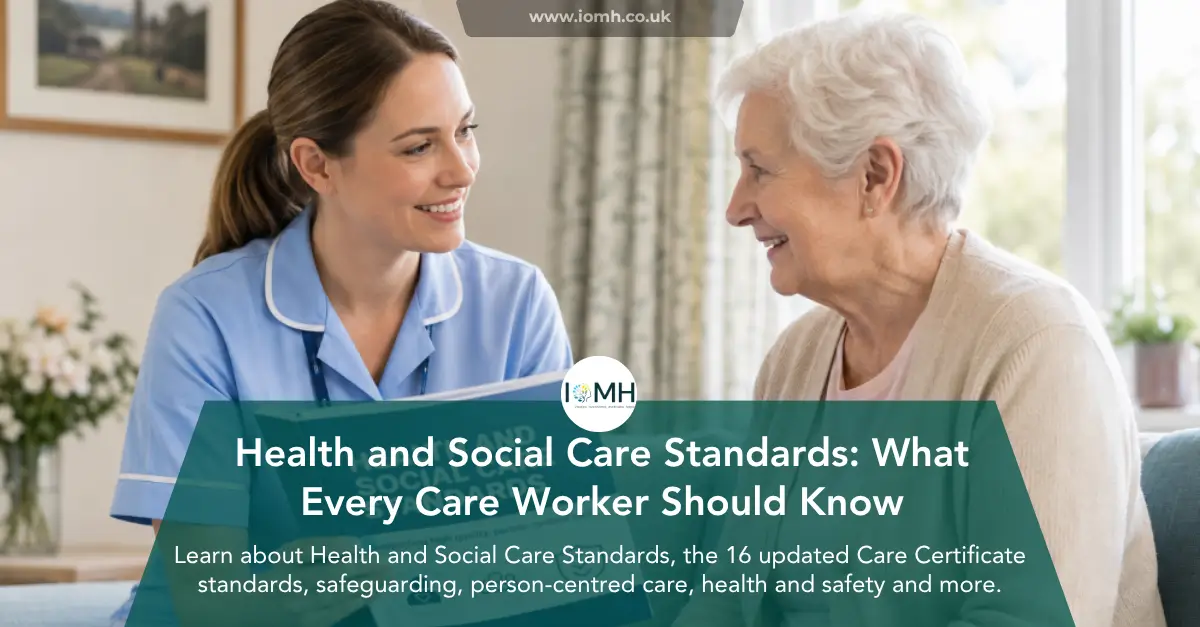
Health and social care workers support people at some of the most important and sometimes difficult times in their lives. Whether working in a care home, hospital, nursing home, supported living service or someone’s own home, care workers need to understand the standards that guide safe and respectful care.
Health and Social Care Standards help care workers understand what is expected of them. They cover areas such as person-centred care, communication, safeguarding, privacy, dignity, health and safety, nutrition and infection prevention.
For people starting a career in Adult Social Care, a Healthcare Assistant Training programme, or working towards qualifications such as a Level 3 Diploma in Health and Social Care, understanding these standards can provide a strong foundation.
- Important update: The Care Certificate standards were updated in March 2025. There are now 16 Care Certificate standards, with a new standard covering awareness of learning disability and autism.



What Are Health and Social Care Standards?
Health and Social Care Standards help care workers provide safe, respectful and person-centred care. They explain the basic standards workers should follow when supporting people in health and social care settings.
These standards help care workers understand how to:
- Follow their role and responsibilities
- Respect people's rights, choices and preferences
- Communicate clearly with people receiving care
- Protect adults and children from abuse and neglect
- Support privacy, dignity and independence
- Promote good health and wellbeing
- Prevent infections and follow safe hygiene practices
- Keep personal and care information safe
- Work effectively with other health and social care professionals
- Provide person-centred care based on individual needs
In England, the Care Certificate standards are especially important for people who are new to care. They cover the knowledge, skills and behaviours needed for relevant care roles and can be used as part of workplace induction.
Understanding these standards is also useful for people completing Health and Social Care Training, Healthcare Assistant Training, or a Level 3 Diploma in Health and Social Care. Learning these core principles can help new care workers understand what is expected when providing safe and compassionate care.
Why Are Health and Social Care Standards Important?
Health and Social Care Standards help care workers provide safe, respectful and high-quality care. People receiving care may have different health conditions, disabilities, needs, cultures and personal preferences.
Good care should focus on the individual. Care workers should understand what each person needs, wants and prefers. They should also respect the person’s rights, choices, dignity and independence.
Following Health and Social Care Standards can help care workers:
- Protect people from abuse, neglect and harm
- Respect people's dignity, rights and choices
- Support independence and wellbeing
- Communicate clearly and effectively
- Reduce the risk of mistakes
- Follow safer working practices
- Improve the quality of care
- Promote equality and inclusion
- Understand their roles and responsibilities
- Provide more person-centred care
The Care Certificate provides an important foundation for people who are new to Adult Social Care and other relevant care roles. It covers the knowledge, skills and behaviours workers need to provide safe, respectful and compassionate care.

The 16 Care Certificate Standards
The 2025 Care Certificate contains 16 standards for care workers in England. These standards explain the knowledge, skills and behaviours needed to provide safe, respectful and person-centred care. Each standard focuses on an important part of a care worker’s role, from understanding responsibilities to safeguarding, communication and infection prevention.
1. Understand Your Role
Care workers need to understand their job, duties and responsibilities. This includes knowing what they are expected to do and which tasks are outside their role. Workers should follow their employer’s policies and procedures and know when to ask for help. They should also understand how to report concerns and work with other professionals. A care worker should only complete tasks they are trained, competent and authorised to perform.
2. Your Personal Development
Care workers should continue learning and improving their knowledge and skills. Personal development can include training courses, workplace feedback, supervision, reflective practice and learning from everyday experience. A personal development plan can also help workers identify areas for improvement. Regular health and social care training helps workers keep their knowledge current. This standard also recognises important skills such as communication, literacy, numeracy and digital skills.
3. Duty of Care
Duty of care means taking reasonable steps to protect people from harm and support their health and wellbeing. Care workers should know how to report concerns, complaints, accidents and incidents. They should also understand near misses and learn from mistakes. The standard includes duty of candour, which means being open and honest when something goes wrong. Following workplace procedures helps workers provide safer care and respond appropriately to problems.
4. Equality, Diversity, Inclusion and Human Rights
Every person receiving care should be treated fairly, respectfully and without discrimination. Care workers need to understand equality, diversity, inclusion and human rights. They should recognise how personal bias or unfair treatment can affect someone’s care. People’s age, disability, culture, religion, beliefs or communication needs should be respected. Workers should provide inclusive care, support individual choices and follow workplace procedures when they see discrimination or other unfair treatment.
5. Work in a Person-Centred Way
Person-centred care means putting the individual at the centre of decisions about their care and support. Workers should consider each person’s needs, preferences, wishes, history, abilities, culture, relationships and goals. For example, people receiving similar care may still have different routines, food preferences or support needs. Good person-centred care respects independence and choice while supporting people to make their own decisions wherever possible.
6. Communication
Good communication is essential in Health and Social Care. Care workers communicate with people receiving care, families, nurses, doctors, social workers, managers and other professionals. Communication can involve speaking, listening, body language, facial expressions, written information, pictures and technology. Some people may need communication aids or additional support. Care workers should listen carefully, check understanding and adapt their communication to help people express their needs, wishes and choices.
7. Privacy and Dignity
Everyone receiving care has the right to privacy and dignity. This is especially important when workers provide personal care, such as washing, dressing, toileting or personal hygiene support. Workers should explain what they are doing and involve the person wherever possible. Simple actions, such as closing a door or curtain, can protect privacy. Speaking respectfully and allowing people to make choices can also help them feel valued, comfortable and in control.
8. Fluids and Nutrition
Good nutrition and hydration are important for health, strength and wellbeing. Care workers may support people with eating, drinking, meal choices and special diets. They may also monitor food and fluid intake when required. Workers should understand individual preferences and recognise possible signs that someone is not eating or drinking enough. Any concerns should be recorded and reported through the correct workplace procedure so appropriate support can be provided.
9. Awareness of Mental Health and Dementia
Care workers may support people living with dementia, depression, anxiety or other mental health conditions. Understanding these conditions can help workers provide respectful and appropriate support. Workers should not make assumptions about someone based on a diagnosis. They should listen, communicate clearly and consider the person’s individual needs. Recognising changes in behaviour, mood or wellbeing can also help workers identify concerns and report them through the correct process.
10. Adult Safeguarding
Adult safeguarding helps protect people from abuse, neglect and avoidable harm. Abuse can be physical, emotional, psychological, sexual, financial, discriminatory or organisational. Neglect and domestic abuse can also affect adults who need care and support. Care workers should understand possible signs of abuse and know how to report concerns. Safeguarding also means respecting people’s rights, choices and wellbeing while helping them live as safely and independently as possible.
11. Safeguarding Children
Care workers who mainly support adults may still come into contact with children. They therefore need to understand their responsibility to help protect children from abuse and neglect. Workers should remain alert to possible safeguarding concerns and take them seriously. If they are worried about a child’s safety or wellbeing, they should follow their organisation’s safeguarding procedure and report the concern to the appropriate person. Prompt reporting can help protect children from further harm.
12. Basic Life Support
Basic life support helps care workers understand how to respond during serious emergencies. Workers should know what to do when someone becomes seriously unwell or is not breathing normally. Appropriate training can help them respond quickly while waiting for further medical assistance. The level of training should match the worker’s role and workplace requirements. Regular training and practice can help workers feel more prepared to respond calmly during an emergency.
13. Health and Safety
Health and safety helps protect care workers and the people they support. Workers should understand common workplace hazards and how risks can be reduced. Important areas include risk assessment, fire safety, moving and handling, emergency procedures, equipment safety and accident reporting. Workers should follow their employer’s policies and report hazards or concerns. Good health and safety practices can reduce avoidable injuries and help create a safer care environment.
14. Handling Information
Care workers often handle private information about people’s health, care needs, medication, personal circumstances and support plans. This information must be recorded accurately and kept secure. Workers should understand confidentiality, data protection and safe record keeping. They should only access or share information when there is a valid reason and follow workplace policies and relevant legal requirements. Good information handling helps protect people’s privacy and supports safe, consistent care.
15. Infection Prevention and Control
Infection prevention and control is an important part of safe health and social care. Workers need to understand how infections spread and how to reduce the risk. This includes good hand hygiene, correct use of PPE, safe handling of bodily fluids, cleaning and decontamination, and safe waste disposal. The updated Care Certificate also covers areas such as the chain of infection and standard precautions. Following these practices helps protect workers and people receiving care.
16. Awareness of Learning Disability and Autism
Awareness of learning disability and autism is the new standard added to the Care Certificate in 2025. It helps workers understand that people may communicate, process information and experience their surroundings differently. Individuals may also have different support needs and preferences. Care workers should adapt their communication and approach to each person. Understanding individual needs can help promote inclusion, respect, independence and better experiences for people receiving care.
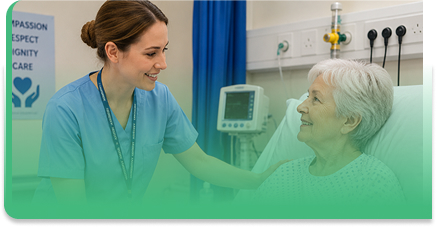
How Can a Level 3 Diploma in Health and Social Care Help?
A Level 3 Diploma in Health and Social Care can help learners build a stronger understanding of health and social care and develop knowledge that may support their career or further studies. It can be a useful next step for people who have completed basic care training or want to learn more about supporting individuals.
The exact subjects included can vary depending on the course and awarding organisation. However, a Health and Social Care Level 3 qualification may cover important areas such as:
- Person-centred care and support
- Safeguarding and protecting vulnerable people
- Equality, diversity and inclusion
- Effective communication
- Health and safety
- Mental health and wellbeing
- Dementia awareness
- Duty of care
- Supporting individuals with different needs
- Promoting health and wellbeing
Studying these topics can help learners understand the responsibilities of care workers and the importance of providing safe, respectful and person-centred support. It can also help learners develop useful skills for working with individuals, families and other professionals.
A Level 3 qualification may be suitable for people interested in roles across Adult Social Care, support work and other care-related settings. However, it is important to check the course content, asse
What Skills Does a Good Care Worker Need?
Understanding the Health and Social Care Standards is an important part of working in care. However, being a good care worker also requires the right attitude, behaviour and personal skills. Care workers support people with different needs, so they need to be caring, respectful and willing to help.
Some important care worker skills include:
Communication
Good communication is essential in health and social care. Care workers should listen carefully, speak clearly and make sure people understand what is being said. They should also give people enough time to express their needs and choices.
Patience
Some people may need more time to communicate, move around or complete everyday tasks. A patient care worker gives people the time and support they need without making them feel rushed.
Respect
Every person should be treated with dignity and respect. Care workers should respect people’s choices, beliefs, culture, privacy and personal preferences.
Empathy
Empathy means trying to understand how another person may feel. It can help care workers provide more compassionate and person-centred care.
Reliability
People receiving care need to feel safe and know they can depend on their care workers. Being punctual, responsible and consistent helps build trust.
Teamwork
Care workers often work with nurses, doctors, social workers, support workers, families and other professionals. Good teamwork helps make sure people receive safe and suitable care.
Willingness to Learn
Health and social care is always developing. Care workers should be willing to attend training, learn new skills and keep their knowledge up to date. Continuous health and social care training can support professional development and improve the quality of care provided.

Health and Social Care Standards and the CQC
The Care Quality Commission (CQC) is the independent regulator of health and social care services in England. It checks whether registered care providers meet the required standards and provide safe, effective and respectful care.
The CQC’s rules cover important areas of care, including person-centred care, dignity and respect, consent, safeguarding, safe care and treatment, and good governance. These requirements help make sure that people receive care that meets their needs and protects their rights.
Care workers have an important role in supporting these standards in their everyday work. They can help provide good-quality care by:
- Treating every person with dignity and respect
- Listening to people's needs, wishes and choices
- Following care and support plans
- Reporting safeguarding concerns promptly
- Following infection prevention and control procedures
- Keeping clear, accurate and up-to-date records
- Reporting accidents, incidents and concerns
- Following workplace health and safety procedures
- Supporting people's independence and choice
- Working effectively with colleagues and other professionals
Following Health and Social Care Standards helps care workers understand their responsibilities and provide safer, more respectful and person-centred support.
By following workplace policies and CQC requirements, care workers can help create a safe environment where people feel valued, respected and supported.

Why Should Care Workers Keep Their Knowledge Updated?
Health and social care is a changing field, so learning should continue throughout a care worker’s career. New guidance, workplace policies, training requirements and Health and Social Care Standards may change over time. Keeping knowledge up to date helps care workers understand their responsibilities and provide safe, respectful and person-centred care.
The 2025 Care Certificate update is a good example of why ongoing learning is important. The Care Certificate was updated from 15 to 16 standards, with a new standard covering awareness of learning disability and autism. This update reflects the need for care workers to have a wider understanding of the people they support.
Care workers can keep their knowledge current by:
- Attending required training and refresher courses
- Taking part in supervision and workplace discussions
- Reading updates from their employer
- Following the latest workplace policies and procedures
- Asking questions when they are unsure about something
- Reflecting on their work and learning from experience
- Keeping up with changes in health and social care guidance
Regular health and social care training can help workers develop their skills and confidence. Most importantly, continued learning can support safer working practices and help care workers provide better support to the people in their care.
Final Thoughts
Understanding Health and Social Care Standards is an important part of working safely and respectfully in care.
From person-centred care and communication to safeguarding, infection prevention, health and safety, privacy and dignity, the standards cover many areas that care workers deal with every day.
For someone starting a career in Adult Social Care, completing relevant Healthcare Assistant Training, studying Health and Social Care Level 3, or working towards a Level 3 Diploma in Health and Social Care, learning these core principles can provide a strong foundation.
Most importantly, good care is about seeing the person behind the care needs. Every individual has their own choices, values, needs and rights. Following the right standards helps care workers respect these differences while providing safe and appropriate support.

- All Courses
 Personal Development (1283)
 Career Bundle (479)
 Management & Administration (460)
 Employability (439)
 Health & Social Care (411)
 Health and Safety (382)
 Business (320)
 Teaching & Education (268)
 IT & Software (263)
 Health and Fitness (238)
 QLS Endorsed Courses (219)
 Mental Health & Counselling (168)
 Science & Technology (153)
 Accounting & Finance (144)
 Sales & Marketing (128)
 Construction & Engineering (126)
 Art & Design (125)
 Compliance & Law (112)
 Language (86)
 Photography & Lifestyle (58)
 Animal Care (57)
 Food Safety & Hygine (53)
 Diet & Nutrition (49)
 Sports & Fitness (47)
 Makeup & Beauty (43)
 First Aid (39)
 Agriculture (2)
0 responses on "Health and Social Care Standards: What Every Care Worker Should Know"