



What Is Health and Social Care?
Health and social care refers to the combined services that support individuals in maintaining physical health, emotional wellbeing, and independence. In the UK, this sector is delivered through a mix of public institutions (primarily the NHS), private providers, local authorities, and voluntary organisations. It plays a vital role in improving quality of life—especially for vulnerable groups such as older adults, people with disabilities, and those with long-term conditions.
What Is Healthcare?
Health care refers specifically to the diagnosis, treatment, and prevention of illness, injury, and disease. It includes services provided by medical professionals such as doctors, nurses, and specialists in clinical settings like hospitals, GP surgeries, and clinics. The UK’s National Health Service (NHS) is the primary provider of publicly funded healthcare, offering free-at-the-point-of-use services to residents. Alongside the NHS, private healthcare providers offer additional options, often funded through insurance or out-of-pocket payments.
Key components of healthcare include:
- Primary Care: First point of contact (e.g. GPs, dentists, opticians).
- Secondary Care: Specialist services (e.g. hospital treatment, surgery).
- Tertiary Care: Highly specialised care (e.g. cancer treatment centres).
- Preventive Care: Vaccinations, screenings, and health education.
What Is Social Care?
Social care focuses on supporting individuals with daily living activities, promoting independence, and enhancing quality of life—especially for those with physical disabilities, learning difficulties, mental health conditions, or age-related needs. Unlike healthcare, social care is often means-tested and may involve personal contributions depending on income and assets.
Social care services are typically provided by:
- Local Authorities: Responsible for assessing needs and arranging care.
- Care Agencies and Residential Homes: Delivering personal and domiciliary care.
- Voluntary Sector Organisations: Offering community support and advocacy.



Why Health and Social Care Matters in the UK

Enhancing Lives, Every Day
Health and social care services are not just systems—they’re lifelines. From a GP diagnosing early-stage diabetes to a care assistant helping someone dress with dignity, these services touch lives in deeply personal ways. They ensure that individuals receive the right support at the right time, whether it’s medical treatment, emotional reassurance, or help with daily tasks.
This sector empowers people to live independently, recover from illness, and maintain a good quality of life. It’s about more than just care—it’s about compassion, continuity, and community.
Building Healthier, Fairer Communities
In the UK, health and social care play a vital role in reducing health disparities. Services are designed to be inclusive and accessible, helping bridge gaps caused by poverty, disability, language barriers, or cultural differences. Public health initiatives—like vaccination drives, mental health campaigns, and smoking cessation programmes—promote healthier lifestyles and prevent long-term conditions.
By supporting those most at risk, the system helps create a fairer society where wellbeing isn’t a privilege, but a right.
Safeguarding the Vulnerable
One of the most critical functions of health and social care is protection. Vulnerable groups—such as children, older adults, and people with disabilities—often rely on these services to stay safe and supported. Safeguarding teams, social workers, and healthcare professionals work together to identify risks, intervene early, and uphold the dignity and rights of those in need.
Whether it’s preventing abuse, managing chronic illness, or supporting mental health recovery, these services are essential to public safety and social justice.
Differences Between Healthcare and Social Care

Focus and Objectives
Healthcare and social care serve distinct yet complementary purposes.
- Healthcare is primarily concerned with diagnosing, treating, and preventing illness or injury. It’s delivered by medically trained professionals in clinical settings and focuses on restoring or maintaining physical and mental health.
- Social care, on the other hand, supports individuals with everyday tasks, promotes independence, and enhances overall wellbeing. It’s not about curing illness but helping people live safely and comfortably—especially those with long-term conditions, disabilities, or age-related needs.
Understanding this distinction is essential for accessing the right services and pursuing careers in either field.
Service Delivery Models
The way services are delivered also differs significantly:
- Healthcare is typically provided in hospitals, GP surgeries, clinics, and other clinical environments. It’s funded primarily through the NHS and is free at the point of use for UK residents.
- Social care is delivered in homes, residential care facilities, and community settings. It’s often means-tested, meaning individuals may need to contribute financially based on their income and assets.
Eligibility criteria, funding structures, and regulatory oversight vary between the two sectors, which can affect how and when people receive support.
Workforce Roles
The professionals working in each sector have different qualifications, responsibilities, and scopes of practice:
- Healthcare professionals include doctors, nurses, paramedics, and therapists. They undergo extensive clinical training and are regulated by bodies such as the GMC and NMC.
- Social Care Workers include care assistants, support workers, and social workers. Their focus is on personal care, emotional support, and helping individuals navigate daily life. They are often regulated by organisations like the CQC and Social Work England.
Both groups play vital roles in safeguarding public health and wellbeing, but their approaches and expertise differ.
Relationship Between Health and Social Care
How They Work Together
Health and social care services in the UK are increasingly designed to operate in tandem, especially when supporting individuals with complex needs. While healthcare focuses on diagnosing and treating medical conditions, social care ensures that individuals can manage daily life with dignity and independence. Together, they provide a holistic approach to wellbeing.
For example, a patient recovering from surgery may receive hospital-based medical care followed by home-based support from a care assistant. This seamless transition between services is essential for avoiding hospital readmissions and promoting long-term recovery.
Integrated Care Systems (ICS)
Integrated Care Systems (ICS) are collaborative partnerships between NHS organisations, local authorities, and voluntary sector providers. Their goal is to deliver joined-up care that improves outcomes and reduces fragmentation. ICSs focus on population health, prevention, and personalised support—especially for those with long-term conditions or multiple care needs.
Key features of Integrated Care Systems (ICS) include:

ICSs are now central to the UK’s health and care strategy, aiming to make services more efficient, equitable, and responsive.
Real-Life Examples
- Hospital Discharge Planning: When a patient is ready to leave hospital, social care teams assess their home environment, arrange mobility aids, and coordinate follow-up support.
- Community Rehabilitation Teams: These multidisciplinary teams include physiotherapists, occupational therapists, and social workers who help individuals regain independence after illness or injury.
- Mental Health Support: Joint working between GPs, mental health nurses, and social care staff ensures that individuals receive both clinical treatment and practical support.
Roles and Responsibilities in Health and Social Care

Who Provides Care?
Health and social care services rely on a diverse workforce, each playing a vital role in supporting individuals and communities.
- Healthcare Professionals include doctors, nurses, paramedics, and therapists. They diagnose, treat, and manage medical conditions across primary, secondary, and specialist care settings.
- Social Care Professionals include care assistants, support workers, and social workers. They help individuals with daily living tasks, emotional wellbeing, and maintaining independence.
- Multidisciplinary Teams often combine both sectors to deliver holistic, person-centred care—especially for those with complex needs.
Support Across Life Stages
Care is provided at every stage of life, tailored to the unique needs of each group:
- Assisting with washing, dressing, and eating.
- Administering medication and monitoring health.
- Providing emotional support and companionship.
- Coordinating appointments and liaising with other services.
- Ensuring safety and wellbeing in the home or care setting.
These responsibilities require empathy, patience, and strong communication skills, as well as knowledge of safeguarding and risk management.
Impact on Public Wellbeing
The health and social care workforce plays a crucial role in improving public health outcomes:
- Reducing hospital admissions by supporting people at home.
- Promoting healthier lifestyles through education and early intervention.
- Enhancing quality of life for vulnerable individuals.
- Building trust between communities and care providers.
Their work not only supports individuals but strengthens the fabric of society.
Core Principles of Health and Social Care
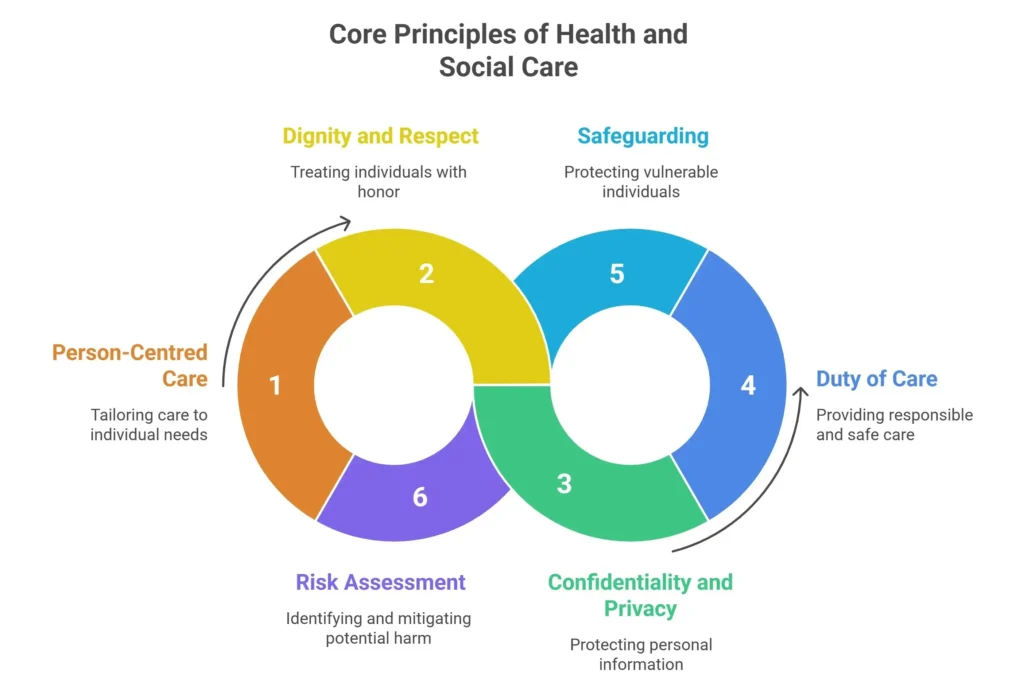
Person-Centred Care
At the heart of UK health and social care is the principle of person-centred care. This means tailoring support to the unique needs, preferences, and values of each individual. Rather than offering a one-size-fits-all approach, professionals work collaboratively with service users to co-design care plans that reflect their goals and lifestyle. It empowers individuals to make informed choices and take an active role in their own wellbeing.
Dignity and Respect
Every person deserves to be treated with dignity, regardless of age, ability, background, or circumstance. This principle ensures that care is delivered with compassion, sensitivity, and professionalism. Whether assisting with personal hygiene or discussing treatment options, carers must uphold respect in every interaction. It’s not just ethical—it’s essential for building trust and safeguarding mental health.
Confidentiality and Privacy
Protecting sensitive information is a legal and moral obligation in health and social care. Professionals must handle personal data with discretion, following GDPR and sector-specific guidelines. This includes secure record-keeping, respectful communication, and ensuring privacy during care activities. Confidentiality builds trust and protects individuals from harm or discrimination.
Duty of Care
Duty of care refers to the legal responsibility of professionals to act in the best interests of those they serve. It involves anticipating risks, preventing harm, and responding appropriately to concerns. Whether it’s administering medication correctly or reporting signs of abuse, duty of care is a cornerstone of safe and ethical practice.
Safeguarding
Safeguarding means protecting individuals—especially vulnerable groups—from abuse, neglect, exploitation, and harm. It includes recognising warning signs, reporting concerns, and taking action to ensure safety. All staff must be trained in safeguarding procedures and understand their role in promoting a secure environment.
Risk Assessment
Risk assessment is the process of identifying potential hazards and implementing measures to reduce or eliminate them. In care settings, this might involve assessing mobility risks, medication side effects, or environmental dangers. A thorough risk assessment helps prevent accidents and ensures that care is both safe and effective.

Legislation in Health and Social Care
Key Laws and Regulations
Health and social care in the UK is governed by a robust legal framework designed to protect individuals, ensure quality standards, and promote ethical practice. Understanding these laws is essential for professionals, carers, and service users alike.
- Care Act 2014: This is the cornerstone of adult social care legislation in England. It outlines the responsibilities of local authorities, emphasises person-centred care, and introduces the concept of wellbeing as a guiding principle. It also sets out rules for safeguarding, eligibility assessments, and carers’ rights.
- Health and Social Care Act 2012: This act restructured the NHS in England, giving more control to clinical commissioning groups and promoting patient choice. It also introduced Health watch England to represent the views of service users.
- Equality Act 2010: A vital piece of legislation that protects individuals from discrimination based on age, disability, race, religion, gender, sexual orientation, and other protected characteristics. It ensures that care is delivered fairly and inclusively.
These laws form the foundation of ethical, safe, and effective care delivery across the UK.
Why Legislation Matters
Legislation ensures that health and social care services are accountable, transparent, and consistent. It protects the rights of service users and sets clear expectations for providers. Without legal standards, care could vary widely in quality, safety, and accessibility.
For professionals, understanding the law is not optional—it’s a duty. It guides decision-making, protects against liability, and ensures that care is delivered with respect and integrity.
Regulatory Bodies
Several organisations oversee the implementation of legislation and monitor service quality:
- Care Quality Commission (CQC): Regulates health and social care services in England, ensuring they meet fundamental standards of safety and effectiveness.
- National Institute for Health and Care Excellence (NICE): Provides evidence-based guidelines and quality standards for clinical and social care practices.
- General Medical Council (GMC): Regulates doctors, ensuring they maintain professional standards.
- Nursing and Midwifery Council (NMC): Oversees nurses and midwives, promoting safe and ethical practice.
These bodies play a critical role in maintaining public trust and driving continuous improvement across the sector.
Values and Ethics in Health and Social Care
Equality and Diversity
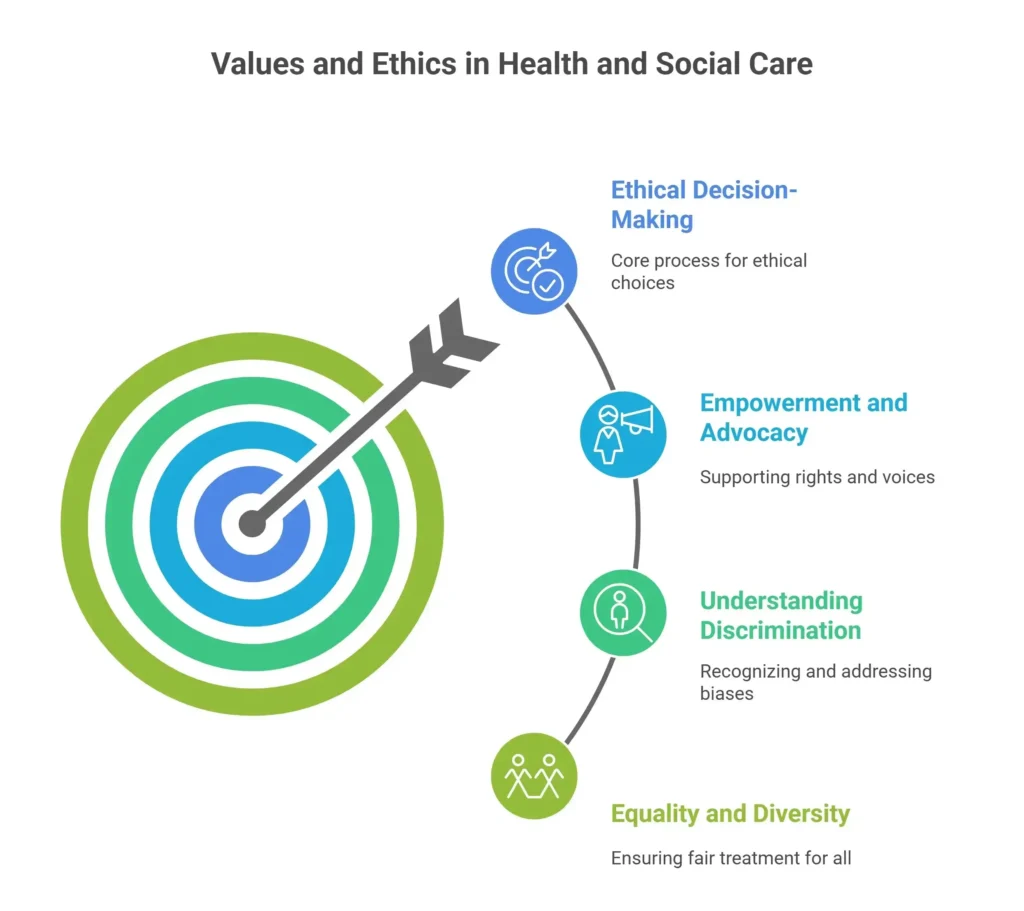
Health and social care services in the UK are built on the principle of fairness. Every individual—regardless of age, ethnicity, gender, religion, disability, or background—has the right to receive respectful and inclusive care. Promoting equality means removing barriers to access and ensuring that services are culturally sensitive and responsive to diverse needs. Diversity enriches care environments, allowing professionals to better understand and support the communities they serve.
Understanding Discrimination
Discrimination can take many forms—direct, indirect, institutional—and it can severely impact the quality of care. Health and social care professionals must be trained to recognise and challenge discriminatory behaviour, whether it’s based on race, disability, sexual orientation, or socioeconomic status. Creating a safe and inclusive environment is not just ethical—it’s a legal requirement under the Equality Act 2010.
Empowerment and Advocacy
Empowerment means giving individuals control over their own care decisions. This includes respecting their choices, listening to their concerns, and involving them in planning and delivery. Advocacy goes a step further—supporting individuals to express their views, access services, and protect their rights. Professionals may act as advocates themselves or work with advocacy organisations to ensure that service users are heard and respected.
Ethical Decision-Making
Health and social care often involves complex decisions—balancing risks, respecting autonomy, and prioritising safety. Ethical decision-making requires professionals to consider legal frameworks, organisational policies, and personal values. Whether it’s deciding on end of life care or reporting a safeguarding concern, practitioners must act with integrity, compassion, and accountability.
Communication in Health and Social Care

Why Communication Is Vital
Effective communication is the foundation of safe, compassionate, and person-centred care. In health and social care settings, professionals must communicate clearly with service users, families, and colleagues to ensure that needs are understood and met. Good communication builds trust, reduces anxiety, and improves outcomes—especially when dealing with sensitive issues like illness, disability, or end of life care.
Whether it’s explaining a diagnosis, listening to a concern, or coordinating a care plan, communication must be respectful, accurate, and tailored to the individual.
Types of Communication
Professionals use a range of communication methods depending on the context and the needs of the service user:
- Verbal Communication: Spoken interactions, including tone, clarity, and active listening.
- Non-verbal Communication: , Body language, facial expressions, gestures, and eye contact.
- Written Communication: Care records, reports, emails, and consent forms.
- Digital Communication: Video calls, electronic health records, and assistive technologies.
Each type plays a role in delivering effective care and maintaining professional standards.
Barriers to Effective Communication
Several factors can hinder communication in care settings:
- Language Differences: Especially relevant in multicultural communities, such as Bengali-speaking populations in the UK.
- Cognitive Impairments: Dementia, learning disabilities, or mental health conditions.
- Cultural Misunderstandings: Different beliefs, customs, or expectations.
- Environmental Factors: Noise, lack of privacy, or poor lighting.
Recognising and addressing these barriers is essential for inclusive and equitable care.
Strategies to Improve Communication
Health and social care professionals use various strategies to enhance communication:
- Active Listening: Giving full attention, showing empathy, and responding appropriately.
- Use of Interpreters or Translation Tools: Ensuring understanding across languages.
- Visual Aids and Simplified Language: Supporting those with literacy or cognitive challenges.
- Training and Reflection: Regular professional development to improve communication skills.
These strategies help ensure that every individual feels heard, respected, and supported.
Examples of Health and Social Care Services-
Healthcare Services
Healthcare services in the UK are primarily delivered through the National Health Service (NHS), alongside private providers. These services focus on diagnosing, treating, and preventing illness and injury.
Common examples include:
- Hospitals: Provide specialist care, emergency treatment, surgery, and inpatient services.
- GP Surgeries: Offer primary care, health checks, prescriptions, and referrals to specialists.
- Walk-In Clinics: Deliver urgent care for minor injuries and illnesses without appointments.
- Mental Health Services: Support individuals with conditions like depression, anxiety, and schizophrenia through counselling, medication, and crisis intervention.
These services are typically free at the point of use for UK residents and regulated to ensure safety and quality.
Social Care Services
Social care services support individuals with daily living tasks, independence, and wellbeing. They are often provided by local authorities, care agencies, and voluntary organisations.
Examples include:
- Home Care: Personal care delivered in the individual’s home, such as washing, dressing, and meal preparation.
- Residential Care Homes: Accommodation and 24-hour support for those unable to live independently.
- Day Centres: Community-based facilities offering social activities, meals, and therapeutic support.
- Support for Carers: Services that help unpaid carers manage their responsibilities and access respite care.
Unlike healthcare, social care is often means-tested, meaning individuals may need to contribute financially based on their income and assets.
Integrated Care Examples
Integrated care brings together health and social care professionals to deliver coordinated support, especially for people with complex needs.
Examples include:
- Multidisciplinary Teams (MDTs): Groups of doctors, nurses, social workers, and therapists working together to create unified care plans.
- Community Health Hubs: Local centres offering combined services such as physiotherapy, mental health support, and social care assessments.
- Hospital Discharge Teams: Ensure safe transitions from hospital to home, arranging follow-up care and equipment.
These models improve outcomes, reduce duplication, and make services more person-centred.
Voluntary and Informal Care
Beyond formal services, many individuals receive support from family, friends, and community organisations.
Examples include:
- Charities: Organisations like Age UK and Mind offer advice, advocacy, and practical support.
- Family Carers: Unpaid relatives who provide daily care and emotional support.
- Peer Support Groups: Networks of individuals with shared experiences offering mutual encouragement and guidance.
Voluntary and informal care plays a vital role in filling gaps and enhancing wellbeing, especially in underserved communities.
Conclusion
Health and social care are essential to individual wellbeing and community resilience. Understanding how these services work—who provides them, the principles they follow, and the laws that govern them—empowers us all to access support, advocate for others, and contribute to a fairer, healthier society. Whether you’re exploring a career or simply seeking knowledge, this sector touches every life.

- All Courses
 Personal Development (1283)
 Career Bundle (479)
 Management & Administration (460)
 Employability (439)
 Health & Social Care (411)
 Health and Safety (382)
 Business (320)
 Teaching & Education (268)
 IT & Software (263)
 Health and Fitness (238)
 QLS Endorsed Courses (219)
 Mental Health & Counselling (168)
 Science & Technology (153)
 Accounting & Finance (144)
 Sales & Marketing (128)
 Construction & Engineering (126)
 Art & Design (125)
 Compliance & Law (112)
 Language (86)
 Photography & Lifestyle (58)
 Animal Care (57)
 Food Safety & Hygine (53)
 Diet & Nutrition (49)
 Sports & Fitness (47)
 Makeup & Beauty (43)
 First Aid (39)
 Agriculture (2)
0 responses on "What is Health and Social Care? Everything You Need to Know."