



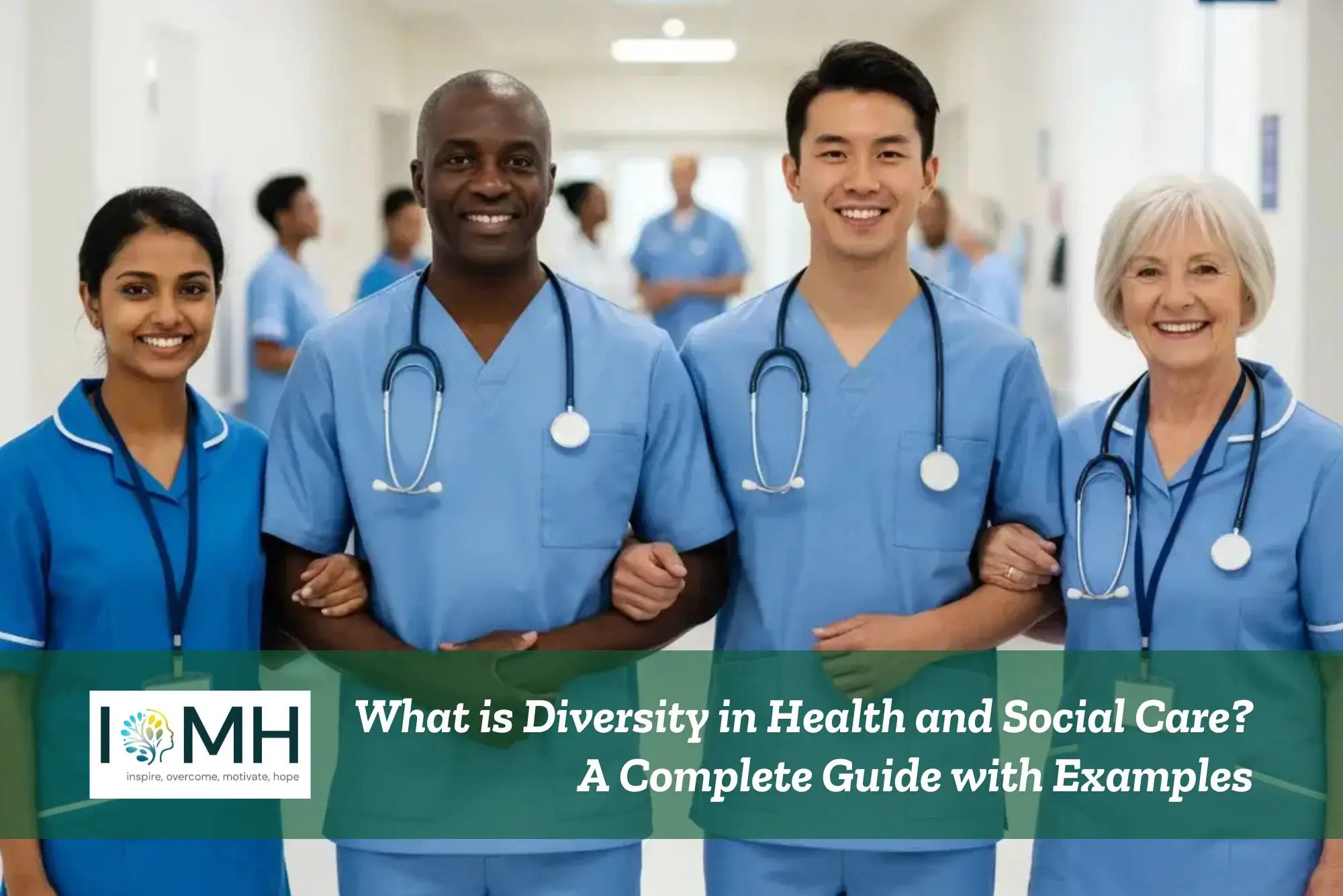
When we talk about diversity in health and social care, we are talking about recognising, respecting, and valuing people’s differences. In simple words, diversity means understanding that every individual is unique, and care should be adapted to meet their specific needs.
The NHS (National Health Service) plays a central role in setting standards for diversity and inclusion. The NHS itself defines diversity and equality as ensuring that everyone has access to high-quality care, regardless of race, gender, religion, age, disability, or sexual orientation.
The Care Quality Commission (CQC), which regulates health and social care services in England, also requires providers to show that they meet standards on Equality & Diversity. This means care homes, hospitals, and domiciliary care services must treat people fairly and without discrimination.
- As Dr. Jane Smith, a leading expert in domiciliary care, explains: “Cultural competence is not just a buzzword; it’s a necessity. When care professionals are culturally sensitive, they can establish trust and rapport with their clients, leading to improved health outcomes.”
This blog will explain what diversity means in practice, why it is so important in healthcare, what challenges exist, and how professionals can promote inclusion in all settings.
Defining Diversity in Health and Social Care
So, how do we define diversity in health and social care? Diversity means acknowledging and respecting differences between individuals. These differences may include:
- Age – children, adults, and older people have different care needs.
- Gender and sexual orientation – recognising that men and women may have different health and care needs.
- Ethnicity and culture – understanding different traditions, diets, and cultural practices.
- Religion and beliefs – accommodating prayer times, fasting, or specific spiritual needs.
- Disability – making sure care is accessible to people with physical or learning disabilities.
For example, a care worker supporting an elderly Muslim patient in domiciliary care may need to provide food that respects halal dietary laws. Another example could be ensuring a deaf patient in an NHS hospital has access to a British Sign Language (BSL) interpreter. Both cases highlight the importance of effective communication skills in health and social care, as miscommunication can lead to distress or poor-quality care.
When you study a Level 3 Diploma in Health and Social Care or take a Health and Social Care Course, you’ll learn how to put these principles into practice through real-life examples of diversity in health and social care.
Level 3 Diploma in Health and Social Care
The Importance of Diversity in Health and Social Care
Diversity is not just about being “politically correct” — it’s about delivering safe, high-quality care. Embracing diversity in health and social care has many benefits:
- Better patient-centred care: When care staff understand cultural and personal needs, patients feel respected and valued.
- Improved communication: Recognising language barriers and adapting communication methods builds trust.
- Fair treatment: Ensures equal access to services, no matter the background.
- Workplace harmony: Diverse healthcare teams bring fresh perspectives, creativity, and stronger teamwork.
For example, evidence shows clear differences in care for women from ethnic minorities. One review from the NHS Race & Health Observatory, titled Ethnic Inequalities in Healthcare, states:
- “Ethnic inequalities in access to, experiences of, and outcomes of healthcare are longstanding problems in the NHS.”
This shows why it’s vital for all health and social care professionals — whether working in the NHS, Adult Social Care, or domiciliary care — to understand and respect diversity. Strong communication skills in health and social care are also essential to bridge cultural gaps and ensure every patient feels heard.
How Diversity in Health and Social Care Improves Patient Outcomes
Diversity in health and social care has a powerful influence on the quality of services and the results patients experience. When professionals respect differences in culture, language, religion, age, and personal background, people feel valued, safe, and supported. This is especially important in domiciliary care, where patients depend on carers every day in their own homes.
Recognising and valuing diversity makes care more personal and effective. For example, a carer who provides meals that follow cultural or religious dietary needs, or who adapts to a patient’s preferred way of communicating, creates stronger trust. When patients feel respected in this way, they are more likely to follow treatment plans and take an active role in improving their health.
Healthcare teams that reflect a range of backgrounds also bring fresh perspectives and problem-solving skills. This variety leads to more creative solutions, fairer services, and better overall care. Evidence from the NHS shows that patients who feel listened to and understood have higher recovery rates and remain more engaged in their treatment.
Strong communication skills in health and social care are central to achieving these outcomes. Staff who apply effective communication skills in health and social care can explain treatments clearly, overcome language barriers, and ensure that patients feel heard. Good communication reduces mistakes, improves safety, and gives patients confidence in their care.
In summary, embracing diversity is not just about meeting legal requirements or promoting fairness. It is about achieving real improvements in patient outcomes, building happier and more motivated care teams, and creating healthier communities across the NHS, Adult Social Care, and domiciliary services.
Equality and Diversity in Health and Social Care
Although the terms are often used together, equality and diversity are not the same thing.
- Equality means treating everyone fairly and giving them the same opportunities. For example, making sure a disabled person can access the same healthcare services as everyone else.
- Diversity means recognising differences and adapting care to meet specific needs.
Together, they prevent discrimination. This is why training in Equality, Diversity and Discrimination is now a standard requirement for NHS staff and care workers.
Equality and Diversity Legislation, such as the Equality Act 2010, sets out clear laws that protect individuals from unfair treatment in health and social care.
The Role of Cultural Competence in Healthcare
Cultural competence means understanding and respecting people’s values, traditions, and beliefs when providing care. In health and social care, it helps professionals adapt their approach so that every patient feels comfortable and understood. For example, being aware of different dietary needs, prayer times, or communication preferences can make a huge difference to the quality of care.
The NHS highlights cultural competence as a vital part of equality and diversity in health and social care, ensuring that no patient feels ignored because of their background. When care workers are culturally aware, they can build trust and avoid misunderstandings that may affect treatment.
Cultural competence also benefits the workforce. Diverse teams learn from one another, which leads to better teamwork and innovation. By promoting inclusive care practices, care organisations meet CQC standards and deliver safer, more person-centred services.
Challenges and Barriers to Diversity in Health and Social Care
While the importance of diversity is widely recognised, many challenges still exist in real-life practice:
- Language barriers – patients who don’t speak English may struggle to explain their symptoms.
- Cultural misunderstandings – different traditions may cause confusion if not respected.
- Unconscious bias – staff may treat patients differently without realising it.
- Access issues – people from disadvantaged backgrounds may find it harder to get healthcare.
For example, in domiciliary care, a care worker may face difficulties when supporting a patient who speaks little English. If the worker is not trained in cultural awareness or doesn’t have access to translation services, care quality may suffer.
Addressing these challenges is key to building fair and inclusive services in both NHS hospitals and Adult Care settings.
Strategies for Addressing Diversity in Domiciliary Care
Domiciliary care — providing support in a person’s own home — often requires an especially strong focus on diversity. Strategies include:

For instance, a domiciliary care worker supporting an elderly Asian woman may need to respect cultural traditions such as modesty in personal care or dietary restrictions.
By embedding Equality and Diversity into daily practice, care professionals create safer, more compassionate services.
How to Promote Diversity in Health and Social Care
Promoting diversity is not a one-time effort — it requires ongoing commitment. Here are some practical ways organisations can achieve it:
- Training and education: Staff should take part in regular Health and Social Care Courses covering equality and diversity.
- Inclusive recruitment: Ensuring hiring processes attract candidates from different backgrounds.
- Patient involvement: Encouraging service users to share their feedback and cultural needs.
- Celebrating diversity: Encouraging service users to share their feedback and cultural needs.
For example, some NHS trusts hold diversity weeks, where staff and patients share food, traditions, and experiences from different cultures. This not only educates staff but also creates a sense of community.
Legal Frameworks and Policies in the UK
The UK has strong laws and frameworks that guide how diversity must be respected in health and social care. Key frameworks include:
- The Equality Act 2010 – protects against discrimination on the basis of age, race, gender, religion, disability, or sexuality.
- CQC regulations – care providers must prove they meet standards for Equality and Diversity.
- NHS People Plan – a policy that sets out how the NHS will support staff from diverse backgrounds.
These frameworks are essential for ensuring fairness across all areas of health and social care, from Nursing Assistants in care homes to senior NHS staff.
Promoting Inclusion in Health and Social Care
Inclusion goes a step beyond diversity. While diversity is about recognising differences, inclusion is about making sure everyone feels welcomed, supported, and valued.
Practical examples of inclusion include:
- Providing easy-read leaflets for people with learning disabilities.
- Ensuring accessible facilities for wheelchair users in Adult Care services.
- Offering translation and interpretation services for patients who do not speak English fluently.
- Using British Sign Language (BSL) interpreters for patients with hearing impairments.
- Supporting older adults with tailored activities that respect generational and cultural values.
Inclusion ensures that people are not just tolerated, but fully embraced and supported in every aspect of care, leading to improved patient satisfaction and better health outcomes.
Role of Training and Education

Education is one of the strongest tools for promoting diversity. Many care professionals start their journey with a Level 3 Diploma in Health and Social Care or by completing a Health and Social Care Course.
These qualifications teach essential skills in communication, equality, and cultural awareness. They also prepare staff to handle real-world challenges in NHS hospitals, Adult Care, or domiciliary care.
Continuous Professional Development (CPD) is also vital. As healthcare changes, professionals must stay up to date with new laws, diversity practices, and CQC requirements.
Case Studies and Real-Life Examples
Let’s look at some examples of diversity in health and social care:
- Example 1: An NHS hospital ensures maternity care is adapted for women from ethnic minority groups, providing translation services and cultural sensitivity training.
- Example 2: A care home celebrates Diwali and Christmas, encouraging staff and residents to take part in activities that respect cultural traditions.
- Example 3: A domiciliary care agency recruits staff from different cultural backgrounds, so clients feel more comfortable with carers who share their language or culture.
These real-life examples show how small changes can make a big difference.
The Role of Leadership in Driving Diversity
Managers and leaders play a crucial role in promoting equality and diversity in health and social care. Strong leadership sets the tone for the entire organisation, ensuring that policies and practices reflect fairness, respect, and inclusion.
Effective leadership means:
- Creating clear policies that align with the Equality Act 2010 and meet CQC standards.
- Encouraging staff to confidently report any discrimination, bias, or unfair treatment.
- Leading by example — consistently showing respect for diversity in daily practice.
When leaders actively champion inclusion, staff are more motivated, teamwork improves, and service users receive safer, more personalised care. Leadership is not only about compliance but also about building a culture where equality and diversity are embedded into every aspect of health and social care delivery.
Benefits of Embracing Diversity in Health and Social Care
The benefits of promoting diversity in health and social care are clear and far-reaching, both for patients and professionals:
- Better patient outcomes – Care is more effective when it is tailored to individual needs, improving recovery and overall wellbeing.
- Higher patient satisfaction – People feel respected, valued, and understood when services recognise their unique circumstances.
- Stronger staff teams – A diverse workforce brings fresh perspectives, creativity, and improved collaboration across care settings.
- Improved compliance – Meeting Equality and Diversity Legislation not only protects patients but also helps organisations achieve positive CQC ratings.
Ultimately, embracing diversity strengthens every part of the UK healthcare system — from Nursing Assistants in Adult Care to consultants working within the NHS. It creates fairer services, more motivated staff, and healthier communities.

Conclusion
So, what is diversity in health and social care? It is about respecting and valuing differences so that every person, whether receiving or delivering care, feels included, respected, and safe.
From examples of diversity in health and social care in domiciliary services, to NHS policies guided by Equality and Diversity Legislation, the message is clear: diversity improves care quality and outcomes.
For anyone working in this field, from Nursing Assistants to managers in Adult Social Care, investing in learning is vital. Taking a Health and Social Care Course or a Level 3 Diploma in Health and Social Care will give you the skills needed to deliver inclusive and compassionate care.
By embracing Equality, Diversity and Discrimination awareness, professionals can ensure that health and social care in the UK truly serves everyone.
FAQs
Diversity in health and social care means understanding and respecting that every person is different. This includes differences in age, culture, religion, gender, language, ability, and background. In simple terms, it’s about treating everyone as an individual and making sure care meets their unique needs. When care staff value diversity, they create a more respectful and supportive environment for everyone.
Diversity is essential because it ensures that every person receives care that respects their individual needs and background. When healthcare professionals understand cultural, religious, and personal differences, they can provide safer and more personalised care.
Promoting diversity in health and social care also builds trust, reduces health inequalities, and improves communication between patients and carers. It leads to higher patient satisfaction and better health outcomes.
Equality and Diversity in Health and Social Care mean treating everyone fairly, with respect, and without discrimination.
- Equality ensures that all people have the same access to healthcare, support, and opportunities, no matter their age, gender, background, or abilities.
- Diversity means recognising and valuing people’s differences — such as their culture, religion, language, or personal preferences — and adapting care to meet those needs.
Together, equality and diversity help create safe, inclusive environments across the Health and Social Care NHS, Adult Social Care, and domiciliary care services. They also support the goals of the Equality and Diversity Legislation, like the Equality Act 2010, which protects individuals from unfair treatment and promotes compassionate, person-centred care.
Diversity directly impacts the quality of care and recovery rates. When healthcare professionals respect patients’ cultural, linguistic, and personal differences, patients feel understood and supported.
Studies within the Health and Social Care NHS show that people who experience inclusive care are more likely to follow treatment plans and recover faster. Embracing diversity in health and social care leads to better communication, trust, and satisfaction among patients.
Common challenges include language barriers, cultural misunderstandings, unconscious bias, and lack of training. For example, if a carer can’t communicate well with a patient, mistakes or confusion may occur. That’s why communication skills in health and social care and cultural awareness are essential for improving equality and patient safety.
Teams with diverse members share a range of ideas, experiences, and problem-solving methods. This leads to more creative solutions, better decision-making, and stronger teamwork — all of which improve patient care and satisfaction.
The 4 P’s — People, Purpose, Process, and Performance — help create inclusive and effective healthcare environments.
People: Encouraging respect and understanding among staff and patients helps build trust and stronger relationships.
Purpose: Having a clear mission for equality ensures that diversity is part of everyday care practice.
Process: Fair recruitment, staff training, and open communication make sure everyone is treated equally and has access to opportunities.
Performance: Regularly reviewing how well equality and diversity goals are met helps organisations improve care quality and teamwork.
By following the 4 P’s of diversity and inclusion, professionals in health and social care can create supportive workplaces, deliver fair treatment, and achieve better patient outcomes.
Inclusive practice means ensuring that everyone receives fair and respectful treatment. It involves removing barriers, adapting care to individual needs, and promoting open communication. Inclusive practice is a key part of diversity in health and social care and person-centred care.
Additional Resources:
Here are some online courses that can support your journey in Health and Social Care.

- All Courses
 Personal Development (1283)
 Career Bundle (479)
 Management & Administration (460)
 Employability (439)
 Health & Social Care (411)
 Health and Safety (382)
 Business (320)
 Teaching & Education (268)
 IT & Software (263)
 Health and Fitness (238)
 QLS Endorsed Courses (219)
 Mental Health & Counselling (168)
 Science & Technology (153)
 Accounting & Finance (144)
 Sales & Marketing (128)
 Construction & Engineering (126)
 Art & Design (125)
 Compliance & Law (112)
 Language (86)
 Photography & Lifestyle (58)
 Animal Care (57)
 Food Safety & Hygine (53)
 Diet & Nutrition (49)
 Sports & Fitness (47)
 Makeup & Beauty (43)
 First Aid (39)
 Agriculture (2)
0 responses on "What is Diversity in Health and Social Care? A Complete Guide with Examples"