




Introduction: Why Phlebotomy Is a Smart Career Move
If you’re considering a career change or looking to expand your role within healthcare, phlebotomy offers a fast, rewarding, and accessible path into clinical practice. As a phlebotomist, you become an essential part of the diagnostic process—collecting blood samples that help doctors detect, monitor, and treat medical conditions.
For career changers, phlebotomy is a gateway into the healthcare sector without the need for years of medical school. For existing healthcare professionals, it’s a valuable skill that enhances your versatility and opens doors to new roles, especially within hospitals, clinics, and NHS services.
Whether you’re drawn to patient care, fascinated by medical science, or simply seeking a stable and meaningful job, phlebotomy could be the perfect fit. In this guide, we’ll explore what a phlebotomist does, how to become one, and what kind of training and opportunities await you.


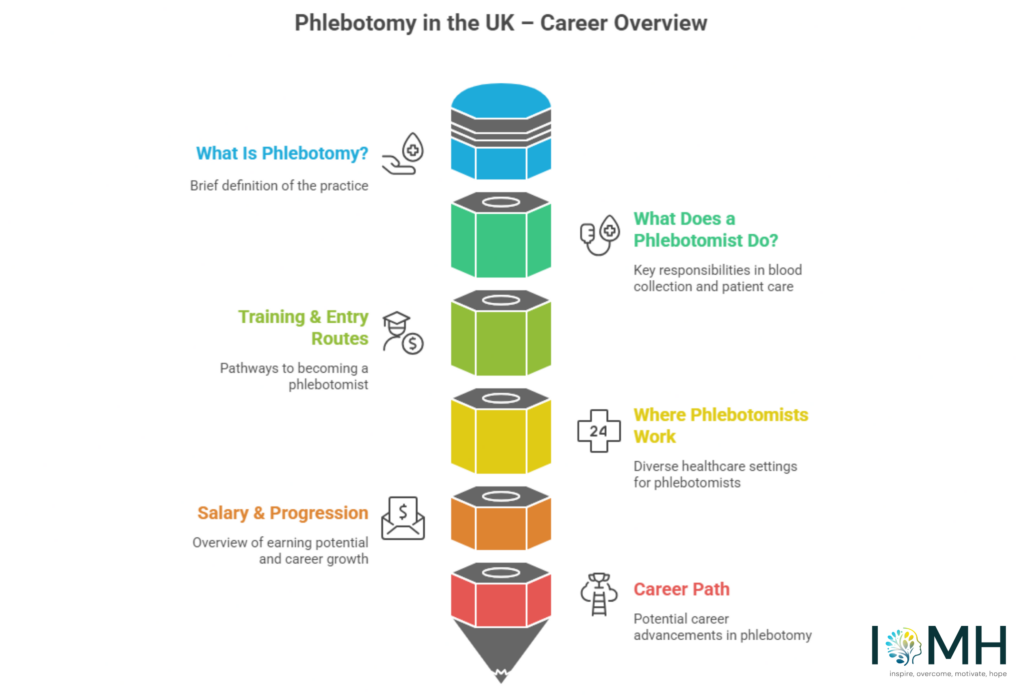
What Is a Phlebotomist?
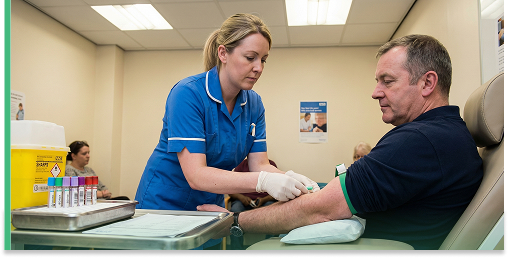
A phlebotomist is a trained medical professional who specializes in drawing blood from patients for various purposes, including diagnostic testing, transfusions, and donations. The term phlebotomy originates from the Greek words phleb- (vein) and -tomia (cutting), which together describe the process of accessing veins to collect blood.
Phlebotomists play a vital role in healthcare by ensuring that blood samples are collected safely, accurately, and hygienically. These samples are then used by laboratories and physicians to diagnose illnesses, monitor treatment progress, and assess overall health. While nurses and other healthcare workers may also be trained to draw blood, phlebotomy is the primary focus of a phlebotomist’s role.
They work in a variety of settings including hospitals, clinics, diagnostic labs, blood banks, and even mobile units. Their expertise ensures that patients—whether anxious, elderly, or infants—receive compassionate and professional care during the blood collection process.
Why Healthcare Professionals Are Well-Suited for Phlebotomy
If you’re already working in healthcare—as a nurse, medical assistant, caregiver, or technician—you’re in a prime position to transition into phlebotomy. Many of the core competencies required for phlebotomy are ones you’ve likely already mastered: patient communication, infection control, and clinical documentation.
Healthcare professionals bring a unique advantage to phlebotomy roles:
- Familiarity with medical environments: You already understand the pace, protocols, and expectations of clinical settings, which makes onboarding smoother and faster.
- Patient care experience: Your ability to calm nervous patients, explain procedures clearly, and handle sensitive situations is invaluable during blood draws.
- Understanding of anatomy and physiology: Your existing knowledge helps you locate veins efficiently and recognize complications early.
- Team collaboration: You’re used to working alongside doctors, nurses, and lab staff—phlebotomy fits seamlessly into that dynamic.
Adding phlebotomy to your skill set can open doors to specialized roles, increase your value to employers, and even lead to leadership or teaching opportunities within clinical training programs.
Why Career Changers Should Consider Phlebotomy
If you’re looking to pivot into a new profession that offers stability, purpose, and rapid entry, phlebotomy is a compelling choice. Unlike many healthcare roles that require years of education, phlebotomy training can be completed in a matter of weeks or months—making it ideal for those eager to start working quickly.
Here’s why phlebotomy is especially attractive for career changers:
- Quick training and certification: You don’t need a medical degree or prior healthcare experience. Many training programs are flexible and designed for adult learners.
- High demand and job security: With growing healthcare needs, phlebotomists are consistently in demand across hospitals, clinics, labs, and blood donation centres.
- Meaningful work: You’ll be directly involved in patient care and diagnostics, contributing to life-saving treatments and early detection of illnesses.
- Flexible career options: Whether you want full-time work, part-time hours, or travel-based roles, phlebotomy offers a variety of paths.
- Gateway to healthcare: For those considering a long-term career in medicine, phlebotomy can be a stepping stone to nursing, lab technology, or other clinical roles.
If you’re ready to leave behind a desk job, retail work, or any role that lacks fulfilment, phlebotomy offers a fresh start with real impact.
Day-to-Day Responsibilities of a Phlebotomist
Phlebotomists are the unsung heroes of diagnostic medicine. Their daily tasks go far beyond simply drawing blood—they ensure the entire process is smooth, safe, and accurate from start to finish.
Here’s what a typical day might include:
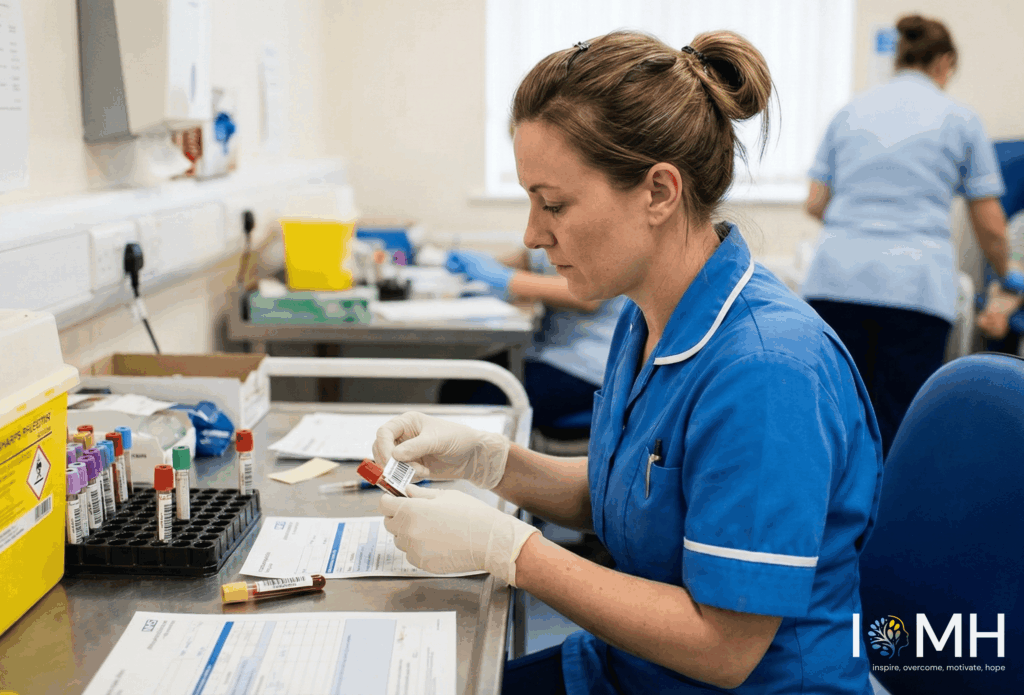
- Performing venipunctures and capillary draws: Using sterile techniques to collect blood from veins or fingertips, depending on the test required.
- Preparing and labelling samples: Ensuring each sample is correctly tagged and documented to avoid mix-ups or delays in diagnosis.
- Maintaining patient comfort and safety: Calming nervous patients, explaining procedures, and responding to adverse reactions like fainting or anxiety.
- Following strict hygiene protocols: Using gloves, disinfectants, and proper disposal methods to prevent contamination and infection.
- Collaborating with lab and clinical teams: Communicating with nurses, doctors, and lab technicians to ensure samples are processed efficiently.
- Managing equipment and supplies: Keeping track of needles, tubes, and other phlebotomy tools to ensure readiness and compliance.
Whether working in a busy hospital or a quiet clinic, phlebotomists must balance technical precision with compassionate care—making them essential to both patient experience and medical accuracy.
Phlebotomy Training and Certification
Getting started in phlebotomy doesn’t require years of schooling—but it does demand proper training and certification to ensure safety, accuracy, and professionalism. Whether you’re a healthcare worker looking to upskill or a career changer entering the field for the first time, phlebotomy training is designed to be accessible and practical.
What Does Phlebotomy Training Involve?
- Coursework: Anatomy and physiology, infection control, venipuncture techniques, patient interaction, and lab safety.
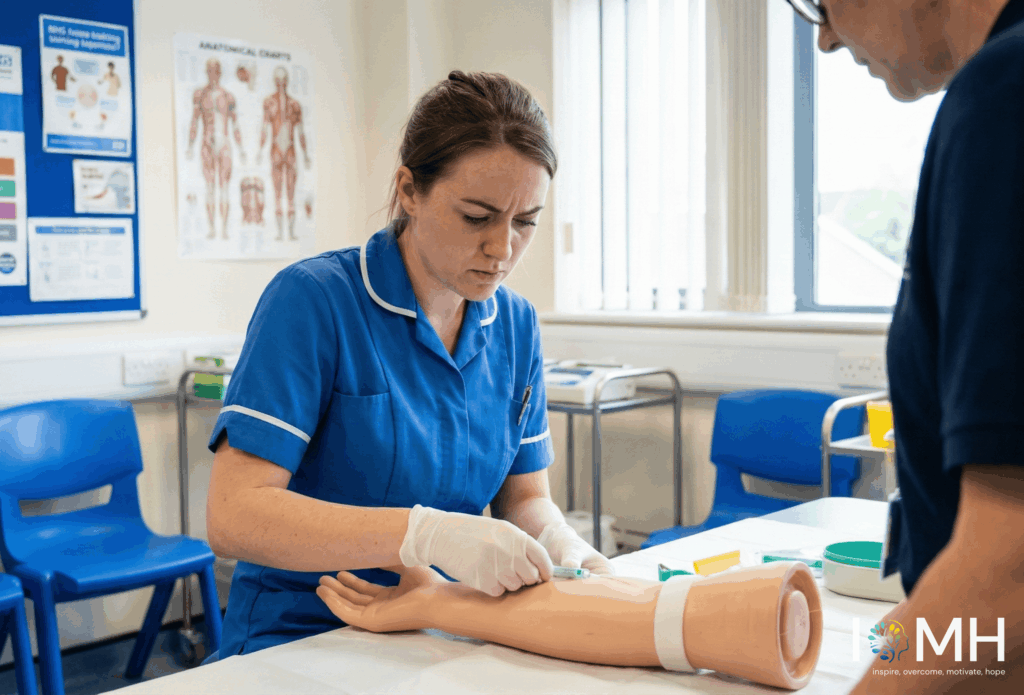
- Hands-on practice: Most programs include supervised clinical experience where you’ll perform blood draws on real patients.
- Duration: Training can range from a few weeks to several months, depending on the program and your availability.
Certification Requirements in the UK
- While formal certification isn’t legally required to work as a phlebotomist in the UK, most employers—especially the NHS—prefer candidates who have completed accredited training.
- You may need to pass a competency assessment or complete a structured induction program before starting work.
- How are carers matched to clients?
- What happens if the usual carer is unavailable?
- How often are care plans reviewed and updated?
- Can the agency provide references from other families?
- What is included in the hourly cost, and are there any hidden fees?
Where to Train
- Phlebotomy training institutes: Look for programs accredited by recognized bodies such as the NHS or private providers with strong reputations.
- Online and blended options: Some providers offer flexible learning formats for working professionals.
Training is your launchpad into a career that’s both impactful and in demand. With the right preparation, you’ll be ready to step into clinical settings with confidence and skill.
How to Become a Phlebotomist in the UK
Whether you’re switching careers or already working in healthcare, becoming a phlebotomist in the UK is a straightforward and rewarding process. The path is designed to be accessible, with flexible training options and clear entry points into the NHS and private healthcare sectors.
Step-by-Step Guide to Becoming a Phlebotomist
- 1.Meet the basic requirements
- No formal qualifications are required, but GCSEs in English, Maths, and Science can be helpful.
- A background in healthcare or customer service is often advantageous.
2. Complete phlebotomy training
- Enrol in a certified phlebotomy training course that includes both theory and practical experience.
- Look for programs that offer supervised clinical placements or simulated practice.
3. Gain hands-on experience
- Apply for entry-level roles such as Trainee Phlebotomist or Phlebotomy Assistant.
- Many NHS trusts offer on-the-job training for new recruits.
4. Apply for certification (if required)
- While not mandatory, some employers prefer candidates with a certificate of competency or completion from a recognized training provider.
5. Start applying for jobs
- Search for Phlebotomist jobs London, NHS Phlebotomist jobs, or Phlebotomist vacancies in the UK on job boards and NHS recruitment sites.
NHS Pathways and Apprenticeships
- The NHS often recruits trainee phlebotomists and provides structured training.
- Apprenticeships may be available for those seeking a formal route with paid work and study combined.
Phlebotomy is one of the few healthcare roles where you can start quickly, learn on the job, and grow into more advanced clinical positions—all while making a real difference in patient care.
Phlebotomist Salary and Career Progression
Phlebotomy offers not only a meaningful role in healthcare but also a stable and upwardly mobile career path. Whether you’re entering the field fresh or transitioning from another healthcare role, understanding the earning potential and growth opportunities is key.
Phlebotomist Salary in the UK
- Entry-level positions: Trainee phlebotomists typically earn between £18,000 and £21,000 annually.
- Experienced professionals: Salaries can rise to £25,000–£30,000 depending on experience, location, and employer.
- NHS roles: NHS phlebotomists are paid according to the Agenda for Change pay scales, often starting at Band 2 or Band 3.
Factors That Influence Pay
- Location: Phlebotomist jobs in London and other major cities often offer higher pay due to cost of living.
- Experience and training: Advanced certifications or years of experience can lead to better compensation.
- Work setting: Private clinics and research labs may offer different pay structures compared to NHS facilities.
Career Progression Opportunities
Phlebotomy can be a stepping stone to other healthcare careers or a long-term profession with room to grow:
- Senior Phlebotomist or Team Lead: Overseeing junior staff and managing operations.
- Specialized roles: Working in oncology, paediatrics, or emergency departments.
- Training and education: Becoming a phlebotomy instructor or assessor.
- Further clinical roles: Transitioning into nursing, lab technology, or healthcare management.
With demand for skilled phlebotomists on the rise, especially in urban centres and NHS trusts, the career outlook is strong and full of potential.
Where to Find Phlebotomy Jobs
Once you’ve completed your training and feel confident in your skills, the next step is landing a job—and the good news is, phlebotomists are in high demand across the UK, especially in London. Whether you’re looking for NHS roles or private sector opportunities, there are plenty of options to explore.
NHS Phlebotomy Jobs in London
- University College London Hospitals NHS Foundation Trust is hiring part-time phlebotomists to work with adults, children, and elderly patients. The role includes routine blood tests and offers flexible schedules.
- Homerton Healthcare NHS Foundation Trust is seeking full-time phlebotomists with experience in evacuated blood-letting systems. The role involves working in busy clinical environments and collaborating with other healthcare professionals.
Private Sector Opportunities
- The London Clinic is recruiting experienced phlebotomists for its Outpatients department. Candidates should have at least two years of experience and be proficient with the Vacutainer system.
- The Harley Street Clinic is hiring Healthcare Assistants with phlebotomy experience. This full-time role includes a wide range of benefits and opportunities for career progression.
Where to Search
- NHS Jobs Portal regularly lists phlebotomist vacancies across London and the UK.
- Find a Job - GOV.UK offers listings from both public and private employers.
- Indeed UK features a wide range of phlebotomy roles, including locum and part-time positions.
Whether you’re just starting out or looking to advance your career, London offers a vibrant job market for phlebotomists with competitive pay and diverse work environments.
Conclusion: Is Phlebotomy Your Next Career Step?
Phlebotomy offers a rare blend of accessibility, impact, and career growth—making it an ideal choice for both career changers and healthcare professionals looking to expand their horizons. Whether you’re seeking a fresh start or a new skill to complement your clinical experience, becoming a phlebotomist puts you at the heart of patient care and medical diagnostics.
With short training programs, strong job demand, and opportunities across NHS and private sectors, you can step into a meaningful role quickly and confidently. From calming anxious patients to ensuring accurate lab results, phlebotomists make a difference every single day.
So, if you’re ready to take the next step, explore phlebotomy training options, check out current job openings, and start your journey toward a fulfilling healthcare career.


- All Courses
 Personal Development (1283)
 Career Bundle (479)
 Management & Administration (460)
 Employability (439)
 Health & Social Care (411)
 Health and Safety (382)
 Business (320)
 Teaching & Education (268)
 IT & Software (263)
 Health and Fitness (238)
 QLS Endorsed Courses (219)
 Mental Health & Counselling (168)
 Science & Technology (153)
 Accounting & Finance (144)
 Sales & Marketing (128)
 Construction & Engineering (126)
 Art & Design (125)
 Compliance & Law (112)
 Language (86)
 Photography & Lifestyle (58)
 Animal Care (57)
 Food Safety & Hygine (53)
 Diet & Nutrition (49)
 Sports & Fitness (47)
 Makeup & Beauty (43)
 First Aid (39)
 Agriculture (2)
0 responses on "What Is a Phlebotomist? Roles, Responsibilities and training"