



The health and social care sector in the UK is one of the largest and fastest-growing areas of employment. With an ageing population and rising healthcare needs, the country will require over 500,000 new workers by 2035 to meet demand. This makes health and social care one of the most secure and future-proof career choices.
To stand out in this competitive field, gaining recognised qualifications is essential. One of the most respected options is the Level 3 Diploma in Health and Social Care. This qualification not only gives you the skills to provide high-quality care but also shows employers that you meet professional standards expected across the sector.
In this guide, we’ll explain what the diploma is, how it can boost your career, and why it’s one of the best investments you can make in your future.
What Is a Level 3 Diploma in Health and Social Care?
The Level 3 Diploma in Health and Social Care is a recognised qualification that prepares learners to work in a wide range of roles within the sector. It is suitable for both beginners and those who already work in care and want to progress further.
This diploma focuses on developing essential knowledge and practical skills, such as:
- Safeguarding – protecting children and vulnerable adults.
- Communication skills in health and social care – listening effectively, building trust, and supporting people with compassion.
- Health and social care values – including dignity, respect, and empathy.
- Person-centred care – ensuring support is tailored to each individual.
- Legal and ethical responsibilities – following rules and guidelines to protect service users.
Unlike the Care Certificate, which is an entry-level training programme, the Level 3 Diploma provides deeper learning and is highly valued by employers, including the NHS and private healthcare providers.
Level 3 Diploma in Health and Social Care
Why Health and Social Care Values Matter
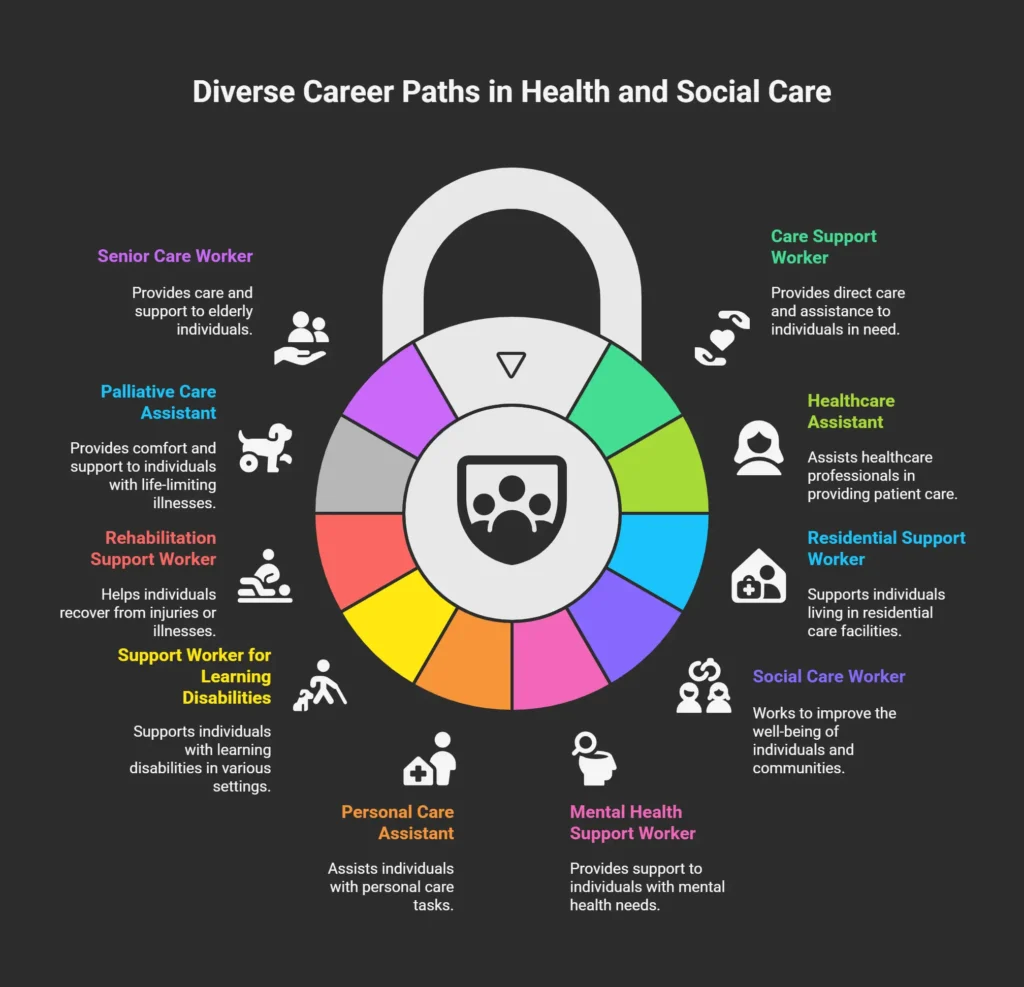
One of the main reasons people choose this qualification is the variety of career opportunities it opens. If you’ve ever wondered “What jobs can you get with health and social care level 3 diploma?”—the list is long and diverse.
With a Level 3 Health and Social Care Diploma, you could pursue roles such as:
- Respect and dignity – treating every individual as a person with rights.
- Compassion and empathy – understanding others’ feelings and experiences.
- Equality and inclusion – making sure services are fair and accessible to all.
- Promoting independence – helping individuals make choices and stay in control of their lives.
- Commitment to safety – protecting people from harm through good safeguarding practice.
By applying these values, you not only meet professional standards but also create a positive experience for those you care for.
Career Opportunities with a Level 3 Diploma in Health and Social Care
One of the most important elements of this qualification is learning and applying the core health and social care values. These values guide professionals in their daily work and ensure people receive safe, respectful, and effective care.
Key values taught in the health and social care diploma level 3 include:
1. Care Support Worker
As a Care Support Worker, you help people with everyday activities such as eating, dressing, and moving around. You also give emotional support, making sure they feel cared for and valued. This role is common in care homes and community care settings.
2. Healthcare Assistant
Healthcare Assistants(HCA) work with nurses and doctors in hospitals or clinics. They look after patients by checking vital signs, helping with basic medical tasks, and providing personal care. It’s an excellent first step if you want to start a career in nursing.
3. Residential Support Worker
In this role, you support people with disabilities, mental health needs, or elderly residents. You help them live as independently as possible while ensuring they get the right care. Residential Support Workers are usually based in care facilities or supported housing.
4. Social Care Worker
Social Care Workers help vulnerable people such as children, older adults, and those with disabilities. They assist with accessing services, offer emotional support, and promote well-being. This role is ideal if you enjoy working closely with people in need.
5. Mental Health Support Worker
As a Mental Health Support Worker, you support individuals experiencing mental health challenges. You provide encouragement, guidance, and care as they work through recovery. These roles are often based in hospitals, rehabilitation centres, or community care services.
6. Personal Care Assistant
Personal Care Assistants give one-to-one support to people with specific needs in their own homes. This may include help with daily activities, taking medication, or offering companionship. It’s a role that makes a real difference to someone’s everyday life.
7. Support Worker for People with Learning Disabilities
In this role, you assist individuals with learning disabilities in developing essential life skills. You may assist with education, employment, and social activities. The main goal is to build their confidence and independence.
8. Rehabilitation Support Worker
Rehabilitation Support Workers help people recover from illness or injury. You may assist with therapy exercises, provide encouragement, and support them during the recovery process. This role often involves working with physiotherapists or occupational therapists.
9. Palliative Care Assistant
Palliative Care Assistants care for people with terminal illnesses. You focus on keeping them comfortable, managing pain, and offering emotional support for both patients and their families. This role requires compassion and sensitivity.
10. Senior Care Worker
With experience, you can progress to becoming a Senior Care Worker. In this position, you lead care teams, create care plans, and ensure high standards of support. It’s also a stepping stone towards management roles in health and social care.
The variety of roles makes this qualification flexible and appealing. Whether you want to work in Adult Social Care, hospitals, or community support, the diploma prepares you for a wide range of opportunities.
Higher Earning Potential and Job Security
Holding a recognised qualification such as the Health and Social Care Level 3 Diploma often leads to higher pay compared to unqualified workers. Employers value staff who can demonstrate both knowledge and practical skills, and they are often willing to pay more for this expertise.
For example:
- Entry-level positions may pay less, but with a diploma, you can quickly progress into higher-paid roles.
- Senior or specialist positions, such as team leader or care manager, usually require qualifications like the Level 3 or higher.
Equally important is job security. With increasing demand for care workers, qualified professionals are always in demand. Unlike some industries, health and social care roles are essential, which means stability and long-term opportunities
Meeting Legal and Regulatory Requirements
Working in health and social care means taking on legal responsibilities. Employers must ensure their staff follow strict standards to protect patients and service users.
The Care Quality Commission (CQC) is the regulator that inspects and monitors care services in England. One of their key requirements is that staff are properly trained and competent.
By completing a level 3 diploma health and social care, you gain knowledge in areas such as:
- Safeguarding and child protection.
- Health and safety in care environments.
- Risk assessments and safe practices.
- Ethical and legal responsibilities.
This makes you a trusted professional who can meet industry regulations, which boosts both your employability and credibility.
Improving Skills and Professional Development
The Level 3 Diploma in Health and Social Care is not just about theory—it focuses on real skills you will use every day in your job. These include:
- Communication – learning how to listen, respond, and build trust with patients and colleagues.
- Problem-solving – handling difficult or unexpected situations with confidence.
- Teamwork – working closely with nurses, doctors, social workers, and other care professionals.
- Confidence – managing daily tasks and making the right decisions in challenging situations.
This qualification also helps you grow professionally, giving you the chance to keep learning throughout your career. Many people choose to specialise in areas like dementia care, children’s services, or end-of-life care. This means your career can adapt to your interests and to the changing needs of the health and social care sector.
The Growing Demand for Health and Social Care Professionals
In the UK, more and more people need health and social care support. This is mainly because the population is getting older and more people are living with long-term health conditions. As a result, the demand for skilled care workers is growing every year.
Many employers find it hard to hire qualified staff, which makes people with a Level 3 Diploma in Health and Social Care very valuable. Having this qualification gives you a strong advantage when applying for jobs and helps you build a secure career.
Because there are not enough trained professionals, this sector offers excellent job opportunities, stability, and the chance to grow in your career while making a real difference to people’s lives.
Pathway to Further Education and Career Growth
The Health and Social Care Level 3 Diploma is not just a qualification—it’s a foundation for further study and career advancement. Many learners progress to:
- Level 4 or Level 5 Diplomas in Health and Social Care, leading to management and leadership positions.
- University courses in nursing, social work, or healthcare management.
- Specialist training in areas such as child protection, mental health, or dementia care.
If you’re interested in becoming a nursing assistant or moving into healthcare management, this diploma provides the stepping stone you need.
How the Level 3 Diploma Supports the NHS and Care Sector
The NHS and private care providers are facing increasing pressure to recruit skilled staff, with thousands of vacancies across hospitals, care homes, and community services. Completing a Health and Social Care Diploma Level 3 makes you a stronger candidate for these roles, as it shows employers that you have the knowledge and practical skills required to deliver high-quality care.
This qualification not only helps reduce the staffing shortages in both the NHS and Adult Social Care, but it also raises the standard of support provided to patients and service users. With a focus on safeguarding, health and social care values, and person-centred practice, the diploma ensures that people receive care that is safe, effective, and tailored to their individual needs.
By gaining a Level 3 Health and Social Care Diploma, you contribute to improving the overall quality of services, which benefits patients, supports employers, and strengthens the UK healthcare system as a whole.
The Role of Communication Skills in Health and Social Care
Good communication is essential in any care role. The diploma places strong emphasis on communication skills in health and social care, which are key to building trust and understanding.
You will learn how to:
- Use clear language and active listening.
- Recognise non-verbal communication such as body language.
- Communicate with people who have learning difficulties or speech impairments.
- Share information effectively with colleagues to provide consistent care.
By mastering these skills, you can provide better support and create stronger relationships with those you care for.
Flexible Study Options for the Health and Social Care Diploma Level 3
One of the biggest advantages of the Level 3 Health and Social Care Diploma is the flexibility it offers. Training providers design their programmes to meet the needs of learners with different schedules, commitments, and learning preferences. This means you can choose the study option that works best for you:
- Health and social care online courses – Study from home at your own pace. This option is ideal if you need flexibility around work, childcare, or other personal commitments.
- Classroom-based learning – Take part in structured lessons with tutor support, peer interaction, and hands-on guidance.
- Blended learning – A combination of online study and face-to-face sessions, giving you the convenience of digital learning alongside direct personal support.
This flexibility makes it much easier for working adults, career changers, or busy learners to complete a health and social care course without disrupting their personal or professional lives. The ability to study in a way that suits you is one of the reasons why the Health and Social Care Level 3 Diploma remains such a popular choice across the UK.
Personal and Professional Fulfilment
Working in health and social care goes far beyond earning a salary—it’s about making a genuine difference in people’s lives. Every day, you provide support that helps individuals maintain dignity, independence, and quality of life.
Research from Skills for Care shows that over 80% of professionals in the sector experience high job satisfaction. This is because the role is not only meaningful but also deeply rewarding, as it directly impacts people’s wellbeing.
While the Level 3 Diploma equips you with the essential knowledge and skills to excel in your career, the greatest reward comes from the fulfilment of knowing your work is improving lives and shaping brighter futures.
Final Thoughts
The Level 3 Diploma in Health and Social Care is one of the most valuable qualifications for anyone aiming to build a career in this sector. It provides the essential skills, knowledge, and confidence to succeed in a wide range of roles, while also creating clear pathways to further education and senior opportunities.
From increasing your chances of better pay and long-term job security to meeting CQC (Care Quality Commission) standards and supporting the NHS, the Health and Social Care Diploma Level 3 lays the foundation for a stable and rewarding future.
If you’re ready to invest in your career, gain professional recognition, and make a meaningful difference in people’s lives, enrolling in a health and social care course—or even exploring flexible health and social care online courses—is the perfect next step towards achieving your goals.

- All Courses
 Personal Development (1283)
 Career Bundle (479)
 Management & Administration (460)
 Employability (439)
 Health & Social Care (411)
 Health and Safety (382)
 Business (320)
 Teaching & Education (268)
 IT & Software (263)
 Health and Fitness (238)
 QLS Endorsed Courses (219)
 Mental Health & Counselling (168)
 Science & Technology (153)
 Accounting & Finance (144)
 Sales & Marketing (128)
 Construction & Engineering (126)
 Art & Design (125)
 Compliance & Law (112)
 Language (86)
 Photography & Lifestyle (58)
 Animal Care (57)
 Food Safety & Hygine (53)
 Diet & Nutrition (49)
 Sports & Fitness (47)
 Makeup & Beauty (43)
 First Aid (39)
 Agriculture (2)
0 responses on "What Are the Benefits of Earning a Diploma in Health and Social Care Level 3?"