




Safeguarding in health and social care is about protecting people from harm, abuse, and neglect. It ensures that anyone receiving care is treated with dignity, respect, and kindness. Safeguarding is not just a legal duty for organisations and professionals; it is also a moral responsibility to keep vulnerable individuals safe.
In the UK, safeguarding is guided by six key principles. These principles help professionals make the right decisions when supporting people who might be at risk. They provide a clear framework to prevent abuse and ensure that individuals receive safe and proper care.
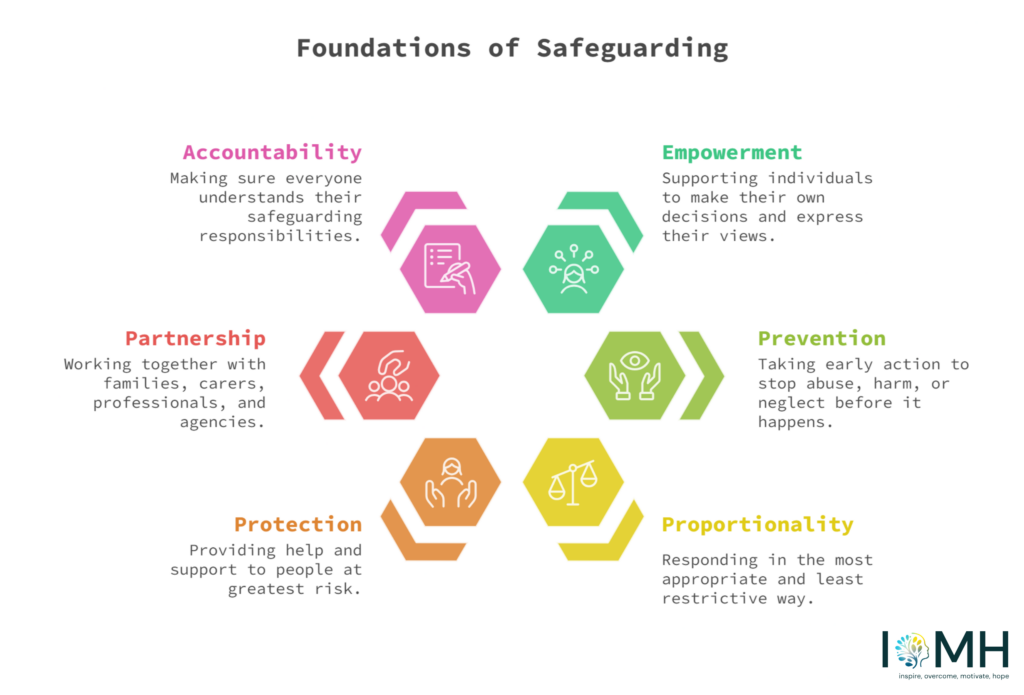
The 6 principles of safeguarding are empowerment, prevention, proportionality, protection, partnership, and accountability. These principles were introduced under the Care Act 2014 and are widely used across health and social care settings.
Understanding these principles is essential for healthcare workers, social care professionals, and anyone who works with vulnerable people. In this guide, we will explain what safeguarding means, why it is important, and how the six principles of safeguarding are applied in real-life care situations.
Moreover, this course is designed to guide learners step by step. In addition, the lessons are organised in a logical flow, ensuring that each concept builds smoothly on the previous one. Consequently, learners gain confidence as they progress. Furthermore, the content connects theory with practical examples, making the learning experience more engaging. Similarly, complex topics are simplified so that beginners can understand them easily. As a result, learners can apply the knowledge in real situations. On the other hand, those with prior experience can refine their existing skills. Therefore, the course supports continuous improvement for all learners. Ultimately, it provides a structured pathway that helps students achieve their learning goals effectively.online communication skills



What is Safeguarding in Health and Social Care?
Safeguarding is the process of protecting people from harm, abuse, and neglect. It ensures that individuals who may be vulnerable receive the care, support, and protection they need to live safely and with dignity.
In health and social care, safeguarding is especially important because some people may not be able to fully protect themselves due to age, disability, illness, or other personal circumstances.
The main aim of safeguarding is to ensure that individuals:
- Are protected from abuse and neglect
- Receive care in a safe and secure environment
- Are treated with dignity, respect, and compassion
- Have their rights recognised and upheld
- Are supported to make decisions about their own lives
Safeguarding is not only about responding after abuse occurs—it also focuses on preventing harm before it happens. By following the 6 principles of safeguarding in Health and Social Care, professionals, including Safeguarding Officers, can create safe environments where vulnerable individuals can thrive.
Whether it’s a child in a school setting, an older person in a care home, or someone with disabilities receiving support, safeguarding ensures that everyone has the protection they need while maintaining independence and choice.
Safeguarding is the process of protecting people from harm, abuse, and neglect. It ensures that individuals who may be vulnerable receive the care, support, and protection they need to live safely and with dignity.
Why Safeguarding is Important
Safeguarding is vital because it protects vulnerable people from harm, abuse, and neglect, while ensuring they can live safely and with dignity. In NHS hospitals, clinics, and CQC-regulated care homes, safeguarding creates environments where individuals feel secure and supported.
Without proper safeguarding, vulnerable people could face:
- Physical abuse – hitting, slapping, or other forms of bodily harm
- Emotional abuse – humiliation, threats, or constant criticism
- Financial abuse – theft, fraud, or pressure to give money
- Neglect – failure to provide basic care like food, clothing, medical support, or hygiene
Following the six principles of safeguarding helps prevent these risks and ensures vulnerable people are protected in all care settings. Effective safeguarding also helps to:
- Protect individuals from harm by recognising risks early and taking action
- Promote safe and respectful care practices across NHS and CQC regulated services
- Raise awareness about abuse and neglect among staff, families, and the wider community
- Encourage people to report concerns without fear of judgement
- Build trust in health & social care services by demonstrating care and accountability
When the key principles of safeguarding are properly applied, people receiving care feel safer, more confident, and supported. It also allows professionals to respond quickly and appropriately if any concerns arise.
In short, safeguarding is not just a legal responsibility—it is a moral duty ensuring that vulnerable individuals, including those covered under Safeguarding Vulnerable Adults and Child Safeguarding, can live with dignity, independence, and safety.
Who Needs Safeguarding?

Safeguarding applies to anyone at risk of harm or neglect. Some people are naturally more vulnerable due to age, health, or personal circumstances. Understanding who needs safeguarding helps organisations focus protection where it is most needed.
Children and Young People (Child Safeguarding)
Children are dependent on adults for care and protection. Child Safeguarding ensures they are shielded from abuse, neglect, exploitation, and bullying. Early recognition and intervention are essential to keep children safe.
Older People (Safeguarding Vulnerable Adults)
Older individuals, particularly those with dementia or mobility issues, may face neglect, physical abuse, or financial exploitation. The principles of Safeguarding Vulnerable Adults are essential for safe, respectful, and responsive care.
People with Disabilities
Individuals with physical or learning disabilities may struggle to recognise abuse or communicate concerns. Safeguarding ensures these individuals are supported and protected in all care environments.
People with Mental Health Conditions
Those experiencing mental health challenges may be vulnerable to exploitation or neglect. Implementing the 6 key principles of safeguarding in mental health care ensures dignity and support.
Individuals with Long-Term Illness
People reliant on others for daily care can be at risk if care standards lapse. Safeguarding ensures safe, consistent, and attentive support.
In short, safeguarding protects all vulnerable groups, ensuring their rights and wellbeing are prioritised.

Legal Framework for Safeguarding in the UK
In the UK, safeguarding in health and social care is guided by a strong legal framework. These laws and policies set out the responsibilities of organisations and professionals to protect vulnerable people.
The Care Act 2014
The Care Act 2014 is one of the most important laws relating to safeguarding adults. It defines how local authorities must protect adults who may be at risk of abuse or neglect. The Act also introduced the 6 principles of safeguarding, which guide health & social care professionals in providing safe and effective support.
The Children Acts 1989 and 2004
These Acts focus on protecting children and promoting their welfare. They make it a legal duty for organisations and professionals to work together to safeguard children from harm, neglect, and exploitation.
The Mental Capacity Act 2005
This law protects individuals who may not have the mental capacity to make certain decisions about their care or treatment. It ensures that their best interests are considered and that they are safeguarded from harm.
The Safeguarding Vulnerable Groups Act 2006
This Act introduced the Disclosure and Barring Service (DBS), which prevents unsuitable individuals from working with children or vulnerable adults. It is a key measure to protect people in health and social care settings.
Together, these laws create a framework that ensures safeguarding is a priority across all health and social care services in the UK.
What Are the 6 Principles of Safeguarding?
In the UK, the government introduced the 6 principles of safeguarding to provide guidance for protecting vulnerable individuals. These principles help professionals make consistent, fair, and effective decisions while providing care.
Let’s explore each principle in detail.
1. Empowerment
Empowerment means giving individuals the ability and confidence to make their own decisions. People should have the right to express their views and make choices about their care.
In practice, this means:
- Providing clear information so individuals can make informed choices
- Respecting a person’s independence and autonomy
- Encouraging people to speak up about their needs and preferences
For example, a healthcare assistant might explain different treatment options to a patient and allow them to decide which one they prefer. By feeling empowered, individuals are more likely to feel respected, confident, and in control of their own lives.
2. Prevention
The principle of prevention focuses on stopping abuse or neglect before it occurs. Organisations and professionals should take proactive steps to create safe environments and reduce risks.
Preventive strategies include:
- Providing safeguarding training for staff
- Conducting regular risk assessments
- Raising awareness about signs of abuse
- Encouraging open communication in care settings
For example, a care home may train staff to recognise early signs of abuse or neglect, allowing them to act before harm happens. Prevention is a key part of 6 principles of safeguarding in health and social care, ensuring that individuals remain safe.
3. Proportionality
Proportionality means responding to safeguarding concerns in a way that is appropriate to the level of risk. Actions taken should match the seriousness of the situation and respect the individual’s rights.
Professionals should consider the least restrictive option when responding to concerns.
For example, if a resident in a care home is not eating properly, staff might first discuss the issue and provide support rather than taking immediate, strict actions. Proportionality balances protection with personal freedom, dignity, and respect.
4. Protection
Protection involves providing support and assistance to those at greatest risk of harm. Individuals must receive immediate help if abuse or neglect is suspected.
Protection measures may include:
- Reporting concerns to the relevant authorities
- Providing access to specialist support services
- Conducting investigations into suspected abuse
- Ensuring staff undergo background checks
For instance, if a healthcare professional notices signs of abuse, they must report it and make sure the person receives appropriate help. Protection ensures vulnerable individuals are not left to face dangerous situations alone.
5. Partnership
The partnership principle highlights the importance of collaboration between different organisations. Safeguarding is more effective when healthcare providers, social services, law enforcement, and community organisations work together.
For example:
- A nurse might notice physical signs of abuse
- A social worker could assess the person’s living conditions
- Police may investigate any criminal activity
Working together ensures that vulnerable individuals receive better protection. Partnerships also involve families and communities to raise awareness and encourage reporting concerns.
6. Accountability
Accountability means that individuals and organisations are responsible for safeguarding practices. Everyone should understand their role and follow clear policies and procedures.
This includes:
- Maintaining clear reporting systems
- Ensuring staff receive proper safeguarding training
- Conducting audits and inspections
- Encouraging whistleblowing when concerns arise
For example, a care organisation may introduce a whistleblowing policy allowing staff to report concerns without fear of punishment. Accountability ensures professionals take safeguarding responsibilities seriously and address any failures promptly.

How the Safeguarding Principles Are Applied in Health and Social Care
The 6 principles of safeguarding are essential in protecting vulnerable people across all health and social care settings. Applying these principles helps ensure individuals are safe, respected, and supported.
Hospitals
In hospitals, safeguarding means recognising signs of abuse or neglect and taking immediate action. Healthcare professionals look for injuries, emotional distress, or unusual behaviours. For example, a nurse may notice unexplained bruises or fear when a visitor arrives. Following the principle of safeguarding, the nurse reports the concern to the safeguarding team and ensures the patient receives appropriate support.
Care Homes
Care homes must provide safe and respectful care. Staff follow safeguarding policies and report concerns immediately. If a resident shows signs of neglect, malnutrition, or withdrawal, staff work with social workers and healthcare professionals. Using the 6 principles of adult safeguarding, staff can respond effectively while maintaining the resident’s dignity.
Community Care
Community care workers support people in their own homes and must watch for signs of neglect, financial abuse, or unsafe living conditions. By applying the key principles of safeguarding, they report concerns, provide support, and involve the right authorities.
By following the six principles of safeguarding, professionals in hospitals, care homes, and community settings protect vulnerable individuals and deliver high-quality care.

Roles and Responsibilities in Safeguarding
Safeguarding is everyone’s responsibility. Different professionals have important roles in protecting vulnerable people.
Healthcare Professionals
Doctors, nurses, and healthcare assistants must recognise signs of abuse and report any concerns promptly. They also provide care that respects the individual’s dignity and choices, following the 6 key principles of safeguarding.
Social Workers
Social workers assess risks, provide support services, and coordinate care for vulnerable individuals and families. They play a crucial role in applying safeguarding practices in line with the law and professional guidelines.
Safeguarding Leads
Many organisations appoint safeguarding leads to oversee policies and procedures, train staff, and make sure everyone follows safeguarding practices correctly.
Organisations and Employers
Employers must provide training, implement clear safeguarding policies, and create a culture where concerns can be raised safely. Everyone in the organisation should understand their responsibilities.
When all staff understand their roles and responsibilities, safeguarding becomes more effective, and vulnerable people are better protected.

Common Signs of Abuse and Neglect
Recognising the signs of abuse and neglect is an essential part of safeguarding in health and social care. Early detection helps protect vulnerable individuals and ensures they receive the care and support they need. The 6 principles of safeguarding guide professionals to identify risks and respond appropriately.
Physical Abuse
Physical abuse includes injuries caused intentionally or through neglect. Signs may include unexplained bruises, burns, cuts, or fractures. Repeated injuries or injuries that do not match explanations should raise concern
Emotional Abuse
Emotional abuse affects a person’s mental and emotional wellbeing. Warning signs include withdrawal, fearfulness, sudden changes in mood, low confidence, or anxiety. Individuals may appear overly dependent or hesitant to communicate.
Financial Abuse
Financial abuse occurs when someone illegally or unfairly controls another person’s money or property. Signs include unusual bank withdrawals, missing possessions, pressure to sign documents, or sudden financial changes.
Neglect
Neglect is the failure to meet basic needs. Signs include poor hygiene, untreated medical conditions, malnutrition, or unsafe living conditions.
If professionals notice any of these signs, they must follow safeguarding procedures immediately. By recognising abuse early and taking action, they protect vulnerable people and put the key principles of safeguarding into practice.
Why Safeguarding Training is Important
Safeguarding training helps professionals understand how to protect vulnerable individuals and respond appropriately to concerns.
Training provides knowledge about:

- Recognising signs of abuse
- Following safeguarding procedures
- Reporting concerns correctly
- Supporting individuals who may be at risk
Regular training ensures that professionals remain aware of their responsibilities and can provide safe and effective care.
Conclusion
Safeguarding is an essential part of health and social care. It ensures that vulnerable individuals are protected from abuse, harm, and neglect while maintaining their dignity and independence.
The **six principles of safeguarding—empowerment, prevention, proportionality, protection, partnership, and accountability—**provide a clear framework for professionals working in healthcare and social care.
By following these principles, organisations and professionals can create safer environments and ensure that individuals receive the care and protection they deserve.
Safeguarding is not just a professional responsibility—it is a shared commitment to protecting the most vulnerable members of society and ensuring that everyone has the opportunity to live safely and with respect.

- All Courses
 Personal Development (1283)
 Career Bundle (479)
 Management & Administration (460)
 Employability (439)
 Health & Social Care (411)
 Health and Safety (382)
 Business (320)
 Teaching & Education (268)
 IT & Software (263)
 Health and Fitness (238)
 QLS Endorsed Courses (219)
 Mental Health & Counselling (168)
 Science & Technology (153)
 Accounting & Finance (144)
 Sales & Marketing (128)
 Construction & Engineering (126)
 Art & Design (125)
 Compliance & Law (112)
 Language (86)
 Photography & Lifestyle (58)
 Animal Care (57)
 Food Safety & Hygine (53)
 Diet & Nutrition (49)
 Sports & Fitness (47)
 Makeup & Beauty (43)
 First Aid (39)
 Agriculture (2)
0 responses on "What Are the 6 Principles of Safeguarding in Health and Social Care? A Complete Guide for Professionals"