




Introduction
A Nursing Assistant is a key member of the healthcare team in the UK. Nursing Assistants work in NHS hospitals, care homes, community care services, and mental health settings. They support nurses, care for patients, and help healthcare services run safely and smoothly.
This role is also known as a Certified Nursing Assistant (CNA), Certified Nurses Assistant, nurse assistant, or nursing assistive personnel. No matter the job title, the skills required are very similar across all healthcare settings.
If you want to become a Nursing Assistant, complete a Nursing Assistant Diploma, study for a Level 3 Diploma in Nursing Assistant, or apply for Nursing Assistant jobs NHS, having the right skills is essential.
In this guide, you will learn the 17 key Nursing Assistant skills required to work confidently and effectively across UK healthcare settings.
What Is a Nursing Assistant?
A Nursing Assistant is a healthcare professional who supports patients with their everyday needs and helps nurses provide safe, high-quality care. Nursing assistants work under the guidance of registered nurses and other healthcare professionals, but they play a crucial role in ensuring patient comfort, safety, and well-being.
Nursing assistants spend a lot of time with patients, which means they often notice changes in health or behaviour first. Their work helps healthcare teams deliver better care and improves the patient’s overall experience.
Nursing assistants may work in a range of healthcare settings, including:
- NHS hospitals and clinics – supporting patients on wards, in outpatient departments, and during recovery
- Care homes and nursing homes – helping residents with daily living and personal care
- Community and home care – supporting people in their own homes to live independently
- Mental health services – assisting patients with emotional, psychological, and daily support needs
- Adult Social Care settings – providing care and support to adults with physical or learning needs
The role of a Nursing Assistant supports key healthcare areas such as:
- Adult Nursing – helping patients with medical and personal care
- Mental Health Nursing – supporting individuals with mental health conditions
- Health and Social Care – promoting wellbeing, dignity, and independence
Overall, Nursing Assistants are a vital part of the UK healthcare system. Their care, dedication, and support help patients feel safe, respected, and well cared for every day.
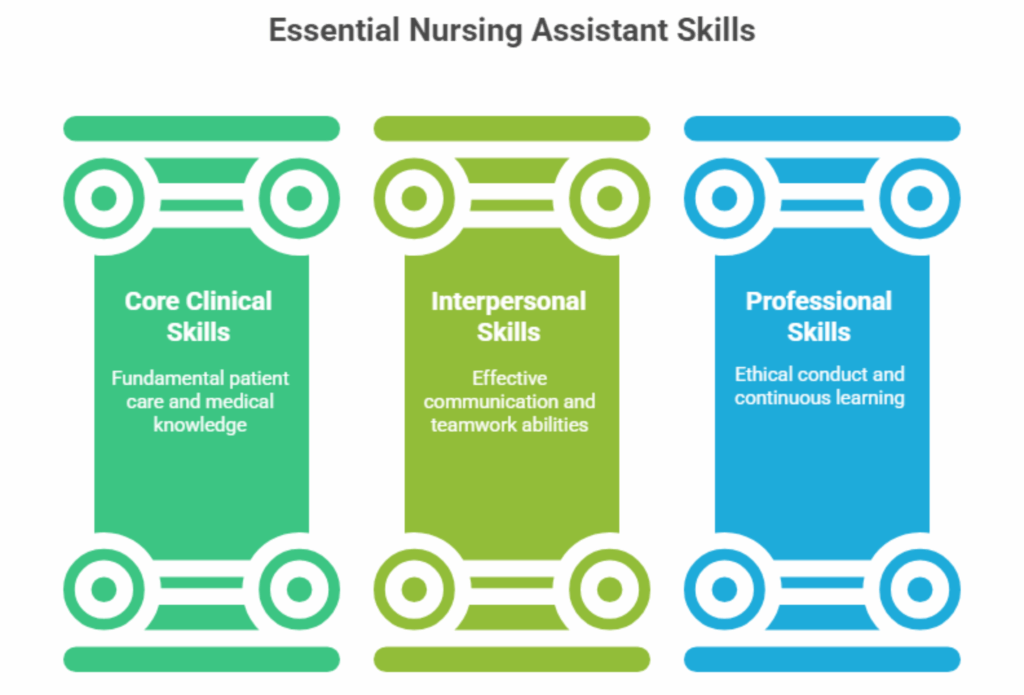
Section 1: Core Clinical and Practical Nursing Assistant Skills
Core clinical and practical skills are the hands-on skills that Nursing Assistants use every day. These skills help you provide safe, effective, and high-quality care to patients in hospitals, care homes, and community settings.
Developing these skills is essential if you want to succeed as a Nursing Assistant in the UK.
1. Patient Care and Personal Support
Patient care is the most important part of the Nursing Assistant role. It focuses on helping patients with their everyday needs while always treating them with dignity, respect, and kindness. Good patient care helps people feel safe, comfortable, and valued.
Nursing Assistants support patients with daily activities, including:
- Helping patients to wash, bathe, and get dressed
- Supporting patients with eating and drinking
- Assisting with toileting and continence care
- Helping patients move safely in bed or walk with support
2. Infection Control and Hygiene
Infection control is a key responsibility for every Nursing Assistant. In healthcare settings, infections can spread quickly, so it is important to follow good hygiene practices at all times. This helps protect patients, staff, and visitors, especially those who are more vulnerable.
Good infection control reduces the spread of germs and helps create a safe and clean care environment.
Key infection control practices include:
- Washing hands properly and regularly
- Wearing c(PPE) such as gloves, masks, and aprons
- Cleaning and disinfecting equipment after each use
- Following workplace infection prevention and control policies
Strong infection control skills are essential for safe patient care. These skills are required by the Care Certificate, NHS guidelines, and CQC (Care Quality Commission) standards.
3. Vital Signs Monitoring
Vital signs monitoring is an important part of a Nursing Assistant’s daily work. It helps the healthcare team understand how a patient’s body is working and whether there are any changes in their health.
Nursing Assistants often check and record vital signs as part of routine care. If anything seems unusual, they must report it to a nurse so action can be taken quickly.
Vital signs usually include:
- Body temperature – to check for signs of fever or infection
- Pulse (heart rate) – to see how fast or slow the heart is beating
- Blood pressure – to measure how well blood is circulating around the body
- Breathing rate – to observe how well and how often the patient is breathing
Recording vital signs accurately and on time helps nurses identify health problems early. This supports fast decision-making, improves patient safety, and ensures patients receive the right care when they need it.
4. Manual Handling and Moving & Handling
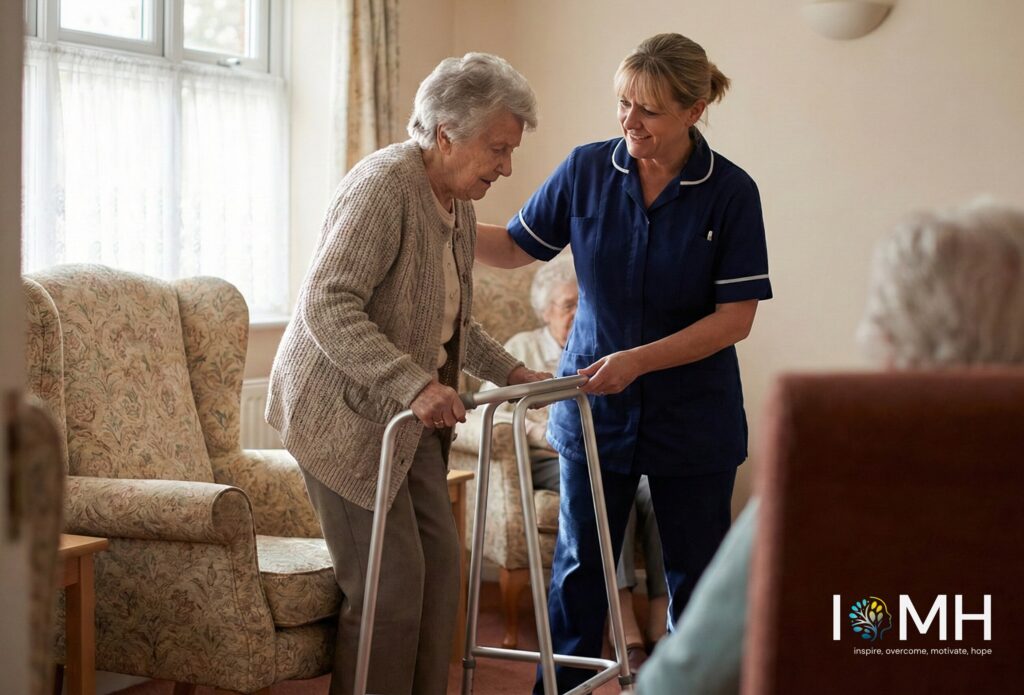
Manual handling and moving patients safely is an important responsibility for a Nursing Assistant. Many patients need help with changing position, standing, or moving from one place to another. This must always be done correctly to keep both the patient and the staff member safe.
Moving and handling tasks may include:
- Helping patients walk or move from a bed to a chair
- Using equipment such as hoists, wheelchairs, and walking aids
- Following safe lifting and positioning techniques
Using proper manual handling techniques reduces the risk of injury, prevents accidents, and improves patient comfort. This skill is a key part of Nursing Assistant training and is essential in hospitals, care homes, and community care settings.
5. Accurate Documentation and Record Keeping
Accurate documentation is an important responsibility for every Nursing Assistant. Patient records help healthcare teams understand what care has been given and what support a patient still needs. Good record keeping supports safe, consistent, and high-quality care.
Nursing Assistants may be required to complete different types of records, including:
- Personal care records
- Food and fluid intake charts
- Observation and monitoring notes
- Incident and accident reports
Records must be clear, accurate, and completed on time. Good documentation helps protect patient safety, supports effective communication between staff, and ensures legal and CQC (Care Quality Commission) requirements are met.
6. Basic Nutrition and Hydration Support
Good nutrition and hydration are very important for a patient’s health, recovery, and overall wellbeing. Nursing Assistants play a key role in making sure patients are eating and drinking enough to stay healthy.
Supporting nutrition and hydration may include:
- Helping patients during mealtimes
- Encouraging patients to drink enough fluids
- Observing and reporting poor appetite or difficulty swallowing
Nursing Assistants must pay close attention to what patients eat and drink, as poor nutrition or dehydration can lead to health problems. These skills are especially important in care homes, hospitals, and Adult Social Care settings, where many patients rely on daily support.
7. Medical Equipment Awareness
Nursing Assistants use basic medical equipment every day to support patient care. This equipment helps monitor a patient’s health and supports safe movement and daily activities. It is important for Nursing Assistants to understand how to use equipment safely and correctly to avoid injury and ensure accurate results.
Common equipment used by Nursing Assistants includes:
- Thermometers
- Blood pressure monitors
- Mobility and walking aids
Using medical equipment properly helps prevent accidents, protects both patients and staff, and improves the overall quality of care. If any equipment is damaged or not working correctly, Nursing Assistants must report it immediately so it can be repaired or replaced.


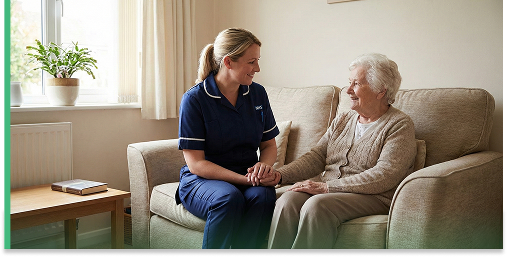
Section 2: Key Interpersonal (Soft) Skills for Nursing Assistants
Interpersonal skills, also known as soft skills, are just as important as practical skills for Nursing Assistants. These skills help you communicate clearly, work well as part of a team, and build strong, trusting relationships with patients and colleagues.
Good soft skills improve the patient’s experience, support effective teamwork, and help Nursing Assistants succeed in all healthcare settings, including hospitals, care homes, and community care.
8. Communication Skills
Clear and effective communication is a vital skill for every Nursing Assistant. Good communication helps ensure that patients receive the right care and that healthcare teams work safely and efficiently together. Nursing Assistants must be able to share information clearly and understand what patients are feeling, saying, or trying to express.
Communication is not only about speaking. It also involves listening carefully, observing body language, and responding in a calm and respectful way, especially when patients are anxious, confused, or unwell.
Good communication skills include the ability to:
- Speak clearly, calmly, and politely with patients and their families
- Listen carefully to patients and take their concerns, worries, or discomfort seriously
- Report any changes in a patient’s condition or behaviour to nurses and other healthcare staff
- Write clear, accurate, and easy-to-understand care notes for the healthcare team
9. Empathy and Compassion
Patients often feel anxious, confused, frightened, or unwell, especially when they are in a hospital or care setting. Nursing Assistants must show empathy and compassion by being kind, patient, and understanding at all times.
Empathy means understanding how a patient feels and seeing things from their point of view. Compassion means caring about their wellbeing and offering comfort, reassurance, and support.
Empathy and compassion help Nursing Assistants to:
- Support patients’ emotional wellbeing
- Build trust and provide reassurance
- Deliver person-centred care that respects individual needs and feelings
When Nursing Assistants show empathy and compassion, patients feel valued, respected, and safe. These qualities are essential in every Nursing Assistant role and help create a positive and supportive care environment.
10. Teamwork and Collaboration
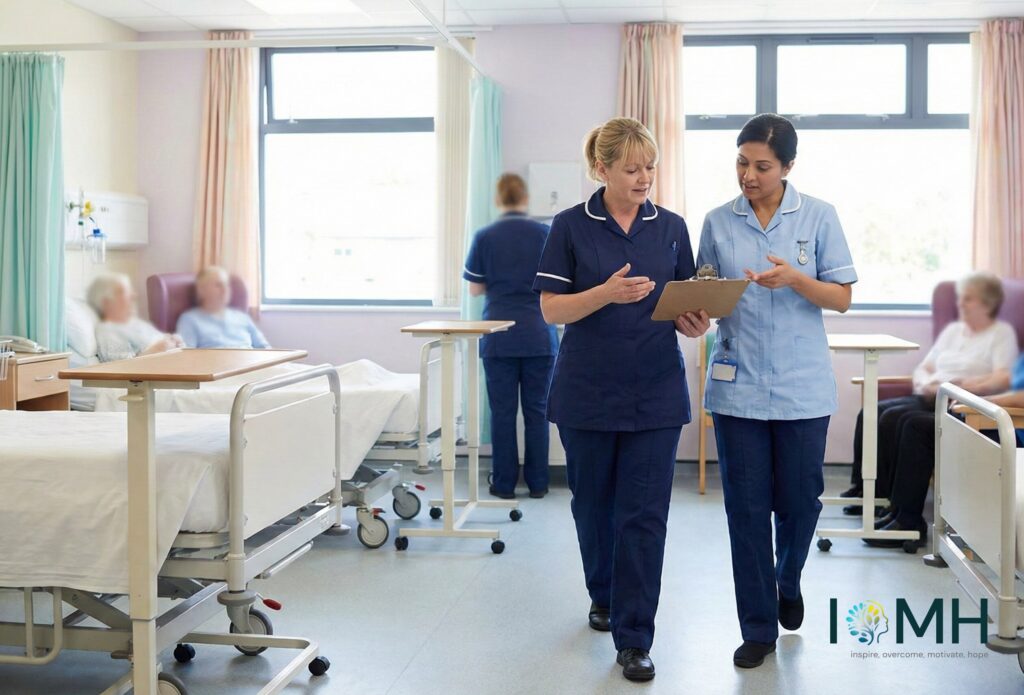
Nursing Assistants do not work alone. They are part of a healthcare team that may include nurses, doctors, therapists, and other support staff. Working well with others is essential to provide safe and effective care for patients.
Good teamwork and collaboration mean:
- Supporting colleagues when help is needed
- Sharing important information clearly and on time
- Working together to meet patients’ needs and provide the best possible care
Strong teamwork helps healthcare services run smoothly, improves patient safety, and creates a positive and supportive workplace. When everyone works together, patients receive better care and staff feel more confident and supported in their roles.
11. Time Management and Organisation
Healthcare environments are often busy and fast-paced, especially in hospitals and care homes. Nursing Assistants must manage their time well to make sure all tasks are completed safely and patients receive the care they need.
Good time management helps Nursing Assistants to plan their work, stay organised, and respond quickly to changes during a shift.
Strong time management and organisation skills help Nursing Assistants to:
- Prioritise important and urgent tasks
- Care for more than one patient safely and effectively
- Stay calm, focused, and organised during busy or stressful shifts
These skills are especially important in Nursing Assistant jobs within the NHS, where workloads can be demanding and patient needs can change quickly.
12. Emotional and Physical Resilience
Working as a Nursing Assistant can be both physically and emotionally demanding. Long shifts, busy work environments, and caring for people who are unwell or distressed can be challenging at times.
Emotional and physical resilience helps Nursing Assistants stay strong, focused, and professional, even during difficult situations. It allows them to continue providing safe and compassionate care while looking after their own wellbeing.
Resilience helps Nursing Assistants to:
- Cope with long or physically demanding shifts
- Manage emotional or stressful situations calmly and professionally
- Maintain a positive, caring, and supportive attitude towards patients
Emotional and physical resilience is especially important in Mental Health Nursing and Adult Social Care settings, where patients may need extra emotional support and understanding.
Section 3: Additional Essential Nursing Assistant Skills Employers Look For
In addition to clinical skills and interpersonal (soft) skills, employers also expect Nursing Assistants to demonstrate a range of professional and personal skills. These skills show that a Nursing Assistant is responsible, reliable, and committed to providing safe, high-quality care.
Employers look for Nursing Assistants who can follow rules, protect patients, adapt to change, and take their role seriously. Developing these additional skills helps Nursing Assistants stand out in the workplace and build trust with patients, families, and healthcare teams.
These skills also support long-term career success, as they show a willingness to grow, learn, and work to high professional standards in all healthcare settings.

13. Safeguarding Awareness
Safeguarding means protecting vulnerable people from harm, abuse, neglect, or unsafe care. Nursing Assistants have a legal and professional responsibility to help keep patients safe at all times.
Vulnerable people may include older adults, people with disabilities, individuals with mental health conditions, or anyone who may not be able to protect themselves fully.
Safeguarding responsibilities for Nursing Assistants include:
- Recognising signs of abuse, neglect, or poor care
- Reporting concerns clearly and correctly to the appropriate person or team
- Following safeguarding policies and procedures set by the workplace
Safeguarding awareness is especially important in Adult Social Care, Mental Health Nursing, and other settings where vulnerable people receive care. By understanding safeguarding, Nursing Assistants help protect patients, support their rights, and ensure care is delivered safely, respectfully, and responsibly.
14. Confidentiality and Professional Behaviour
Nursing Assistants handle sensitive and personal information about patients every day. This may include medical details, personal history, or private conversations. Keeping this information confidential is both a legal and ethical responsibility.
Confidentiality means that patient information must only be shared with the right people and only when it is necessary for care.
Nursing Assistants must:
- Keep patient information private and secure at all times
- Follow data protection and GDPR rules
- Behave in a professional, respectful, and responsible manner
Maintaining confidentiality helps build trust with patients and their families. It also ensures that Nursing Assistants meet NHS requirements and CQC (Care Quality Commission) standards, which are essential for safe and professional healthcare practice.
15. Adaptability and Flexibility
Healthcare environments can change quickly, and no two days are ever the same. Patients’ needs may change, routines can vary, and workloads can increase without warning. For this reason, Nursing Assistants need to be flexible and ready to adapt to different situations.
Being adaptable helps Nursing Assistants to:
- Work different shifts, including days, nights, weekends, and bank holidays
- Support patients with a wide range of needs and conditions
- Learn new tasks, routines, or care procedures as required
Flexible Nursing Assistants are highly valued by employers because they can respond well to change, support their colleagues, and continue to provide safe and effective care in all situations.
16. Observation and Attention to Detail
Nursing Assistants spend a lot of time with patients during their daily care. Because of this, they are often the first people to notice small changes in a patient’s condition, behaviour, or mood. Paying close attention to these details is an important part of keeping patients safe.
Good observation and attention to detail include noticing:
- Changes in mood or behaviour, such as confusion, withdrawal, or agitation
- Signs of pain, discomfort, or emotional distress
- Physical health changes, such as weakness, dizziness, or unusual tiredness
Even small changes can be important. By paying attention and reporting concerns early, Nursing Assistants help healthcare teams act quickly, prevent problems from getting worse, and improve patient safety and care outcomes.
17. Willingness to Learn and Develop
Healthcare is always changing, with new guidelines, equipment, and ways of working introduced regularly. For this reason, good Nursing Assistants continue to learn and develop their skills throughout their careers.
A willingness to learn shows commitment, professionalism, and a desire to provide the best possible care for patients.
This includes:
- Attending training sessions and refresher courses
- Updating skills and knowledge to keep up with best practice
- Working towards recognised qualifications and career goals
Many Nursing Assistants choose to progress by completing a Nursing Assistant Diploma, Level 3 Diploma in Nursing Assistant, or CNA Training Online. Ongoing learning helps build confidence, improve job opportunities, and support long-term career growth in health and social care.
Training and Qualifications That Build Nursing Assistant Skills
Training and qualifications play an important role in helping Nursing Assistants develop the skills and confidence needed to work safely and professionally in healthcare settings. The right training helps learners understand both the practical duties and the professional responsibilities of the role.
Common training routes for Nursing Assistants include:
- Care Certificate – Covers essential standards such as patient care, infection control, safeguarding, and communication
- Nursing Assistant Diploma – Provides structured learning focused on day-to-day nursing assistant duties
- Level 3 Diploma in Nursing Assistant – Builds advanced skills and supports career progression in health and social care
- Certified Nursing Assistant classes online – Flexible learning options for those who prefer to study remotely
- CNA Training Online – Allows learners to gain knowledge and skills while balancing work or personal commitments
These courses teach both practical skills, such as patient care and safety, and professional skills, such as communication, confidentiality, and teamwork. Completing recognised training helps Nursing Assistants feel more confident, meet employer expectations, and prepare for long-term success in healthcare roles.
Career Opportunities and Nursing Assistant UK Salary
Nursing Assistants with the right skills and training have many career opportunities across the UK healthcare system. Qualified and experienced Nursing Assistants are in demand in a wide range of settings.
Skilled Nursing Assistants can work in:
- NHS hospitals – supporting patients on wards, in clinics, and during recovery
- Care homes and nursing homes – providing daily care and support to residents
- Community care – helping people live independently in their own homes
- Mental health services – supporting individuals with mental health needs
The Nursing Assistant UK salary can vary depending on factors such as experience, location, and employer. Nursing Assistants working in the NHS may follow structured pay bands, while pay in care homes and private settings may differ.
With experience, ongoing training, and recognised qualifications, many Nursing Assistants progress into senior support roles, specialist care positions, or move on to further education to become registered nurses or other healthcare professionals.
Final Words
To be a successful Nursing Assistant, you need more than basic training. You need a strong combination of clinical skills, interpersonal (soft) skills, and professional values. The 17 essential Nursing Assistant skills covered in this guide help you provide safe, compassionate, and high-quality care in all healthcare settings.
Whether you want to Become a Nursing Assistant, apply for Nursing Assistant jobs within the NHS, or build a long-term career in Health and Social Care, developing these skills will support your success and confidence in the role.
Nursing Assistants are the backbone of UK healthcare. Every day, your skills, care, and dedication make a real difference to patients, families, and the wider healthcare system.

- All Courses
 Personal Development (1283)
 Career Bundle (479)
 Management & Administration (460)
 Employability (439)
 Health & Social Care (411)
 Health and Safety (382)
 Business (320)
 Teaching & Education (268)
 IT & Software (263)
 Health and Fitness (238)
 QLS Endorsed Courses (219)
 Mental Health & Counselling (168)
 Science & Technology (153)
 Accounting & Finance (144)
 Sales & Marketing (128)
 Construction & Engineering (126)
 Art & Design (125)
 Compliance & Law (112)
 Language (86)
 Photography & Lifestyle (58)
 Animal Care (57)
 Food Safety & Hygine (53)
 Diet & Nutrition (49)
 Sports & Fitness (47)
 Makeup & Beauty (43)
 First Aid (39)
 Agriculture (2)
0 responses on "Top 17 Essential Nursing Assistant Skills You Need to Succeed in the UK"