





In London, salaries may be higher due to the High Cost Area Supplement, which adds a percentage to your base pay depending on the borough. Consequently, overall earnings can be significantly higher compared to other regions in the UK.
Introduction: Why Phlebotomy Matters in the NHS
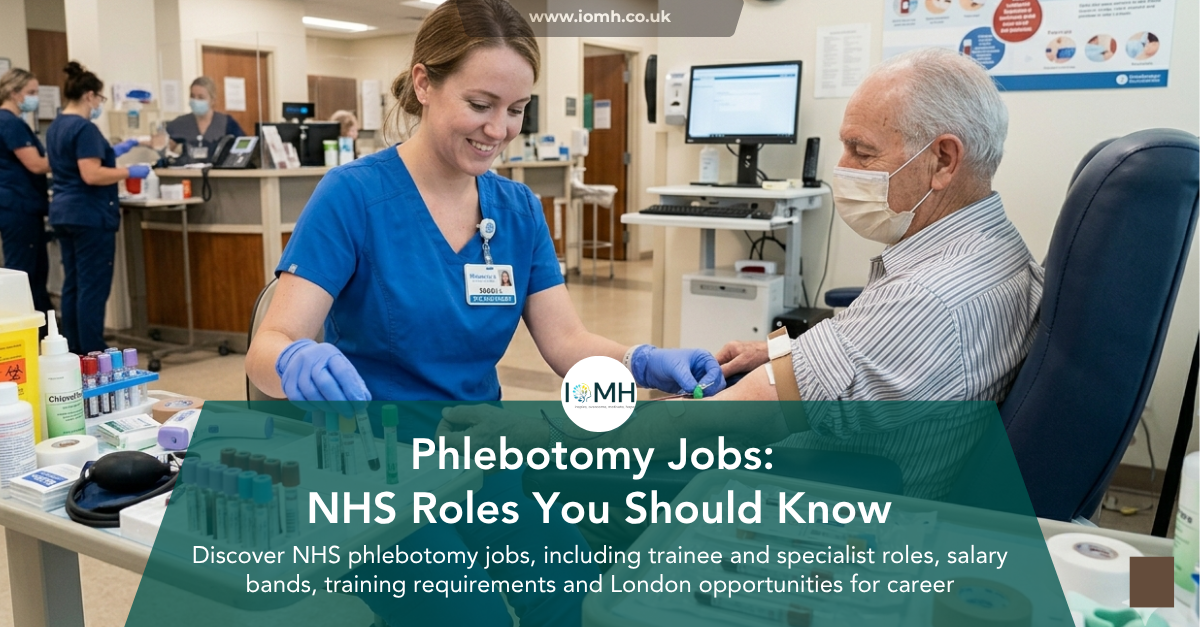
Phlebotomy is one of the most essential yet often overlooked roles in the UK healthcare system. Phlebotomists are responsible for drawing blood from patients for tests, transfusions, donations, or research—a task that requires precision, empathy, and professionalism. In the NHS, phlebotomy plays a critical role in diagnostics and patient care, forming the backbone of many clinical decisions.
With increasing demand for diagnostic services and a growing emphasis on preventative care, the need for skilled phlebotomists is rising across NHS trusts. As a result, whether you’re considering a career change or entering healthcare for the first time, phlebotomy offers a rewarding path with real impact.
Moreover, this course is designed to guide learners step by step. In addition, the lessons are organised in a logical flow, ensuring that each concept builds smoothly on the previous one. Consequently, learners gain confidence as they progress. Furthermore, the content connects theory with practical examples, making the learning experience more engaging. Similarly, complex topics are simplified so that beginners can understand them easily. As a result, learners can apply the knowledge in real situations. On the other hand, those with prior experience can refine their existing skills. Therefore, the course supports continuous improvement for all learners. Ultimately, it provides a structured pathway that helps students achieve their learning goals effectively.online communication skills
Why it matters:
Moreover, this course is designed to guide learners step by step. In addition, the lessons are organised in a logical flow, ensuring that each concept builds smoothly on the previous one. Consequently, learners gain confidence as they progress. Furthermore, the content connects theory with practical examples, making the learning experience more engaging. Similarly, complex topics are simplified so that beginners can understand them easily. As a result, learners can apply the knowledge in real situations. On the other hand, those with prior experience can refine their existing skills. Therefore, the course supports continuous improvement for all learners. Ultimately, it provides a structured pathway that helps students achieve their learning goals effectively.online communication skills
- Blood tests are vital for diagnosing conditions from diabetes to cancer.
- Phlebotomists are often the first point of contact for patients, setting the tone for their experience.
- The NHS relies on phlebotomy to maintain efficient and accurate clinical workflows.

What Is a Phlebotomist?
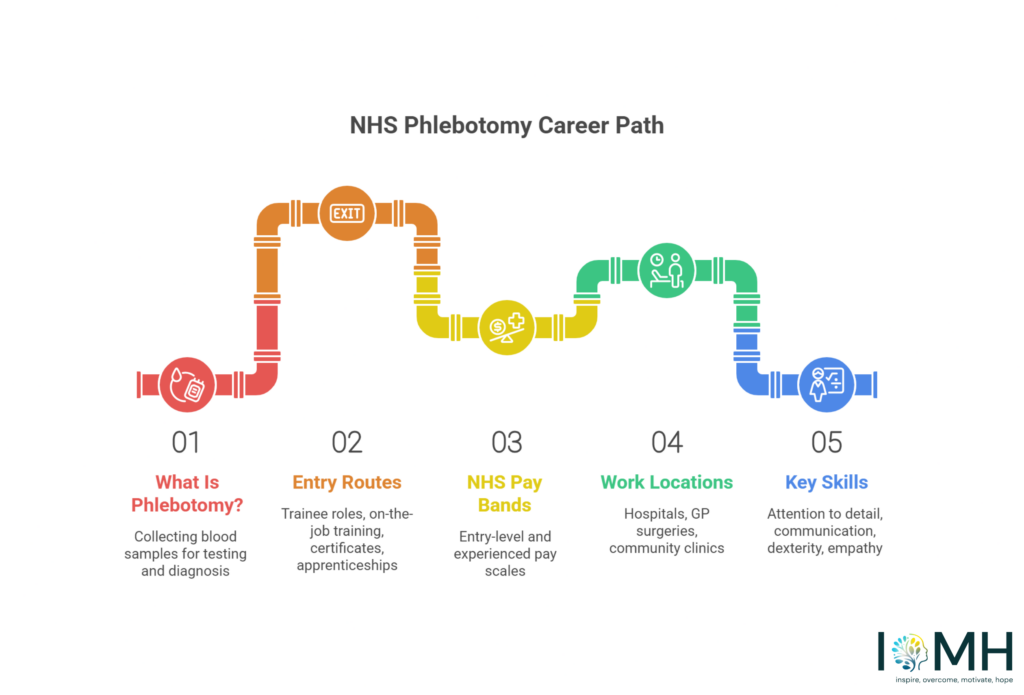
A phlebotomist is a trained healthcare professional responsible for collecting blood samples from patients. These samples are crucial for diagnosing illnesses, monitoring health conditions, and guiding treatment plans. While the task may seem simple, it requires a high level of skill, precision, and compassion—especially when working with nervous or vulnerable patients.
Phlebotomists work across a variety of NHS settings, including:

- Hospitals: Supporting wards, outpatient clinics, and emergency departments
- GP surgeries: Assisting with routine blood tests for general health checks
- Community clinics and mobile units: Bringing services closer to patients with limited mobility
They are often the first point of contact in a patient’s diagnostic journey, making their role both technical and interpersonal. Therefore, a good phlebotomist knows how to make patients feel at ease while ensuring samples are collected safely and accurately.
Core responsibilities include:
- Identifying patients and verifying test requests
- Preparing equipment and maintaining hygiene standards
- Drawing blood using venepuncture techniques
- Labelling and transporting samples for analysis
- Recording patient data and reporting any issues
Types of NHS Phlebotomy Roles You Should Know
Phlebotomy roles within the NHS come in various forms, offering flexibility, career growth, and entry points for people with different levels of experience. Whether you’re just starting out or looking for a stable healthcare position, there’s a role that fits your path.
Trainee Phlebotomist Jobs
Ideal for beginners, these roles often require no prior experience. You’ll receive on-the-job training while working under supervision. Many NHS trusts offer structured induction programmes and mentorship to help you build confidence and competence.
Bank Phlebotomist Positions
These are temporary or flexible roles where you work as part of the NHS staff bank. It’s a great way to gain experience across different departments or facilities without committing to a full-time contract. Perfect for students or those seeking part-time work.
Permanent Phlebotomist Jobs
These roles offer long-term stability and benefits such as paid leave, pension contributions, and career development opportunities. In addition, you’ll typically work in a fixed location and be part of a multidisciplinary team.
Specialist Phlebotomy Roles
Some positions involve working in paediatrics, oncology, or community outreach. These require additional training and experience but offer rewarding challenges and deeper patient engagement.
Phlebotomy Training and Qualifications
One of the most appealing aspects of pursuing a phlebotomy career in the NHS is that it doesn’t require a university degree. Many phlebotomists begin their journey with basic education and build their skills through targeted training and hands-on experience.
Entry Requirements
The Care Act 2014 focuses on adult social care and individual wellbeing by placing legal duties on local authorities to protect adults at risk, promote independence, and deliver person-centred care tailored to individual needs.
Training Routes
- On-the-job training: Many NHS trusts offer structured induction and mentorship for new phlebotomists.
- Vocational courses: Level 2 or Level 3 certificates in phlebotomy are available through accredited providers.
- Apprenticeships: Some NHS roles offer paid apprenticeships combining work and study.
Recommended Phlebotomy Training Institutes
- Look for providers approved by the NHS or affiliated with healthcare bodies.
- Ensure the course includes practical venipuncture sessions and patient interaction.
Additional Requirements
- A DBS (Disclosure and Barring Service) check is mandatory for NHS roles.
- Basic life support and infection control training may be required.
Where to Find NHS Phlebotomy Job Opportunities
If you’re ready to take the next step toward a phlebotomy career, the good news is that NHS phlebotomy jobs are widely available across the UK. In fact, whether you’re looking for entry-level trainee roles or experienced positions, there are several reliable platforms to help you find the right fit.
NHS Jobs Website
The official NHS Jobs portal is the best place to start. You can search by location, contract type, and experience level. It also allows you to set up job alerts so you’re notified when new phlebotomy vacancies go live.
Find a Job (DWP)
The UK government’s Find a Job site lists phlebotomy roles from both NHS and private healthcare providers. It’s especially useful for spotting regional openings and contract-based roles.
Other Platforms
- LinkedIn: Great for networking and discovering roles posted by NHS recruiters.
- Indeed & Reed: These platforms often feature trainee and mid-level phlebotomy jobs.
- PhlebotomyCourse.uk: Offers guidance and links to job boards, especially for those fresh out of training.
Application Tips
- Tailor your CV to highlight relevant skills like patient care, attention to detail, and infection control.
- Include keywords such as “trainee phlebotomist,” “NHS phlebotomy jobs,” and “phlebotomist vacancies” to match job descriptions.
- Prepare for interviews by reviewing NHS values and practicing scenario-based questions.
Phlebotomy Jobs in London: A Career Hotspot
London stands out as one of the most active regions in the UK for phlebotomy recruitment. With its dense population, world-class hospitals, and diverse healthcare needs, the capital offers a wide range of opportunities for both new and experienced phlebotomists.
Why London?
- High demand: London’s NHS trusts and private clinics serve millions of patients, creating constant demand for blood collection services.
- Variety of roles: From outpatient clinics to specialist hospitals, phlebotomists can work in settings that match their interests and skills.
- Career mobility: London offers access to advanced training, networking, and promotion opportunities within large healthcare systems.
Who’s Hiring?
Recent listings include:
- Homerton Healthcare NHS Foundation Trust: Band 3 phlebotomist roles with competitive pay.
- Randox Laboratories Ltd: Full-time phlebotomist positions in Chiswick and Central London, offering salaries around £32,000.
- Health Services Laboratories (HSL): Permanent roles at Wimpole Street with benefits like gym membership and pension.
- HCA Healthcare UK: Outpatient phlebotomy roles with private medical insurance and flexible shifts.
How to Apply
- Use the NHS Jobs portal to filter by location and contract type.
- Check Find a Job for additional listings from private providers and locum agencies.
- Tailor your CV to highlight London-specific experience or willingness to relocate.
Phlebotomist Salary and Benefits
One of the most common questions for anyone considering a career in phlebotomy is: How much does a phlebotomist earn in the NHS? The answer depends on your experience, location, and the NHS banding system.
NHS Pay Bands for Phlebotomists
Most NHS phlebotomy roles fall under Band 2 or Band 3 of the Agenda for Change pay scale:
- Band 2 (entry-level): Starting salary around £22,383 per year
- Band 3 (experienced): Up to £25,000–£26,000, with potential for overtime and enhancements
Additional Benefits
Employers and managers also have clear legal responsibilities under health and social care legislation. They must:
- NHS Pension Scheme: One of the most generous in the UK
- Annual Leave: Starting at 27 days plus bank holidays
- Training and Development: Access to funded courses and career progression
- Job Security: Permanent contracts and union support
- Flexible Working: Part-time, bank, and shift-based roles available
Private Sector Comparison
Some private clinics and labs offer higher salaries—up to £30,000+—especially in London or for specialist roles. However, they may not include the same level of benefits as the NHS.

Skills and Traits for Success in Phlebotomy
Phlebotomy may seem like a straightforward clinical task, but it demands a unique blend of technical skill and emotional intelligence. NHS phlebotomists often work with patients who are anxious, elderly, or dealing with serious health conditions—making compassion and professionalism just as important as needle technique.
Essential Skills
- Manual dexterity: Steady hands and precision are crucial for successful venepuncture.
- Attention to detail: Accurate labelling and documentation prevent serious medical errors.
- Communication: Explaining procedures clearly and calming nervous patients builds trust.
- Time management: NHS phlebotomists often work under pressure with tight schedules.
Personal Traits
- Empathy: Understanding patient fears and responding with kindness makes a huge difference.
- Resilience: You’ll encounter challenging situations—emotional strength helps you stay focused.
- Professionalism: Maintaining hygiene, confidentiality, and respect is non-negotiable.
- Adaptability: NHS settings vary daily—being flexible helps you thrive.
Bonus Skills
- Experience with electronic health records (EHR)
- Basic knowledge of anatomy and infection control
- Ability to work independently and as part of a team

Conclusion: Your Path to a Phlebotomy Career
Phlebotomy offers a meaningful and accessible entry point into the UK’s healthcare system. Moreover, whether you’re just starting out or looking to pivot into a clinical role, becoming a phlebotomist allows you to make a real difference in patients’ lives—often at their most vulnerable moments.
With flexible training options, growing demand across NHS trusts, and a variety of roles from trainee to specialist, there’s never been a better time to explore this career. From London’s bustling hospitals to community clinics across the UK, phlebotomy jobs are waiting for compassionate, detail-oriented professionals like you.
Ready to take the next step? Explore NHS Phlebotomy job opportunities, connect with training institutes, and start building a career that truly matters.

- All Courses
 Personal Development (1283)
 Career Bundle (479)
 Management & Administration (460)
 Employability (439)
 Health & Social Care (411)
 Health and Safety (382)
 Business (320)
 Teaching & Education (268)
 IT & Software (263)
 Health and Fitness (238)
 QLS Endorsed Courses (219)
 Mental Health & Counselling (168)
 Science & Technology (153)
 Accounting & Finance (144)
 Sales & Marketing (128)
 Construction & Engineering (126)
 Art & Design (125)
 Compliance & Law (112)
 Language (86)
 Photography & Lifestyle (58)
 Animal Care (57)
 Food Safety & Hygine (53)
 Diet & Nutrition (49)
 Sports & Fitness (47)
 Makeup & Beauty (43)
 First Aid (39)
 Agriculture (2)
0 responses on "Phlebotomy Jobs: NHS Roles You Should Know"