




If you’ve ever had blood taken for a medical test, you’ve already experienced the vital work of a phlebotomist. In a city like London—home to some of the UK’s busiest hospitals, world-renowned research centres, and countless GP surgeries—phlebotomy is a career path with growing demand and steady opportunities. For those considering a role in healthcare but not necessarily wanting to become a nurse or doctor, phlebotomy jobs in London can provide a rewarding, patient-focused career.
This blog will give you a clear picture of what to expect if you’re exploring phlebotomy positions in London. We’ll cover everything from the basics of what is phlebotomy and the responsibilities of a phlebotomist, to training options, NHS opportunities, salary expectations, and career progression. Whether you’re a newcomer searching for trainee phlebotomist jobs, or already in healthcare and looking to specialise, this guide will help you understand if a phlebotomy career in London is the right choice for you.


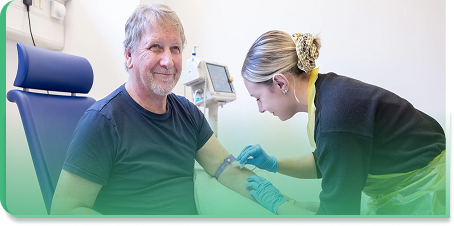
What Is Phlebotomy & Who Is a Phlebotomist?
At its core, phlebotomy is the practice of drawing blood from patients for medical testing, transfusions, donations, or research. The word itself comes from the Greek roots “phleb-” (vein) and “-tomy” (to cut or make an incision). While it might sound straightforward, phlebotomy is a highly skilled task that requires precision, patience, and excellent people skills.
A phlebotomist is a healthcare professional trained to perform venepuncture (drawing blood from a vein) or capillary puncture (using a small prick, often on the finger). Beyond taking blood samples, phlebotomists are responsible for correctly labeling and handling specimens, maintaining infection control standards, and ensuring patients feel comfortable and reassured throughout the process.
Phlebotomists often work in:
- Hospitals and NHS Trusts – supporting wards, outpatient clinics, and emergency departments.
- GP surgeries and community clinics – providing routine blood collection for ongoing care.
- Private clinics and research centres – assisting with clinical trials or private testing.
- Mobile phlebotomy units – visiting patients at home or at donation drives.
While some healthcare assistants (HCAs) or nurses may also be trained in venepuncture, dedicated phlebotomists focus exclusively on this skill, often becoming the go-to experts in their department. Their role is vital because accurate blood collection underpins diagnosis, monitoring, and treatment across nearly every medical specialty.

The Job Market in London: Demand & Opportunities
London is one of the busiest healthcare hubs in the UK, making it a prime location for anyone looking to start or advance a phlebotomy career. With world-renowned teaching hospitals, specialist centres, and a large network of GP surgeries, there is consistent demand for skilled phlebotomists across the capital.
NHS Phlebotomy Jobs
The majority of phlebotomy jobs in London are within the NHS. Positions are typically graded at Band 2 or Band 3 on the NHS Agenda for Change pay scale. These roles can be full-time, part-time, or bank (flexible, temporary) positions. NHS phlebotomy jobs offer the stability of regular hours, opportunities for training, pension contributions, and clear career progression. Large NHS Trusts such as University College London Hospitals, Guy’s and St Thomas’, and King’s College Hospital often advertise multiple phlebotomist vacancies in London throughout the year.
Private Sector Opportunities
Outside the NHS, there are growing opportunities in private clinics, diagnostic centres, fertility clinics, and research organisations. These positions may offer competitive salaries, more flexible working arrangements, or specialised patient groups. For example, private phlebotomists may support clinical trials or wellness testing services.
Locum and Agency Roles
For those seeking flexibility, agency phlebotomy jobs in London provide short-term or ad-hoc contracts. These roles can be a good way to gain varied experience across different healthcare settings, though they may lack the long-term stability of permanent NHS roles.
Demand Trends
With London’s population size and the city’s role as a centre for medical research, the demand for phlebotomists remains steady. The ageing population, increased reliance on diagnostic testing, and the expansion of outpatient and community services have all contributed to ongoing recruitment needs.
Entry Requirements & Phlebotomy Training in the UK / London
One of the advantages of pursuing a phlebotomy career is that you don’t need a university degree to get started. However, employers will expect a mix of basic education, practical skills, and professional training to ensure you’re competent and confident in the role.
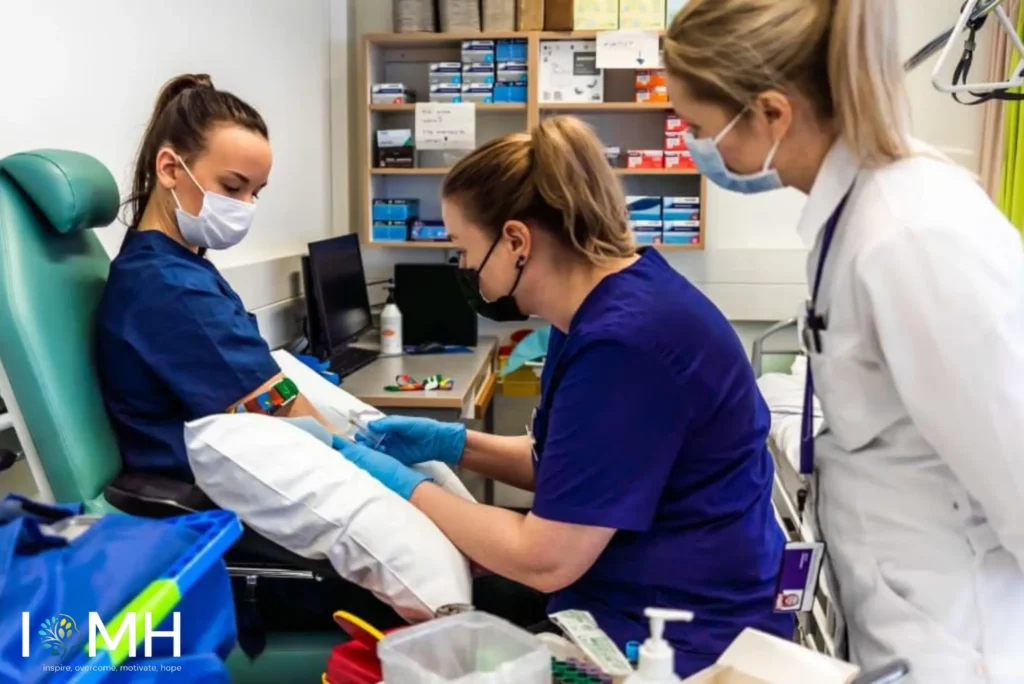
Basic Entry Requirements
Most phlebotomist jobs in London require at least:
- GCSEs (or equivalent) in English and Maths (grades A–C / 9–4).
- Strong communication skills and a caring, patient-focused attitude.
- Attention to detail, particularly with labeling and record-keeping.
- Good manual dexterity and confidence handling medical equipment.
Some employers may prefer applicants who already have experience in healthcare, such as working as a healthcare assistant (HCA), care worker, or in another patient-facing role.
Basic Entry Requirements
There are several pathways into training, depending on your background:
- In-house NHS Training: Many NHS Trusts provide training for new phlebotomists, especially for trainee roles. You’ll usually shadow experienced staff, complete competency assessments, and gradually build up your skills.
- Phlebotomy Training Institutes: London is home to several training providers offering short accredited courses (often 2–5 days). These courses focus on venepuncture techniques, infection control, and safety protocols. Completing one of these can improve your chances of securing a trainee role.
- Apprenticeships: Some Trusts and training providers offer apprenticeship routes that combine practical experience with classroom learning. This can be ideal for those starting from scratch.
- Private Training Courses: For those outside the NHS route, private courses are available. Always check that the provider is reputable and recognised by employers.
Certifications & Competencies
While there isn’t a single mandatory national certification for phlebotomists in the UK, employers expect evidence of training and demonstrated competence. Many roles will require you to maintain a logbook of procedures and undergo regular competency checks.
What to Expect on the Job / Day in the Life
Working as a phlebotomist in London is both rewarding and demanding. Every day is different, but the core responsibility remains the same: collecting blood samples safely, efficiently, and compassionately. For many patients, you may be the face of their hospital visit, so your role goes beyond just drawing blood.
Typical Work Settings
Phlebotomists are employed across a variety of environments, including:
- Hospitals – supporting wards, A&E, and outpatient clinics.
- GP surgeries and community clinics – providing routine blood tests for long-term patient care.
- Private laboratories and research centres – working with clinical trials or specialist testing.
- Mobile and home-visiting services – helping patients who cannot attend clinics.
Daily Responsibilities
A typical day might include:
- Preparing your workspace with sterile equipment.
- Calling in patients, checking their details, and explaining the procedure.
- Performing venepuncture or finger-prick tests, ensuring minimal discomfort.
- Labelling samples accurately and preparing them for transport to the laboratory.
- Maintaining detailed records and updating electronic systems.
- Following strict infection control and health & safety protocols.
- Supporting anxious patients, children, or those with difficult veins.
Shifts & Working Hours
Phlebotomists in London often work early morning shifts, as many blood tests are carried out before doctors’ rounds or outpatient appointments. Weekend and evening shifts may be required in hospitals. NHS staff usually work structured hours, while private sector or agency roles may offer more flexibility.
Challenges & Rewards
Some challenges include managing large numbers of patients during busy clinics, handling difficult venous access, or dealing with nervous or distressed individuals. However, the rewards are significant: you provide a vital service that enables accurate diagnoses and effective treatment, while building meaningful connections with patients.

Salary & Benefits: What to Expect in London
When considering phlebotomy jobs in London, salary is often one of the first questions. While pay can vary depending on experience, sector, and job banding, phlebotomy offers a stable income with opportunities for growth, especially within the NHS.
NHS Phlebotomist Salary
Most NHS phlebotomist jobs in London are graded under the Agenda for Change pay scale, typically at Band 2 or Band 3:
- Band 2: £23,000 – £25,000 per year (plus London weighting).
- Band 3: £25,000 – £28,000 per year (plus London weighting).
The “London weighting” allowance increases pay for NHS staff in the capital to account for the higher cost of living. This can add around £4,000–£6,000 annually, depending on the Trust.
Private Sector & Agency Roles
In the private sector, salaries can be more flexible. Private phlebotomy jobs in London often pay between £12–£18 per hour, depending on experience and setting. Agency or locum roles may offer higher hourly rates, especially for urgent cover, but they may not include the same benefits as NHS contracts.
Benefits Beyond Salary
Phlebotomists employed in the NHS receive a comprehensive benefits package, including:
- Pension contributions under the NHS pension scheme.
- Paid annual leave (starting at 27 days, rising with service).
- Access to training, development, and clear progression pathways.
- Overtime and unsocial hours pay enhancements.
- Job stability within one of the largest healthcare employers in the world.
Private and research roles may provide alternative benefits such as flexible schedules, specialised training opportunities, or access to modern facilities.
Comparing With Other Roles
While the starting salary for phlebotomists is modest compared to nurses or other healthcare professionals, the role is less academically intensive and provides a quicker entry point into healthcare. Many use phlebotomy as a stepping stone to higher-paid clinical or laboratory careers.

Career Progression & Specialisation
A role in phlebotomy is often just the beginning of a rewarding journey in healthcare. Many people start as trainee phlebotomists and discover opportunities to grow their skills, take on more responsibility, and even move into specialised or advanced roles.
Pathways Within Phlebotomy
- Trainee Phlebotomist → Qualified Phlebotomist – Once you complete training and gain experience, you’ll usually move from entry-level roles into permanent, independent positions.
- Senior Phlebotomist / Team Leader – With several years of experience, you may progress to managing a team, overseeing sample collection across departments, and training new staff.
- Specialist Roles – Some phlebotomists develop additional skills such as cannulation (inserting IVs), point-of-care testing, or working in research trials, making them highly sought after in specialist clinics.
Beyond Phlebotomy
Phlebotomy is also a strong stepping stone into other healthcare careers. Many phlebotomists later move into:
- Nursing – Gaining experience with patients and clinical procedures provides a natural foundation for nurse training.
- Biomedical Science – Some transition into laboratory roles, working directly with the samples they once collected.
- Healthcare Assistant or Allied Health Professions – Building a broader portfolio of clinical skills.
- Clinical Research – Supporting large-scale trials where blood samples and patient interaction are critical.
Continuous Professional Development (CPD)
Both NHS and private employers encourage ongoing learning. Training courses, conferences, and professional networking groups give phlebotomists opportunities to sharpen their skills and stay current with best practices. Maintaining a strong CPD record can make you more competitive for promotions and higher-band positions.

Tips for Landing a Phlebotomy Job in London
The competition for phlebotomy jobs in London can be high, especially for NHS trainee roles. However, with the right preparation and strategy, you can make your application stand out and increase your chances of success.
Craft a Strong CV and Cover Letter
- Highlight clinical skills such as venepuncture, specimen handling, or infection control (if you already have training or experience).
- Emphasise soft skills like communication, empathy, and patience, which are vital for patient care.
- Tailor each application to the job description, making sure to include keywords such as phlebotomist, phlebotomy training, and phlebotomy career.
Gain Relevant Experience
- If you’re new to healthcare, consider starting in a related role, such as a healthcare assistant (HCA) or support worker.
- Volunteer in hospitals, GP practices, or community health projects to build patient-facing experience.
- Completing a phlebotomy training course in London through a recognised institute can give you a head start, especially for trainee positions.
Use the Right Job Boards
- NHS Jobs (the main portal for NHS phlebotomy positions).
- Private job boards like Indeed, Reed, or TotalJobs.
- Specialist recruitment agencies focusing on healthcare.
Prepare for Interviews
- Expect scenario-based questions such as: “How would you calm an anxious patient before a blood test?”
- Be ready to demonstrate your knowledge of infection control, safety procedures, and confidentiality.
- If you’ve completed training, bring your certificates or a logbook of practical experience.
Network and Stay Informed
- Attend healthcare career fairs in London.
- Join professional forums or LinkedIn groups for phlebotomists.
- Stay updated with NHS Trust websites, which often list new phlebotomist vacancies in London directly.
The future job outlook for cognitive behavioural therapists remains very positive. Demand continues to grow across the UK as more people seek help for anxiety, depression, stress, and other mental health conditions.
Mental health services are expanding in hospitals, schools, charities, and community settings, which means more cognitive behaviour therapy jobs are becoming available. This makes CBT a stable and growing career choice for the future.
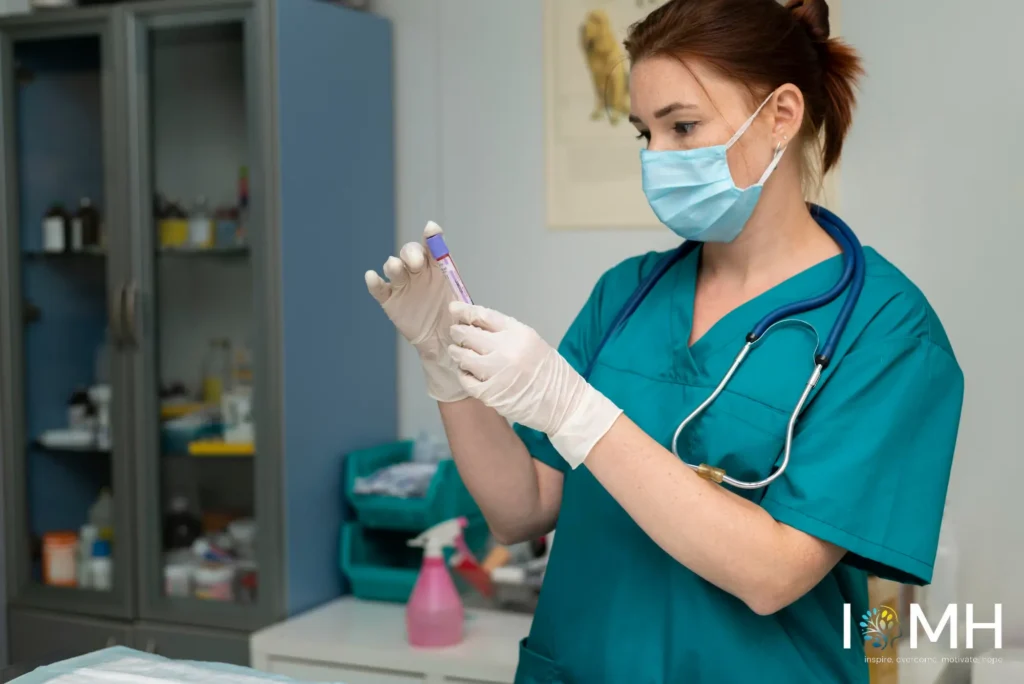
Challenges & Realities to Be Aware Of
While a phlebotomy career in London can be highly rewarding, it’s important to understand the realities of the role before stepping in. Like many healthcare positions, phlebotomy comes with pressures and challenges that require resilience, adaptability, and a patient-centred mindset.
High Workload and Pace
Phlebotomists in London often face very busy clinics, especially in large NHS hospitals. You may see dozens of patients during a single shift, each with different needs, ages, and health conditions. Time management and focus are critical to keeping up with demand while maintaining accuracy.
Dealing With Anxious or Difficult Patients
Blood tests can cause anxiety for many people. Some patients faint, some panic, and others may be frustrated or unwell. It’s the phlebotomist’s role to reassure, calm, and handle these situations professionally, even under pressure.
Technical and Physical Demands
Finding veins can be difficult in some patients, such as children, elderly individuals, or those with complex medical conditions. This requires patience, persistence, and advanced skill. The job also involves being on your feet for long periods, sometimes in fast-moving hospital environments.
Occupational Risks
Phlebotomists face risks such as needlestick injuries, exposure to bloodborne pathogens, and occasional aggression from distressed patients. Strict adherence to infection control and safety protocols is essential to minimise these hazards.
Emotional Impact
Working closely with patients means you’ll often encounter people who are very ill or receiving life-changing diagnoses. While the work is rewarding, it can be emotionally demanding, and resilience is key.
Despite these challenges, most phlebotomists find the role deeply fulfilling. You become a trusted figure for patients, and your work directly supports accurate diagnoses and life-saving treatments.
Conclusion
A career in phlebotomy is an excellent way to step into the healthcare sector and make a direct difference in patients’ lives. In a city like London, opportunities are abundant—whether through the NHS, private clinics, or research organisations. From trainee roles to specialist positions, there’s a clear pathway for those who want to grow their skills and build a lasting career.
As we’ve seen, phlebotomy offers much more than just drawing blood. It’s about reassuring patients, ensuring accurate results, and being part of a team that keeps London’s healthcare system running effectively. While there are challenges—busy shifts, anxious patients, and technical demands—the rewards are significant. You’ll gain valuable clinical experience, job stability, and the satisfaction of contributing to essential medical care.
For anyone wondering “What is a phlebotomist?” or considering phlebotomy jobs in London, the answer is simple: it’s a role that combines compassion, technical skill, and career potential. Whether you’re looking for your first healthcare role or a new direction, phlebotomy could be the perfect fit.

- All Courses
 Personal Development (1283)
 Career Bundle (479)
 Management & Administration (460)
 Employability (439)
 Health & Social Care (411)
 Health and Safety (382)
 Business (320)
 Teaching & Education (268)
 IT & Software (263)
 Health and Fitness (238)
 QLS Endorsed Courses (219)
 Mental Health & Counselling (168)
 Science & Technology (153)
 Accounting & Finance (144)
 Sales & Marketing (128)
 Construction & Engineering (126)
 Art & Design (125)
 Compliance & Law (112)
 Language (86)
 Photography & Lifestyle (58)
 Animal Care (57)
 Food Safety & Hygine (53)
 Diet & Nutrition (49)
 Sports & Fitness (47)
 Makeup & Beauty (43)
 First Aid (39)
 Agriculture (2)
0 responses on "Phlebotomy Jobs in London: What to Expect"