


Introduction
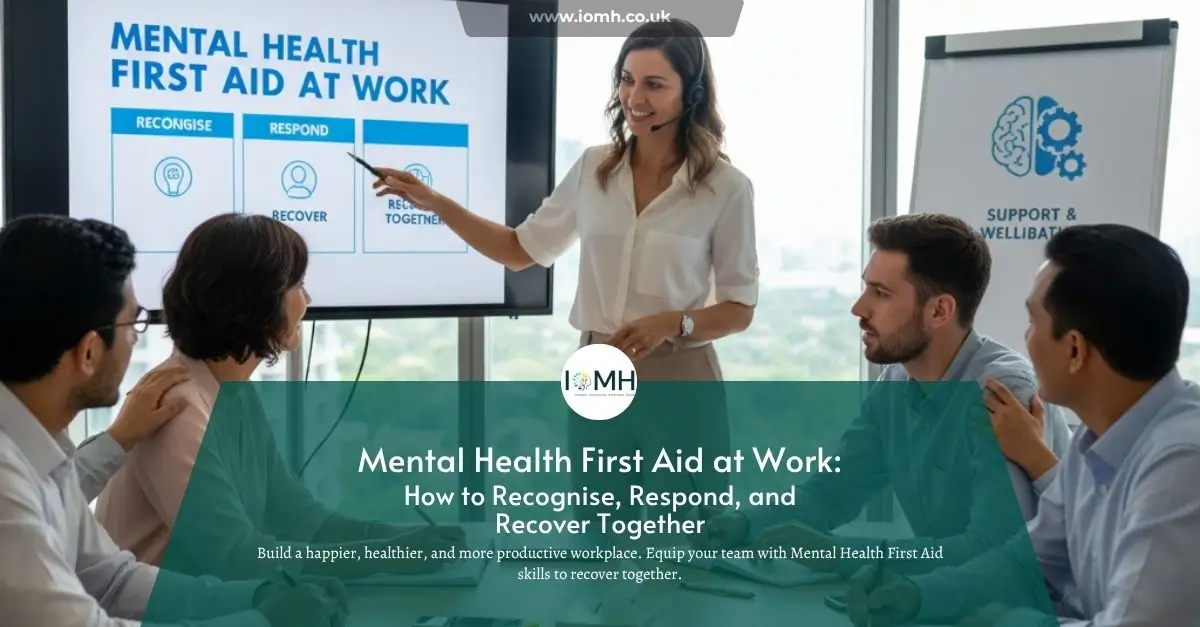
Mental health is no longer a peripheral concern in the workplace—it’s central to how organisations function, grow, and retain talent. In today’s fast-paced professional environments, employees face increasing pressures that can affect their emotional wellbeing, productivity, and relationships at work. From frontline healthcare staff to corporate managers, the need for structured mental health support is universal.
This blog explores how Mental Health First Aid (MHFA) can be applied in everyday work settings, what signs to look out for, and how managers and teams can respond effectively.
What is Mental Health First Aid?
Mental Health First Aid (MHFA) is a structured, evidence-based approach to identifying, understanding, and responding to signs of mental health issues or emotional distress. It equips individuals with the skills to offer initial support to someone experiencing a mental health problem, such as anxiety, depression, or crisis situations like suicidal thoughts. MHFA does not replace professional care but helps bridge the gap by providing reassurance, active listening, and guidance toward appropriate services. Widely used in workplaces, schools, and communities, MHFA promotes early intervention, reduces stigma, and fosters a culture of mental wellbeing through informed, compassionate action.



What is Mental Health First Aid at Work?
Mental Health First Aid at Work is a structured approach to supporting employees experiencing mental health challenges. It involves training designated staff to recognise early signs of mental distress—such as anxiety, depression, or burnout—and provide initial, confidential support within the workplace. These trained individuals, known as Mental Health First Aiders, offer reassurance, listen non-judgmentally, and guide colleagues toward appropriate professional help or internal resources. The aim is not to diagnose or treat, but to intervene early, reduce stigma, and foster a culture of psychological safety.
Why Mental Health First Aid Matters at Work

Mental health first aid is more than a reactive measure—it’s a proactive strategy that helps organisations create safer, more supportive environments. When employees feel psychologically secure, they’re more likely to engage, collaborate, and perform at their best.
The Impact on Performance and Retention
Mental health challenges can affect concentration, motivation, and decision-making. Employees may struggle to meet deadlines, withdraw from team activities, or become overly critical of themselves and others. These behaviours, if unnoticed or unsupported, can lead to long-term disengagement or even resignation.
Replacing staff is costly—not just financially, but in terms of lost knowledge, disrupted workflows, and team morale. Supporting someone through a period of mental distress is often far more effective than starting over with a new hire. Mental health first aid equips managers and colleagues with the tools to intervene early, offer support, and encourage recovery.
Building a Culture of Care
Workplaces that prioritise mental health tend to see improvements in overall wellbeing, reduced absenteeism, and stronger team cohesion. When employees know that their mental health is taken seriously, they’re more likely to speak up, seek help, and support others.
Mental health first aid helps normalise these conversations. It sends a clear message: mental health is part of workplace health, and everyone has a role to play in maintaining it.
Recognising the Signs: Early Indicators of Mental Health Problems
Identifying mental health concerns early can make a significant difference in how effectively they’re addressed. While every individual experiences mental distress differently, there are common signs that managers and colleagues can look out for—often subtle, but telling.
Behavioural Signs
- Withdrawal from team activities: A previously engaged employee may become quiet, distant, or avoid social interaction.
- Erratic or uncharacteristic behaviour: Sudden mood swings, irritability, or emotional outbursts may signal underlying distress.
- Frequent absenteeism or lateness: Unexplained absences or a pattern of arriving late can indicate someone is struggling.
- Complaints about workload or fairness: Expressions of feeling overwhelmed, undervalued, or treated unfairly may reflect deeper issues.
- Reduced productivity or missed deadlines: A noticeable drop in performance, especially from a previously reliable employee, should prompt concern.
- Increased use of substances: Smell of alcohol, signs of intoxication, or references to substance use may be a coping mechanism.
Physical and Physiological Signs
- Fatigue and low energy: Persistent tiredness, even after rest, can be a symptom of anxiety or depression.
- Headaches or unexplained physical complaints: Stress often manifests physically, including tension headaches or stomach issues.
- Changes in appearance: Neglected grooming, dishevelled clothing, or weight fluctuations may reflect emotional strain.
- Sleep disturbances: Mentioning trouble sleeping or appearing consistently exhausted can be a red flag.
Communication Clues
- Negative self-talk: Phrases like “I’m useless” or “I can’t cope” may indicate declining mental health.
- Avoidance of responsibility: Reluctance to take on tasks or make decisions could stem from anxiety or low confidence.
- Over-apologising or defensiveness: These behaviours may reflect internalised stress or fear of judgement.
Recognising these signs doesn’t mean diagnosing someone—it means noticing when something seems off and responding with empathy. A simple check-in can open the door to support and recovery.
Workplace Factors That Contribute to Mental Health Issues
Mental health challenges don’t arise in isolation—they’re often shaped or intensified by the work environment itself. Understanding these contributing factors allows organisations to take preventive action and create healthier, more inclusive cultures.

High Demands with Low Control
When employees face constant pressure but have little say in how they manage their workload, stress levels can escalate quickly. This imbalance—known as high demand/low control—is a recognised risk factor for anxiety, burnout, and depression.
- Tight deadlines with limited resources.
- Micromanagement or lack of autonomy.
- Frequent changes without consultation.
Lack of Recognition or Advancement
Feeling undervalued can erode motivation and self-esteem. Employees who consistently deliver but receive little feedback, recognition, or opportunity for growth may begin to disengage.
- Absence of praise or constructive feedback.
- Limited career progression or unclear pathways.
- Unequal access to training or development.
Bullying, Discrimination, and Unfair Treatment
A toxic workplace culture can have severe mental health consequences. Whether it’s overt bullying or subtle exclusion, these behaviours undermine trust and psychological safety.
- Harassment based on race, gender, religion, or disability.
- Gossip, cliques, or passive-aggressive behaviour.
- Inconsistent enforcement of rules or policies.
Poor Communication and Role Clarity
Unclear expectations, conflicting instructions, or lack of transparency can leave employees feeling confused and anxious.
- Vague job descriptions or shifting responsibilities.
- Infrequent team meetings or feedback sessions.
- Lack of clarity around organisational changes.
Isolation and Lack of Support
Remote work, siloed teams, or minimal interaction with colleagues can lead to feelings of loneliness and detachment.
- No regular check-ins or social engagement.
- Limited access to peer support or mentoring.
- Absence of wellbeing initiatives or mental health resources.
By identifying and addressing these factors, organisations can reduce the risk of mental health issues and foster a more resilient workforce.
The Three-Step Mental Health First Aid Framework
Supporting someone with a mental health concern doesn’t require clinical expertise—it requires awareness, empathy, and a clear approach. The Mental Health First Aid framework offers a simple, three-step method that anyone in the workplace can apply.

1. Approach
The first step is knowing when and how to initiate a conversation. Timing, environment, and tone all matter.
- Choose a private, quiet space where the person feels safe.
- Avoid rushing—allow time for a calm, uninterrupted discussion.
- Be respectful and non-confrontational. Use open body language and a gentle tone.
- Start with observations, not assumptions. For example: “I’ve noticed you’ve seemed a bit withdrawn lately—how are things going?”
Approaching someone early can prevent issues from escalating and show that you care.
2. Listen and Communicate Non-Judgmentally
Listening is more than hearing—it’s about creating space for someone to speak freely without fear of judgement.
- Let the person talk at their own pace. Don’t interrupt or rush them.
- Avoid offering solutions too quickly. Focus on understanding their experience.
- Use affirming language: “That sounds really difficult” or “I appreciate you sharing this.”
- Keep the conversation confidential unless there’s a risk of harm.
Non-judgmental listening builds trust and encourages openness, which is essential for recovery.
3. Give Support and Information
Once someone has shared their concerns, offer practical support and guide them toward appropriate resources.
- Encourage them to speak to their GP, therapist, or Employee Assistance Programme (EAP).
- Offer to help with workplace adjustments—such as flexible hours or reduced workload.
- Share information about mental health services, helplines, or support groups.
- Follow up after the conversation to show ongoing support.
Support doesn’t mean solving everything—it means helping someone take the next step toward recovery.
Manager-Specific Considerations
Managers play a pivotal role in shaping how mental health is perceived and addressed within their teams. Their actions—whether intentional or not—can either foster a culture of openness or reinforce silence and stigma. Understanding the unique responsibilities and challenges managers face is essential to implementing mental health first aid effectively.
Balancing Support with Accountability
Supporting an employee’s mental health doesn’t mean lowering standards or avoiding difficult conversations. It means approaching performance issues with empathy and context.
- Address concerns early, but sensitively.
- Focus on behaviours and outcomes, not assumptions about mental health.
- Offer adjustments where appropriate, such as flexible hours or modified duties.
A supportive manager can uphold expectations while still recognising the human side of work.
Legal Obligations and Anti-Discrimination
Under the UK Equality Act 2010, mental health conditions may be considered disabilities if they have a substantial, long-term impact on daily activities. This means employers have a legal duty to make reasonable adjustments and avoid discriminatory practices.
- Document conversations and agreed adjustments.
- Ensure consistency in how policies are applied.
- Seek HR or legal advice when in doubt.
Being informed about legal responsibilities protects both the employee and the organisation.
Supporting Team Dynamics and Confidentiality
Mental health doesn’t exist in a vacuum—it affects team relationships, communication, and morale. Managers must navigate these dynamics carefully.
- Maintain confidentiality at all times. Only share information on a need-to-know basis.
- Avoid singling out or overprotecting the individual.
- Encourage team-wide wellbeing initiatives to reduce stigma.
A manager’s ability to lead with discretion and fairness can make all the difference in how mental health is handled across the team.
Navigating Disclosure: Pros and Cons for Employees
Deciding whether to disclose a mental health condition at work is deeply personal. For some, sharing their experience leads to understanding and support. For others, it may expose them to stigma or unintended consequences. Managers and colleagues must understand these dynamics to respond appropriately and foster a culture of psychological safety.

Why Employees May Choose to Disclose
- Access to support: Disclosure can unlock reasonable adjustments, such as flexible hours or workload modifications.
- Trust in leadership: When managers demonstrate empathy and discretion, employees may feel safe enough to speak up.
- Desire for transparency: Some individuals prefer to be open about their challenges to avoid misunderstandings or assumptions.
Risks and Barriers to Disclosure
- Fear of stigma: Concerns about being judged, excluded, or labelled as “unreliable” can deter disclosure.
- Impact on career progression: Some worry that revealing a mental health issue may affect promotions or future opportunities.
- Lack of confidentiality: If previous disclosures were mishandled or shared inappropriately, trust may be broken.
Creating a Safe Environment for Disclosure
- Lead by example: Managers who speak openly about mental health set a tone of acceptance.
- Respect boundaries: Never pressure someone to disclose. Let them share on their own terms.
- Respond with care: Acknowledge their courage, thank them for their trust, and discuss next steps collaboratively.
Disclosure should never be a requirement—but when it happens, it must be met with respect, discretion, and meaningful support.
When to Escalate: Crisis, Substance Use, and Safety Risks
While many mental health concerns can be managed through supportive conversations and workplace adjustments, there are situations that require immediate escalation. Knowing when and how to act is critical for protecting both the individual and the wider team.
Recognising Crisis Situations
Some signs indicate that a person may be in acute distress and at risk of harm to themselves or others. These include:
- Expressions of suicidal thoughts or intentions.
- Signs of self-harm or physical injury.
- Severe emotional breakdowns or panic attacks.
- Delusions, hallucinations, or disconnection from reality.
In these cases, it’s essential to act quickly and responsibly. Do not attempt to manage the situation alone.
Substance Use and Intoxication
If an employee appears intoxicated or is misusing substances at work, this may pose a safety risk. It’s important to:
- Ensure the person is safe and not operating machinery or driving.
- Avoid confrontation—focus on support and next steps.
- Refer to workplace policies and involve HR or occupational health.
Substance use may be a symptom of deeper mental health struggles, and should be approached with care, not judgement.
Escalation Protocols
When a situation exceeds the scope of mental health first aid, follow these steps:
- Contact emergency services if there is an immediate risk to life.
- Notify HR or your designated safeguarding lead.
- Refer the individual to the Employee Assistance Programme (EAP) or their GP.
- Document the incident and actions taken, maintaining confidentiality.
Having clear protocols in place ensures that everyone knows what to do in a crisis and can act swiftly without confusion.
Follow-Up and Ongoing Support
Mental health first aid doesn’t end with a single conversation. Ongoing support is essential to help individuals recover, stay engaged, and feel valued within the workplace. Managers and colleagues should be prepared to follow up consistently and thoughtfully.
Regular Check-Ins
- Schedule informal follow-ups to see how the person is doing.
- Keep the tone relaxed and non-intrusive—this isn’t a performance review.
- Ask open-ended questions like “How have things been feeling lately?” or “Is there anything that would help right now?”
Consistency shows that support isn’t conditional or short-lived.
Monitoring Adjustments and Workload
- Review any workplace adjustments to ensure they’re still appropriate.
- Be flexible—needs may change over time.
- Avoid overloading the individual, even if they seem to be improving.
Recovery isn’t linear, and pushing too hard too soon can cause setbacks.
Supporting Co-Workers and Team Morale
- Encourage a team culture where mental health is openly discussed and respected.
- Offer training or resources to help colleagues understand how to support one another.
- Address any tension or misunderstanding that may arise due to adjustments or disclosures.
Mental health support works best when it’s embedded across the team—not just managed by one person.
Conclusion
Mental health first aid is no longer a niche concept—it’s a vital part of modern workplace culture. By recognising the signs of distress, responding with empathy, and offering practical support, organisations can create environments where people feel safe, valued, and empowered to thrive.
For managers and team leaders, the responsibility goes beyond compliance. It’s about fostering trust, encouraging open dialogue, and ensuring that mental health is treated with the same seriousness as physical health. For colleagues, it’s about being present, listening without judgement, and knowing when to step in or escalate.
Now is the time to act. Review your policies, train your staff, and start the conversations that matter. Because when mental health is supported, everyone benefits.


- All Courses
 Personal Development (1283)
 Career Bundle (479)
 Management & Administration (460)
 Employability (439)
 Health & Social Care (411)
 Health and Safety (382)
 Business (320)
 Teaching & Education (268)
 IT & Software (263)
 Health and Fitness (238)
 QLS Endorsed Courses (219)
 Mental Health & Counselling (168)
 Science & Technology (153)
 Accounting & Finance (144)
 Sales & Marketing (128)
 Construction & Engineering (126)
 Art & Design (125)
 Compliance & Law (112)
 Language (86)
 Photography & Lifestyle (58)
 Animal Care (57)
 Food Safety & Hygine (53)
 Diet & Nutrition (49)
 Sports & Fitness (47)
 Makeup & Beauty (43)
 First Aid (39)
 Agriculture (2)
0 responses on "Mental Health First Aid at Work: How to Recognise, Respond, and Recover Together"