




Introduction: Why Choose a Career as a Maternity Care Assistant in the UK?
If you’re passionate about supporting expectant mothers and newborns, becoming a maternity care assistant in the UK could be the perfect career path. Also known as a maternity support worker, this role is vital within the NHS and private healthcare settings, offering hands-on care during one of life’s most transformative moments—pregnancy and childbirth.
With rising demand for pregnancy support in the UK, maternity care assistants are increasingly recognised for their compassionate presence and practical skills. Whether you’re helping a mother through labour or assisting with postnatal care, your contribution makes a real difference.
This guide will walk you through everything you need to know—from qualifications and training to job applications and career progression—so you can confidently pursue NHS maternity jobs or roles in private maternity clinics.


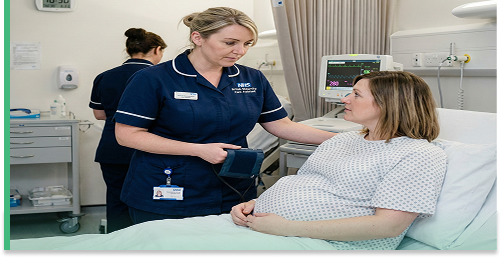
What Is a Maternity Care Assistant?
A maternity care assistant, also known as a maternity support worker or midwifery assistant, plays a crucial role in supporting midwives and nurses in delivering high-quality care to expectant and new mothers. This position is especially vital within NHS maternity services, where teamwork and compassionate care are at the heart of every birth experience.
Maternity care assistants help with a wide range of tasks, including:
- Assisting mothers during labour and delivery
- Supporting postnatal care, such as helping with breastfeeding and hygiene
- Monitoring vital signs and reporting changes to midwives
- Providing emotional reassurance and practical help to families
They work in various settings across the UK, including NHS hospitals, birthing centres, and community clinics. Some may also assist with pregnancy support at home, especially in outreach or community-based roles.
Whether you’re helping a mother through her first birth or caring for a newborn in the early hours of life, this role offers a deeply rewarding experience. It’s ideal for those who want to make a meaningful impact in maternity healthcare support without needing a university degree.
Another common question is: What is the difference between domiciliary care and live-in care?
Essential Skills and Personal Qualities for Maternity Care Assistants
To thrive as a maternity care assistant in the UK, you’ll need more than just formal qualifications—you’ll need heart, resilience, and a genuine passion for helping others. This role demands a unique blend of emotional intelligence and practical ability, especially when supporting women through pregnancy, labour, and postnatal recovery.
Here are the key skills for maternity support workers that employers across the NHS and private maternity services look for:

- Empathy and compassion: You’ll be working with mothers during vulnerable moments. A warm, understanding approach is essential.
- Strong communication skills: Whether you're updating midwives or comforting a nervous parent, clear and respectful communication is vital.
- Physical stamina: Maternity wards can be fast-paced and physically demanding, especially during long shifts.
- Adaptability and teamwork: You’ll often work alongside midwives, nurses, and other healthcare professionals, so being a flexible team player is crucial.
- Adaptability and teamwork: You’ll often work alongside midwives, nurses, and other healthcare professionals, so being a flexible team player is crucial.
- Attention to detail: Monitoring vital signs, recording observations, and spotting changes in a mother’s or baby’s condition requires focus and care.
Educational Requirements to Become a Maternity Care Assistant in the UK
One of the most appealing aspects of becoming a maternity care assistant in the UK is that you don’t need a university degree to get started. However, having the right educational foundation can significantly improve your chances of landing a role in NHS maternity care or private healthcare settings.
Minimum Qualifications
Most employers require:
Recommended Courses
To stand out in applications, consider pursuing:
- Level 2 or Level 3 Diploma in Health and Social Care
- NCFE CACHE qualifications tailored to healthcare support
- Care Certificate, which is often completed during NHS induction training
Training Pathways and Apprenticeships for Maternity Care Assistants
If you’re wondering how to gain hands-on experience and formal training as a maternity care assistant in the UK, there are several accessible routes to help you get started—many of which are supported by the NHS and local training providers.
NHS Apprenticeships
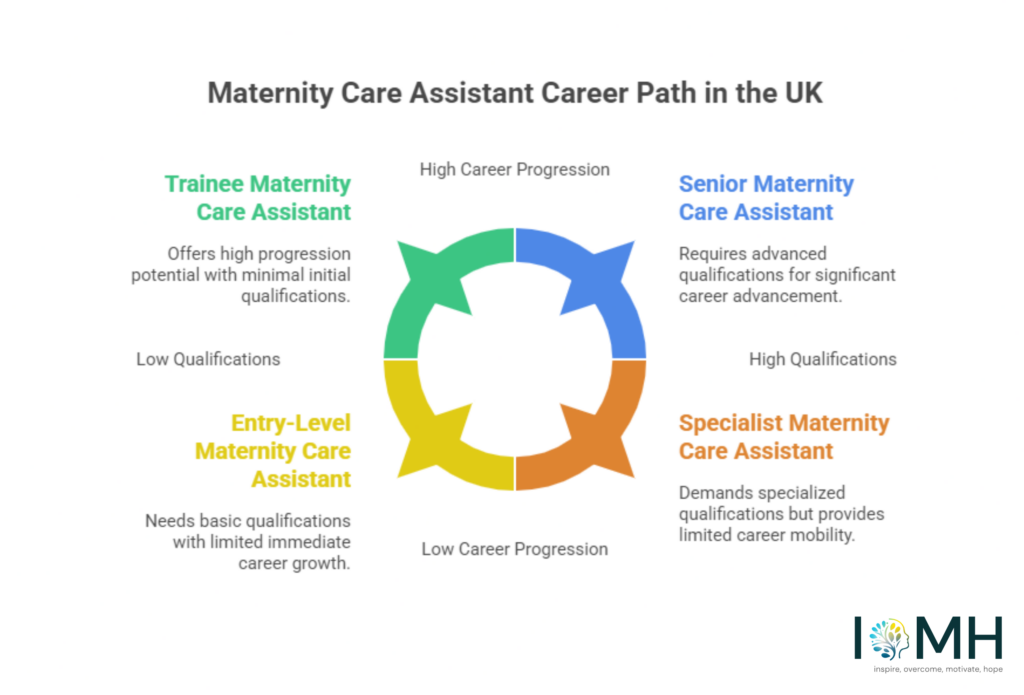
One of the most popular options is the Level 2 Healthcare Support Worker Apprenticeship, which can lead to a Level 3 Senior Healthcare Support Worker (Maternity Pathway). These apprenticeships combine classroom learning with real-world experience in maternity units, giving you the chance to earn while you learn.
On-the-Job Training
Many NHS trusts offer structured induction programmes where you’ll complete the Care Certificate—a nationally recognised set of standards for health and social care workers. This is often the first step for new recruits in NHS maternity care assistant jobs.
Volunteering and Work Experience
If you’re just starting out, volunteering in a hospital, care home, or community centre can be a great way to build relevant experience. Roles that involve working with children, families, or vulnerable adults are especially valuable and can strengthen your application for maternity support worker jobs.
These training pathways for maternity care assistants are designed to be flexible and inclusive, making it easier for people from all backgrounds to enter the field of pregnancy support in the UK.
How to Apply for Maternity Care Assistant Jobs in the UK
Once you’ve got the right qualifications and training, the next step is landing your first role as a maternity care assistant in the UK. Whether you’re aiming for a position in the NHS or a private maternity clinic, knowing where to look and how to present yourself is key.
Where to Find Jobs
Start your search on trusted platforms like:
- NHS Jobs – the official site for NHS vacancies, including maternity support worker jobs
- Find a Job (gov.uk) a government-run job board with healthcare listings
- Local NHS Trust websites and hospital career pages
Tips for a Strong Application
- Tailor your CV to highlight relevant experience, such as childcare, healthcare, or volunteering.
- Write a compelling cover letter that reflects your understanding of NHS values—compassion, respect, and commitment to quality care.
- Include your Care Certificate and any completed training to show you're job-ready.
Interview Preparation
Expect questions about:
- How you handle emotional situations
- Your understanding of maternity care
- Examples of teamwork and communication
Applying for NHS maternity jobs can be competitive, but with the right preparation and mindset, you’ll stand out as a compassionate and capable candidate ready to support families through one of life’s most important journeys.
Career Progression Opportunities for Maternity Care Assistants in the UK
Starting your journey as a maternity care assistant in the UK opens the door to a wide range of career opportunities in healthcare. Whether you want to deepen your expertise in maternity care or transition into a clinical role, there are clear pathways for growth.
Progressing Within Maternity Support
Many maternity support workers go on to become senior healthcare support workers, taking on more responsibility and mentoring new staff. With experience, you may also specialise in areas like neonatal care or antenatal education.
Becoming a Midwife or Nurse
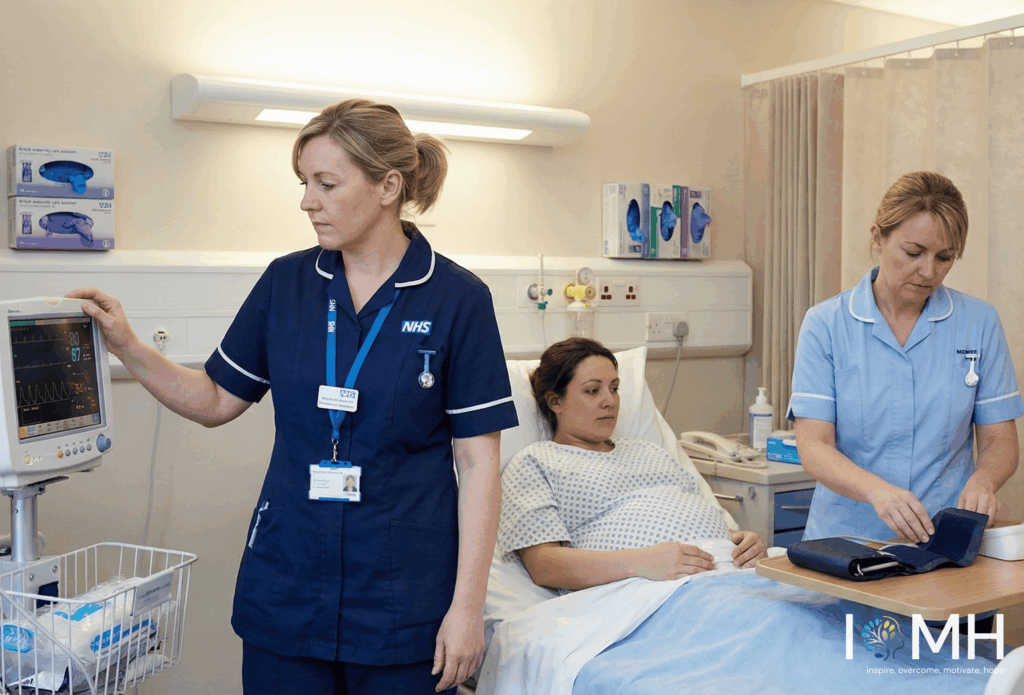
If you’re inspired to take your career further, you can train becoming a midwife in the UK. This typically involves completing a degree in midwifery, which you can pursue full-time or via a degree apprenticeship—a popular route for NHS staff looking to upskill while working.
Alternatively, you might consider nursing, especially in fields like paediatrics or community health, where your maternity care experience will be highly valued.
- Regulation and inspection ratings: Always check if the agency is registered with the Care Quality Commission (CQC) or the relevant body in your nation (Scotland, Wales, or Northern Ireland). Their inspection reports are public and highlight strengths or concerns.
- Staff training and qualifications: Confirm that carers have undergone proper training, background checks (DBS), and ongoing professional development.
- Continuity of care: Ask whether the same domiciliary care worker will visit regularly. Familiarity builds trust and comfort for clients.
- Flexibility of care plans: Needs can change over time, so choose an agency that adapts care packages easily.
- Emergency support: Find out how the agency handles sudden changes, such as illness or urgent cover.
Continuing Professional Development (CPD)
The Royal College of Midwives (RCM) and other professional bodies offer workshops, online courses, and certifications to help you stay current and expand your skills. CPD is essential for anyone looking to advance in healthcare careers in the UK.
Whether you’re aiming to climb the NHS career ladder or simply want to enhance your impact in pregnancy support, the opportunities are both diverse and rewarding.
Conclusion: Start Your Journey as a Maternity Care Assistant in the UK
Becoming a maternity care assistant in the UK is more than just a job—it’s a chance to make a lasting impact on families during one of the most meaningful times in their lives. Whether you’re drawn to the emotional rewards of pregnancy support, the opportunity to work within NHS maternity services, or the potential for career growth, this path offers both purpose and progression.
With accessible maternity care assistant qualifications, flexible training options like apprenticeships, and a growing demand for compassionate healthcare professionals, there’s never been a better time to explore this career.
So, if you’re ready to take the first step, start by exploring maternity support worker jobs on the NHS Jobs website, connect with local training providers, or volunteer in a maternity setting to gain experience.
Your journey into maternity healthcare support starts now—and the families you’ll help are waiting.


- All Courses
 Personal Development (1283)
 Career Bundle (479)
 Management & Administration (460)
 Employability (439)
 Health & Social Care (411)
 Health and Safety (382)
 Business (320)
 Teaching & Education (268)
 IT & Software (263)
 Health and Fitness (238)
 QLS Endorsed Courses (219)
 Mental Health & Counselling (168)
 Science & Technology (153)
 Accounting & Finance (144)
 Sales & Marketing (128)
 Construction & Engineering (126)
 Art & Design (125)
 Compliance & Law (112)
 Language (86)
 Photography & Lifestyle (58)
 Animal Care (57)
 Food Safety & Hygine (53)
 Diet & Nutrition (49)
 Sports & Fitness (47)
 Makeup & Beauty (43)
 First Aid (39)
 Agriculture (2)
0 responses on "How to Become a Maternity Care Assistant in the UK: Step-by-Step Career Guide"