




What Is an Early Years Teacher?
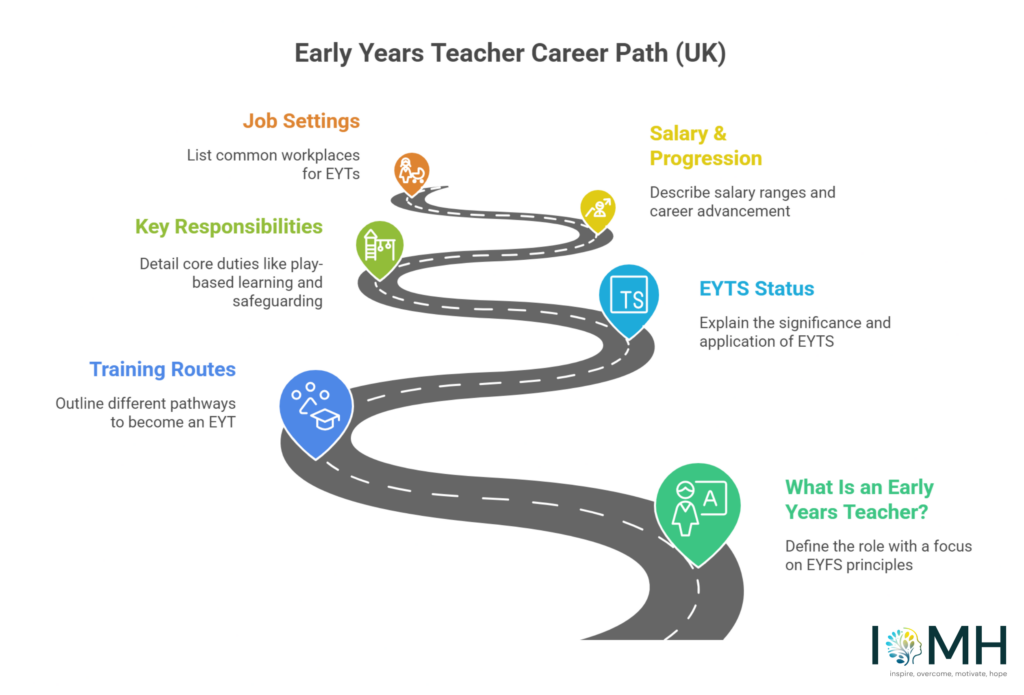
An early years teacher plays a vital role in shaping the first stages of a child’s education. In the UK, this role is closely linked to the Early Years Foundation Stage (EYFS) framework, which sets the standards for learning, development, and care from birth to age five. Early years teachers, sometimes referred to as early years foundation stage teachers, create a learning environment that nurtures curiosity, creativity, and social development through play-based activities and structured guidance.
Unlike nursery practitioners or childminders, an early years teacher holds professional training and status that equips them to deliver the EYFS curriculum and track children’s developmental progress. They don’t just supervise children; they plan lessons, carry out observations, and assess each child’s learning journey. This ensures children build strong foundations in literacy, numeracy, communication, and emotional skills before they move into primary school.
It’s also worth noting the distinction between Early Years Teacher Status (EYTS) and Qualified Teacher Status (QTS). While QTS is required for teaching older children in state schools, EYTS specifically qualifies you to work with children in early years settings, including nurseries, preschools, and reception classes. Both statuses recognise professional competence, but EYTS is tailored to early childhood education.



Qualifications & Early Years Teacher Training
To become an early years teacher in the UK, you’ll need the right blend of academic qualifications and practical training. Most routes start with a degree, but if you don’t already have one, you can choose an undergraduate programme that incorporates early years teacher training. For graduates, there are postgraduate options such as the Early Years Initial Teacher Training (EYITT), which leads to Early Years Teacher Status (EYTS).
There are different pathways into the role:
- Graduate entry: for those with a degree, often including work placements in early years settings.
- Graduate employment-based route: designed for people already working in nurseries or schools who want to gain EYTS while continuing their job.
- Undergraduate degree with EYITT: for those starting fresh, combining academic study with early years practice.
- Assessment only: for highly experienced practitioners who can demonstrate they already meet the standards without further training.
Alongside formal study, applicants must meet essential requirements such as passing literacy and numeracy checks, undergoing a Disclosure and Barring Service (DBS) check, and demonstrating knowledge of safeguarding. Some training routes even provide bursaries, making it more accessible to train as an Early Years Foundation Stage teacher.
By completing one of these pathways, you’ll be fully equipped to apply for early years teacher jobs, whether in nurseries, children’s centres, or reception classes in primary schools.
Skills & Qualities You’ll Need
Being an early years teacher requires more than just formal qualifications – it’s about the personal qualities and professional skills you bring to the role. Since early childhood is such a formative stage, employers look for candidates who can combine knowledge of the Early Years Foundation Stage (EYFS) framework with patience, creativity, and adaptability.
Key skills include:
- Communication: You’ll need to communicate clearly with children, parents, and colleagues, tailoring your approach to suit different needs.
- Creativity and adaptability: Learning through play is central to early years teaching. A strong early years foundation stage teacher can turn everyday moments into opportunities for discovery.
- Observation and assessment: You must be able to track children’s development accurately and record progress against EYFS milestones.
- Teamwork and collaboration: Working closely with other staff, such as nursery assistants or SEN specialists, is vital for creating a supportive learning environment.
- Resilience and patience: Young children require consistency and calm guidance, even on the most challenging days
Employers advertising an early years teacher vacancy often highlight these attributes as essential. While training equips you with the technical side, it’s these personal qualities that will set you apart in interviews and help you thrive in the classroom.
What the Early Years Teacher Role Entails (Responsibilities)
The day-to-day life of an early years teacher is full of variety and purpose. At its core, the role involves planning and delivering activities that support the Early Years Foundation Stage (EYFS) curriculum, ensuring children develop across the prime and specific areas of learning. This includes everything from encouraging early literacy and numeracy to supporting personal, social, and emotional development.

Typical responsibilities include:
- Designing engaging, play-based learning experiences tailored to individual needs.
- Observing and assessing children’s progress, then recording evidence to meet EYFS requirements.
- Working with parents and carers to share updates and provide guidance on home learning.
- Ensuring safeguarding, health and safety, and inclusion policies are followed at all times.
- Supporting colleagues such as teaching assistants or SEN specialists to create a positive classroom environment.
- Preparing children for the transition into primary school.
Depending on the setting, you may also take on leadership duties, such as mentoring staff, managing a classroom team, or contributing to early years teacher training for new recruits. Employers listing an early years teacher vacancy usually expect candidates to demonstrate confidence in both teaching and compliance, as Ofsted inspections require evidence of high-quality provision.
Early Years Teacher Status & Pay
One of the defining features of this profession is achieving Early Years Teacher Status (EYTS). This professional recognition confirms that you have met the standards required to teach across the Early Years Foundation Stage (EYFS). While it’s comparable in status to Qualified Teacher Status (QTS), there are some important differences. EYTS is specific to early years and does not allow you to teach in state-maintained primary or secondary schools. However, it still carries significant weight, opening doors to leadership roles in nurseries, children’s centres, and private early years settings.
Salary expectations
When considering an early years teacher job, pay is an important factor. Salaries can vary depending on your experience, location, and the type of setting:
- Starting salaries for newly qualified early years teachers often range from £18,000 to £22,000 in private nurseries, but can be higher in schools or local authority settings.
- With experience, salaries typically rise, with many professionals earning between £25,000 and £30,000.
- Geographic differences matter: London and the South East tend to offer higher pay due to cost of living, while roles in smaller towns or rural areas may pay less.
- Leadership roles, such as nursery manager or early years coordinator, can attract salaries of £35,000 or more.
Working patterns
Early years teachers often work full-time, but part-time opportunities are available. Depending on the setting, hours may be structured around school terms or extend year-round in nurseries. Flexibility is often possible, but workload can include planning, assessments, and regulatory tasks outside of classroom hours.
Status and opportunities
While early years teacher status doesn’t provide the same statutory recognition as QTS, it still enhances employability, making you eligible for a wider range of positions and often improving your prospects for promotion. Employers value EYTS as evidence of advanced training, especially when filling early years teacher vacancies that require strong leadership and curriculum knowledge.
Finding Early Years Teacher Jobs & Vacancies
Once you’ve completed your training and gained Early Years Teacher Status (EYTS), the next step is securing the right role. The demand for early years professionals is strong across the UK, but knowing where to look and how to apply will make the process smoother.
Where to look for jobs
There are several reliable platforms and networks to explore when searching for early years teacher vacancies:
- Specialist job boards such as TES and Nursery World often advertise roles within schools and nurseries.
- General job boards like Totaljobs or Indeed feature a wide range of listings for early years teacher jobs across the UK.
- Local authority websites regularly post vacancies in council-run nurseries and children’s centres.
- School and nursery networks: Some early years settings prefer to advertise directly on their own websites or through local recruitment channels.
Understanding job postings
When browsing job adverts, look out for key requirements such as EYTS, knowledge of the EYFS framework, and relevant experience. Pay attention to whether the role is term-time only, year-round, part-time, or full-time. Salary bands are often included but can vary widely depending on the setting.
Crafting a strong application
Your CV should highlight your early years teacher training, practical experience, and knowledge of the EYFS curriculum. Use examples of placements, volunteer work, or previous jobs to demonstrate your skills in child development, safeguarding, and classroom leadership. A tailored cover letter can help show your enthusiasm and commitment to early years education.
Tips for success
Networking within early years communities, joining professional associations, and staying up to date with Ofsted reports can give you an edge when applying. Employers value applicants who not only have EYTS but also show genuine passion and up-to-date awareness of sector standards.
Preparing for Interviews & Demonstrating Fit
Landing an interview for an early years teacher job is a big step, but preparation is essential to stand out. Employers want to see not only your qualifications and Early Years Teacher Status (EYTS) but also your ability to apply theory to practice and create a nurturing environment for children.
Common interview questions
Expect questions that test your knowledge of the EYFS framework, safeguarding practices, and child development. For example, you may be asked how you would support a child struggling with communication skills, or how you would adapt learning activities for different developmental needs. Behaviour management and classroom organisation are also common themes.
Be ready to answer questions such as:
- “How do you support learning through play in line with the EYFS framework?”
- “How would you handle a safeguarding concern?”
- “Can you give an example of when you adapted your teaching for a child’s individual needs?”
- “What do you see as the role of an early years teacher compared to a teaching assistant or practitioner?”
How to Show Your Fit
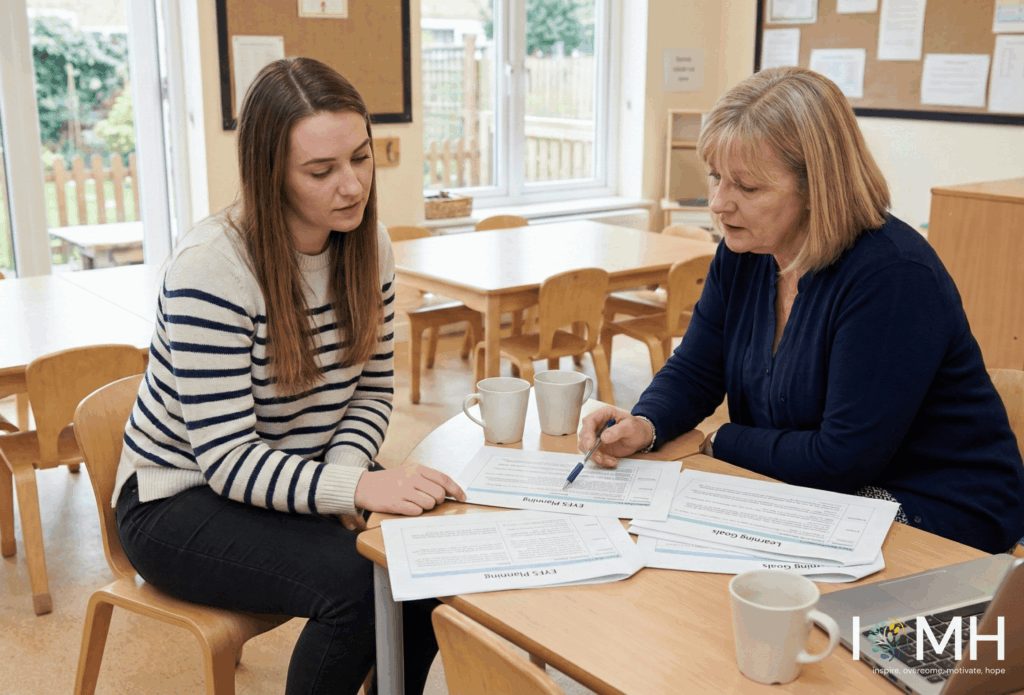
- Demonstrate EYFS knowledge – Use examples from placements or previous roles to show you can plan, observe, and assess effectively.
- Highlight safeguarding – Stress your understanding of child protection policies and your responsibility for keeping children safe.
- Show teamwork – Employers value collaboration with assistants, parents, and other teachers.
- Use real-life examples – Share success stories where you helped a child make progress.
Showcasing high-impact practice
Employers often ask for evidence of how you’ve made a difference. For instance, you might describe how you set up a sensory activity that helped children with special educational needs, or how you encouraged reluctant learners through creative play. These success stories demonstrate your impact as an educator.
Teaching tasks and presentations
Many interviews for early years teacher vacancies include a short teaching activity or presentation. This is your chance to demonstrate your creativity, planning skills, and rapport with children. Keep activities simple, engaging, and aligned with EYFS goals.
Professional qualities
Finally, remember that soft skills matter as much as knowledge. Show enthusiasm, warmth, and resilience, as these qualities reassure employers that you can handle both the joys and challenges of early years teaching.
Challenges & Rewards of Being an Early Years Teacher
Becoming an early years teacher is both highly rewarding and, at times, demanding. Understanding the joys and challenges of the role will help you prepare for a long-term career in early years education.
The rewards
One of the greatest rewards is seeing children develop skills that will stay with them for life—whether it’s learning to speak in full sentences, recognising letters, or making friends. The role offers daily variety and creativity, as lessons often involve music, art, outdoor play, and storytelling. Many teachers also highlight the deep sense of satisfaction that comes from knowing they’ve played a vital role in shaping a child’s future.
Common challenges
The role does come with challenges. Workload can be heavy, with lesson planning, observations, and paperwork often extending beyond classroom hours. Regulatory requirements, such as Ofsted inspections and safeguarding obligations, add pressure. Behaviour management can also be emotionally demanding, particularly when working with children who have additional needs or complex family situations.
Strategies to cope
Despite these challenges, many early years teachers thrive by seeking support and professional development. Continuous Professional Development (CPD) courses, networking with other teachers, and mentoring relationships all provide tools to manage stress and improve practice. Self-care is also essential—maintaining work-life balance and resilience helps sustain a long-term career in the sector.
Career Progression & Long-Term Prospects
A career as an early years teacher offers more than just a starting role in nurseries or reception classes—it can develop into a wide range of opportunities with increased responsibility, pay, and professional recognition.
Opportunities beyond entry level
After gaining experience, early years teachers often progress into leadership roles such as room leader, nursery manager, or early years coordinator. These positions involve supervising staff, overseeing curriculum delivery, and ensuring regulatory compliance across settings. In some cases, early years teachers may move into school-based reception classes, supporting the transition from nursery to primary education.
Specialisation and further training
There are opportunities to specialise in areas such as special educational needs (SEN), speech and language development, or child safeguarding. Additional qualifications—such as postgraduate certificates or diplomas—allow teachers to deepen their expertise. Continuous Professional Development (CPD) is highly encouraged and often supported by employers.
Pay and status over time
Career progression usually leads to higher salaries. While entry-level pay can be modest, moving into management or specialist roles can push earnings beyond £35,000, especially in larger nurseries or urban areas. Gaining further qualifications or moving into advisory roles within local authorities or early years consultancy can also increase both pay and professional standing.
Long-term prospects
Demand for early years professionals remains strong, driven by government investment in childcare and education, and the recognition that early intervention is critical for lifelong success. This means the outlook for those seeking early years teacher jobs is positive, with ongoing opportunities for career growth.
Conclusion
Becoming an early years teacher is a rewarding career path that blends professional training with the joy of shaping children’s earliest learning experiences. To succeed, you’ll need to complete the right early years teacher training, gain Early Years Teacher Status (EYTS), and build essential skills such as communication, creativity, and resilience. From there, you can explore a wide range of early years teacher jobs, prepare effectively for interviews, and grow into leadership or specialist roles over time.
While the role can be challenging—with responsibilities ranging from lesson planning to regulatory compliance—the rewards are immense. Few careers offer the same opportunity to see the direct impact of your work as children take their first steps in learning and development.
If you’re passionate about giving children the best start in life, now is the time to take the next step. Whether that means applying for early years teacher vacancies, starting a training course, or updating your CV, each action brings you closer to a fulfilling and impactful career.


- All Courses
 Personal Development (1283)
 Career Bundle (479)
 Management & Administration (460)
 Employability (439)
 Health & Social Care (411)
 Health and Safety (382)
 Business (320)
 Teaching & Education (268)
 IT & Software (263)
 Health and Fitness (238)
 QLS Endorsed Courses (219)
 Mental Health & Counselling (168)
 Science & Technology (153)
 Accounting & Finance (144)
 Sales & Marketing (128)
 Construction & Engineering (126)
 Art & Design (125)
 Compliance & Law (112)
 Language (86)
 Photography & Lifestyle (58)
 Animal Care (57)
 Food Safety & Hygine (53)
 Diet & Nutrition (49)
 Sports & Fitness (47)
 Makeup & Beauty (43)
 First Aid (39)
 Agriculture (2)
0 responses on "Your Complete Guide to Early Years Teacher Jobs, Training & EYTS Status"