




Introduction
Health and social care is not just about treating illness or helping people with physical tasks. It is about supporting the whole person so they can live with dignity, confidence, and independence. Every person has physical needs, but they also have thoughts, feelings, and social relationships. All of these areas affect health and wellbeing, and they are closely linked. When one area is not supported properly, it can have a negative impact on the others.
This is where PIES in health and social care becomes important. The PIES model is a simple but effective way of understanding a person’s full range of needs. It encourages care professionals to look beyond physical health and consider intellectual, emotional, and social wellbeing as well. By using this approach, care workers can gain a better understanding of the individual and provide more balanced and meaningful support.
The PIES model also supports person-centred care, which is a key principle of health and social care practice in the UK. Person-centred care means placing the individual at the centre of all decisions, respecting their choices, values, and needs. Whether supporting someone in a hospital, care home, school, or community setting, the PIES model helps ensure care is compassionate, inclusive, and effective.
This blog is written in clear, simple language and is ideal for learners, care workers, and anyone new to health and social care who wants to understand how holistic care works in real-life settings.


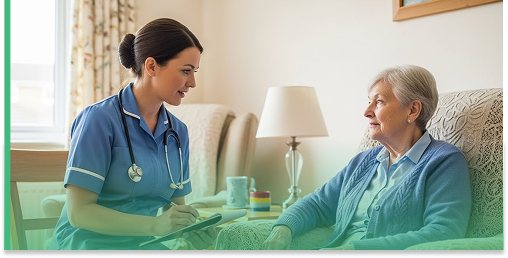
What Is PIES in Health and Social Care?
PIES in health and social care is a simple but important model used to understand and support the whole person, not just their physical health. It recognises that a person’s wellbeing is made up of four connected areas:
- Physical – the body, health, mobility, diet, and medical needs
- Intellectual – thinking skills, learning, understanding information, and decision-making
- Emotional – feelings, confidence, mental health, and emotional wellbeing
- Social – relationships, social interaction, family support, and community involvement
Rather than focusing only on illness or physical problems, the PIES model encourages care workers to look at how all areas of a person’s life affect each other. For example, long-term physical illness can lead to anxiety or low mood, while social isolation can affect confidence and mental health.
In health and social care settings, the PIES model helps professionals to:
- Assess needs more accurately by looking at physical, mental, emotional, and social factors together
- Plan better care and support that is tailored to the individual’s needs and preferences
- Improve overall quality of life, not just manage symptoms
- Deliver person-centred care, where the individual is at the centre of all decisions
This holistic approach is widely used across the UK in hospitals, care homes, community services, schools, and support services, helping care professionals provide balanced, respectful, and effective care
What Is the PIES Model?
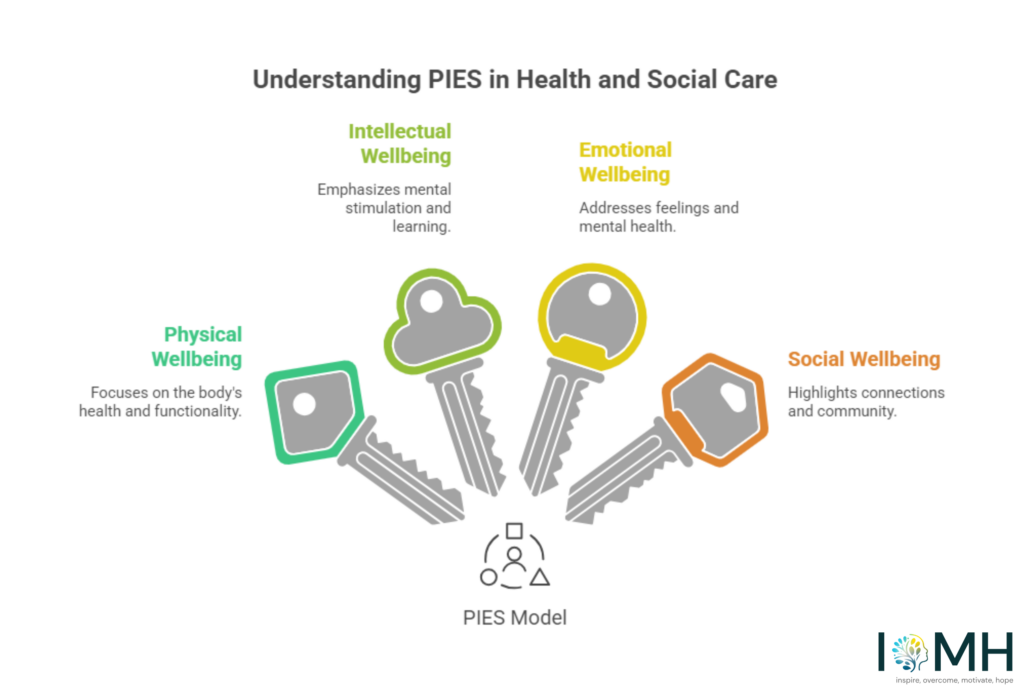
The PIES model is a widely used framework in health and social care that supports holistic care. Holistic care means looking after the whole person, not just focusing on one illness, condition, or physical need. The model helps care workers understand that a person’s wellbeing is made up of different but connected areas of life.
The PIES model breaks wellbeing into four key areas, which are considered together when assessing needs and planning care.
Physical
- Health and illness, including long-term conditions
- Mobility, strength, and physical ability
- Diet, nutrition, and hydration
- Hygiene and personal care needs
- Medical needs, such as medication and treatment
Intellectual
The intellectual area looks at how a person thinks, learns, and understands the world around them. Supporting intellectual needs helps keep the mind active and promotes independence. This includes:
- Learning and education opportunities
- Memory, concentration, and thinking skills
- Understanding information and instructions
- Decision-making and problem-solving
- Mental stimulation through activities and hobbies
Emotional
The emotional area focuses on a person’s feelings and mental wellbeing. Emotional support is essential for confidence, self-worth, and overall happiness. This area includes:
- Feelings and moods
- Confidence and self-esteem
- Stress, anxiety, and emotional pressure
- Mental health and emotional resilience
- Emotional support, reassurance, and empathy
Social
The social area relates to relationships and social connections. Positive social interaction helps reduce loneliness and supports emotional wellbeing. This includes:
- Relationships with family, friends, and carers
- Social interaction and communication
- Community involvement and group activities
- Feeling included and valued
- Support networks and social support systems
By using the PIES model, care workers can see how these areas are connected. For example, poor physical health may affect emotional wellbeing, or social isolation may impact mental health. Understanding these links helps professionals provide balanced, person-centred, and effective care that supports the individual as a whole.
Why the PIES Model Matters in Health and Social Care
The PIES model matters because people are more than just their physical health. Someone may be medically stable or receiving the right treatment, but they might still feel lonely, anxious, confused, or unsupported. If these needs are ignored, care is not complete.
In health and social care, professionals are expected to support the whole person, not just manage illness. The PIES model helps care workers do this by making sure they consider physical, intellectual, emotional, and social needs together.
In the UK, health and social care services are guided by important values such as:
- Dignity – treating people with respect and valuing them as individuals
- Respect – listening to people and taking their views seriously
- Equality – ensuring everyone has fair access to care and support
- Choice – allowing individuals to be involved in decisions about their care
- Person-centred care – putting the individual at the centre of all care planning
The PIES model supports all of these values by encouraging care workers to understand each person’s unique needs, preferences, and circumstances.
Many people in the UK live with long-term health conditions, disabilities, or mental health challenges. Organisations such as the NHS promote holistic care, which focuses on improving overall wellbeing rather than only treating symptoms. The PIES model plays an important role in this approach.
Why PIES Is Important
Using the PIES model in health and social care:
- Improves the quality of care by addressing all areas of a person’s life
- Supports mental and emotional wellbeing, not just physical health
- Helps prevent problems early, before they become more serious
- Encourages independence by supporting confidence and decision-making
- Strengthens relationships between care workers and individuals through trust and understanding
By using the PIES model, care workers can deliver balanced, compassionate, and person-centred care that truly meets individual needs and improves quality of life.
What Does PIES Mean in Health and Social Care?
In health and social care, PIES means looking at the whole person rather than focusing on just one area of their life. It involves understanding how physical, intellectual, emotional, and social needs are closely connected and how a change in one area can affect the others.
For example, poor physical health can lead to low mood or frustration. Feeling lonely or socially isolated can have a negative impact on mental health. Anxiety or emotional distress may reduce a person’s motivation to eat well, stay active, or look after themselves. The PIES model helps care workers recognise these links so they can respond in a supportive and appropriate way.
By using the PIES model, care professionals are better able to understand what a person truly needs and provide care that supports overall wellbeing, not just physical health. It helps them plan support that is balanced and tailored to the individual.
The PIES model also supports key policies and procedures in health and social care, including:
- Person-centred planning, which places the individual at the centre of care decisions
- Risk assessment to identify and reduce potential harm
- Safeguarding, to protect individuals from abuse and neglect
- Equality and diversity, ensuring fair and respectful care for everyone
Overall, PIES helps ensure care is holistic, safe, and focused on the individual’s full wellbeing.
How Health and Social Care Workers Use the PIES Model
Health and social care workers use the PIES model every day to help them understand a person’s needs and plan the right care and support. By looking at physical, intellectual, emotional, and social needs together, workers can provide care that is balanced, person-centred, and effective.
The PIES model is used by many professionals, including:

These professionals use the PIES model at different stages of care to make sure support meets the individual’s needs.
They apply PIES during:
- Initial assessments, to gain a full picture of the person’s wellbeing
- Care planning, to decide what support is needed in each area
- Reviews and updates, to check progress and identify any changes in needs
- Daily support to guide everyday care and interactions
Examples of How Workers Use the PIES Model
In practice, health and social care workers may use the PIES model by:
- Observing physical health and mobility, such as movement, strength, pain levels, and ability to carry out daily tasks
- Talking to individuals about feelings and worries, helping them express emotions and feel listened to
- Encouraging learning and independence, for example by supporting decision-making or trying new activities
- Supporting social activities, such as group sessions, family visits, or community involvement
By using the PIES model, care workers are able to deliver safe, effective, and compassionate care that supports the whole person and improves overall wellbeing.
Benefits of Applying the PIES Model
Applying the PIES model in health and social care brings many important benefits for both individuals receiving care and the professionals supporting them. By focusing on physical, intellectual, emotional, and social needs together, care becomes more balanced and effective.
Some of the key benefits of using the PIES model include:
Whole-Person Care
- Care addresses all areas of a person’s life, not just illness or physical health
- Helps professionals understand how different needs are connected
- Ensures support is balanced and holistic
Improved Wellbeing
- Supporting emotional and social needs improves mental health and overall happiness
- Helps reduce feelings of loneliness, anxiety, and low mood
- Encourages a more positive outlook on life
Early Identification of Problems
- Small issues can be identified early, before they become serious
- Prevents problems from escalating into bigger health or wellbeing concerns
- Supports timely intervention and support
Person-Centred Support
- Care plans are tailored to individual needs, preferences, and goals
- Encourages choice, independence, and dignity
- Places the individual at the centre of all care and support
Overall, the PIES model helps people live healthier, happier, and more independent lives by ensuring care is supportive, respectful, and focused on the whole person.
Challenges in Implementing PIES
Although the PIES model is highly effective in promoting holistic, person-centred care, there can be challenges when putting it into practice in real health and social care settings. These challenges are often linked to workplace pressures, limited resources, and varying levels of staff training.
Common Challenges Include:
-
Time Constraints
Care workers often work within tight schedules, which can limit the time available for in-depth assessments. This may result in a focus on physical tasks while intellectual, emotional, or social needs receive less attention. -
Lack of Training and Knowledge
Some staff may not receive sufficient training on holistic or person-centred care. Without a clear understanding of the PIES model, workers may unintentionally prioritise physical care over other important areas of wellbeing. -
Limited Resources
Budget restrictions, staff shortages, or lack of access to specialist services can make it difficult to meet all PIES needs. For example, opportunities for social activities or emotional support services may be limited. -
High Workloads and Staff Pressure
Heavy workloads can increase stress and reduce the time available for meaningful interaction with individuals. When staff are under pressure, holistic care may be viewed as less of a priority. -
Personal Bias or Assumptions
Personal beliefs or unconscious bias may lead care workers to overlook certain needs, such as emotional or intellectual support, especially for older adults or individuals with disabilities.
Overcoming These Challenges
Despite these barriers, the PIES model can still be applied effectively. With proper training, regular supervision, strong teamwork, and clear policies and procedures in health and social care, staff can develop the confidence and skills needed to deliver well-rounded, person-centred care.
Addressing these challenges helps ensure that care remains respectful, inclusive, and focused on supporting the whole person.
How Is PIES Applied in Real-Life Care Settings?
The PIES model is not just a theory—it is used every day in real health and social care settings across the UK. Care professionals apply the model to make sure support covers physical, intellectual, emotional, and social wellbeing together. This helps ensure care is balanced, person-centred, and effective for people of all ages.
This approach is widely promoted in services such as those supported by the NHS, as it improves overall wellbeing rather than focusing only on illness or physical needs.
Hospitals
In hospital settings, staff use the PIES model to support patients before, during, and after treatment:
- Physical – Managing pain, monitoring health, providing treatment, and supporting recovery
- Intellectual – Explaining procedures, test results, and treatment plans in clear, simple language
- Emotional – Offering reassurance before surgery, listening to concerns, and reducing anxiety
- Social – Involving family members, carers, or visitors where appropriate
Care Homes
In care homes, the PIES model supports residents’ daily wellbeing and quality of life:
- Physical – Providing balanced meals, exercise, and support with mobility and personal care
- Intellectual – Organising memory games, puzzles, and stimulating activities
- Emotional – Offering emotional support, reassurance, and maintaining a consistent routine
- Social – Planning social events, group activities, and opportunities to build friendships
Community Care
In community care settings, the PIES model helps people remain independent and connected while living at home:
- Physical – Supporting daily tasks and promoting independence
- Intellectual – Encouraging hobbies, learning new skills, and maintaining routines
- Emotional – Offering reassurance, listening, and emotional support
- Social – Preventing isolation by encouraging contact with family, friends, and community groups
Schools and Early Years Settings
The PIES model is also widely used in schools and early years settings to support children’s development:
- Physical – Promoting physical activity, movement, and healthy habits
- Intellectual – Supporting learning, problem-solving, and development
- Emotional – Regular emotional check-ins and support with feelings
- Social – Encouraging teamwork, sharing, and positive social interaction
The PIES model works across all ages and care settings, from early childhood to older adulthood. By applying PIES in real-life situations, professionals can deliver holistic, person-centred care that supports overall wellbeing and improves quality of life.
PIES and the Health and Social Care Level 3 Diploma
Understanding PIES in health and social care is a core requirement for learners studying the Health and Social Care Level 3 Diploma or the Level 3 Diploma in Health and Social Care. The PIES model helps learners develop a holistic understanding of care, ensuring they can recognise and respond to the full range of individual needs rather than focusing only on physical health.
Throughout the qualification, learners are expected to demonstrate their understanding of PIES in both theory and practice. This includes the ability to:
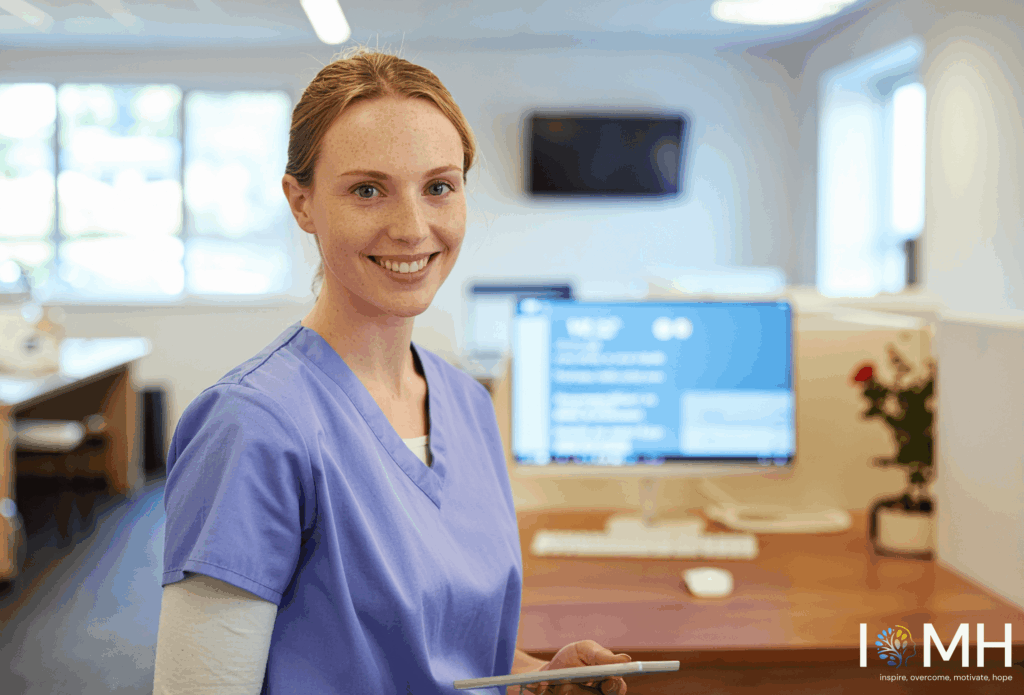
- Apply the PIES model in real care situations and case studies
- Support holistic wellbeing by recognising physical, intellectual, emotional, and social needs
- Promote person-centred care by involving individuals in decisions about their care and support
PIES is commonly assessed through written assignments, observations, workplace evidence, and practical examples during placements. A strong understanding of the model shows that learners can deliver care that respects dignity, choice, and individuality.
This knowledge is especially important for progression into roles such as Healthcare Assistant, Care Worker, and Support Worker, where supporting the whole person is a daily responsibility.
Closing Thoughts
The PIES model in health and social care is a simple yet powerful framework that supports holistic, person-centred care. By considering physical, intellectual, emotional, and social needs together, care professionals can gain a deeper understanding of each individual and provide support that truly improves wellbeing and quality of life.
Using the PIES model helps move care beyond routine tasks and medical needs, encouraging meaningful interaction, emotional support, and social inclusion. It highlights how different areas of a person’s life are connected and shows why addressing only one need is often not enough.
Whether you are a learner studying a Level 3 Diploma in Health and Social Care or a practising Healthcare Assistant, understanding and applying the PIES model will help you deliver care that is compassionate, effective, and respectful. Ultimately, PIES supports better outcomes for individuals and helps ensure health and social care remains truly person-centred.

- All Courses
 Personal Development (1283)
 Career Bundle (479)
 Management & Administration (460)
 Employability (439)
 Health & Social Care (411)
 Health and Safety (382)
 Business (320)
 Teaching & Education (268)
 IT & Software (263)
 Health and Fitness (238)
 QLS Endorsed Courses (219)
 Mental Health & Counselling (168)
 Science & Technology (153)
 Accounting & Finance (144)
 Sales & Marketing (128)
 Construction & Engineering (126)
 Art & Design (125)
 Compliance & Law (112)
 Language (86)
 Photography & Lifestyle (58)
 Animal Care (57)
 Food Safety & Hygine (53)
 Diet & Nutrition (49)
 Sports & Fitness (47)
 Makeup & Beauty (43)
 First Aid (39)
 Agriculture (2)
0 responses on "What Is PIES in Health and Social Care? Meaning, Importance, and Real-Life Examples"