




If you help a parent take their medicine, assist a partner with daily routines, or care for a disabled child at home, you may already be providing informal care.
So, what is informal care in health and social care?
Informal care is unpaid support given to someone who is elderly, ill, disabled, or needs help with everyday tasks. It is usually provided by family members, friends, or neighbours and mostly happens at home rather than in hospitals or care centres.
To define informal care in simple terms: it is the regular, unpaid support offered to someone you know and care about.
This kind of care is essential in the UK, helping people live safely at home while supporting the wider Health and Social Care system. It complements professional services and plays a vital role in keeping the system running smoothly.
Moreover, this course is designed to guide learners step by step. In addition, the lessons are organised in a logical flow, ensuring that each concept builds smoothly on the previous one. Consequently, learners gain confidence as they progress. Furthermore, the content connects theory with practical examples, making the learning experience more engaging. Similarly, complex topics are simplified so that beginners can understand them easily. As a result, learners can apply the knowledge in real situations. On the other hand, those with prior experience can refine their existing skills. Therefore, the course supports continuous improvement for all learners. Ultimately, it provides a structured pathway that helps students achieve their learning goals effectively.online communication skills



What Is Informal Care?
Informal care means giving regular, unpaid support to someone who needs help because of illness, disability, or old age. It is usually provided by family members, friends, or neighbours. This type of care is built on love, trust, and personal responsibility rather than professional duty.
Informal care often happens at home and focuses on helping someone live safely, comfortably, and with dignity.
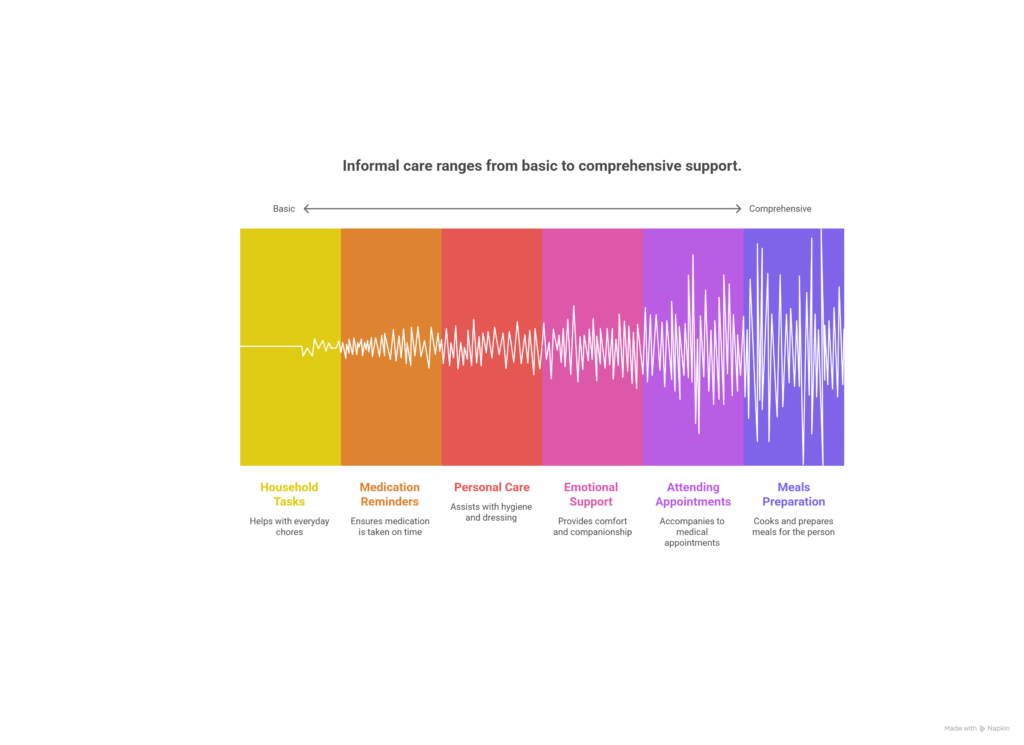
Informal care may include:
- Preparing daily meals – Cooking food that meets the person’s dietary needs and ensuring they eat properly.
- Household tasks – Cleaning, laundry, washing dishes, and keeping the home safe and organised.
- Personal care support – Helping with washing, dressing, grooming, and maintaining hygiene.
- Medication reminders – Making sure medicines are taken at the correct time and in the right amount.
- Attending appointments – Driving or accompanying the person to GP visits, hospital check-ups, or therapy sessions.
- Emotional support – Listening, offering reassurance, providing companionship, and reducing feelings of loneliness.
These are common examples of informal care that many people provide every day without even realising it.
You do not need professional qualifications to provide informal care. It is based on a close relationship, compassion, and a willingness to help someone you care about.
Informal Care in the UK
In the UK, millions of people provide informal care, often while managing work, family life, and other responsibilities. These unpaid carers play a crucial role in helping loved ones live safely and independently at home.
Without informal carers, the NHS and local care services would face significant strain, as hospitals and care homes would struggle to meet the growing demand. By providing daily support, informal carers help reduce pressure on these formal health and social care services.
While the National Health Service (NHS) provides medical treatment and professional care, much of the day-to-day support—such as help with meals, personal care, and companionship—happens at home. This is where informal carers step in to fill the gap.
Formal care services in the UK are regulated by the CQC – Care Quality Commission, ensuring professional care meets strict standards. However, informal care is not regulated in the same way because it is unpaid and provided by family members, friends, or neighbours based on trust and personal relationships rather than formal training.
The Importance of Informal Care in Health and Social Care
Informal care is a key part of the Health and Social Care system in the UK. It provides daily support to people living with long-term health conditions, disabilities, or age-related needs. Most of this care takes place in the comfort of a person’s own home, helping them stay independent for as long as possible.
In many cases, informal care works together with professional services. A healthcare worker may visit for medical treatment, but a family member or friend provides support for the rest of the day. They help with meals, personal care, medication reminders, and emotional reassurance. This ongoing support keeps individuals safe and stable between professional visits.
You do not need formal qualifications to become an informal carer. The most important qualities are patience, reliability, and a willingness to help. Over time, many informal carers become the main source of physical and emotional support for their loved ones.
Without informal carers, the health system would face serious pressure. Their unpaid contribution helps reduce hospital admissions and allows many people to remain at home instead of moving into care facilities.
If you would like to strengthen your understanding of care practices, studying a Health and Social Care Level 3 Diploma can help you develop professional knowledge, improve confidence, and open doors to future career opportunities in the care sector.
How Does Informal Care Contribute to Service Provision?
You might wonder, how does informal care contribute to service provision?
Informal care plays a vital role in supporting the entire Health and Social Care system. It complements formal services and ensures that individuals receive consistent care every day. Here’s how it helps:

- Reduces pressure on the NHS – Family and friends help manage long-term health conditions at home, leading to fewer hospital admissions and shorter stays.
- Supports professional care plans – When nurses or care workers visit once a day, informal carers provide support in between visits, ensuring continuous care.
- Promotes independent living – Many people are able to remain in their own homes safely because informal carers assist with daily tasks and personal care.
- Saves public money – Unpaid carers contribute billions of pounds’ worth of support to the UK economy every year, reducing the need for expensive hospital or care home services.
Without informal care, formal health and social care services alone would struggle to meet demand, making informal carers an essential part of service provision in the UK.
Informal Care vs Formal Care
Understanding the difference between informal care and formal care is important for anyone involved in health and social care. Both types of care support people who need help, but they do so in very different ways.
| Informal Care | Formal Care |
|---|---|
| Unpaid | Paid |
| Provided by family, friends, or neighbours | Provided by trained professionals |
| Flexible and based on personal needs | Follows structured care plans and schedules |
| Built on personal relationships and trust | Professional relationship with clear responsibilities |
| Mostly provided at home | Delivered in hospitals, care homes, or clinics |
Both informal and formal care are essential. They often work together to provide a complete support system, ensuring that individuals receive the right care at the right time. Informal carers fill gaps between professional visits, making formal care more effective and allowing people to live safely at home.

Types of Informal Care
Informal care can involve different kinds of support, depending on the needs of the person being cared for. Many carers provide a combination of these types without even realising it.
1. Physical Care
Helping with daily personal tasks, such as:
- Bathing and washing
- Dressing and grooming
- Moving around safely
- Feeding or assisting with meals
2. Emotional Care
Providing emotional support to improve wellbeing:
- Listening and offering a sympathetic ear
- Giving comfort during difficult times
- Encouraging and motivating the person
3. Practical Care
Assisting with everyday tasks that keep life running smoothly:
- Shopping for groceries and essentials
- Cleaning and household chores
- Managing bills and finances
- Organising medical appointments or transport
4. Social Support
Helping the person stay socially active and connected:
- Spending quality time together
- Supporting them to keep in touch with friends and family
- Reducing feelings of isolation or loneliness
By combining these types of support, informal carers play a vital role in keeping people safe, healthy, and emotionally supported in their daily lives.
How Widespread Is Informal Care?
You may be wondering how common informal care really is. The answer is simple — it is extremely widespread. Across the UK and around the world, millions of people either provide or receive informal care at some point in their lives. This shows how important it is in everyday society.
In the UK alone, around 5.4 million people (about 8% of the population) provided informal care in 2023/24, according to the House of Commons Library. Women make up the majority of carers, representing about 60%.
Caring responsibilities are most common among middle-aged adults. The peak caring age is between 55 and 59 years. In this group:
- Nearly 20% of women provide unpaid care
- Around 13% of men provide unpaid care
Informal care is not limited to adults. In England, around 120,000 young people under 18 were identified as young carers in 2021. That equals about 1.4% of that age group.
Many informal carers also have paid jobs. In 2022/23, about 51% of adult carers were employed, compared to 60% of the general adult population. This shows how many people balance work and caring duties at the same time.
Younger carers aged 16–34 are also more likely to report poor health compared to others in their age group, highlighting the physical and emotional impact of caring.
The Essence of Informal Care in Health and Social Care
Informal care is one of the strongest foundations of the UK Health and Social Care system. It allows millions of people to live safely at home without needing full-time professional support.
Here’s why informal care is so valuable:
- Cost-efficient support – Informal carers contribute an estimated £162 billion worth of unpaid support each year. Without this help, services such as the National Health Service would face overwhelming pressure.
- Supplementing formal care – Informal carers fill the gaps between professional visits. For example, they may remind someone to take medication, prepare meals, or assist with mobility when healthcare staff are not present.
- Promoting comfort and emotional security – Being cared for by someone familiar reduces stress and anxiety. Many people feel safer and more relaxed when supported by someone they trust.
In short, informal care is not just common — it is essential. It keeps the health and social care system functioning and supports individuals, families, and communities across the UK.
Benefits of Informal Care
Informal care offers many advantages, not just for the person receiving care, but also for families and society as a whole.
For the Person Receiving Care
- Comfort of staying at home – Receiving care in a familiar environment can reduce stress and anxiety.
- Familiar surroundings – Being in their own home helps maintain routines and independence.
- Emotional security – Care from someone they trust provides reassurance and companionship.
- Personal attention – Individual needs are understood and met with a personal touch.
Family
- Lower care costs – Unpaid support reduces the need for expensive professional care or care homes.
- Stronger relationships – Caring for a loved one can deepen family bonds.
- More flexible routines – Families can adapt care to suit their schedules and the needs of the person being cared for.
For the Society
- Less pressure on the NHS – Informal care reduces hospital visits and allows healthcare resources to focus on critical cases.
- Reduced demand for care homes – People can live safely at home for longer, easing the strain on residential care services.
- Stronger communities – Informal carers help build supportive local networks, encouraging neighbourly care and social cohesion.
Overall, informal care plays a vital role in improving quality of life for individuals, supporting families, and sustaining the wider Health and Social Care system.
Challenges of Informal Care
While informal care is incredibly valuable, it can also be demanding and sometimes overwhelming. Many carers face a range of challenges while supporting their loved ones.
Common Challenges for Informal Carers
- Physical tiredness – Daily tasks like lifting, helping someone move, or managing personal care can be exhausting.
- Emotional stress – Watching a loved one struggle with illness, disability, or ageing can take a heavy emotional toll
- Financial pressures – Some carers reduce work hours or leave jobs to provide care, which can lead to money problems.
- Limited time for work or social life – Balancing caring responsibilities with employment or family commitments can be difficult.
- Feeling isolated – Carers may feel alone or unsupported, especially if they do not have access to help or community networks.
Because of these challenges, support for informal carers is essential. Accessing benefits, respite care, training, or support groups can help carers maintain their wellbeing while continuing to provide care effectively.
Support Available for Informal Carers
Providing informal care can be rewarding, but it can also be challenging. Thankfully, there are several types of support available to help carers manage their responsibilities and maintain their wellbeing.
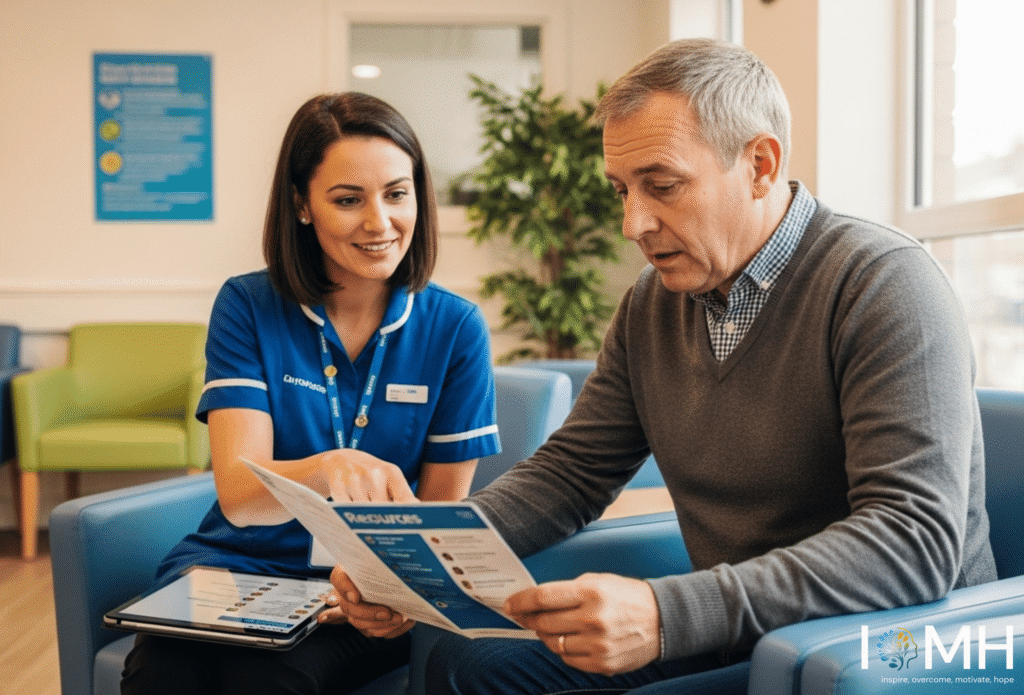
Support Options for Informal Carers
- Carer’s Allowance – A financial benefit for those caring at least 35 hours a week.
- Carer’s assessment – Local councils can assess your needs and offer tailored support or resources.
- Respite care – Temporary care that gives you a short break from your caregiving duties.
- Support groups – Connecting with other carers can provide advice, encouragement, and reduce feelings of isolation.
- Training and resources – Organisations offer guidance and training to help carers provide safe and effective support.
For carers looking to develop professional knowledge and skills, enrolling in a Health and Social Care Level 3 Diploma can be highly beneficial. This accredited qualification is recognised by UK employers and helps learners understand key areas such as safeguarding, communication, and care standards, improving both confidence and career opportunities in the health and social care sector.
Final Thoughts
To define informal care, in simple terms, it is the unpaid support given by family, friends, or neighbours to help someone with health needs or daily living tasks.
Although it often goes unnoticed, informal care is one of the most important foundations of the UK Health and Social Care system. In fact, it ensures that people can live safely at home, reduces pressure on professional services, and ultimately strengthens families and communities.
Therefore, if you are already providing informal care, remember that your efforts make a real difference — not just for the person you support, but also for the entire care system. Above all, your care, commitment, and compassion are vital to keeping the system working effectively.

- All Courses
 Personal Development (1283)
 Career Bundle (479)
 Management & Administration (460)
 Employability (439)
 Health & Social Care (411)
 Health and Safety (382)
 Business (320)
 Teaching & Education (268)
 IT & Software (263)
 Health and Fitness (238)
 QLS Endorsed Courses (219)
 Mental Health & Counselling (168)
 Science & Technology (153)
 Accounting & Finance (144)
 Sales & Marketing (128)
 Construction & Engineering (126)
 Art & Design (125)
 Compliance & Law (112)
 Language (86)
 Photography & Lifestyle (58)
 Animal Care (57)
 Food Safety & Hygine (53)
 Diet & Nutrition (49)
 Sports & Fitness (47)
 Makeup & Beauty (43)
 First Aid (39)
 Agriculture (2)
0 responses on "What Is Informal Care in Health and Social Care? Role, Benefits and Challenges"