




If you are thinking about starting a career in healthcare, a Level 3 Diploma in Nursing Assistant Course is an excellent first step. This qualification gives you the knowledge and understanding needed to work confidently as a Nursing Assistant. You can apply these skills in hospitals, care homes, and community settings across the UK.
Healthcare continues to grow, and trained support staff are in high demand. Completing a recognised Nursing Assistant Course can open the door to a wide range of Nursing Assistant jobs and future career progression.
In this guide, we explain exactly what you will learn, the skills you will develop, and how this qualification prepares you for real-world Nursing Assistant positions.



What Is a Healthcare Assistant?
A Healthcare Assistant (HCA) plays a crucial role in caring for patients, often becoming the first friendly face they see in the morning and the reassuring presence they rely on at night. HCAs work closely with patients, helping them with everyday tasks and providing essential support for their physical and emotional wellbeing.
While doctors and nurses handle complex medical procedures, HCAs focus on hands-on care, including:
- Supporting daily activities like washing, dressing, and eating
- Monitoring vital signs and observing changes in health
- Offering comfort, reassurance, and companionship
HCAs are the backbone of healthcare, spending the most time with patients and helping ensure their day-to-day needs are met with compassion and respect. In the UK, you’ll find HCAs working in a variety of settings, including NHS hospitals, private clinics, care homes, and patients’ own homes, making a real difference in people’s lives every day.
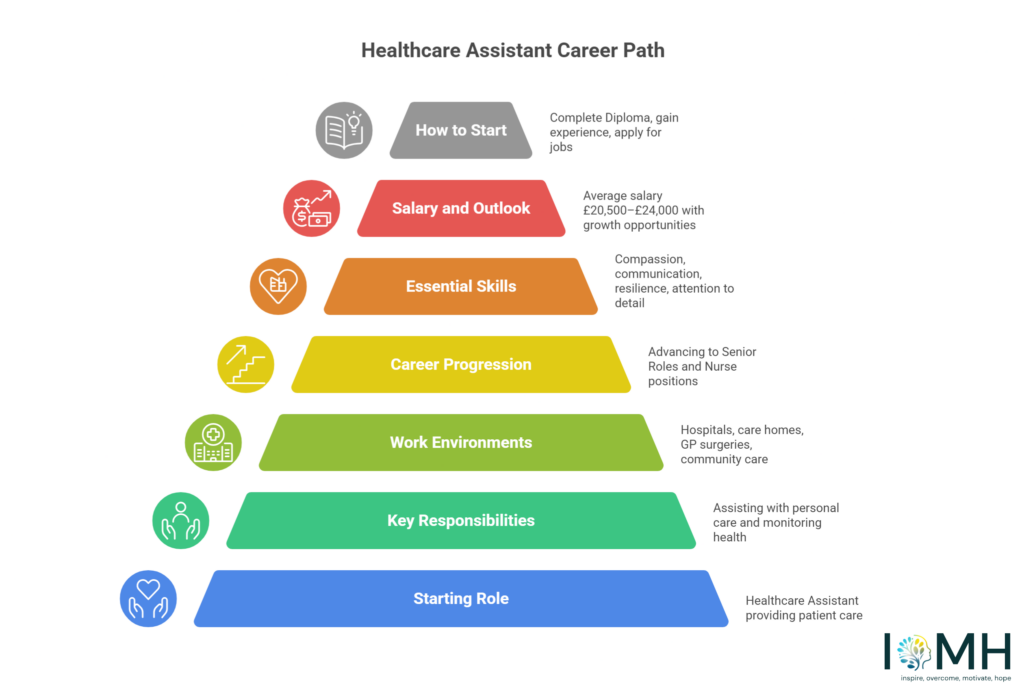
The True Role of a Healthcare Assistant
Being a Healthcare Assistant (HCA) is far more than completing routine tasks — it’s about caring for people at some of the most vulnerable moments of their lives. Your role is as much about compassion and connection as it is about practical support.
You are often the first friendly face a patient sees in the morning and the last person they interact with at night. This unique closeness allows you to build trust and meaningful relationships that can have a real impact on a patient’s wellbeing.
A dedicated Healthcare Assistant goes beyond physical care. You contribute to a patient’s mental and emotional health, ensuring they feel safe, respected, and valued every day.
Key qualities and responsibilities include:
- Personal Care – Assisting patients with essential daily routines such as washing, bathing, dressing, using the toilet, and eating. Every interaction should be handled with patience, kindness, and respect, helping patients maintain their dignity and independence.
- Monitoring Health – Keeping a close eye on a patient’s wellbeing by taking and recording vital signs like temperature, pulse, blood pressure, and breathing rates. These observations provide nurses and doctors with crucial information to make informed care decisions.
- Helping with Movement – Supporting patients with mobility, whether it’s walking, using a wheelchair, getting in and out of bed, or preventing falls. Your guidance ensures patients move safely while maintaining their confidence and comfort.
- Keeping Patients Comfortable – Ensuring a patient’s environment is clean and comfortable, changing bed sheets, assisting with meals, adjusting pillows or positions, and responding promptly to their needs. Comfort contributes directly to recovery and wellbeing.
- Communication and Observation – Acting as the vital link between patients and the medical team by listening attentively to concerns, observing subtle changes in behaviour or condition, and reporting updates to nurses and doctors. Effective communication ensures timely and safe care.

A Day in the Life of a Healthcare Assistant
No two days are ever the same for a Healthcare Assistant, but here’s a glimpse of what a typical day might involve:
Morning – Begin with a handover from the previous shift, learning about patient needs and updates. Help patients start their day by assisting with washing, bathing, and dressing, ensuring they feel comfortable and dignified. Serve breakfast and provide any support needed during the meal.
Midday – Take and record vital signs such as temperature, pulse, blood pressure, and breathing rate, helping the medical team monitor patient health. Assist patients with gentle exercise or movement, and keep an attentive eye on their overall wellbeing.
Afternoon – Support patients during lunchtime and assist with feeding if necessary. Change bedding and maintain a clean, safe, and comfortable environment. Take time to listen, chat, and offer emotional support to patients who may feel lonely or anxious.
Evening – Prepare patients for rest by helping them with personal care, adjusting bedding and pillows for comfort, and ensuring their environment is calm and safe. Update the nursing team with important observations and any changes in patient needs.
Whether working in a bustling hospital, a welcoming care home, or visiting patients in the community, a Healthcare Assistant’s day revolves around caring for others, observing health changes, and providing reassurance, making a meaningful difference in the lives of those they support.

Where Can You Work as a Healthcare Assistant?
One of the most rewarding aspects of a career as a Healthcare Assistant (HCA) is the wide variety of workplaces you can choose from. Each setting offers its own pace, challenges, and opportunities to make a real difference in people’s lives.
1. NHS Hospitals
Many health care assistant jobs NHS are based in hospitals, where the environment is fast-paced and ever-changing. Here, you could work in:
- Emergency departments: Supporting patients in urgent situations, helping nurses and doctors manage a high-pressure environment.
- Wards: Assisting patients with daily routines, monitoring health, and providing comfort throughout their stay.
- Maternity units: Helping new mothers and babies with essential care, offering both practical support and reassurance.
Working in an NHS hospital provides invaluable experience and opportunities for career progression, whether you aim to specialise or eventually train as a nurse.
2. Care Homes
Care homes offer a more personal and long-term approach to healthcare. Here, you become a familiar, trusted presence in residents’ lives. Your role may involve:
- Building relationships with residents: Offering companionship and emotional support, often becoming a central part of their daily life.
- Helping with daily routines: Assisting with washing, dressing, meals, and mobility to maintain independence and dignity.
- Providing comfort and reassurance: Listening to concerns, offering encouragement, and helping residents feel safe and valued.
This setting is ideal for HCAs who enjoy forming lasting connections and supporting adults in a consistent, caring environment.
3. GP Surgeries
In a GP surgery or clinic, the pace is generally calmer than in hospitals, but your support is just as important. Typical duties include:
- Preparing treatment rooms: Ensuring everything is clean, safe, and ready for consultations or minor procedures.
- Assisting nurses: Helping with basic procedures such as dressing changes or health checks.
- Carrying out basic health checks: Measuring blood pressure, temperature, and other vital signs to support patient care.
Working in a GP surgery allows you to be involved in community healthcare, providing steady, hands-on support to patients of all ages.
4. Community Care
Some HCAs work in patients’ homes, helping individuals maintain independence and quality of life. This role is highly rewarding as it allows for one-on-one care and personal attention. Tasks may include:
- Providing personal care: Assisting with washing, dressing, and hygiene while respecting privacy.
- Meal preparation: Helping patients eat healthily and ensuring they receive proper nutrition.
- Medication reminders: Supporting patients to take their medications safely and on time.
Community care HCAs play a vital role in allowing elderly or disabled people to continue living independently, making a real difference every day.
Skills Needed to Be a Great Healthcare Assistant
Being a successful Healthcare Assistant (HCA) is about more than just completing tasks. It’s about the way you approach every interaction, the care you show, and the professionalism you bring to your role. Whether you work in a hospital, care home, GP surgery, or community setting, the right skills and attitude make all the difference.
1. Compassion
At the heart of every great HCA healthcare is genuine compassion. You need to care about people, listen to their concerns, and show kindness in every interaction. Compassion helps you understand the emotional and physical needs of patients, ensuring they feel supported, valued, and respected.
2. Communication
Clear and effective communication is essential. You must be able to explain things simply to patients, listen carefully to their concerns, and report important observations accurately to nurses and other members of the medical team. Good communication helps prevent errors, builds trust, and ensures everyone receives the best possible care.
3. Patience
Many patients need extra time, whether they are recovering from surgery, managing a chronic illness, or facing mobility challenges. Patience allows you to provide support without rushing, helping patients feel comfortable and respected at every stage of their care.
4. Resilience
Working in healthcare can be physically and emotionally demanding. You will encounter challenging situations, such as emergencies, difficult behaviours, or emotionally charged moments. Resilience helps you stay calm, cope with stress, and continue providing high-quality care without losing your empathy.

5. Attention to Detail
Small changes in a patient’s condition can be crucial. Being observant and meticulous allows you to notice these changes early, report them accurately, and help prevent complications. Whether it’s a subtle change in mood, appetite, or vital signs, attention to detail can save lives.
These skills are essential across all areas of Health and Social Care, from hospitals to residential homes to community settings. They not only help you perform your duties effectively but also ensure that patients feel safe, supported, and cared for every day.
How to Become a Healthcare Assistant
Becoming a Healthcare Assistant (HCA) is a rewarding career choice, and the good news is you do not need a university degree to get started. With the right training, attitude, and practical experience, you can build a fulfilling career in Health and Social Care. Here’s a clear roadmap to guide you:
Step 1: Complete Basic Education
Most health care assistant jobs require a minimum level of education. Typically, this includes:
- GCSEs (or equivalent) in English and Maths
- A basic understanding of health and wellbeing
Having these qualifications gives you a solid foundation and makes it easier to progress onto professional training.
Step 2: Take a Health Care Assistant Course
Completing a healthcare assistant Training course is one of the best ways to stand out to employers. These courses provide practical skills, teach you about patient care, and prepare you for the realities of the job. Popular options include:
- Level 2 or 3 Diploma in Health and Social Care – Ideal for those looking to start or advance in HCA healthcare roles.
- Access to Higher Education Diploma (Health and Social Care) – Perfect if your goal is to eventually become a nurse, midwife, or other allied health professional.
These courses not only boost your confidence but also equip you with the knowledge needed to provide excellent patient care from day one.
Step 3: Apply for Health Care Assistant Jobs
Once you have the right qualifications, you can start applying for health care assistant jobs. Depending on your interests and career goals, you might look for opportunities in:
- NHS hospitals – fast-paced roles in wards, maternity units, or A&E departments.
- Care homes – providing long-term support and companionship to residents.
- GP surgeries – calmer environments focused on community healthcare.
Remember, health care assistant jobs NHS often offer structured pay scales and clear career progression.
Step 4: Gain Practical Experience
Your learning doesn’t stop once you start working. On-the-job experience is essential for becoming a skilled HCA. You’ll continue to:
- Develop clinical skills, such as taking vital signs and supporting mobility.
- Build communication and observational skills to notice small but important changes in patients.
- Learn how to manage stress, maintain resilience, and provide compassionate care.
Over time, this hands-on experience will help you progress into more senior roles, specialise in areas like adult care, or even move towards a career in nursing.

Health Care Assistant Salary in the UK
One of the big questions for anyone considering a career as a Healthcare Assistant (HCA) is pay. The good news is that health care assistant jobs offer a competitive salary, especially as you gain experience and qualifications.
Average Salary
On average, a health care assistant salary in the UK ranges from £20,500 to £24,000 per year as of 2025. This can vary depending on your workplace, location, and level of experience.
NHS Pay
For those working in the NHS, most health care assistant NHS roles start at Band 2. As you gain experience, additional qualifications, or move into senior roles, you can progress through the bands, which brings higher pay.
Factors That Affect Salary
Several factors influence how much you can earn as an HCA:
- Experience – The longer you work in the role, the more your skills and reliability are valued. Experienced HCAs often earn higher salaries and can move into senior or specialised positions.
- Location – Salaries vary depending on where you work. For example, London and other high-cost areas often offer extra “London weighting” to compensate for living expenses.
- Qualifications – Completing a health care assistant course or earning a Level 3 Diploma in Health and Social Care can help you qualify for higher-paying roles or leadership positions.
Career Growth Opportunities
A career as a Healthcare Assistant is not just about entry-level pay. With dedication and training, you can:
- Progress to Band 3 or Band 4 HCA healthcare roles in the NHS.
- Specialise in areas such as adult care, community care, or hospital wards.
- Move towards leadership roles, supervising other HCAs or managing care teams.
- Use your experience as a stepping stone to nursing or other allied health professions.
Overall, a role as a healthcare assistant offers job stability, growth potential, and rewarding experiences, making it a strong career choice in Health and Social Care.

Career Progression Opportunities
Working as a Healthcare Assistant (HCA) is often the first step in a long and rewarding healthcare career. This role gives you hands-on experience and a deep understanding of patient care, which can open doors to higher-level positions.
Some common progression paths include:
- Senior Healthcare Assistant – Take on more responsibility, mentor junior staff, and assist with complex care tasks.
- Assistant Practitioner – Support nurses with more advanced clinical duties while building specialised skills.
- Nursing Assistant – Provide a bridge to registered nursing roles, often with increased responsibilities and pay.
- Registered Nurse – Many HCAs use their experience as a stepping stone to pursue nursing degrees and become fully qualified nurses.
The key is that starting as an HCA allows you to gain invaluable practical experience while exploring the healthcare career path that suits you best.
Job Demand and Future Outlook
The demand for health care assistant jobs in the UK is growing rapidly. There are several reasons why this career is so highly sought after:
- Ageing Population – More elderly people need care and support, increasing the demand for compassionate HCAs.
- Rising Healthcare Needs – Chronic illnesses and long-term care requirements mean skilled HCAs are essential in hospitals, care homes, and the community.
- Staff Shortages – Many healthcare sectors face staffing pressures, creating numerous opportunities for new entrants.
This makes a role as a Healthcare Assistant not only fulfilling but also stable and secure. Whether you work in the NHS or private care, there is a consistent need for dedicated professionals.
HCA Healthcare and Work Environment
You might also come across the term HCA healthcare, which broadly refers to healthcare systems or organisations that provide patient care. In the UK, Health Care Assistants (HCAs) work in a wide range of settings, each offering unique experiences and opportunities:
- NHS Services – This includes hospitals, GP surgeries, emergency departments, and community care teams. Working in the NHS exposes HCAs to diverse patient needs and fast-paced environments, making it an excellent place to gain hands-on experience.
- Private Healthcare Providers – Clinics, private hospitals, and specialised care centres also employ HCAs. These settings may offer smaller teams and more personalised care, with opportunities to develop specialised skills.
- Social Care Organisations – Residential care homes, day centres, and community support services focus on long-term wellbeing and companionship. HCAs here build strong relationships with residents while providing essential daily care.
Regardless of the environment, every health care assistant NHS or private-sector HCA plays a crucial role in Health and Social Care, delivering hands-on support, monitoring patient health, and ensuring the comfort and dignity of those in their care. While the setting may differ, the mission is the same: to provide compassionate, high-quality care every day.
Final Thought
A career as a Healthcare Assistant is far more than just a job — it is a meaningful and rewarding journey. Every day offers the opportunity to make a real difference in people’s lives, whether by assisting with meals, monitoring vital signs, or offering a reassuring word that lifts someone’s spirits.
For those seeking stability, purpose, and the chance to grow professionally, becoming a Healthcare Assistant (HCA) is an ideal choice. By combining compassion, practical skills, and dedication, this role not only allows you to support the wellbeing of others but also opens doors to continuous learning, lasting connections, and career progression within the dynamic world of Health and Social Care.

- All Courses
 Personal Development (1283)
 Career Bundle (479)
 Management & Administration (460)
 Employability (439)
 Health & Social Care (411)
 Health and Safety (382)
 Business (320)
 Teaching & Education (268)
 IT & Software (263)
 Health and Fitness (238)
 QLS Endorsed Courses (219)
 Mental Health & Counselling (168)
 Science & Technology (153)
 Accounting & Finance (144)
 Sales & Marketing (128)
 Construction & Engineering (126)
 Art & Design (125)
 Compliance & Law (112)
 Language (86)
 Photography & Lifestyle (58)
 Animal Care (57)
 Food Safety & Hygine (53)
 Diet & Nutrition (49)
 Sports & Fitness (47)
 Makeup & Beauty (43)
 First Aid (39)
 Agriculture (2)
0 responses on "What is a Healthcare Assistant (HCA)? Roles, Duties, Salary & Career Guide"