



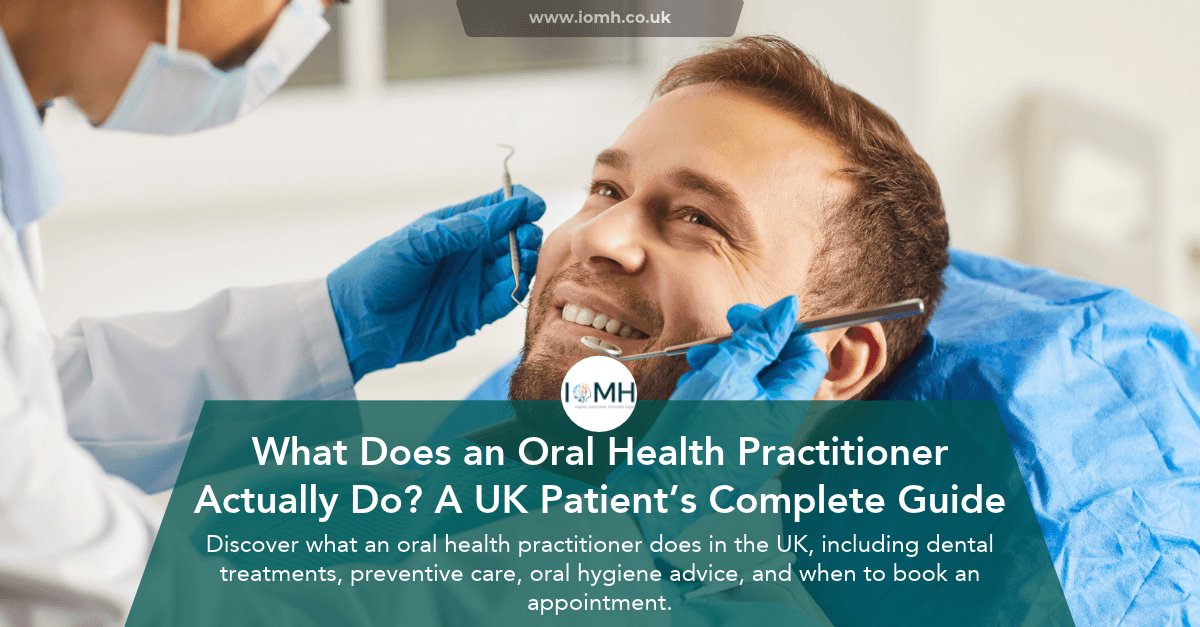
In recent years, the landscape of UK healthcare has undergone a massive shift, with oral health emerging as a critical priority. Gone are the days when dental care simply meant booking an appointment to get a painful tooth pulled or a cavity filled. Today, the NHS and public health bodies recognize that maintaining a healthy oral health baseline is intricately connected to our systemic well-being, influencing everything from cardiovascular health to mental confidence.
However, as the dental system evolves to meet these challenges, many UK patients find themselves deeply confused by the array of titles they encounter at their local clinic. Alongside traditional dentists and dental nurses, a vital role has taken center stage: the oral health practitioner.
This guide is designed to cut through the professional jargon and outline exactly what this role entails. In an era where the NHS is heavily focused on delivering better oral health through preventative care rather than reactive treatments, understanding how an oral health practitioner supports your family is the secret to avoiding invasive dental work, saving money, and mastering long-term oral health and hygiene.
What Is an Oral Health Practitioner?
An oral health practitioner is a registered dental professional who occupies a unique, highly specialized space within modern UK dentistry. Unlike traditional roles that focus heavily on surgical or restorative treatments, these practitioners are precision-engineered to focus on preventative care, behavior change, and community education. They are fully registered with the General Dental Council (GDC) and act as the bridge between clinical dentistry and public health.
How They Differ from Other Dental Roles
To understand their true value, it helps to see how they fit alongside the rest of your local dental team:
- The Dentist: The clinical lead who diagnoses complex issues, performs surgical procedures (like extractions and root canals), and creates overarching treatment plans.
- The Dental Hygienist: A clinician primarily focused on the physical treatment of periodontal (gum) disease, carrying out scaling, root planing, and deep clinical cleaning.
- The Oral Health Practitioner: A professional whose primary weapon is education and prevention. They perform clinical screenings, apply preventative treatments (like fluoride varnishes), and design tailored behavioral strategies to ensure patients maintain excellent oral health and hygiene at home.

Where Do They Work?
You will find these practitioners operating across a wide variety of settings in the UK. While many work directly within NHS general dental practices, a huge percentage operate within community dental services, hospital clinics, care homes, and mobile units. They are frequently deployed into schools and community centers, taking a proactive approach to healthcare by meeting patients where they are, rather than waiting for them to develop a toothache.
Start A Rewarding Career As A Nursing Assistant?
Delivering Better Oral Health in Practice
At its heart, the role of an oral health practitioner aligns perfectly with the landmark UK public health framework focused on delivering better oral health. Historically, dentistry has been highly reactive—patients only booked an appointment when something went wrong, and dentists spent their days drilling and filling teeth. The modern UK healthcare system realizes that this model is unsustainable and painful for patients.
Oral health practitioners flip this traditional dynamic on its head. Instead of focusing on treatment-focused dentistry, they dedicate their clinical expertise entirely to preventative care. By stepping in before decay starts, they help patients protect their natural teeth and keep their gums inflammation-free.
Driving Community Impact
The true value of these practitioners lies in early intervention, screening, and large-scale public education. They don’t just work behind a closed surgery door; they actively drive community health initiatives by:
- Identifying high-risk patient groups who may not regularly visit a high-street dentist.
- Running targeted clinical screenings in community spaces to spot early signs of erosion or gum disease.
- Providing the vital support patients need to successfully change deep-seated daily lifestyle habits.
By focusing entirely on keeping a patient’s mouth inherently healthy, these practitioners play an invaluable role in reducing the overwhelming workload currently facing NHS dental practices. Every cavity they prevent through education or a simple preventative treatment is one less emergency appointment clogging up the local dental clinic, making the entire UK healthcare system run smoother.
Daily Responsibilities of an Oral Health Practitioner
The daily routine of an oral health practitioner is dynamic, clinical, and highly interactive. They manage an independent diary of patients, working collaboratively alongside dentists to ensure that daily oral health and hygiene routines are strictly maintained.
If you were to watch an oral health practitioner at work during a standard clinical day in the UK, you would see them undertaking several core responsibilities:
- Comprehensive Oral Health Assessments: They evaluate a patient’s mouth, charting teeth and gums to review the current standard of cleanliness. While they do not diagnose complex decay or nerve issues (which is the dentist's role), they excel at spotting plaque buildup, early gum inflammation, and signs of acid erosion.
- Applying Preventative Clinical Treatments: Under the direction of a dentist, they apply clinical preventative measures directly to patients' teeth. This routinely includes applying therapeutic fluoride varnishes to strengthen enamel or placing dental fissure sealants over the deep grooves of molars to block out decay-causing bacteria.
- Managing High-Risk Patient Groups: They provide specialized, long-term oral health care for children and vulnerable adults. This includes working closely with elderly patients in care homes, individuals with orthodontic braces, or patients managing chronic conditions like diabetes, which can significantly worsen gum disease.
- Meticulous Clinical Record Keeping: Every measurement, plaque score, and preventative treatment must be legally documented. Practitioners carefully monitor and track patient progress over time, ensuring the wider dental team has a clear picture of a patient's behavioral improvements.
Oral Health Education: Teaching Patients to Improve Daily Habits
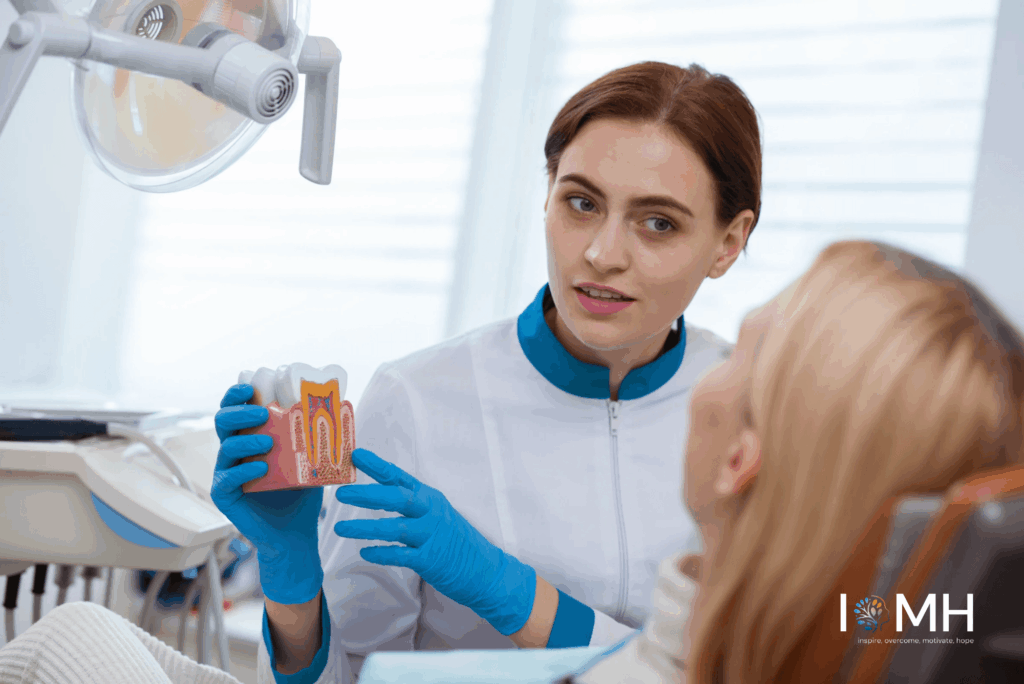
The old saying “prevention is better than cure” is the literal foundation of an oral health practitioner’s daily work. While a dentist can brilliantly repair a damaged tooth, that repair will eventually fail if the patient returns home to the exact same destructive habits. This is why dedicated patient education in oral health and hygiene is so revolutionary.
Practitioners don’t just hand you a generic leaflet and send you on your way; they sit down with you to break down the mechanics of daily care:
- Precision Brushing Techniques: Many UK patients brush aggressively, which can cause painful gum recession. Practitioners visually demonstrate proper techniques, such as the Modified Bass Technique, which involves angling the brush bristles at 45° to the gum line to sweep away hidden plaque.
- Mastering the Gaps: They provide bespoke guidance on interdental cleaning, showing you exactly how to navigate dental floss or select the correct size of interdental brushes for your unique mouth shape.
- Mouthwash Optimization: A very common mistake across the UK is rinsing with mouthwash immediately after brushing, which accidentally washes away the highly concentrated fluoride from your toothpaste. Practitioners teach you to use mouthwash at a completely separate time of day to keep your enamel protected for longer.
Behavioral Change That Lasts
The true skill of an oral health practitioner isn’t just delivering information—it is mastering behavioral change. They work closely with patients to discover what is stopping them from maintaining their routine, whether that is a lack of time, physical dexterity issues, or dental anxiety. By breaking down goals into small, manageable daily habits, they empower patients to take control of their own health, leading to lifelong improvements that keep them out of the dental drill chair.

Children’s Oral Health: Why Early Prevention Matters
In the UK today, tooth decay remains the single most common reason for hospital admissions among children aged five to nine. This is a sobering statistic for a condition that is almost entirely preventable. Because of this, optimizing children’s oral health is an absolute cornerstone of an oral health practitioner’s mission.
Establishing positive habits during the early years of a child’s development sets the stage for a lifetime of healthy adult teeth. Oral health practitioners work tirelessly to make dental education engaging, accessible, and fear-free for young patients.
School and Community Initiatives
To truly make a difference, practitioners don’t just wait for families to walk through a clinic door. They take a proactive approach through targeted NHS initiatives and school-based programs:
- Supervised Toothbrushing Clubs: Practitioners help set up and monitor daily brushing programs in nurseries and primary schools across high-risk UK communities, ensuring children are brushing correctly with an appropriate fluoride toothpaste.
- Interactive Classroom Workshops: Using oversized tooth models and colorful props, they turn dental hygiene into a fun, memorable activity. They teach kids how to spot hidden sugars in snacks and how to brush every surface of their teeth effectively.
- Delivering Targeted Care: They work directly within the community to provide specialized oral health care for children, which includes running dedicated fluoride varnish clinics to help seal young enamel against decay.

By focusing heavily on early intervention, these professionals help dismantle dental anxiety from a young age, replacing fear with confidence and protecting thousands of smiles across the country.
Nutrition and Oral Health: What UK Experts Say
A major part of maintaining a healthy mouth happens in the kitchen, not just at the bathroom sink. The link between nutrition and oral health is profound; the foods and drinks we consume daily directly impact the strength of our enamel and the health of our gum tissues. Oral health practitioners spend a significant portion of their time providing dietary advice to help patients protect their teeth from the inside out.
Foods That Support a Healthy Mouth
To foster a healthy oral health baseline, UK experts recommend prioritizing specific, nutrient-dense options:
- Calcium and Phosphorus: Foods like cheese, milk, plain yogurt, and leafy greens are rich in calcium, which actively helps to remineralize tooth enamel that has been weakened by daily acids.
- Fibrous Vegetables: Crunchy veggies like celery and carrots act like natural toothbrushes. They require a lot of chewing, which stimulates the production of saliva—the mouth's natural defense mechanism against plaque.
- Water: Drinking plenty of plain water, especially after meals, washes away lingering food debris and helps keep your mouth hydrated.

The Hidden Dangers: Acids and Sugars
When building a diet for good oral health, it isn’t just about what you eat, but how often you eat it. Practitioners frequently warn against frequent snacking on high-sugar or highly acidic foods. Every time you consume sugar, the bacteria in your mouth feast on it and produce harmful acids that attack your teeth for up to twenty minutes.
To minimize damage, practitioners recommend saving foods for oral health disruptions—like citrus fruits, fruit juices, and sugary treats—for main mealtimes only, rather than grazing on them throughout the day. Switching out sugary fizzy drinks for plain water or milk is one of the single most effective dietary changes you can make to protect your smile.
When Should You See an Oral Health Practitioner Instead of a Dentist?
Understanding when to book an appointment with an oral health practitioner versus a traditional dentist can save you time, optimize your appointments, and ensure you receive the most appropriate care for your specific needs. They are not competitors; rather, they form a tag-team designed to give you comprehensive care.
Preventative Advice vs. Treatment Needs
The easiest way to decide who to see is to look at whether you need a problem fixed or a habit formed:
- See a Dentist if: You are experiencing acute physical symptoms. This includes sudden toothache, a broken tooth, a lost filling, signs of a deep dental abscess, or if you require restorative procedures like crowns, bridges, or extractions.
- See an Oral Health Practitioner if: You want to actively prevent those issues from happening in the first place. If you need help managing bleeding gums, want personalized advice on the best interdental brushes for your mouth, require clinical fluoride applications, or want to build a better brushing routine for your children, the practitioner is the ideal specialist.
High-Risk Patients and Referrals
Oral health practitioners are incredibly valuable for high-risk patients who require extra monitoring to maintain a healthy oral health baseline. This includes individuals managing diabetes (which shares a bi-directional link with severe gum disease), pregnant women, orthodontic patients with complex braces, and the elderly.
In the UK healthcare system, referrals usually happen smoothly behind the scenes. A dentist will often assess your mouth during a routine checkup and refer you internally to the oral health practitioner to tackle plaque control or dietary issues. Conversely, if an oral health practitioner spots a suspicious cavity or a broken filling during a community screening, they will fast-track a referral to get you into a dentist’s chair for restorative treatment.
How Oral Health Practitioners Support Healthy Oral Health Goals
Achieving a lifelong healthy oral health baseline is rarely about a single, dramatic transformation; it is the result of small, compounding daily choices. Oral health practitioners are uniquely equipped to act as your personal health coaches, helping you translate clinical advice into realistic, sustainable habits.
Instead of delivering generic lectures, they support your personal health goals through tailored, structured strategies:
Personalized Hygiene Frameworks
No two mouths are identical. A technique that works perfectly for someone with widely spaced teeth will completely fail someone with tight, crowded teeth or complex orthodontic work. Practitioners map out your mouth to create a highly specific, personalized routine. They pinpoint exactly which areas you are missing during brushing, prescribe the precise sizes of interdental brushes you need, and give you a clear, realistic checklist to follow every morning and night.
Evidence-Based Behavior Change
Knowing you should floss is very different from actually doing it every night. Practitioners are trained in behavioral psychology techniques, such as motivational interviewing. They work with you to identify your personal barriers—whether that is a packed work schedule, low motivation, or physical dexterity issues like arthritis—and help you build seamless habits. They might help you tie interdental cleaning to an existing habit, like flossing while watching your favorite evening TV show, to ensure the routine sticks long-term.
Lifelong, Multi-Generational Support
A person’s dental needs shift dramatically as they age. Oral health practitioners provide tailored support across every single milestone of life. They help expectant mothers protect their gums from hormonal pregnancy gingivitis, guide parents through teething and early childhood care, support teenagers wearing braces, and design specialized cleaning strategies for elderly patients managing partial dentures or dry mouth caused by medication. By protecting smiles at every age, they help raise healthier generations from the roots up.
Conclusion: Why Oral Health Practitioners Matter in Modern UK Healthcare
As the UK healthcare system evolves, the traditional model of reactive dentistry—simply treating dental diseases after they cause pain and damage—is being replaced by a smarter, more sustainable approach. Oral health practitioners are at the absolute forefront of this revolution. They prove daily that the secret to a lifetime of healthy smiles isn’t found in advanced surgical treatments, but in consistent, high-quality prevention and education.
By working collaboratively alongside dentists and hygienists, these specialized professionals bridge the gap between clinical expertise and everyday life. Whether they are applying protective fluoride varnishes in a local clinic, setting up toothbrushing clubs in primary schools, or helping an adult patient master their interdental cleaning routine, their impact is undeniable. They empower individuals, protect vulnerable communities, and are entirely dedicated to delivering better oral health across the nation.
Ultimately, taking care of your teeth and gums shouldn’t be a source of stress or confusion. By embracing the preventative care, dietary guidance, and behavioral coaching offered by oral health practitioners, you can take complete control of your family’s well-being. Remember, when it comes to your smile, prevention isn’t just better than cure—it is the easiest, most affordable, and most pain-free path to lifelong health.


- All Courses
 Personal Development (1283)
 Career Bundle (479)
 Management & Administration (460)
 Employability (439)
 Health & Social Care (411)
 Health and Safety (382)
 Business (320)
 Teaching & Education (268)
 IT & Software (263)
 Health and Fitness (238)
 QLS Endorsed Courses (219)
 Mental Health & Counselling (168)
 Science & Technology (153)
 Accounting & Finance (144)
 Sales & Marketing (128)
 Construction & Engineering (126)
 Art & Design (125)
 Compliance & Law (112)
 Language (86)
 Photography & Lifestyle (58)
 Animal Care (57)
 Food Safety & Hygine (53)
 Diet & Nutrition (49)
 Sports & Fitness (47)
 Makeup & Beauty (43)
 First Aid (39)
 Agriculture (2)
0 responses on "What Does an Oral Health Practitioner Actually Do? A UK Patient’s Complete Guide"