



In recent years, skincare has transformed from a luxury pampering ritual into an essential pillar of daily UK wellness. More than ever, we recognize that our skin is a dynamic organ that reflects our internal health and shields us from the outside world. However, maintaining that radiant, healthy glow can feel like an uphill battle when facing the notoriously unpredictable British weather.
From the biting winter winds and central heating drops to humid summer spells and urban pollution in cities like London and Manchester, our skin barrier is constantly under siege. To combat this, many have fallen into the trap of the overly complex, multi-step “maximalist” routines popularized online.
In reality, overloading your face with a cocktail of conflicting skincare products often leads to irritation, breakouts, and a compromised skin barrier. True skin health doesn’t require a 10-step chemistry experiment every morning. This guide is designed to cut through the marketing noise and outline a simple, highly effective skincare routine tailored for UK skin, proving that consistency and targeted simplicity are the real secrets to long-term results.
However, as the dental system evolves to meet these challenges, many UK patients find themselves deeply confused by the array of titles they encounter at their local clinic. Alongside traditional dentists and dental nurses, a vital role has taken center stage: the oral health practitioner.
This guide is designed to cut through the professional jargon and outline exactly what this role entails. In an era where the NHS is heavily focused on delivering better oral health through preventative care rather than reactive treatments, understanding how an oral health practitioner supports your family is the secret to avoiding invasive dental work, saving money, and mastering long-term oral health and hygiene.
Understanding Your Skin Type Before Choosing Skincare Products
Before spending your hard-earned money on the best skincare products, you must understand exactly what your skin needs. Treating your skin without knowing its type is like trying to cure an illness without a diagnosis—you risk making the problem significantly worse.
Our genetics, hormones, and the shifting UK climate dictate how our skin behaves. Using products formulated for the wrong skin type can severely disrupt your skin barrier, leading to painful irritation or stubborn breakouts.
The Four Main Skin Types
- Oily Skin: Characterized by overactive sebaceous glands that produce excess sebum, leading to a persistent shine, enlarged pores, and a higher propensity for blackheads and breakouts.
- Dry Skin: Lacks natural oils and lipids, often feeling tight, rough, or flaky. The harsh UK winter winds can severely exacerbate dry skin, causing it to crack or itch.
- Combination Skin: The most common type, where the T-zone (forehead, nose, and chin) is oily and prone to large pores, while the cheeks remain normal or completely dry.
- Sensitive Skin: Highly reactive and easily irritated by environmental triggers or harsh ingredients. Finding a safe skincare for sensitive skin routine requires avoiding synthetic fragrances, drying alcohols, and aggressive acids.

The Danger of Incorrect Product Choices
A classic mistake is misdiagnosing your skin type and over-correcting. For instance, if you have oily skin and use aggressive, stripping treatments, you will accidentally dehydrate your skin barrier. In response, your skin will produce more oil to compensate, worsening the cycle.
Conversely, using rich, heavy creams meant for dry skin on an oily complexion will clog pores instantly. Personalization is the absolute foundation of any successful skincare routine; learning to listen to your skin type ensures you select formulas that balance, protect, and heal.
Start A Rewarding Career As A Nursing Assistant?
The Core Skincare Routine Steps
When it comes to building an effective skincare routine, less is almost always more. You do not need a bathroom shelf overflowing with dozens of different skincare products to achieve radiant health. Instead, dermatologists universally agree that a foundational routine relies on just three core pillars: Cleanser, Moisturiser, and SPF.
Oral health practitioners flip this traditional dynamic on its head. Instead of focusing on treatment-focused dentistry, they dedicate their clinical expertise entirely to preventative care. By stepping in before decay starts, they help patients protect their natural teeth and keep their gums inflammation-free.
Morning vs. Evening Focus
Your skin has different biological needs depending on the time of day, meaning your morning and evening steps should serve distinct purposes:
- The Morning Routine (Protect): Your daytime focus is defense against the elements. Start with a gentle wash to refresh the skin, follow with a lightweight moisturiser to lock in hydration, and finish with a broad-spectrum SPF.
- The Evening Routine (Repair): At night, your skin switches into regeneration mode. Your evening routine must focus on removing the day’s buildup of pollution, sweat, and makeup. Use a thorough cleanser, apply any targeted treatments (like active serums or prescription creams), and seal everything in with a nourishing night moisturiser to support barrier repair while you sleep.
Why SPF is Non-Negotiable in the UK
The single biggest mistake UK consumers make is skipping sun protection on overcast, rainy, or wintry days. It is a common misconception that clouds block harmful radiation. While UVB rays (which cause sunburn) fluctuate with the seasons, UVA rays (which cause premature skin ageing, deep cellular damage, and skin cancer) remain constant all year round and can penetrate directly through cloud cover and glass windows. Applying a minimum of SPF 30 every single morning is the ultimate preventative skincare step that you should never skip.
Best Skincare Products: What UK Experts Recommend
Walk down any UK high street or browse online, and you will be bombarded by thousands of brands claiming to stock the best skincare products on the market. It is easy to get caught up in beautiful packaging, luxury price tags, and viral social media trends. However, skincare experts and dermatologists look past the marketing fluff and focus strictly on one thing: the ingredient formulation.
The most effective products are those backed by clinical science that respect the skin barrier. When building a minimal but hard-working routine, look out for these gold-standard, dermatologist-approved ingredients:
- Hyaluronic Acid: A powerful humectant that acts like a sponge, drawing moisture from the environment into the upper layers of the skin to keep it plump and hydrated.
- Niacinamide (Vitamin B3): A brilliant all-rounder that regulates oil production, calms redness, fades hyperpigmentation, and strengthens the skin's barrier function.
- Ceramides: Lipid molecules that make up the natural structural mortar of your skin barrier. They are essential for locking in moisture and keeping irritants out.

The Danger of Over-Layering
A major trend that worries UK skin experts is the unnecessary layering of multiple active serums. Applying vitamin C, retinol, glycolic acid, and salicylic acid all at once doesn’t fast-track your results; instead, it causes severe chemical irritation, redness, and peeling.
The best products don’t require you to be a chemist. Choose simple, well-formulated, single-active or multi-tasking products that address your primary skin concern without overwhelming your face.
Skincare for Dry Skin: Hydration-Focused Routine
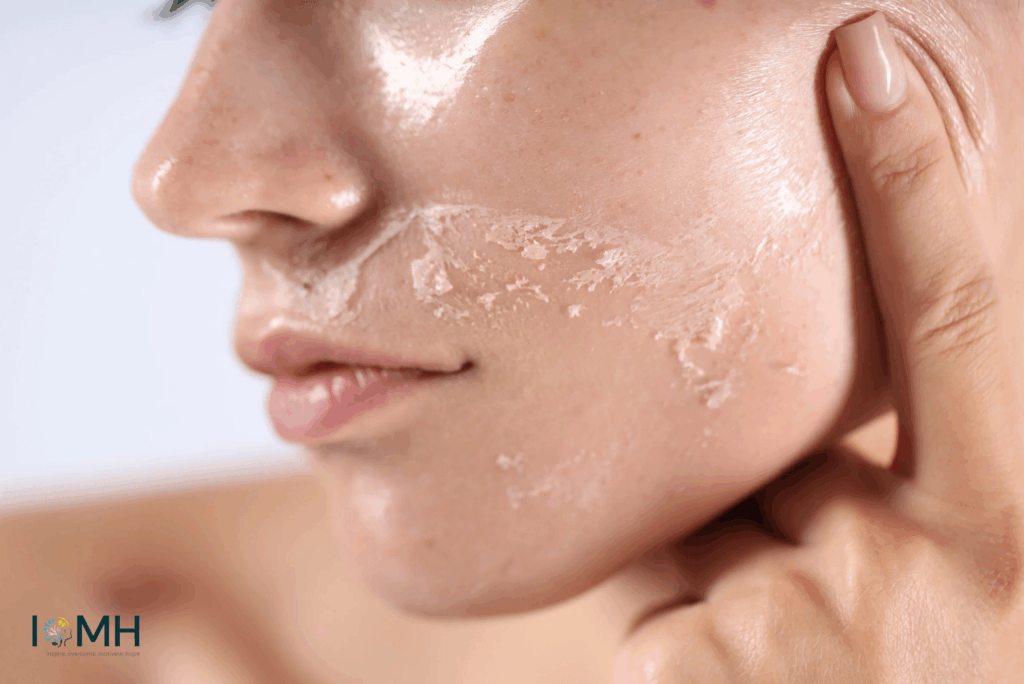
Living in the UK means your skin is frequently exposed to central heating, biting winter winds, and sudden drops in humidity. This constant environmental shifting strips natural moisture right out of the epidermis. When looking at skincare for dry skin, the primary objective is simple: deeply hydrate the skin cells and repair the compromised lipid barrier so that moisture can’t escape.
Dry skin lacks lipids (oils), which leaves it feeling tight, flaky, rough, and prone to premature fine lines. To fix this, your routine needs to transition away from lightweight gels and focus heavily on rich, emollient formulations.
The Ideal Dry Skin Routine Structure
- Cleanse: Swap out foaming face washes for a nourishing, non-stripping cream or oil-based cleanser. This cleans away impurities without removing your skin's remaining natural oils.
- Hydrate: While your face is still slightly damp, apply a humectant serum rich in hyaluronic acid or glycerin to pull water deep into the skin layers.
- Moisturise: Layer on a thick, comforting moisturiser packed with ceramides, fatty acids, or shea butter to actively rebuild the skin barrier and seal that hydration into place.
- Protect: Complete your morning routine with a hydrating cream-based SPF that offers high sun protection without drying out your skin texture.
Common Mistakes to Avoid
The single biggest mistake people make when managing dry skin is over-exfoliating. When you see flaky patches, it is tempting to scrub them away with harsh physical face scrubs or strong glycolic acids. However, this actually tears the delicate skin barrier further, leading to increased dryness, raw patches, and inflammation. Focus on hydration first, and let your skin heal naturally.
Skincare for Oily Skin: Balancing Without Over-Drying
Managing oily skin in the UK can be an incredibly frustrating balancing act. Many people assume that an oily T-zone or overall shiny complexion means they need to strip away every trace of moisture. However, taking a harsh approach to skincare for oily skin is completely counterproductive.
When you use aggressive, alcohol-heavy toners or stripping foaming cleansers, you compromise your skin barrier and dehydrate the surface. Your skin senses this extreme dryness and panics, working overtime to produce even more sebum to protect itself. The secret to managing oily skin isn’t eradication—it is gentle balance.
Establishing positive habits during the early years of a child’s development sets the stage for a lifetime of healthy adult teeth. Oral health practitioners work tirelessly to make dental education engaging, accessible, and fear-free for young patients.
Key Ingredients That Regulate Oil
To achieve a matte, clear complexion without causing irritation, look for skincare products that feature these smart, oil-regulating ingredients:
- Salicylic Acid (BHA): Unlike water-soluble acids, salicylic acid is oil-soluble. This allows it to penetrate deep inside your pores to dissolve the sticky mix of dead skin cells and excess sebum that causes blackheads and breakouts.
- Niacinamide: This powerhouse ingredient acts as a natural thermostat for your sebaceous glands, steadily reducing overall oil production while calming redness and shrinking the appearance of enlarged pores.

A Simple, Balanced Routine Structure
- Cleanse: Use a gentle, water-soluble foaming or gel cleanser morning and night. Look for sulfate-free options that clean deeply without leaving your skin feeling tight or squeaky.
- Treat: Apply a targeted salicylic acid or niacinamide serum to trouble areas to keep pores clear and regulate daily shine.
- Moisturise: Never skip this step! Oily skin still needs hydration (water), even if it has plenty of oil. Opt for oil-free, lightweight gel-creams or fluid lotions that sink in instantly without clogging pores.
- Protect: Finish your morning routine with a fluid, mattifying SPF 30 or SPF 50 that leaves a weightless, non-greasy finish.
Skincare for Sensitive Skin
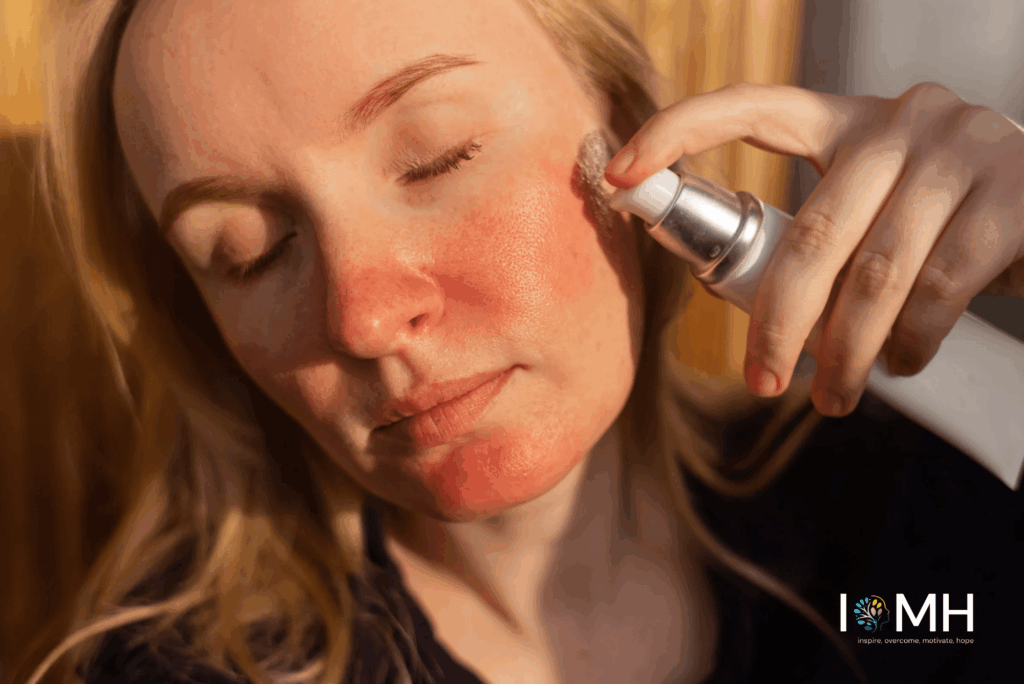
Having sensitive skin in the UK often feels like a constant game of trial and error. The combination of hard water in major cities like London, sudden seasonal temperature changes, and urban pollution can easily cause flare-ups, redness, and uncomfortable burning sensations.
When establishing skincare for sensitive skin, the golden rule is radical simplification. Your primary goal is to soothe inflammation and protect a naturally fragile skin barrier by avoiding complex, aggressive product formulations.
- Calcium and Phosphorus: Foods like cheese, milk, plain yogurt, and leafy greens are rich in calcium, which actively helps to remineralize tooth enamel that has been weakened by daily acids.
- Fibrous Vegetables: Crunchy veggies like celery and carrots act like natural toothbrushes. They require a lot of chewing, which stimulates the production of saliva—the mouth's natural defense mechanism against plaque.
- Water: Drinking plenty of plain water, especially after meals, washes away lingering food debris and helps keep your mouth hydrated.
Identifying and Avoiding Common Triggers
To keep your complexion calm, it is important to screen ingredient lists carefully. The most common culprits behind sudden skin reactions include synthetic fragrances, essential oils (like lavender or eucalyptus), drying alcohols, and coarse physical scrubs. Instead, look for minimalist formulations that carry “fragrance-free,” “hypoallergenic,” or “dermatologically tested” labels.
A Safe, Soothing Routine
- Cleanse: Stick to an ultra-gentle, non-foaming micellar water or a comforting milk cleanser. These gently lift away daily grime without disrupting the skin's delicate pH balance.
- Soothe: Look for calming serums or lotions that contain ingredients like Centella Asiatica (Cica), colloidal oatmeal, or panthenol to rapidly cool down redness and support barrier repair.
- Moisturise: Apply a simple, bland moisturiser with minimal ingredients—ideally one packed with pure ceramides or squalane—to seal the skin barrier safely.
- Protect: Chemical sunscreens can sometimes sting reactive skin. Opt for a gentle mineral (physical) SPF that utilizes zinc oxide or titanium dioxide, which sits naturally on top of the skin to block UV rays without causing heat or irritation.
The Importance of Patch Testing
Never introduce a new product to your entire face all at once. Always perform a patch test by applying a small coin-sized amount of the product to a discreet area, like your inner wrist or behind your ear, for 24 to 48 hours. If no redness, itching, or swelling occurs, you can safely integrate it into your wider skincare routine.
Skincare: Clearing Skin Without Damaging It
Acne is a complex, often distressing medical condition that affects millions of adults and teenagers across the UK. It is primarily triggered by a combination of overactive sebum glands, a buildup of dead skin cells that clog pores, and the proliferation of acne-causing bacteria.
When dealing with breakouts, many people mistakenly treat their skin aggressively, using harsh scrubs or stripping alcohol toners. However, creating a successful acne skincare routine requires a strategic, dual-action approach: actively targeting the root causes of the acne while carefully keeping the surrounding skin barrier calm and hydrated.
Evidence-Based Acne Ingredients
According to official NHS clinical guidelines and dermatologists, you should build your skincare for acne prone skin around ingredients backed by medical science:
- Salicylic Acid (BHA): The ultimate daily maintenance ingredient. Because it is oil-soluble, it flows directly into the pores to dissolve the sticky sebum and dead cells that form blackheads and whiteheads.
- Benzoyl Peroxide: A powerful antibacterial treatment available both over the counter and via prescription. It directly kills the bacteria responsible for inflammatory papules and pustules, though you must note that it can bleach clothing and bed linens.
- Topical Retinoids (e.g., Adapalene): The clinical gold standard for preventing new breakouts. Retinoids regulate skin cell turnover, keeping pores open and clear while simultaneously fading the dark marks left behind by old spots.

Anti-Ageing Skincare: What Actually Works According to Experts
The global anti-ageing market is filled with flashy jars of luxury creams promising overnight facelifts and miraculous youth. However, UK dermatologists consistently emphasize that true anti-aging skincare isn’t about chasing expensive trends; it is about using scientifically proven, evidence-based ingredients that protect and stimulate the skin at a cellular level.
Skin aging is driven by two main factors: intrinsic aging (the natural genetic clock) and extrinsic aging (environmental damage from pollution, smoking, and UV exposure). A smart routine focuses on a preventative and corrective approach rather than hoping for a quick fix.
- Sunscreen (SPF): The absolute number-one anti-ageing product in existence. Roughly 80% to 90% of visible skin ageing—including fine lines, deep wrinkles, sagging, and age spots—is caused by daily exposure to UV radiation. Even in the cloudy UK climate, skipping SPF breaks down collagen and elastin fibers over time.
- Retinoids (Vitamin A): The gold standard of corrective skincare. Retinol, retinaldehyde, and prescription-strength retinoids work by speeding up cellular turnover and stimulating the production of fresh collagen. This helps smooth out fine lines, improve overall skin elasticity, and even out skin tone.
- Vitamin C: A potent antioxidant that should be applied every morning. It acts as a shield against environmental pollution and free radical damage while inhibiting melanin production to brighten dark spots and hyperpigmentation.
- Peptides: Short chains of amino acids that serve as the building blocks for proteins like collagen and elastin. Incorporating peptides into your routine helps reinforce your skin's structural resilience and bounce.
Managing Expectations
It is vital to have realistic expectations when starting an anti-ageing routine. No topical skincare product can replicate the structural lifting effects of clinical dermatological treatments like microneedling, laser resurfacing, or dermal fillers. Furthermore, active ingredients like retinol require time and patience; expect to see initial improvements in skin texture after 12 weeks of consistent use, with peak collagen production taking up to 6 months.

Skincare Tips for Healthier Skin
While your choice of topical creams plays a major role in your complexion, the overall health of your skin is deeply tied to your daily lifestyle choices. You can use the most expensive lotions in the world, but if your body is stressed and run down, your skin will reflect it.
Implementing a few foundational lifestyle habits will dramatically enhance the efficacy of your daily routine.
Essential Daily Habits for Glowing Skin
- Hydration from Within: The notoriously unpredictable British weather can dry out your skin, making internal hydration vital. Drinking plenty of water daily helps flush out toxins and ensures your skin cells function at their absolute peak.
- Prioritise Quality Sleep: Your skin does its heavy lifting while you rest. During deep sleep, your body undergoes cellular repair and produces fresh collagen. Aim for 7 to 9 hours of quality sleep to prevent a dull, tired-looking complexion.
- Manage Your Diet and Stress: High-sugar foods and refined carbohydrates can trigger inflammatory pathways that worsen conditions like acne and eczema. Similarly, chronic stress releases cortisol, which spikes oil production and breaks down structural collagen.
Seasonal Skincare Adjustments in the UK
Skincare routines should adapt to the changing UK seasons. In winter, cold winds and indoor heating can cause dryness, so use rich cream cleansers and ceramide-based moisturisers to maintain hydration. In summer, humidity, sweating, and increased UV exposure make lightweight gel-creams and broad-spectrum SPF 30–50 sunscreen essential for keeping skin comfortable and protected.
By pairing a simple topical routine with healthy daily habits and making sensible seasonal shifts, you give your skin the support it needs to stay clear, balanced, and radiant all year long.
chemical irritation. Keep your daily routine focused, minimal, and targeted to your specific skin needs.
Building a Simple, Effective Skincare Routine That Works
Achieving healthy, radiant skin while navigating the unpredictable UK climate doesn’t require a bathroom cabinet overflowing with luxury items or a complicated, multi-step ritual. In the world of skincare, complexity is often the enemy of progress. Overloading your face with a cocktail of conflicting treatments usually results in irritation, breakouts, and a damaged skin barrier.
The real secret to long-term skin health lies in targeted simplicity and daily consistency. By taking the time to truly understand your specific skin type and choosing high-quality, dermatologist-approved skincare products that respect your skin’s natural biology, you can easily build a streamlined routine that delivers genuine results.
Commit to the core pillars: cleanse thoroughly, moisturise deeply, and protect your skin with SPF every single morning—no matter how cloudy the British skies look. By treating your skin with kindness, keeping your routine simple, and giving your products the time they need to work at a cellular level, you will unlock a clearer, healthier, and more resilient complexion that lasts a lifetime.


- All Courses
 Personal Development (1283)
 Career Bundle (479)
 Management & Administration (460)
 Employability (439)
 Health & Social Care (411)
 Health and Safety (382)
 Business (320)
 Teaching & Education (268)
 IT & Software (263)
 Health and Fitness (238)
 QLS Endorsed Courses (219)
 Mental Health & Counselling (168)
 Science & Technology (153)
 Accounting & Finance (144)
 Sales & Marketing (128)
 Construction & Engineering (126)
 Art & Design (125)
 Compliance & Law (112)
 Language (86)
 Photography & Lifestyle (58)
 Animal Care (57)
 Food Safety & Hygine (53)
 Diet & Nutrition (49)
 Sports & Fitness (47)
 Makeup & Beauty (43)
 First Aid (39)
 Agriculture (2)
0 responses on "The Ultimate Skincare Routine: Simple Steps for Healthier Skin in the UK"