



Finding out you are expecting is a beautiful, life-changing moment, but it often marks the exact second you enter a maze of consumer confusion. Today, across the UK, there is a massive surge in products marketed under the banner of pregnancy care. From targeted supplements and high-end subscription boxes to multi-step beauty bundles, modern expectant mothers are bombarded with messages telling them they need to buy it all to keep their babies safe.
This commercial noise has created an environment of intense information overload. Instead of feeling relaxed, many newly pregnant women find themselves panicking over whether they have bought the right products or if they are caring for pregnancy correctly. The unfortunate reality is that too many mums overbuy completely unnecessary items, draining their bank accounts on clever marketing trends while missing out on the foundational essentials.
Simplifying your approach with a practical, expert-backed checklist is the absolute best way to cut through the chaos. Grounded in the 2026 guidelines from NHS professionals, community midwives, and maternal health experts, this definitive guide will help you strip away the fluff. Whether you are looking at specialized tablets, trimester kits, or skincare routines, this checklist is designed to save you money, reduce your mental stress, and ensure your pregnancy journey remains safe, simple, and entirely evidence-based.
What Experts in the UK Say About Pregnancy Care Basics
When establishing a healthy daily routine, the absolute gold standard for pregnancy care in the UK relies on the NHS framework. The British healthcare system is built on decades of peer-reviewed, evidence-based research, meaning it prioritises clinical safety and maternal wellness over fleeting internet trends.
To genuinely take care about pregnancy, UK maternal experts look past the aesthetic packaging of commercial products and focus on four core pillars:
- Targeted Micronutrient Supplementation: Ensuring your body has the exact vitamins required for fetal development.
- Routine Clinical Monitoring: Attending regular midwife appointments to track your blood pressure, test your urine, and monitor your baby's growth.
- Proactive Lifestyle & Mental Health Care: Balancing gentle movement with emotional support to navigate the immense psychological shifts of modern motherhood.
- Non-Systemic Skincare: Swapping out aggressive, deeply absorbing cosmetic chemicals for simple topical barriers.

While the NHS provides a comprehensive, world-class pathway for every expectant mother, some families choose to enhance this journey through private pregnancy care. Opting for private services doesn’t mean rejecting the public system. Instead, many UK mums choose a hybrid approach—relying on the NHS for their core clinical care and delivery, while paying out-of-pocket for private early viability scans or continuous, one-on-one independent midwifery support for added reassurance.
Start A Rewarding Career As A Nursing Assistant?
Pregnancy Care Conception Checklist: What You Need Before and Early Pregnancy
Laying down a safe, clinical foundation for your baby actually begins long before your first scan. Implementing an expert-guided strategy during the pregnancy care conception phase ensures your body is stocked with critical micronutrients from the very moment a fertilized egg implants.
The Essential Early Steps
If you are planning a pregnancy or have just seen a positive result on a home test, UK midwives and the NHS advise adding these non-negotiable actions to your checklist immediately:

- Folic Acid ($400\,\mu\text{g}$): This must be taken daily from the time you stop contraception until at least the 12th week of pregnancy. It is clinically proven to protect your baby's developing neural tube against conditions like spina bifida.
- Vitamin D ($10\,\mu\text{g}$): Essential for regulating calcium and phosphate, which your baby needs to build healthy bones, teeth, and muscles.
- Vitamin D: Take $10\,\mu\text{g}$ daily to regulate calcium and phosphate levels, which are critical for building your baby's future bones, teeth, and muscles.
- Lifestyle Adjustments: Cut out alcohol entirely, stop smoking, and limit your daily caffeine intake to under 200mg (roughly two mugs of instant coffee).
What You Can Safely Skip
In the first few weeks, your consumer instinct might tell you to start buying. However, experts recommend skipping expensive heartbeat dopplers for home use, which can cause unnecessary anxiety or false reassurance. You should also pass on advanced first-trimester wardrobe hauls—your body will change unpredictably, so hold off on buying maternity wear until you actually need it.
Essential Pregnancy Care Tablets: What You Actually Need
Walk into any high-street UK chemist and you will find shelves packed with massive bottles of prenatal multivitamins claiming to be essential. However, when it comes to pregnancy care tablets, UK health experts advocate for targeted simplicity over broad-spectrum megadoses.
The Non-Negotiable Tablets
The NHS and the Royal College of Obstetricians and Gynaecologists (RCOG) recommend just two mandatory daily supplements for a healthy pregnancy:
- Folic Acid ($400\,\mu\text{g}$): Essential through the first 12 weeks to prevent neural tube defects.
- Vitamin D ($10\,\mu\text{g}$): Essential throughout your entire pregnancy and while breastfeeding, especially given the UK’s famously overcast climate.
When You Might Need Extra Support
Your community midwife will run comprehensive blood tests at your booking appointment and again at 28 weeks. Based on your clinical results, they may prescribe or recommend:
- Iron Tablets: If your blood panels show a drop in haemoglobin levels (gestational anaemia), your midwife will recommend a safe therapeutic iron supplement. Tip: Always pair iron with a glass of orange juice, as Vitamin C significantly improves absorption.
- Calcium or Omega-3: Usually only recommended if you have specific dietary restrictions, such as being strictly vegan or lactose intolerant.
What to Skip: Unnecessary Multivitamins & Overdosing Risks
You can safely skip expensive, premium prenatal vitamin bundles that pack 20+ ingredients into a single pill. Not only are most of these extra nutrients flushed straight out of your system, but standard generic multivitamins can also be actively dangerous.
Many non-pregnancy multivitamins contain high doses of Vitamin A (Retinol), which is teratogenic and can cause birth defects. Never buy a generic multivitamin; if you choose to take a compound supplement, ensure it is clearly stamped as “Pregnancy Safe.”
Pregnancy Care Kits: What’s Useful vs What’s a Waste
Commercial pregnancy care kits have become a massive retail trend across the UK. Often sold as beautifully packaged box sets or monthly subscriptions, they promise to deliver ultimate comfort. However, while some bundles offer genuine utility, others are packed with overpriced fluff designed to cash in on parental anxiety.
What a Real, Useful Kit Includes
If you are buying a bundle or dropping hints for a care package for pregnancy, look for functional kits that prioritize your clinical comfort, hydration, and daily organization. A truly useful kit should contain:
- A Premium Tracker Water Bottle: Striking your expert-recommended 2 litres of water a day is much easier with a large, BPA-free bottle that tracks your hourly progress.
- A Compact Vitamin Organiser: A simple, labelled case keeps your daily pregnancy care tablets neatly organized so you never miss a dose of Folic Acid or Vitamin D.
- Unfragranced, Clinical Skincare: A high-quality, zero-fuss botanical balm or pure cocoa butter to soothe stretching, itchy skin.
- A Milestone Logbook: A physical journal to write down your midwife’s advice, track fetal movements, and list questions for your antenatal appointments.
The Overpriced Extras to Avoid
You can safely skip kits that charge a premium for aesthetic, luxury items that add no clinical or therapeutic value. Steer clear of bundles filled with heavily scented bath bombs and essential oil sleep mists, which frequently trigger nausea or cause allergic skin reactions on sensitive prenatal skin.
Similarly, pass on kits containing luxury “bump masks” (sheet masks for your stomach) or high-end sound tubes meant to play music to your womb. Your baby can hear your voice perfectly fine without expensive gadgets, and your skin prefers basic, fragrance-free hydration over trendy sheet masks.
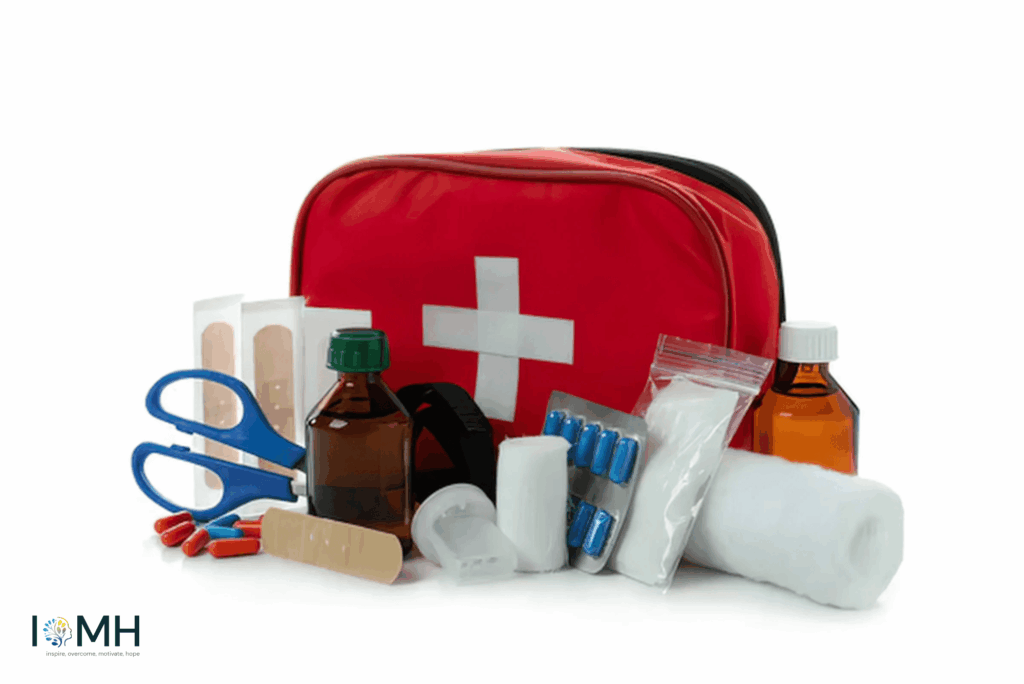
Building the Perfect Care Package for Pregnancy at Home
When you are pregnant, your body works at double speed to build a completely new vascular system, a placenta, and a tiny human being. Because of this monumental workload, relying entirely on food to meet your nutritional quotas can leave you depleted. This is where targeted pregnancy care tablets play a vital, clinically proven role.
Essential Trimester-by-Trimester Tailoring
To make a care package for pregnancy truly effective, it should evolve alongside the distinct physical phases of the journey:
- The First Trimester (Survival Phase): Focus heavily on morning sickness and fatigue. Excellent home additions include acupressure sea-bands, real ginger or peppermint teas to soothe an uneasy stomach, unfragranced lip balms, and a small, stylish notebook to jot down notes for the initial NHS booking appointment.
- The Second Trimester (The "Glow" & Growth Phase): This is when the bump begins to make an appearance. Pack the bundle with a high-quality, mineral-based face sunscreen (SPF 30 or higher) to combat hormonal pigmentation, and a gentle, unscented body oil to ease the itching of stretching skin.
- The Third Trimester (The Comfort & Prep Phase): Focus entirely on physical relief and labor preparation. Add a firm wedge pillow to support the lower back while sitting, a packet of organic raspberry leaf tea, heavy-duty maternity pads, and a pack of comfortable, breathable cotton briefs.

Budget-Friendly vs. Premium: Focus on What Works
You do not need to spend hundreds of pounds at high-end boutiques to make a premium package. UK mums consistently report that the most valued items are the simplest ones. Swap out overpriced “luxury bump lotions” for high-purity, accessible alternatives like raw shea butter or pure coconut oil. Instead of buying designer water bottles, pick up a sturdy, clear tracker bottle from a local high-street pharmacy. By focusing on practical utility over aesthetic branding, you build a package that genuinely supports daily health and comfort.
Pregnancy Safe Skin Care Checklist: What to Use and What to Avoid
The hormonal surges of pregnancy can completely alter your skin chemistry, causing unexpected dryness, sudden sensitivity, or bouts of adult acne. Because topical ingredients can be absorbed through the skin, transitioning to a dedicated pregnancy safe skin care routine is essential for protecting both your body and your developing baby.
The “Stop Using Immediately” Checklist
UK dermatologists and maternal health experts advise thoroughly reviewing the ingredient lists on your bathroom shelf. Pause using any products containing the following:
- Retinoids and Retinol: These Vitamin A derivatives are incredibly popular for anti-ageing and acne, but high systemic levels are linked to birth defects. Avoid all forms, including prescription treatments like Tretinoin.
- High-Dose Salicylic Acid (BHAs): While standard, rinse-off daily facial cleansers containing less than 2% salicylic acid are generally considered low-risk, you should skip leave-on serums, spot treatments, and deep chemical peels.
- Hydroquinone: Frequently marketed to treat dark spots and hyperpigmentation, this chemical has an exceptionally high absorption rate into the blood, making it unsafe during pregnancy.

The “Expert-Approved Safe” Checklist
You do not have to abandon your skincare goals while expecting. UK experts recommend these highly effective, non-systemic alternatives:
- For Deep Hydration: Reach for Hyaluronic Acid. It safely locks moisture into the skin barrier without introducing unwanted chemicals to your bloodstream.
- For Exfoliation & Acne Control: Swap out your retinoids for Glycolic Acid or Azelaic Acid. These gentle alpha-hydroxy acids (AHAs) effectively clear away dead skin cells and keep breakouts at bay safely.
- For Advanced Protection: The best skin care during pregnancy always includes a daily broad-spectrum mineral sunscreen (SPF 30 or higher). Look for formulas built around Zinc Oxide or Titanium Dioxide, which act as a physical shield on top of the skin rather than absorbing into it.
Pregnancy Face Care Essentials: Simple Routine That Works
Fluctuating hormones can make your facial skin highly unpredictable. While some women experience the radiant “pregnancy glow” due to increased blood flow, many others deal with a hyperpigmentation condition known as chloasma or melasma (the “mask of pregnancy”).
When managing these changes, overloading your skin with complex multi-step routines can strip your skin barrier and trigger inflammation. UK dermatologists recommend a streamlined, low-intervention pregnancy face care routine built around three simple steps.
The Essential 3-Step Routine
- 1. Cleanse Gently (Morning & Night): Use a mild, fragrance-free, non-foaming cleanser. This gently clears away daily oil and impurities without drying out your skin's natural protective oils.
- 2. Hydrate and Target (Morning & Night): Apply a nourishing, pregnancy-safe serum. A stable Vitamin C serum safely brightens the skin and protects against dark spots, while Hyaluronic Acid locks in deep moisture to combat hormonal dryness.
- 3. Protect (Every Single Morning): Finish your morning routine with a generous layer of physical mineral sunscreen (SPF 30 or higher). Hormonal shifts make your skin incredibly sensitive to UV rays, which directly trigger and worsen melasma. Protecting your face daily is the single most effective step you can take.
What to Skip: Harsh Treatments and Over-Exfoliation
You can safely skip expensive electronic facial brushes, aggressive chemical peels, and harsh physical scrubs. If you experience pregnancy breakouts, avoid standard over-the-counter acne products containing high percentages of salicylic acid. Instead, opt for a gentle leave-on Azelaic Acid treatment, which is highly recommended by UK specialists to soothe redness, clear pores, and fade dark spots safely.

Private Pregnancy Care vs NHS: What You Actually Need
When map-checking your healthcare journey in the UK, it is easy to feel overwhelmed by the choice between relying entirely on the public sector or investing in private pregnancy care. Stripping away the clever marketing allows you to look at what you actually need versus what counts as an expensive, unnecessary luxury.
What the NHS Already Provides (The Essentials)
The NHS maternity framework is a world-class, fully comprehensive service that covers every clinical essential required to guide you safely from conception to birth. Your standard NHS care pathway automatically includes:
- Your Complete Appointment Schedule: All routine mid-pregnancy and third-trimester checks to monitor blood pressure, tracking, and fetal position.
- Core Ultrasound Screenings: The 12-week dating scan and the critical 20-week anomaly scan.
- Full Emergency & Specialist Infrastructure: Immediate, zero-cost access to consultant obstetricians, maternal-fetal medicine specialists, and neonatal intensive care units (NICU) if complications arise.
When Private Care is Useful
Paying out-of-pocket or using private medical insurance is never a clinical necessity in the UK, but it can provide specific practical benefits:
- Guaranteed Continuity of Care: While the NHS works hard to provide consistent care, you will frequently see different midwives at different appointments. Private obstetrics or hiring an independent midwife ensures the exact same clinician supports you through every check-up and the birth itself.
- Reassurance Scans: The eight-week gap between the NHS 12-week and 20-week scans can feel incredibly long. Booking an early viability scan (at 8 weeks) or a well-being scan at a private clinic can offer immense peace of mind.
What is Unnecessary and Expensive
You can safely skip ultra-luxury private birth packages that charge thousands of pounds simply for hotel-style amenities, designer delivery rooms, or non-clinical postpartum catering. If a true medical emergency occurs during labor, private patient units frequently rely on transferring patients back into the main NHS infrastructure.
For the vast majority of UK families, the smartest, most cost-effective approach is a hybrid one: utilize the exceptional, free clinical foundation of the NHS for your core care and delivery, while setting aside a small budget for one or two private reassurance scans if you want the extra comfort.
Pregnancy Care Mistakes UK Mums Should Avoid
Even with the absolute best intentions, the sheer volume of marketing targeted at expectant parents can lead to some easily avoidable missteps. When you are trying to provide the ultimate caring for pregnancy experience for your baby, it is important to separate genuine clinical needs from clever consumer trends.
1. Overbuying Kits and Supplements
Out of an anxious desire to protect their baby, some mums stack multiple prenatal supplements together, unknowingly risking a toxic overdose of certain fat-soluble vitamins like Vitamin A or iron. Always check your labels to ensure you aren’t doubling up on ingredients across different pregnancy care tablets. Similarly, overspending on high-end kits that contain beautifully packaged but functionally useless luxury items drains your budget before the baby even arrives.
2. Following Unverified Online Advice
Social media platforms are flooded with influencers promoting multi-step routines, untested herbal remedies, and dramatic dietary restrictions. To truly take care about pregnancy, you must filter out the noise. The algorithms on social media are designed to capture your attention, not protect your health. For every medical or lifestyle decision, cross-reference your choices with official NHS advice or the Royal College of Obstetricians and Gynaecologists (RCOG) guidelines.
3. Confusing “Natural” with “Safe”
A very common mistake is adopting a “100% natural, organic” essential oil blend or herbal supplement, believing they are automatically safer than clinical formulations. In reality, highly concentrated essential oils (like rosemary, sage, or jasmine) can cause severe skin sensitization or even trigger premature uterine contractions. Conversely, safe synthetic formulas like hyaluronic acid are completely non-systemic and harmless.
4. Ignoring or Rescheduling Antenatal Appointments
With busy work schedules, it can be tempting to push back a routine community midwife appointment, especially if you feel perfectly healthy. However, these checks are vital for spotting asymptomatic conditions like gestational diabetes or sudden spikes in blood pressure (pre-eclampsia). Never swap an official NHS clinical check-up for the false reassurance of a private boutique 4D scan or a home health app.
Post Pregnancy Care Checklist: What to Prepare in Advance
When putting together your preparation lists, it is incredibly easy to focus entirely on the birth day and forget about what happens immediately after. Nesting your focus into proactive post pregnancy care preparation before your baby arrives ensures that you have a smooth, well-supported recovery window during the intense first few weeks of motherhood.
Physical Recovery Essentials
Your body goes through a monumental transition immediately after giving birth. Stock your bathroom cabinet with these practical essentials before your due date:
- Heavy-Duty Maternity Pads: You will need thick, highly absorbent pads for the first few weeks postpartum. Buy at least three to four packs to get you started.
- A Peri Bottle: A simple, ergonomic squeeze bottle filled with warm water makes cleansing yourself after using the toilet infinitely more comfortable, shielding sensitive or stitched skin from irritation.
- Soothing Compresses: Witch hazel pads or reusable gel breast packs (which can be warmed up for milk flow or cooled down to soothe engorgement) provide instant, localized relief.
Emotional Wellbeing Support
The “baby blues” affect the vast majority of new mothers due to a dramatic drop in hormones roughly three to five days after birth. Setting up your emotional support network in advance is just as vital as physical prep. Clearly define boundaries for house visitors, map out who can help with daily household chores, and keep your health visitor or community midwife’s phone number easily accessible if you need professional guidance with postpartum anxiety or low mood.
Skincare Transition After Birth
Once your baby is born, your skin hormones will begin to rebalance, which can occasionally trigger dry patches or sudden breakouts. While you can slowly reintroduce active ingredients like retinoids back into your pregnancy face care routine after giving birth, keep things incredibly simple if you are breastfeeding. A gentle cleanser, a dependable moisturizer, and your daily SPF remain the safest foundation for protecting skin that frequently comes into close contact with your newborn’s delicate face.
What You Can Safely Skip in Pregnancy Care
When you are preparing for a baby, the temptation to buy every cleverly marketed gadget on your social media feed is incredibly strong. However, when it comes to true, evidence-based pregnancy care, a large portion of commercial products are expensive, redundant, or entirely unnecessary.
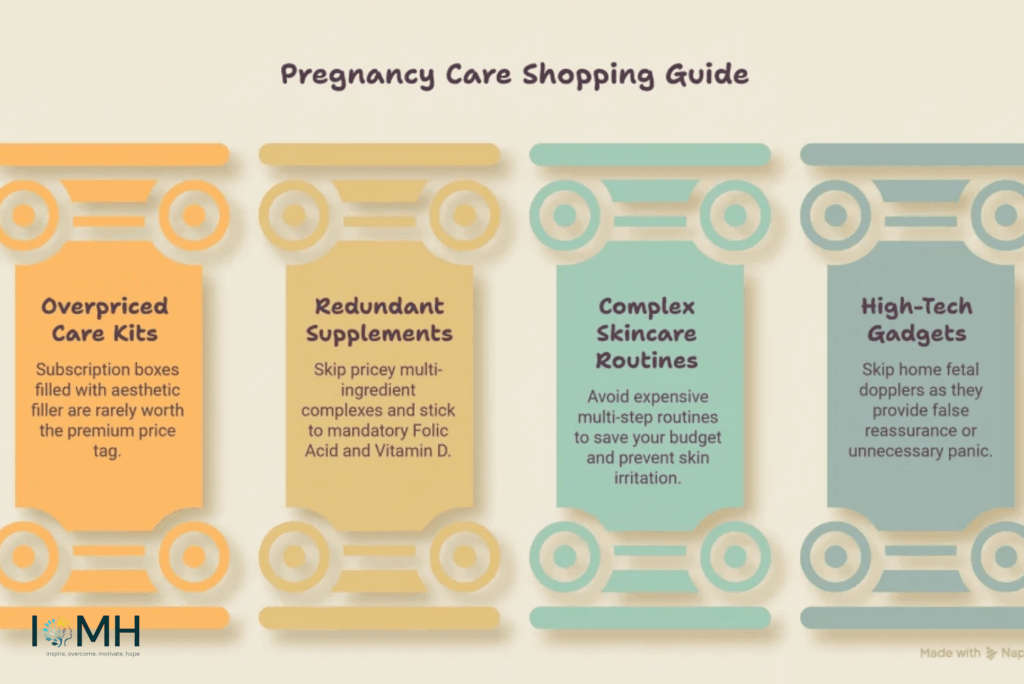
By actively scratching these four categories off your shopping list, you can save hundreds of pounds for items your baby will actually need later on.
1. High-End, Overpriced Pregnancy Care Kits
Subscription boxes that promise monthly deliveries of “curated wellness items” are rarely worth the premium price tag. Most of these boxes are filled with aesthetic filler—such as gold-flecked bath salts, heavily fragranced room sprays, or branded tote bags. You can easily build a far more functional care package for pregnancy at home using simple, high-street basics for a fraction of the cost.
2. Redundant and Over-Hyped Supplements
Unless specifically prescribed by your NHS midwife or consultant to treat a verified deficiency (such as gestational anaemia), you can completely skip pricey, multi-ingredient prenatal vitamin complexes. Stacking high-end herbal powders, superfood green blends, or unnecessary collagen elixirs onto your routine adds zero clinical benefit. Stick strictly to your mandatory Folic Acid and Vitamin D pregnancy care tablets.
3. Overcomplicated, Multi-Step Skincare Routines
You do not need an 8-step luxury skincare routine to achieve a healthy glow or combat hormonal breakouts. Passing on expensive “belly-only” sheet masks, high-end anti-ageing serums, and celebrity-endorsed night creams will save both your budget and your skin barrier. Your skin is far more sensitive during pregnancy; overloading it with products increases the risk of contact dermatitis and irritation.
4. Unnecessary High-Tech Gadgets
Skip the home fetal dopplers entirely. While the idea of listening to your baby’s heartbeat at home sounds comforting, UK midwives strongly advise against them. Non-professionals can easily mistake the sound of their own placenta or maternal pulse for the baby’s heartbeat, leading to dangerous false reassurance or unnecessary panic. Leave the clinical monitoring to the experts at your scheduled NHS appointments.
Expert Tips for Smarter Caring for Pregnancy
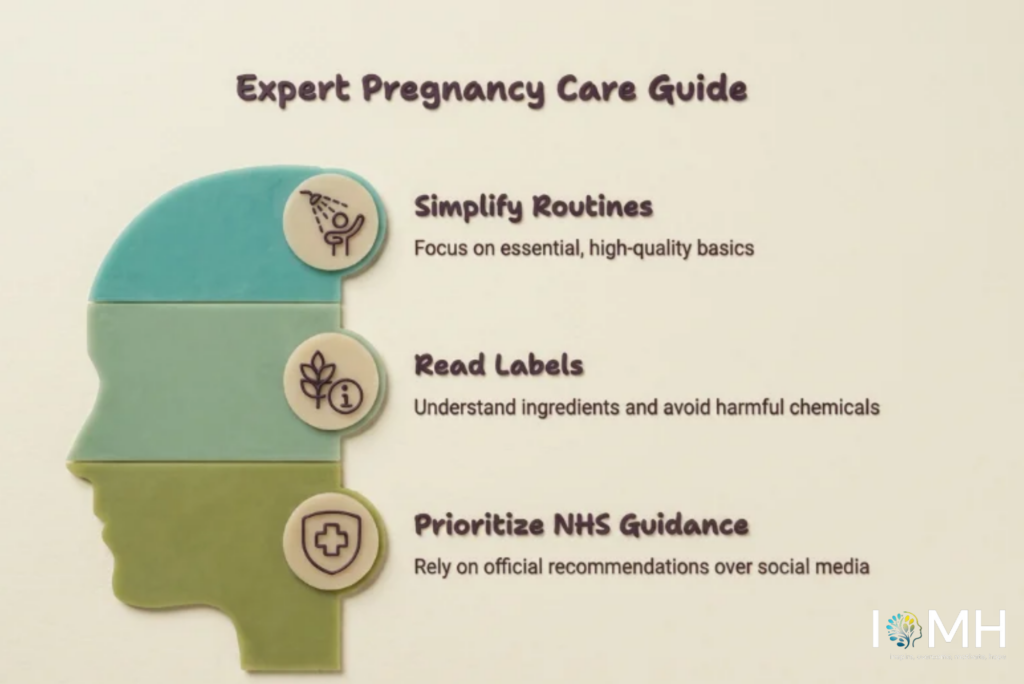
When it comes to caring for pregnancy, the gold standard rule from UK midwives and obstetricians is simple: keep it safe, keep it consistent, and cut out the consumer noise. Navigating your nine-month journey shouldn’t feel like a high-stress administrative job or an expensive shopping sprint.
1. Strip Back and Simplify Your Routines
Whether it’s your morning skincare or your daily nutrition, less is almost always more. You do not need a 10-step beauty routine or a shelf full of exotic superfoods to grow a healthy baby. Focus on a few high-quality, expert-approved basics—like a reliable mineral sunscreen, a balanced whole-food diet, and your essential prenatal vitamins.
2. Learn to Read Labels Like a Pro
To truly take care about pregnancy, make a habit of flipping packaging over to read the ingredient lists. Look past the clever marketing buzzwords on the front of the bottle (like “clean,” “pure,” or “natural”) and check the back for clinically verified, pregnancy-safe components. If you are ever unsure about a specific chemical, preservative, or supplement dose, snap a quick photo and show it to your midwife at your next check-up.
3. Prioritise NHS-Approved Guidance Over Social Media
If a wellness trend or pregnancy hack goes viral online, treat it with a healthy dose of skepticism. The algorithms on social media are designed to capture your attention, not protect your health. For every medical decision—from vaccination schedules to dietary choices—always cross-reference your choices with official NHS choices or the Royal College of Obstetricians and Gynaecologists (RCOG) guidelines.
Conclusion: Building a Safe, Simple, and Effective Pregnancy Care Routine
Navigating your nine-month journey should be a time of joy and anticipation, not a period dominated by stress and conflicting online advice. When you filter out transient wellness trends and anchor your routine in the recommendations of UK medical experts, taking pregnancy care into your own hands becomes incredibly straightforward.
Building the ultimate routine doesn’t require overcomplicating your life or spending a fortune on luxury products. By securing your baseline NHS appointments, taking your essential daily pregnancy care tablets, and paring back your skincare to a few trusted, non-systemic ingredients, you create a beautifully protective bubble for both yourself and your developing baby.
As you move through each trimester and eventually transition into post pregnancy care, remember that consistency and simplicity are your best allies. Trust your body, lean on the brilliant UK midwifery network around you, and enjoy the incredible process of bringing your little one into the world.


- All Courses
 Personal Development (1283)
 Career Bundle (479)
 Management & Administration (460)
 Employability (439)
 Health & Social Care (411)
 Health and Safety (382)
 Business (320)
 Teaching & Education (268)
 IT & Software (263)
 Health and Fitness (238)
 QLS Endorsed Courses (219)
 Mental Health & Counselling (168)
 Science & Technology (153)
 Accounting & Finance (144)
 Sales & Marketing (128)
 Construction & Engineering (126)
 Art & Design (125)
 Compliance & Law (112)
 Language (86)
 Photography & Lifestyle (58)
 Animal Care (57)
 Food Safety & Hygine (53)
 Diet & Nutrition (49)
 Sports & Fitness (47)
 Makeup & Beauty (43)
 First Aid (39)
 Agriculture (2)
0 responses on "The Ultimate Pregnancy Care Checklist: What You Actually Need and What to Skip"