



Introduction
The UK is experiencing a growing demand for carers, making it one of the most attractive destinations for foreigners seeking work in the healthcare sector. If you’ve ever wondered how to become a carer in the UK as a foreigner, the good news is that opportunities are plentiful — especially through the Health and Care Worker visa route. With an ageing population and increasing need for home care, live-in care, and residential care staff, the UK is actively welcoming overseas applicants to fill vital roles.
A “carer” in the UK can mean many things: you might work as a care assistant in a nursing home, a domiciliary carer visiting people in their homes, or a live-in carer providing full-time support to a single individual. Each path offers steady work, the chance to make a real difference, and a clear route to building a long-term career in the UK.
This blog will guide you through everything you need to know — from carer jobs UK for overseas applicants and visa requirements, to the training and qualifications you’ll need. Whether you’re starting from scratch or already have caring experience abroad, this step-by-step guide will show you how to secure carer job sponsorship UK, what to expect from the application process, and how to prepare for life as a carer in Britain.


Can Foreigners Become Carers in the UK? Eligibility & Visa Requirements
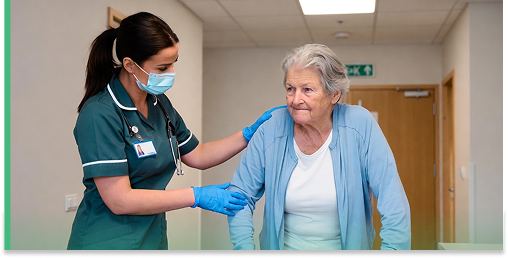
Yes — foreigners can apply for carer jobs UK for overseas applicants through the Health and Care Worker visa route. The UK government recognises the urgent shortage of carers and has made it easier for international candidates to live and work as care assistants, domiciliary carers, or live-in carers.
Health and Care Worker Visa
The main route for foreigners is the Health and Care Worker visa. To qualify, you must:
- Have a confirmed job offer from a UK employer licensed to sponsor overseas workers. This is known as a Certificate of Sponsorship (CoS).
- Meet English language requirements, usually by passing an approved test unless you are from an English-speaking country or studied in English.
- Provide proof of financial support, unless your employer certifies maintenance on your behalf
- Have a clean record and pass health and background checks, including tuberculosis testing in some countries.
Employer Sponsorship
Not all employers can sponsor visas. You need to secure care job sponsorship UK from an organisation on the government’s list of approved sponsors. Many large care agencies and NHS trusts are on this list. Without sponsorship, you cannot apply for the Health and Care Worker visa.
Other Requirements
- A valid passport and travel documents.
- Criminal record check (DBS) for working with vulnerable adults.
- Readiness to complete induction training, such as the Care Certificate UK.
In short, becoming a carer in the UK as a foreigner is possible — but only if you follow the visa rules and secure sponsorship from a licensed employer.
Qualifications, Training & Certifications Needed
One of the advantages of carer jobs UK for overseas applicants is that you don’t always need formal academic qualifications to get started. What matters most is having the right training and a genuine commitment to supporting vulnerable people. Still, certain certifications will boost your employability and help you progress into better-paid care job sponsorship UK roles.
Care Certificate
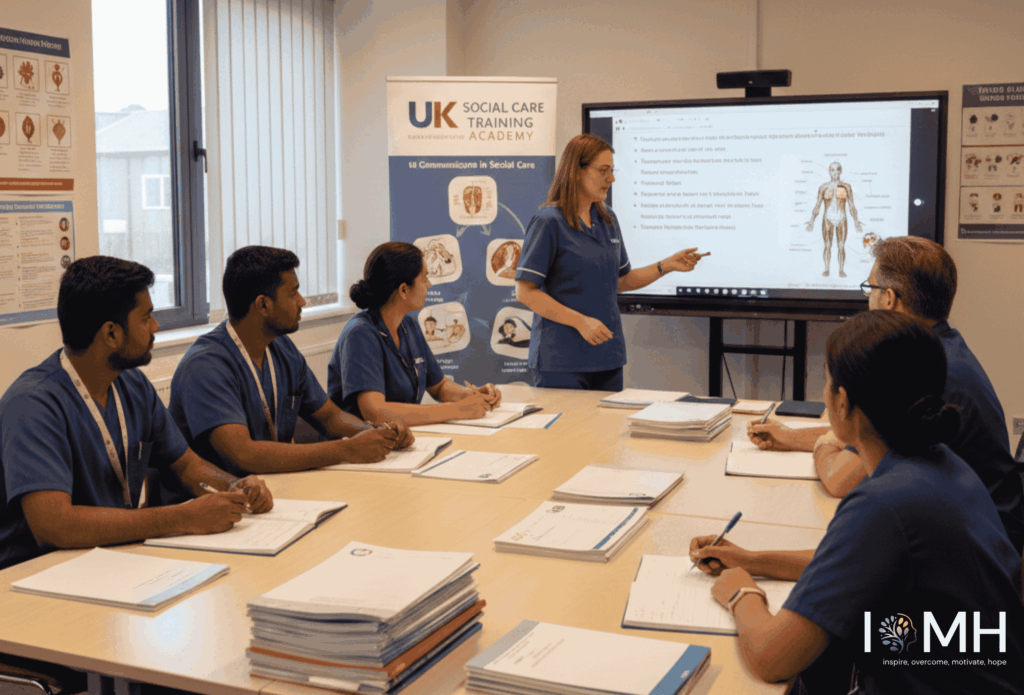
The Care Certificate UK is the minimum induction training required for anyone new to care. It covers 15 standards, including safeguarding, infection control, and basic care skills. Many employers will provide this training once you begin work, but having prior knowledge can give you a strong advantage when applying for carer jobs NHS or private care agencies.
Mandatory Training
In addition to the Care Certificate, carers are usually required to complete short courses in:
- First Aid and CPR
- Manual Handling / Moving and Handling
- Infection Prevention and Control
- Health and Safety at Work
- Food Hygiene (for those preparing meals)
Employers often provide this training, but demonstrating prior experience or certification will strengthen your application.
Recognising Overseas Qualifications
If you already hold nursing or healthcare-related qualifications abroad, you may be able to use them to apply for more advanced carer jobs UK for overseas applicants. However, these may need to be translated and verified for UK equivalence.
Continuous Professional Development (CPD)
Carers are encouraged to keep learning throughout their career. CPD courses in dementia care, palliative care, or mental health can open doors to specialist positions and higher salaries.
In summary, while you can start in care without advanced qualifications, completing a clinical or care-related course UK and achieving the Care Certificate will ensure you’re job-ready and attractive to employers offering visa sponsorship.
Finding Carer Jobs & Employers that Sponsor Foreigners
For many people exploring how to become a carer in the UK as a foreigner, the biggest challenge is finding an employer willing to offer visa sponsorship. Fortunately, the demand for carers is so high that many organisations actively recruit from overseas.
Where to Search
- NHS Jobs Portal: The NHS is one of the largest employers of carers, and many NHS Trusts are licensed to provide care job sponsorship UK.
- Recruitment Agencies: Agencies specialising in healthcare often advertise carer jobs UK for overseas applicants, with live-in and domiciliary positions available.
- Private Care Companies: Well-known care providers such as The Good Care Group, Trinity Home care, and Christies Care frequently recruit carers from abroad.
- Job Boards: Websites like Indeed, Glassdoor, and LinkedIn list hundreds of care jobs, with filters for visa sponsorship.
Tips for Applying
- Highlight any previous caring experience — even informal family caregiving can demonstrate your suitability.
- Show commitment to training, such as completing a Care Certificate UK or related courses.
- Tailor your CV and cover letter to emphasise compassion, communication, and reliability.
- Apply directly to approved UK employers with sponsorship licences — without one, your visa application won’t be accepted.
Sponsorship is Key
The most important step for overseas applicants is ensuring the employer can legally sponsor you. The UK Home Office maintains a public list of licensed sponsors. Only these organisations can provide the Certificate of Sponsorship required for the Health and Care Worker visa.
Finding a sponsor may take persistence, but with thousands of vacancies and government support for overseas recruitment, opportunities are widely available.
Visa Application Process & Costs
Once you’ve secured a job offer from a licensed sponsor, the next step in how to become a carer in the UK as a foreigner is applying for the Health and Care Worker visa. This visa allows you to live and work in the UK while filling one of the many carer jobs UK for overseas applicants.
- Receive a Certificate of Sponsorship (CoS): Your employer provides this electronic document, which confirms they are sponsoring your role.
- Prepare your documents: You’ll need a valid passport, proof of English language skills, tuberculosis test results (if required), and a police clearance or DBS check UK care worker from your home country.
- Submit the visa application online: Applications are made via the official gov.uk website.
- Pay the visa fee: The Health and Care Worker visa is cheaper than other UK visas, and applicants are exempt from the immigration health surcharge.
- Attend biometric appointment (if required): Provide fingerprints and a photo at a visa application centre.
- Wait for decision: Most applications are processed within 3–8 weeks, though priority services may be available.
Costs Involved
- Visa application fee: £284 for up to 3 years, or £551 for more than 3 years.
- English test fee (if applicable): Around £150.
- Document translation fees: Costs vary if your documents aren’t in English.
- Travel & relocation expenses: Flights, initial accommodation, and daily expenses until your first pay.
The Health and Care Worker visa route is one of the most affordable and supportive visas for foreigners, making it the main pathway for those seeking care job sponsorship UK.
Working as a Carer in the UK: Types of Roles & Pay Expectations
When considering carer jobs UK for overseas applicants, it’s helpful to understand the different roles available and the salaries you can expect. Care work is diverse, ranging from live-in positions to part-time home visits, giving foreigners flexibility in how they build their career.
Types of Carer Roles
- Live-in Carer: You live in the client’s home and provide round-the-clock support. This is popular for working as live-in carer UK roles and often comes with free accommodation and meals.
- Domiciliary (Home) Carer: You travel between clients’ homes, helping with daily tasks such as washing, dressing, meal preparation, and medication.
- Residential Care Worker: Based in a care home, you support multiple residents with personal and social care needs.
- Specialist Carer: With additional training, you may support people with dementia, disabilities, or palliative care needs.
Pay Expectations
- Entry-Level Carers: Typically earn between £21,000 – £24,000 per year, depending on employer and location.
- Live-in Carers: Salaries can range from £500 – £700 per week, plus free accommodation.
- Experienced Carers or Senior Roles: Earnings rise to £25,000 – £30,000+ per year, especially if you take on supervisory or specialist positions.
- NHS Care Assistants (Band 2/3): Pay is based on NHS salary bands, starting at around £22,816 per year.
Pay often varies by region, with higher wages offered in London and the South East to reflect the cost of living. Many employers also provide benefits such as travel reimbursement, pensions, and paid training.
Challenges & Tips for Foreign Carers
Starting a new career abroad always comes with challenges, and how to become a carer in the UK as a foreigner is no exception. While the demand for carers is high, overseas workers often face practical and cultural adjustments. Here’s what to expect — and how to prepare.
Common Challenges
- Cultural Adjustment: The UK care system may be very different from what you’re used to. Standards such as the Care Certificate UK set out strict guidelines for safeguarding and patient dignity.
- Language Barriers: Even with good English skills, understanding local accents, medical terminology, or colloquial expressions can be tough at first.
- Homesickness & Isolation: Live-in carers, in particular, may feel isolated if they are away from family and adjusting to a new culture.
- Administrative Hurdles: Getting a DBS check UK care worker, setting up a UK bank account, and arranging accommodation can take time.
- Workload: Care roles can be physically and emotionally demanding, requiring resilience and compassion.
Practical Tips for Success
- Prepare Before Arrival: Arrange housing (if not live-in), bring certified translations of documents, and research local transport.
- Leverage Training: Complete a care worker training UK course or induction early on — this builds confidence and improves employability.
- Improve Communication: Practise medical and caregiving vocabulary to make communication with colleagues and clients smoother.
- Find Support Networks: Connect with other overseas carers through community groups, online forums, or local cultural associations.
- Stay Positive: Remember, the first months can be the hardest. With time, most foreign carers adapt well and find their role highly rewarding.
By anticipating these challenges and preparing ahead, you’ll be able to settle into your new role more smoothly and build a fulfilling career.
Rights & Protections
If you’re exploring carer jobs UK for overseas applicants, it’s important to know your rights as a worker. The UK has strong labour laws designed to protect employees, including foreign carers on the Health and Care Worker visa. Understanding these protections will help you avoid exploitation and ensure you get fair treatment.
Workers’ Rights
- National Minimum Wage: All carers, including live-in carers, must be paid at least the UK National Minimum Wage (or National Living Wage if over 23). Many working as live-in carer UK roles pay above this level.
- Paid Holiday: You are entitled to at least 28 days of paid holiday per year (pro rata), including bank holidays.
- Sick Pay: After a qualifying period, you may receive Statutory Sick Pay if you’re unable to work due to illness.
- Working Hours: The UK’s Working Time Regulations protect carers from excessive hours. You can’t be forced to work more than 48 hours a week unless you opt out.
Safeguards for Carers
- Employment Contract: Your employer must provide a written contract stating pay, hours, and job duties.
- Health and Safety Protections: Employers must provide safe working conditions, equipment, and training such as manual handling.
- DBS and Safeguarding: These checks not only protect clients but also ensure carers work in regulated, safe environments.
Visa Protections
- If you are in the UK under a care job sponsorship UK, your rights are the same as UK workers. Employers cannot reduce your pay unfairly, deny holidays, or exploit your visa status.
- You may also bring dependents (partner or children) to the UK under your visa, giving your family access to education and healthcare.
- Knowing your rights ensures that foreigners becoming carers in the UK can work with confidence, dignity, and protection under UK law.
Step-by-Step Checklist
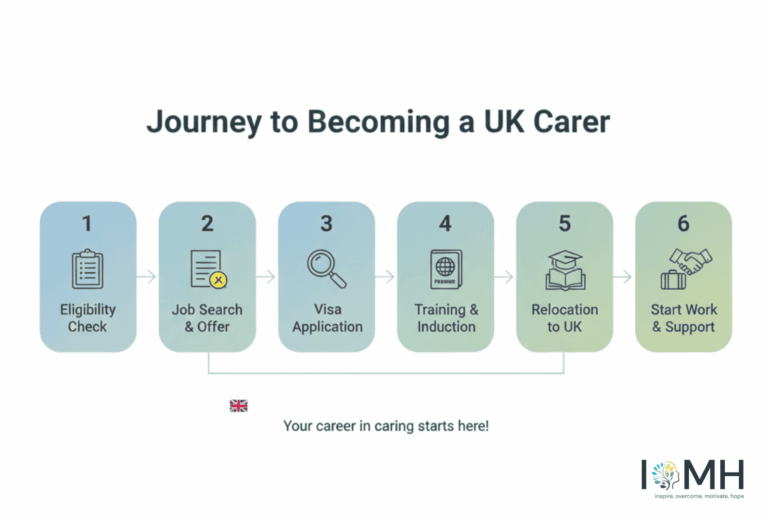
If you’re wondering how to become a carer in the UK as a foreigner, it helps to have a clear roadmap. Below is a practical step-by-step checklist to guide you from preparation to starting your first job.
-
Check Eligibility
- Make sure you meet the basic requirements: good English, fitness to work, and a clean background check.
- Research visa options — most foreigners apply via the Health and Care Worker visa.
-
Search for Licensed Employers
- Look for carer jobs UK for overseas applicants through NHS Jobs, care agencies, or private providers.
- Confirm the employer is on the UK government’s approved sponsor list.
-
Prepare Your CV and Documents
- Highlight any caring experience, even informal.
- Gather references, police clearance, and translated documents if needed.
-
Secure a Job Offer and Sponsorship
- Once hired, your employer provides a Certificate of Sponsorship (CoS), required for the visa.
-
Apply for the Visa
- Complete the online application, pay the fee, and attend a biometric appointment if necessary.
- Submit supporting documents, including your CoS and proof of English language skills.
-
Travel and Relocate to the UK
- Arrange accommodation unless working as a live-in carer UK role.
- Open a UK bank account and register with a GP.
-
Start Training and Induction
- Complete the Care Certificate UK and mandatory training courses provided by your employer.
- Familiarise yourself with UK care standards, safeguarding rules, and employer policies.
-
Begin Your Career as a Carer
- Settle into your role, build confidence, and take advantage of continuous professional development opportunities.
Following this checklist will help you move step by step from preparing abroad to working successfully in the UK care sector.
Conclusion
For many people exploring how to become a carer in the UK as a foreigner, the journey may seem complex — but with the right guidance, it’s entirely achievable. The UK’s ageing population and shortage of care staff mean there is strong demand for compassionate, skilled carers, and overseas applicants are welcomed to fill this need.
The key steps include securing a licensed employer, applying for the Health and Care Worker visa, completing essential training such as the Care Certificate UK, and preparing for life in the UK. Whether you’re looking for carer jobs UK for overseas applicants in residential care homes, domiciliary care, or working as live-in carer UK, the opportunities are vast and varied.
Yes, there will be challenges — from cultural adjustments to administrative requirements like the DBS check UK care worker. But with preparation, persistence, and the support of employers who provide care job sponsorship UK, you can build a stable, rewarding career that truly makes a difference in people’s lives.


- All Courses
 Personal Development (1283)
 Career Bundle (479)
 Management & Administration (460)
 Employability (439)
 Health & Social Care (411)
 Health and Safety (382)
 Business (320)
 Teaching & Education (268)
 IT & Software (263)
 Health and Fitness (238)
 QLS Endorsed Courses (219)
 Mental Health & Counselling (168)
 Science & Technology (153)
 Accounting & Finance (144)
 Sales & Marketing (128)
 Construction & Engineering (126)
 Art & Design (125)
 Compliance & Law (112)
 Language (86)
 Photography & Lifestyle (58)
 Animal Care (57)
 Food Safety & Hygine (53)
 Diet & Nutrition (49)
 Sports & Fitness (47)
 Makeup & Beauty (43)
 First Aid (39)
 Agriculture (2)
0 responses on "How to Become a Carer in the UK as a Foreigner: Step-by-Step Guide"