



Introduction: The Role of a Health Care Support Worker
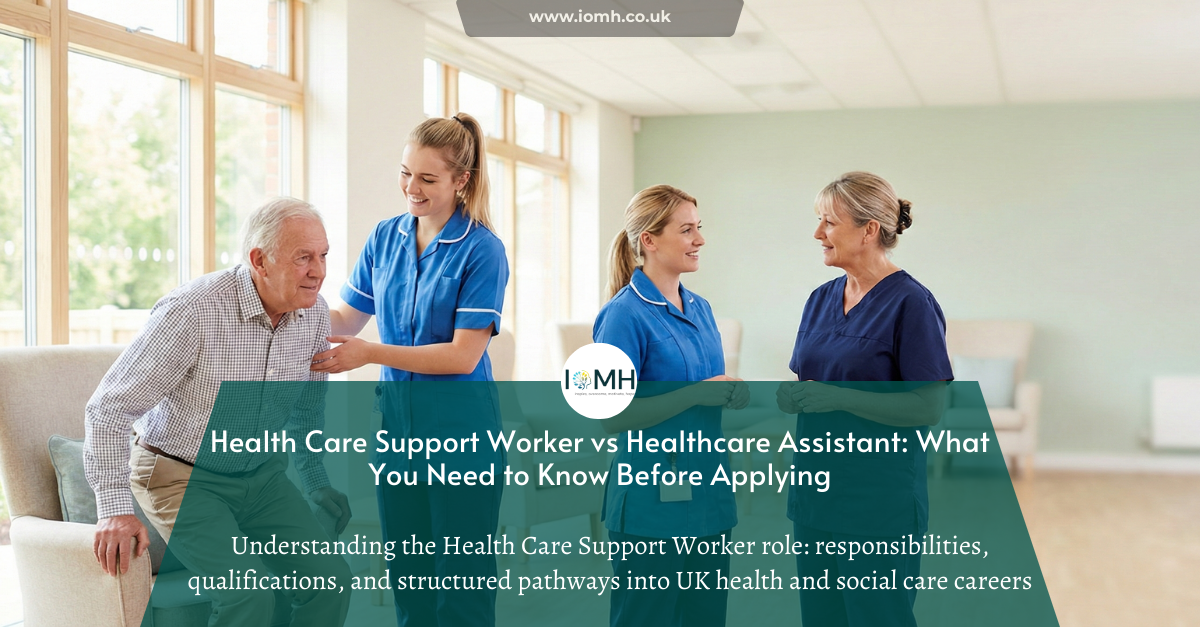
A health care support worker plays a vital role in the UK’s health and social care system, offering essential assistance to nurses, doctors, and other clinical professionals. Whether working in hospitals, care homes, or community settings, these individuals help deliver compassionate, hands-on care to patients and service users across a wide range of needs.
As frontline contributors to patient wellbeing, health care support workers ensure that daily routines run smoothly, dignity is preserved, and clinical teams are supported. Their work is especially valued in NHS services, adult social care, and mental health provision, making this career both meaningful and in high demand.
For those seeking a rewarding profession with clear progression routes, becoming a health care support worker offers a gateway into nursing, allied health roles, and long-term careers in care. This blog explores everything you need to know—from entry requirements and duties to the health care support worker code of conduct and development programmes available across the UK.



What Is a Health Care Support Worker?
A health care support worker is a frontline professional who assists nurses, doctors, and other healthcare staff in delivering safe, effective, and person-centred care. Their responsibilities span a wide range of tasks—from helping patients with daily activities to supporting clinical procedures and maintaining accurate records.
These roles are essential across various settings, including NHS hospitals, GP surgeries, residential care homes, and community health services. Health care support workers often work directly with patients, offering emotional support, monitoring vital signs, and ensuring comfort and dignity are upheld.
While the title may vary—sometimes referred to as care assistants, nursing auxiliaries, or clinical support workers—the core purpose remains the same: to enhance the quality of care and improve patient outcomes.
This role is ideal for individuals who are compassionate, reliable, and eager to make a tangible difference in people’s lives. It also serves as a stepping stone into more advanced healthcare careers, including nursing, midwifery, and allied health professions.
Health Care Support Worker vs Healthcare Assistant: What’s the Difference?
The term health care support worker and healthcare assistant are often used interchangeably across the UK’s health and social care sectors. While both roles involve supporting patients and clinical teams, there are subtle distinctions worth noting—especially when applying for health care support worker jobs or planning a career path.
Overlapping Responsibilities
Both roles typically involve:
- Assisting with personal care (washing, dressing, toileting)
- Supporting mobility and nutrition
- Monitoring vital signs and reporting concerns
- Providing emotional reassurance to patients and families
Key Differences
Job Titles and Settings:
- Healthcare assistants are more commonly found in hospital wards and GP practices.
- Health care support workers may work in broader settings, including mental health, maternity, and community care.
Training and Progression:
- Health care support workers often follow structured development routes such as the health care support worker development programme, which can lead to nursing or allied health roles.
- Health care support workers may work in broader settings, including mental health, maternity, and community care.
Terminology Use:
- The NHS and Skills for Care increasingly use “health care support worker” as a standardised term to unify roles across services.
Understanding these nuances helps candidates tailor their applications and training choices, ensuring alignment with long-term career goals in the UK health sector.
Entry Requirements for Health Care Support Workers

One of the most appealing aspects of becoming a health care support worker in the UK is the accessibility of the role. While formal qualifications can enhance your application, many employers prioritise personal qualities and a genuine commitment to care.
Basic Entry Criteria
Education
- No specific qualifications are required for entry-level roles, though GCSEs (or equivalent) in English and Maths are often preferred.
- Some employers may ask for a Level 2 or 3 Diploma in Health and Social Care or offer training on the job.
Apprenticeships
- Health care support worker apprenticeships are widely available through NHS Trusts and care providers.
- These programmes combine paid work with structured learning, often leading to recognised qualifications and progression into nursing or allied health roles.
Background Checks:
- A Disclosure and Barring Service (DBS) check is mandatory to ensure suitability for working with vulnerable individuals.
- Proof of right to work in the UK is also required.
Experince:
- Previous experience in care, volunteering, or customer service can be beneficial but is not essential.
- Employers often provide induction training aligned with the health care support worker code of conduct.
This inclusive approach makes the role ideal for school leavers, career changers, and bilingual professionals seeking meaningful work in the UK health and social care sector.
Typical Duties of a Health Care Support Worker
The day-to-day responsibilities of a health care support worker are both varied and vital. These professionals ensure that patients receive consistent, compassionate care while supporting clinical teams in delivering safe and effective services.
Personal Care and Support
- Assisting with washing, dressing, toileting, and feeding
- Supporting mobility and use of aids (e.g. hoists, walking frames)
- Promoting dignity, independence, and emotional wellbeing
Clinical and Administrative Tasks
- Monitoring vital signs (temperature, pulse, respiration)
- Preparing equipment and assisting during procedures
- Maintaining accurate records and reporting changes in condition
- Supporting infection prevention and control measures
Emotional and Social Support
- Providing reassurance and companionship
- Supporting patients with dementia, mental health needs, or learning disabilities
- Liaising with families and carers to ensure continuity of care
These duties vary depending on the setting—whether in hospitals, care homes, or community services—but all align with the expectations outlined in the health care support worker code of conduct. They also serve as a foundation for progression through the health care support worker development programme, which equips staff with the skills needed for advanced roles.
Becoming a Health Care Support Worker in the UK
Starting a career as a health care support worker in the UK is both achievable and rewarding. Whether you’re a school leaver, career changer, or bilingual professional seeking meaningful work, there are clear pathways to entry and progression.
Step-by-Step Guide
1. Explore Job Vacancies
- Visit NHS Jobs, local authority websites, or care provider portals.
- Use search terms like health care support worker jobs to filter relevant roles.
2. Prepare Your Application
- Highlight transferable skills such as empathy, communication, and teamwork.
- Include any care-related experience, even informal or voluntary work.
3. Complete Mandatory Checks
- Undergo a Disclosure and Barring Service (DBS) check.
- Provide proof of identity and right to work in the UK.
4. Attend Interviews and Induction
- Be ready to discuss scenarios involving patient care, safeguarding, and confidentiality.
- Successful candidates typically receive induction aligned with the health care support worker code of conduct.
5. Join a Development Programme
- Many employers offer structured training through the health care support worker development programme, which includes on-the-job learning and formal qualifications.
- These programmes can lead to roles in nursing, midwifery, or allied health professions.
This route offers not just employment, but a long-term career with opportunities for growth, specialisation, and professional recognition.
Health Care Support Worker Code of Conduct
Every health care support worker in the UK is expected to uphold high standards of professionalism, safety, and compassion. These expectations are formalised in the health care support worker code of conduct, which outlines the values and behaviours required to deliver safe, person-centred care.
Key Principles of the Code
Published by Skills for Care and endorsed by the Department of Health, the code includes the following core commitments:
- Respect and Dignity: Treating all individuals with kindness, empathy, and cultural sensitivity
- Privacy and Confidentiality: Safeguarding personal information and respecting boundaries
- Accountability: Taking responsibility for actions and seeking guidance when unsure
- Safety and Quality: Following procedures, reporting concerns, and maintaining high standards
- Learning and Development: Engaging in ongoing training, including the health care support worker development programme
Types of Health Care Support Worker Jobs in the UK
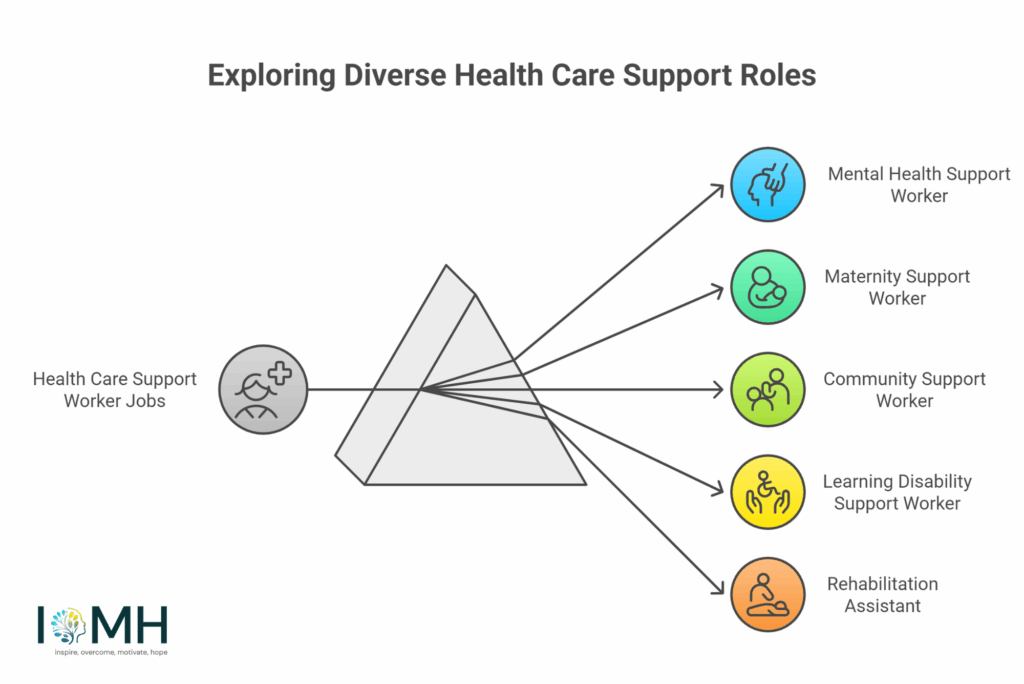
The role of a health care support worker is far from one-size-fits-all. Across the UK, there are multiple specialisations that cater to different patient groups, clinical settings, and care needs. Understanding these options can help candidates choose a path that aligns with their interests and long-term goals.
Mental Health Support Worker
A Mental Health Support Worker Supports individuals with mental health conditions such as depression, anxiety, schizophrenia, or bipolar disorder. Works in hospitals, residential units, or community settings to promote emotional wellbeing, monitor behaviour, and assist with therapeutic activities.
Maternity Support Worker
Assists midwives in providing care during pregnancy, labour, and postnatal recovery. Duties of a Maternity Support Worker include helping with newborn care, offering emotional support to mothers, and ensuring a safe, nurturing environment in maternity wards or birthing centres.
Community Support Worker
Delivers care and practical assistance to individuals living independently in their homes. Responsibilities include helping with medication, mobility, personal care, and social engagement—often supporting older adults or those with long-term conditions.
Learning Disability Support Worker
Works with individuals who have autism, Down’s syndrome, or other cognitive impairments. Focuses on promoting independence, inclusion, and life skills through tailored support in education, employment, or supported living environments.
Rehabilitation Assistant
Supports patients recovering from injury, surgery, or illness. Works alongside physiotherapists and occupational therapists to assist with exercises, mobility aids, and daily routines that help restore physical function and confidence.
Development and Progression Opportunities
A career as a health care support worker doesn’t have to be static. With the right training and mindset, support workers can advance into senior roles, specialise in clinical areas, or even transition into regulated professions such as nursing or occupational therapy.
Health Care Support Worker Development Programme
The health care support worker development programme is a structured pathway offered by many NHS Trusts and care providers. It includes:
Induction and Core Training : Covers the health care support worker code of conduct, safeguarding, infection control, and person-centred care.
On-the-Job Learning: Practical experience under supervision, with regular feedback and mentoring.
Formal Qualifications : Opportunities to gain Level 2 or 3 Diplomas in Health and Social Care and access to Functional Skills in English and Maths if needed.
Progression Routes : Pathways into nursing associate roles, registered nursing degrees, or specialist support roles (e.g. mental health, maternity, rehabilitation).
Long-Term Career Potential
With experience and continued professional development, health care support workers can move into:
- Senior support worker or team leader roles
- Assistant practitioner positions
- Degree-level apprenticeships in nursing or allied health professions
- Specialised care roles in dementia, palliative care, or learning disabilities
This makes the role not just a job, but a launchpad for a fulfilling career in UK health and social care.
Health Care Support Worker Salary in the UK
If you’re exploring a career as a health care support worker, understanding the salary expectations is a key step in planning your professional journey. These roles are vital to the UK’s healthcare system, offering hands-on support to patients and clinical teams across hospitals, care homes, and community settings.
What Does a Health Care Support Worker Job Involve?
A health care support worker job typically includes assisting patients with personal care, mobility, nutrition, and emotional wellbeing. Workers may also support nurses and doctors with basic clinical tasks, such as taking observations or preparing equipment. No formal degree is required, but employers often look for compassion, reliability, and a Level 2 or 3 qualification in Health and Social Care.
Entry-Level Support Roles
- Support Worker / Healthcare Assistant (HCA): £22,000 – £27,000 per year (Typically aligned with NHS Band 2 or Band 3)
Experienced & Senior Roles
- Senior Support Worker / Specialist Care Roles: £28,000 – £33,000 per year (Includes supervisory duties or specialist training)
NHS Pay Band Reference
- Band 2 (2025): £23,614 starting salary
- Band 3: £23,950 – £26,282
- Band 4: £26,282 – £29,250 (Figures may vary slightly across NHS trusts and regions)
Regional Variations
- London Weighting Allowance: Adds £2,000–£4,000 annually depending on borough
- Private Sector Roles: May offer bonuses, flexible hours, or slightly higher base pay
Conclusion: Why Choose a Career as a Health Care Support Worker?
A career as a health care support worker offers more than just employment. It’s a chance to make a meaningful impact in people’s lives every single day. Whether you’re supporting patients through recovery, assisting with daily care, or helping clinical teams deliver safe and effective treatment, your contribution matters.
With accessible entry routes, structured training through the health care support worker development programme, and clear professional standards outlined in the health care support worker code of conduct, this role is ideal for compassionate individuals seeking purpose and progression.
From mental health and maternity care to rehabilitation and community support, the variety of health care support worker jobs across the UK means you can tailor your path to your strengths and interests. And with ongoing development opportunities, you’re never standing still; you’re building a career with real momentum.
If you’re ready to take the first step, explore vacancies, connect with training providers, and begin your journey into one of the most rewarding roles in UK health and social care.


- All Courses
 Personal Development (1283)
 Career Bundle (479)
 Management & Administration (460)
 Employability (439)
 Health & Social Care (411)
 Health and Safety (382)
 Business (320)
 Teaching & Education (268)
 IT & Software (263)
 Health and Fitness (238)
 QLS Endorsed Courses (219)
 Mental Health & Counselling (168)
 Science & Technology (153)
 Accounting & Finance (144)
 Sales & Marketing (128)
 Construction & Engineering (126)
 Art & Design (125)
 Compliance & Law (112)
 Language (86)
 Photography & Lifestyle (58)
 Animal Care (57)
 Food Safety & Hygine (53)
 Diet & Nutrition (49)
 Sports & Fitness (47)
 Makeup & Beauty (43)
 First Aid (39)
 Agriculture (2)
0 responses on "Health Care Support Worker vs Healthcare Assistant: What You Need to Know Before Applying"