




Understanding End of Life Care vs Palliative Care
Navigating healthcare decisions during serious illness can be emotionally and logistically challenging—especially when terms like end of life care and palliative care are used interchangeably. While both approaches aim to support individuals with life-limiting conditions, they differ in timing, goals, and scope. Understanding the distinction between end of life care vs palliative care is essential for families, carers, and healthcare professionals planning compassionate, person-centred support.
In the UK, demand for end of life care at home and palliative care at home continues to grow, reflecting a shift towards more dignified, familiar settings for care. Whether delivered in a hospital, hospice, or home environment, these services prioritise comfort, dignity, and quality of life.
This guide explores the key differences between end of life care vs palliative, clarifies definitions, and outlines what to expect—helping you make informed choices for yourself or a loved one.
Definitions and Core Differences: End of Life Care vs Palliative Care
Understanding the distinction between end of life care vs palliative care begins with clarifying their definitions and intended outcomes.


What Is Palliative Care?
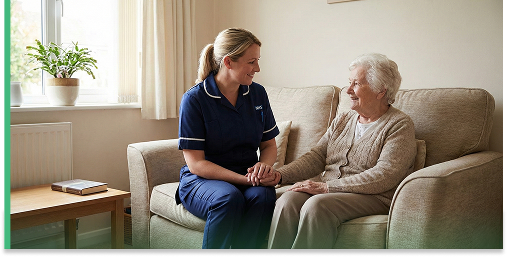
Palliative care is a holistic approach designed to improve the quality of life for individuals living with serious or life-limiting illnesses. It focuses on managing symptoms—such as pain, breathlessness, fatigue, and emotional distress—while supporting patients and their families. Importantly, palliative care can be offered at any stage of illness, not just at the end of life.
In the UK, palliative care at home is increasingly preferred, allowing patients to receive tailored support in familiar surroundings. Whether delivered privately or through the NHS, this care often includes specialist nurses, equipment, and emotional support. For those wondering what is palliative care?, it’s not about giving up—it’s about living well, even with complex health needs.
What Is End of Life Care?
End of life care refers specifically to the support provided during the final phase of life—typically the last year, months, or weeks. According to the NHS, end of life care definition includes managing physical symptoms, offering emotional and spiritual support, and ensuring dignity in death. It also involves planning, such as creating an end of life care plan and identifying the 5 priorities of care end of life.
This care can be delivered in various settings, including hospitals, hospices, care homes, or through end of life care at home. Families often ask how long is end of life care?—and while the timeline varies, the focus remains on comfort, respect, and personalised support.
Key Differences
| Aspect | Palliative Care | End of Life Care |
|---|---|---|
| Timing | Any stage of serious illness | Final months, weeks, or days |
| Goal | Symptom management, quality of life | Comfort, dignity, and peaceful transition |
| Setting | Home, hospital, hospice | Home, hospital, hospice |
| Funding | NHS or private (Who pays for palliative care at home UK) | NHS or private (Who pays end of life care at home) |
| Planning Tools | 5 stages of palliative care | End of life care plan, 5 priorities |
By understanding end of life care vs palliative, families and professionals can better prepare for the journey ahead—ensuring that care is compassionate, coordinated, and aligned with individual values.
When Is Each Type of Care Offered?
One of the most common questions families ask is: When should someone be offered palliative care? And how do you know when it’s time for end of life care? Understanding the timing helps ensure that individuals receive the right support at the right moment
Timing of Palliative Care
Palliative care can begin at any stage of a serious illness—not just in the final days. It’s often introduced when curative treatment is no longer effective or when symptom management becomes a priority. For example, someone living with advanced cancer, heart failure, or neurological conditions may benefit from palliative care at home months or even years before the end of life.
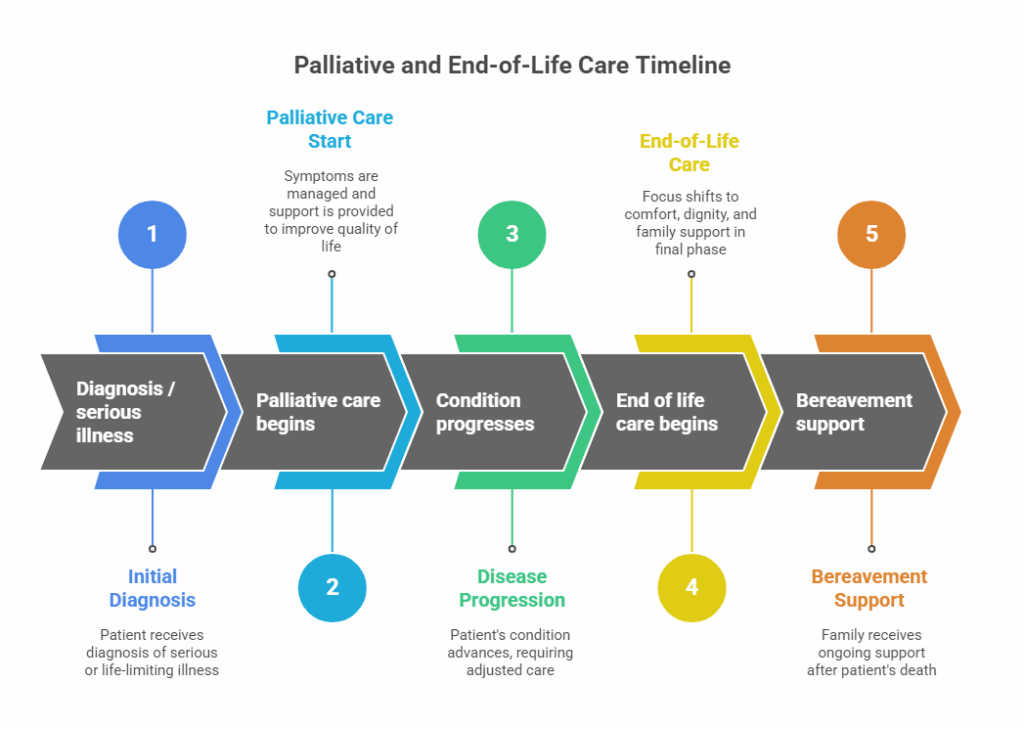
The 5 stages of palliative care typically include:
1. Initial diagnosis and emotional support
2. Active treatment alongside symptom relief
3. Increased focus on comfort and quality of life
4. Preparation for end of life
5. Bereavement support for families
This phased approach ensures that care is responsive, holistic, and aligned with the patient’s evolving needs.
Timing of End of Life Care
End of life care is usually offered when a person is thought to be in the last year of life, although this can vary. It may begin in the final months, weeks, or even days, depending on the progression of illness. Families often ask how long is end of life care?—and while there’s no fixed timeline, healthcare professionals use clinical indicators to guide decisions.
In the UK, the 5 priorities of care end of life help ensure that individuals receive respectful, personalised support. These include recognising dying, communicating clearly, involving the person in decisions, supporting families, and creating an individualised care plan.
Whether delivered in hospital, hospice, or through end of life care at home, this phase focuses on comfort, dignity, and emotional wellbeing.
Transitioning Between Care Types
It’s important to note that palliative care often transitions into end of life care as a person’s condition progresses. This shift is guided by clinical assessments, patient wishes, and family input. By understanding the difference between end of life care vs palliative care, families can better prepare for each stage—ensuring that care remains compassionate and coordinated.
Where End-of-Life and Palliative Care Take Place
Choosing the right setting for care is a deeply personal decision, influenced by medical needs, family preferences, and available resources. Whether it’s end of life care at home, in hospital, or through hospice services, the goal remains the same: to provide comfort, dignity, and tailored support.
End of Life Care at Home
Many families in the UK now opt for end of life care at home, allowing loved ones to spend their final days in familiar surroundings. This approach can offer emotional comfort, greater privacy, and personalised routines. Services may include district nurses, carers, and specialist equipment—often coordinated through an end of life care plan.
For those exploring end of life care at home UK, it’s important to understand what to expect. Support may include:
- Symptom and pain management.
- Emotional and spiritual care
- Overnight nursing or live-in carers
- Coordination with GPs and palliative teams
There’s also growing interest in end of life care at home UK jobs, as demand for trained carers and nurses increases across communities.
End of Life Care in Hospital
While home care is preferred by many, end of life care in hospital remains essential for individuals with complex medical needs. Hospitals provide access to specialist teams, urgent interventions, and round-the-clock monitoring. However, some families may find the environment less personal or more clinical.
Hospitals often follow the 5 priorities of care end of life, ensuring that patients receive respectful, individualised support even in busy settings.
Palliative Care at Home
Palliative care at home is suitable for individuals managing long-term conditions who wish to remain independent. It may begin months or years before end of life care is needed. Services can include:
- Regular visits from palliative nurses
- Pain relief and medication management
- Counselling and emotional support
- Access to equipment needed for palliative care at home
Families often ask what to expect from palliative care at home—and while every case is unique, the emphasis is always on comfort, dignity, and maintaining quality of life.
Hospice and Private Options
Some families choose private palliative care at home for more tailored or intensive support. Others may opt for hospice care, which blends medical expertise with a homely environment. These settings often specialise in both palliative care and end of life care, offering a seamless transition as needs evolve.
By understanding the differences in care settings, families can make informed choices that reflect their values, resources, and the wishes of their loved ones.
Care Planning and Priorities: Structuring Support for Every Stage
Effective care planning is central to delivering compassionate, coordinated support—whether through palliative care or end of life care. In the UK, both approaches are guided by structured frameworks that ensure dignity, choice, and clinical excellence.
End of Life Care Plan
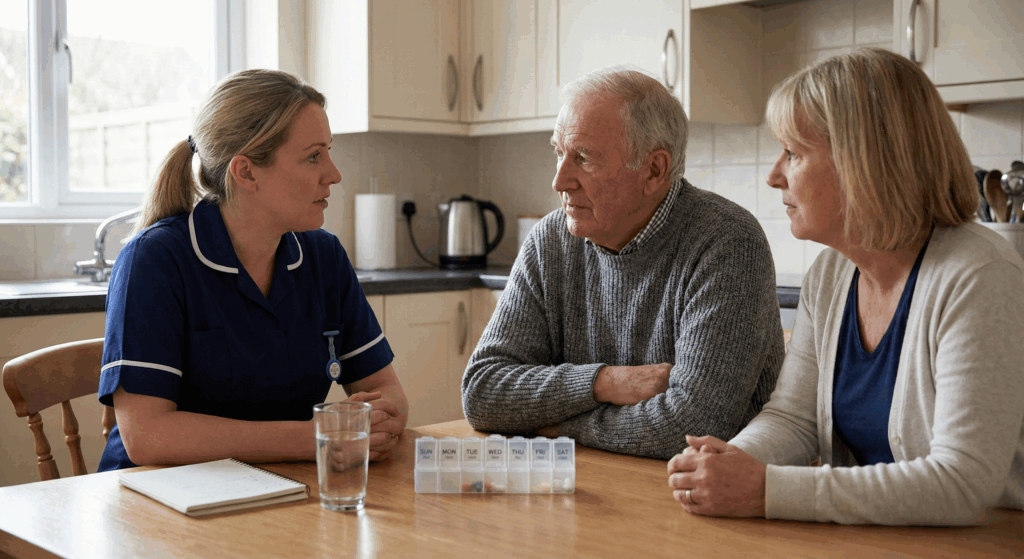
An end-of-life care plan outlines the individual’s preferences, medical needs, and support arrangements during their final phase of life. It may include:
- Preferred place of care (e.g. end of life care at home or hospital)
- Symptom management strategies
- Spiritual and emotional support
- Legal and financial considerations
- Emergency contacts and escalation protocols
5 Priorities of Care End of Life
The NHS framework for end of life care includes five key priorities, ensuring that care is respectful, responsive, and person-centred:
1. Recognise when a person may be dying
2. Communicate sensitively and clearly
3. Involve the individual in decisions
4. Support families and carers
5.Plan and deliver personalised care
These priorities apply across settings—from end of life care in hospital to end of life care home environments—and help maintain consistency in care quality.
5 Stages of Palliative Care
In contrast, palliative care follows a broader trajectory, often beginning earlier in the illness journey. The 5 stages of palliative care typically include:
1. Initial diagnosis and emotional adjustment
2. Active treatment with symptom relief
3. Increased support as illness progresses
4. Transition to end of life care
5. Bereavement support for families
This phased approach ensures that individuals receive appropriate care at every stage, whether through palliative care at home or in clinical settings.
Collaborative Planning
Both end of care nursing and medical teams play a vital role in developing and updating care plans. In the UK, end of care NHS services often include multidisciplinary input—from GPs and district nurses to social workers and chaplains.
By understanding the planning frameworks behind end of life care vs palliative care, families can advocate for tailored, dignified support that reflects the individual’s wishes and clinical needs.
Roles and Responsibilities: Who Delivers Care and How
Delivering high-quality end of life care and palliative care requires a coordinated team of professionals, each playing a vital role in supporting the patient and their family. From nurses and GPs to social workers and chaplains, the care journey is shaped by collaboration, compassion, and clinical expertise.
End of Care Nursing
End of care nursing is central to both palliative care and end of life care. Nurses provide hands-on support, monitor symptoms, administer medication, and offer emotional reassurance. In end of life care at home, district nurses often work alongside carers to ensure comfort and dignity in familiar surroundings.
In hospital settings, end of life care in hospital may involve specialist palliative care nurses who coordinate with consultants and ward staff. Their role includes:
- Pain and symptom management
- Communication with families
- Supporting decision-making
- Ensuring the end of life care plan is followed
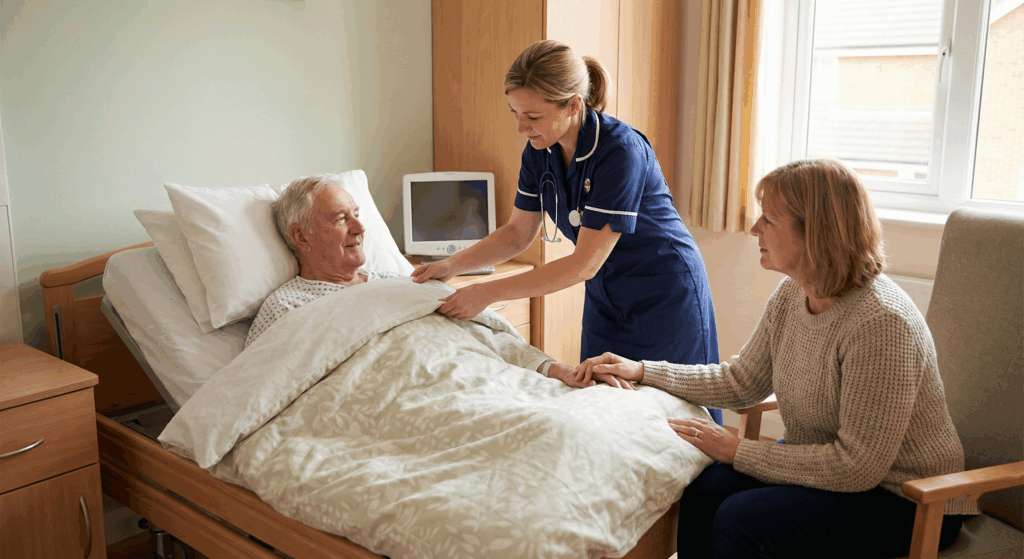
Whether in a hospice, hospital, or end of life care home, nurses are often the most consistent presence in a patient’s final days.
End of Care NHS Services
The end of care NHS framework provides access to a range of services, including:
- Community palliative care teams
- Specialist consultants
- Bereavement support
- Equipment for palliative care at home
Private and Voluntary Sector Roles
In addition to NHS provision, many families choose private palliative care at home for more personalised or intensive support. This may include live-in carers, private nurses, or specialist therapists. Voluntary organisations also play a key role, offering emotional support, respite care, and culturally sensitive services—especially important for multilingual families.
By understanding the roles and responsibilities across care settings, families can better navigate the journey from palliative care to end of life care, ensuring that support is compassionate, coordinated, and aligned with individual needs.
Costs and Funding: Who Pays for Care at Home?
One of the most pressing concerns for families considering end of life care at home or palliative care at home is the financial aspect. Understanding who pays, what’s covered, and how to access support can help reduce stress during an already emotional time.
Who Pays End of Life Care at Home?
In the UK, end of life care at home may be funded through the NHS, local authorities, or charitable organisations. If a person is assessed as having a “primary health need,” they may qualify for NHS Continuing Healthcare, which covers:
- Nursing and personal care
- Equipment and supplies
- Specialist support
However, not all individuals meet the criteria. Families often ask who pays end of life care at home when NHS funding isn’t available. In such cases, costs may be covered privately or through local authority social care budgets, depending on means testing.
Who Pays for Palliative Care at Home UK?
Similarly, palliative care at home may be funded by the NHS if deemed clinically necessary. Services such as district nursing, symptom management, and equipment provision are often free at the point of use. However, additional support—like live-in carers or private nursing—may require out-of-pocket payment.
For those exploring private palliative care at home, costs vary depending on the level of care, hours required, and location. Some families also receive support from charities like Marie Curie or Macmillan, which offer free nursing and emotional care.
Equipment Needed for Palliative Care at Home
Whether funded publicly or privately, equipment needed for palliative care at home may include:
- Hospital beds and pressure-relief mattresses
- Hoists and mobility aids
- Syringe drivers for pain relief
- Personal hygiene supplies
These items may be provided by NHS community services or hired through private providers. Planning ahead ensures that the home environment is safe, comfortable, and suited to the individual’s needs.
By understanding the funding landscape for end of life care vs palliative care, families can make informed choices that balance compassion with financial sustainability.
What to Expect at Home: Preparing for Palliative and End of Life Care
Receiving palliative care at home or end of life care at home can offer comfort, familiarity, and dignity—but it also requires thoughtful preparation. Knowing what to expect helps families feel more confident and supported during this deeply personal time.
End of Life Care at Home: What to Expect
When a loved one begins end of life care at home, the focus shifts to comfort, symptom control, and emotional wellbeing. Families often ask what to expect from end of life care at home UK, and while every situation is unique, common elements include:
- Regular visits from district nurses or palliative care specialists
- Pain relief and medication management
- Support with personal care (washing, dressing, toileting)
- Emotional and spiritual support for both the patient and family
- Coordination with GPs and out-of-hours services
The end of life care plan will guide these services, ensuring that care is tailored to the individual’s wishes and clinical needs. Many families also receive guidance on recognising signs of approaching death, helping them prepare emotionally and practically.
Palliative Care at Home: What to Expect
Palliative care at home may begin earlier in the illness journey, focusing on symptom relief and quality of life. Families often ask what to expect from palliative care at home, and typical support includes:
- Adjustable hospital bed and mattress
- Hoists or transfer aids
- Syringe drivers for pain medication
- Commode, bedpan, or incontinence supplies
- Pressure-relief cushions and mobility aids
Emotional Support in Palliative Care
Palliative care often spans a longer period, requiring sustained emotional support for both patients and carers. Families may benefit from:
Emotional and Family Support: Caring for the Carers
Whether navigating palliative care at home or end of life care at home, emotional support for families and carers is just as vital as clinical care. The journey can be physically demanding and emotionally overwhelming, especially when caring for a loved one in their final days.
Supporting Families During End of Life Care
During end of life care, families often experience anticipatory grief, anxiety, and exhaustion. Understanding what to expect from end of life care at home can help reduce uncertainty and foster emotional resilience. Support may include:
- Regular check-ins from nurses or care coordinators
- Access to counselling or bereavement services
- Guidance on recognising signs of approaching death
- Help with practical tasks like medication and hygiene
In the UK, many end of care NHS services offer emotional support alongside clinical care, ensuring that families are not left to cope alone.
Emotional Support in Palliative Care
Palliative care often spans a longer period, requiring sustained emotional support for both patients and carers. Families may benefit from:
- Psychological counselling
- Peer support groups
- Respite care to prevent burnout
- Cultural and spiritual guidance
For those receiving palliative care at home, emotional wellbeing is supported through regular visits, open communication, and access to community resources.
Culturally Sensitive Support
For multilingual families, language and cultural understanding are essential. Translation services, bilingual carers, and culturally appropriate resources can make a significant difference in how care is received and understood.
Whether navigating end of life care vs palliative care, families deserve compassionate, inclusive support that honours their values, beliefs, and emotional needs.
Conclusion: Choosing the Right Care with Confidence
Understanding the difference between end of life care vs palliative care empowers families, carers, and professionals to make informed, compassionate decisions. While both approaches prioritise comfort and dignity, they serve distinct purposes at different stages of illness.
- Palliative care supports individuals from the point of diagnosis, focusing on symptom relief and quality of life—often delivered through palliative care at home or in clinical settings.
- End of life care begins when a person is nearing the final phase of life, offering tailored support through an end of life care plan, whether in hospital, hospice, or end of life care at home UK.
From understanding who pays for palliative care at home UK to knowing what to expect from end of life care at home, this guide has outlined the practical, emotional, and financial aspects of each care type. With frameworks like the 5 priorities of care end of life and the 5 stages of palliative care, families can navigate the journey with clarity and compassion.
Ultimately, choosing between end of life care vs palliative is not about picking one over the other—it’s about recognising when each is needed and ensuring that care is respectful, responsive, and aligned with the individual’s values.
Frequently Asked Questions
End of life care vs palliative care differs mainly in timing and focus. Palliative care can begin at any stage of a serious illness and aims to improve quality of life. End of life care is provided during the final phase of life, focusing on comfort and dignity.
Palliative care should be offered when curative treatment is no longer effective or when symptom management becomes a priority. It can be provided alongside active treatment and is not limited to the final stages of life.
There is no fixed duration. End of life care may begin in the last year, months, or weeks of life, depending on the individual’s condition and clinical indicators.
Yes, end of life care at home UK is increasingly common. NHS services, private providers, and charities offer support including nursing, equipment, and emotional care.
Funding may come from NHS Continuing Healthcare, local authority budgets, or private sources. Eligibility depends on clinical need and financial assessment.
Palliative care at home is often funded by the NHS if deemed medically necessary. Private care options are also available, with costs varying by provider and level of support.
Common equipment includes hospital beds, pressure-relief mattresses, syringe drivers, mobility aids, and hygiene supplies. These may be provided by NHS community services or hired privately.
The NHS outlines five priorities: recognising dying, communicating clearly, involving the person, supporting families, and delivering personalised care through an end of life care plan.
The stages include initial diagnosis, active treatment with symptom relief, increased support, transition to end of life care, and bereavement support for families.
Families can expect regular nursing visits, pain management, emotional support, and guidance on recognising signs of approaching death. Care is tailored to the individual’s needs and preferences.

- All Courses
 Personal Development (1283)
 Career Bundle (479)
 Management & Administration (460)
 Employability (439)
 Health & Social Care (411)
 Health and Safety (382)
 Business (320)
 Teaching & Education (268)
 IT & Software (263)
 Health and Fitness (238)
 QLS Endorsed Courses (219)
 Mental Health & Counselling (168)
 Science & Technology (153)
 Accounting & Finance (144)
 Sales & Marketing (128)
 Construction & Engineering (126)
 Art & Design (125)
 Compliance & Law (112)
 Language (86)
 Photography & Lifestyle (58)
 Animal Care (57)
 Food Safety & Hygine (53)
 Diet & Nutrition (49)
 Sports & Fitness (47)
 Makeup & Beauty (43)
 First Aid (39)
 Agriculture (2)
0 responses on "End of Life Care vs Palliative Care: What’s the Difference and Why It Matters"