


What Is a Digital Detox?
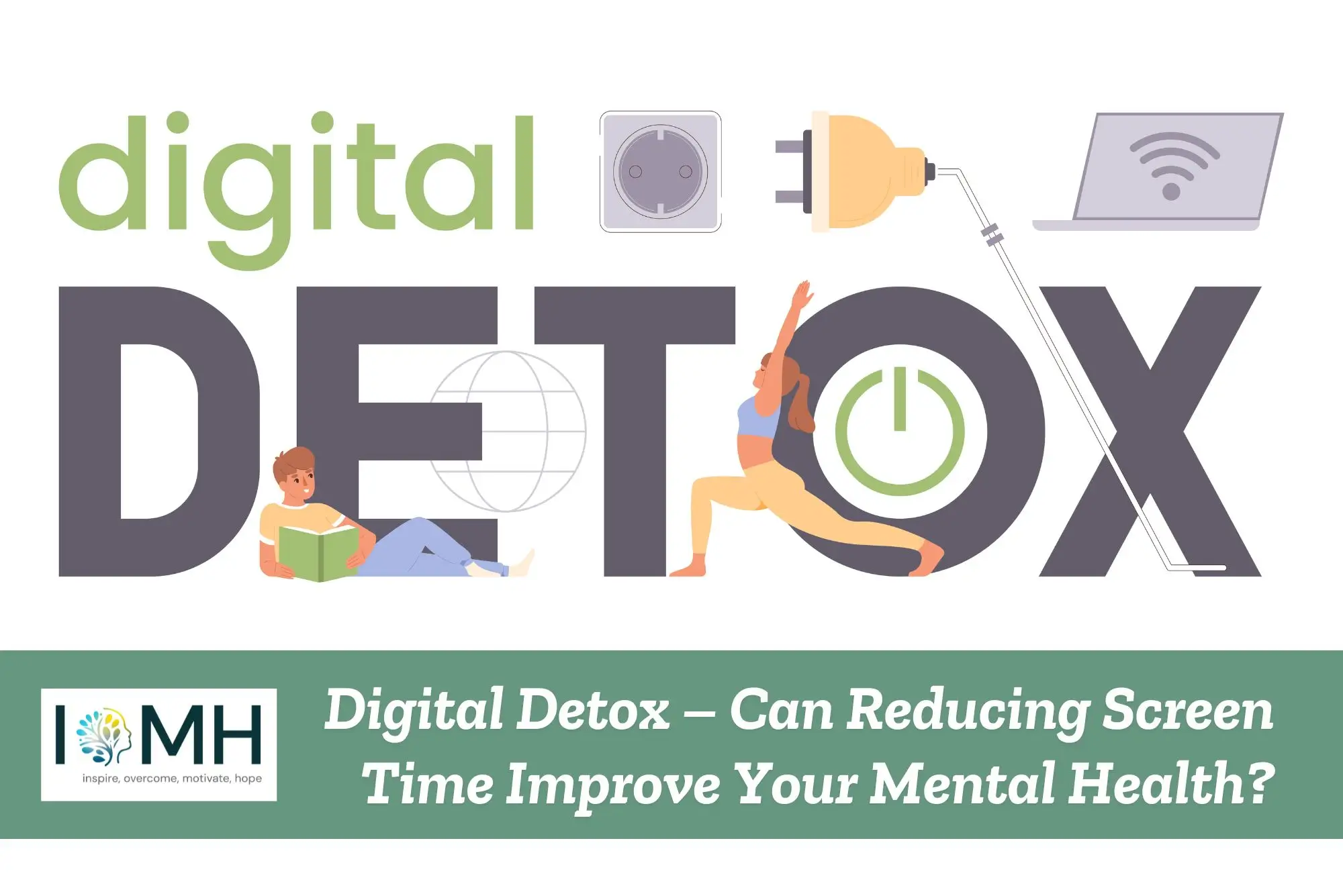
A digital detox is a deliberate break from electronic devices—such as smartphones, computers, tablets, and social media platforms—to reduce stress, improve well-being, and reconnect with the offline world. It involves intentionally limiting or completely stopping your use of screens for a set period of time. This could mean turning off notifications, logging out of social media, or even going completely off-grid for a weekend or longer.
The goal isn’t to reject technology altogether, but to reset your relationship with it. During a detox, people often focus on real-life interactions, personal reflection, and activities that don’t involve screens—like reading, walking, or spending time with loved ones. It’s a way to step back from the constant stimulation and regain control over your time, attention, and mental clarity.
Digital detoxes can vary in intensity and duration, depending on your lifestyle and goals. Whether it’s a few hours a day or a full week unplugged, the key is intentionality—choosing to disconnect so you can reconnect with what truly matters.
Why You Need a Digital Detox?
In a world where screens dominate nearly every aspect of daily life, a digital detox is no longer a luxury—it’s a necessity. Constant connectivity can lead to mental fatigue, emotional burnout, and even physical discomfort. According to WebMD, excessive screen time has been linked to sleep problems, anxiety, low self-esteem, and poor posture. Every scroll or swipe delivers a dopamine hit, reinforcing compulsive behaviour similar to addiction.
Taking a break from digital devices allows your brain to reset, your body to relax, and your emotions to stabilise. It helps you sleep better by reducing blue light exposure, improves your focus by eliminating distractions, and boosts your self-image by cutting down on social media comparisons. A detox also encourages healthier habits—like exercise, mindfulness, and face-to-face connection—that are often neglected in favour of screen time.
As Very Well Mind notes, even a short break from technology can reduce stress and help you reconnect with real-life experiences. Whether you’re feeling overwhelmed, distracted, or simply disconnected from yourself, a digital detox offers a powerful reset button for your mind, body, and soul.
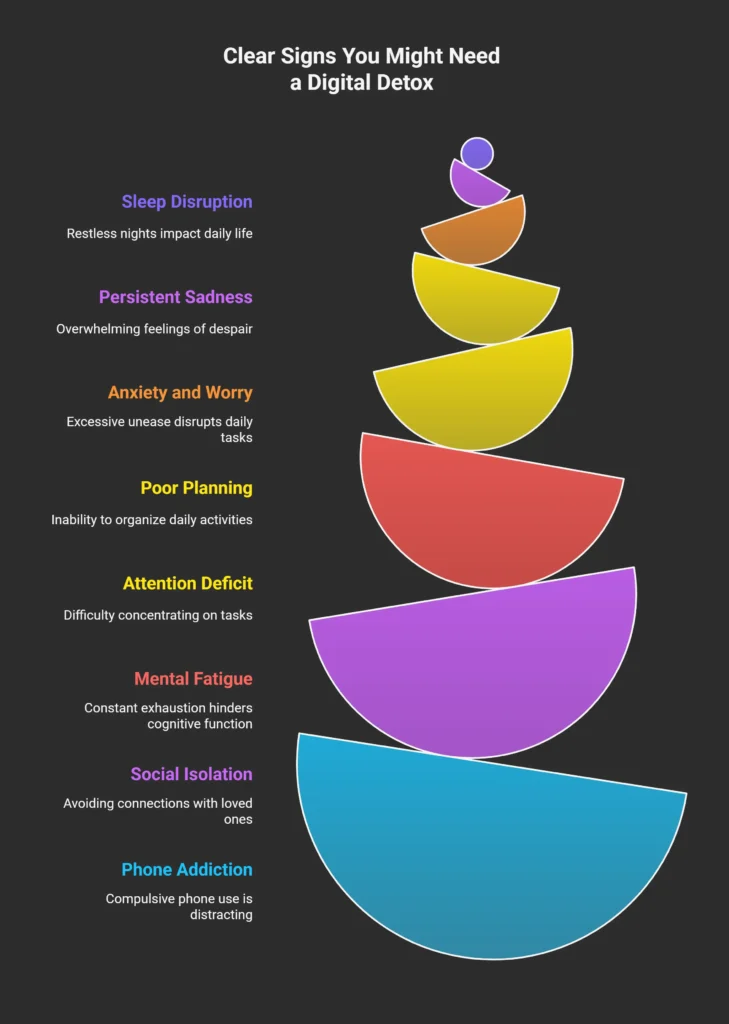
Clear Signs You Might Need a Digital Detox
The Link Between Screen Time and Mental Health
The relationship between screen time and mental health is complex and increasingly relevant in our digital age. Research shows that excessive screen use—especially for leisure and social media—can be associated with higher levels of anxiety, depression, and emotional burnout in both adolescents and adults. For teens, prolonged smartphone use during weekdays has been linked to diminished mental well-being, with girls particularly at higher risk for depression due to social media exposure. In adults, recreational screen time has been correlated with stress, burnout, and lower overall life satisfaction, especially when it replaces physical activity or sleep.
Importantly, it’s not just the amount of screen time that matters, but also the type of content consumed and the context in which screens are used. Passive consumption—like endless scrolling or binge-watching—tends to have more negative effects than active, purposeful use. Additionally, multitasking across multiple devices can fragment attention and increase cognitive fatigue. During the pandemic, screen time surged, and while messaging apps helped reduce loneliness, the overall increase in digital exposure intensified mental health challenges for many.

The Benefits of a Digital Detox
Taking a break from screens isn’t just refreshing—it’s transformative. A digital detox can dramatically improve your mental clarity, emotional balance, and overall quality of life. One of the most immediate benefits is reduced stress. Constant connectivity creates pressure to respond, react, and stay updated, which can lead to burnout. Stepping away from devices helps quiet the mind and restore calm.
Sleep quality also improves significantly. Without the interference of blue light and late-night scrolling, your body can reset its natural sleep rhythms, leading to deeper, more restorative rest. Emotionally, a detox can reduce symptoms of anxiety and depression, especially those triggered by social media comparisons, cyberbullying, or fear of missing out (FOMO).
Productivity often gets a boost, too. Without digital distractions, you can focus more deeply, complete tasks faster, and feel more accomplished. Relationships benefit as well—being present with loved ones fosters stronger connections and more meaningful conversations. Physically, you’ll notice less eye strain, better posture, and more opportunities to move and engage with the real world.
Perhaps most importantly, a digital detox helps you reconnect with yourself, with nature, and with the simple joys of offline life. Within just 48 to 72 hours, many people report feeling happier, more confident, and emotionally steadier 1. It’s not just about unplugging—it’s about reclaiming your time, attention, and peace of mind.
Effective Strategies for a Successful Digital Detox
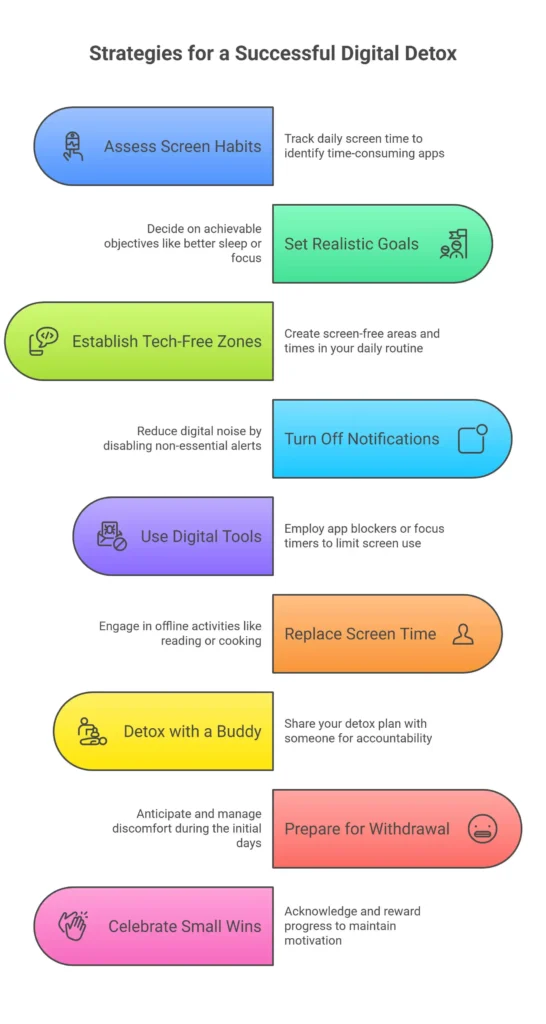
- Assess your current screen habits: Track your daily screen time using built-in tools like Screen Time (iOS) or Digital Wellbeing (Android). Identify which apps consume the most time and how they make you feel—this awareness is your starting point.
- Set clear and realistic goals: Decide what you want to achieve: better sleep, reduced anxiety, more time for hobbies, or improved focus. Start small—like unplugging for one hour a day—and gradually build up to longer detox periods.
- Establish tech-free zones and times: Create boundaries by making certain areas (like your bedroom or dining table) screen-free. Set specific hours—such as the first hour after waking or the last hour before bed—where devices are off-limits.
- Turn off non-essential notifications: Constant pings and alerts keep your brain in a reactive state. Disable notifications for social media, email, and other non-urgent apps to reduce digital noise and reclaim your attention.
- Use digital tools to limit digital use: Ironically, tech can help you detox from tech. Use app blockers, focus timers, or greyscale mode to make your phone less appealing and reinforce your boundaries.
- Replace screen time with enriching activities: Fill the time you’d normally spend online with offline alternatives: read a book, go for a walk, cook a new recipe, journal, or spend quality time with friends and family.
- Tell someone or detox with a buddy: Share your plan with a friend or family member. Doing a detox together adds accountability and makes the experience more enjoyable and sustainable.
- Prepare for withdrawal symptoms: Expect some discomfort—boredom, restlessness, or FOMO are common in the first few days. Stay committed and remind yourself why you started.
- Celebrate small wins: Acknowledge progress, even if it’s just one tech-free evening. Positive reinforcement helps build momentum and makes the detox feel rewarding.
Mental Health Training
How a Digital Detox Improves Your Mental Health
In today’s hyper-connected world, our brains are constantly bombarded with notifications, updates, and digital noise. Over time, this overstimulation can lead to mental fatigue, anxiety, and even depression. A digital detox offers a powerful way to reset your mind and restore emotional balance.
By stepping away from screens, you reduce exposure to stress-inducing content and break the cycle of compulsive scrolling. This helps lower cortisol levels—the hormone responsible for stress—and allows your brain to recover from digital overload. Studies show that even short breaks from devices can improve focus, boost mood, and enhance cognitive clarity.
Sleep also gets a major upgrade. Blue light from screens disrupts your circadian rhythm, making it harder to fall asleep and stay asleep. A detox helps restore natural sleep patterns, leading to deeper rest and better mental resilience.
Emotionally, disconnecting from social media reduces the pressure to compare yourself to others, which can ease feelings of inadequacy and improve self-esteem. It also encourages more meaningful offline interactions, strengthening relationships and reducing loneliness.
Conclusion: Reconnect with What Matters
In a world that’s always online, taking time to unplug is one of the most powerful things you can do for your mind, body, and soul. A digital detox isn’t about rejecting technology—it’s about using it more mindfully and making space for the things that truly matter: rest, connection, creativity, and peace.
Whether you start with just an hour a day or commit to a full weekend offline, every step counts. You’ll feel more present, more focused, and more in tune with yourself and the people around you. So go ahead—silence the notifications, put down the phone, and rediscover the joy of living in the moment.
Your best self is waiting offline.

- All Courses
 Personal Development (1283)
 Career Bundle (479)
 Management & Administration (460)
 Employability (439)
 Health & Social Care (411)
 Health and Safety (382)
 Business (320)
 Teaching & Education (268)
 IT & Software (263)
 Health and Fitness (238)
 QLS Endorsed Courses (219)
 Mental Health & Counselling (168)
 Science & Technology (153)
 Accounting & Finance (144)
 Sales & Marketing (128)
 Construction & Engineering (126)
 Art & Design (125)
 Compliance & Law (112)
 Language (86)
 Photography & Lifestyle (58)
 Animal Care (57)
 Food Safety & Hygine (53)
 Diet & Nutrition (49)
 Sports & Fitness (47)
 Makeup & Beauty (43)
 First Aid (39)
 Agriculture (2)
0 responses on "Digital Detox – Can Reducing Screen Time Improve Your Mental Health?"