



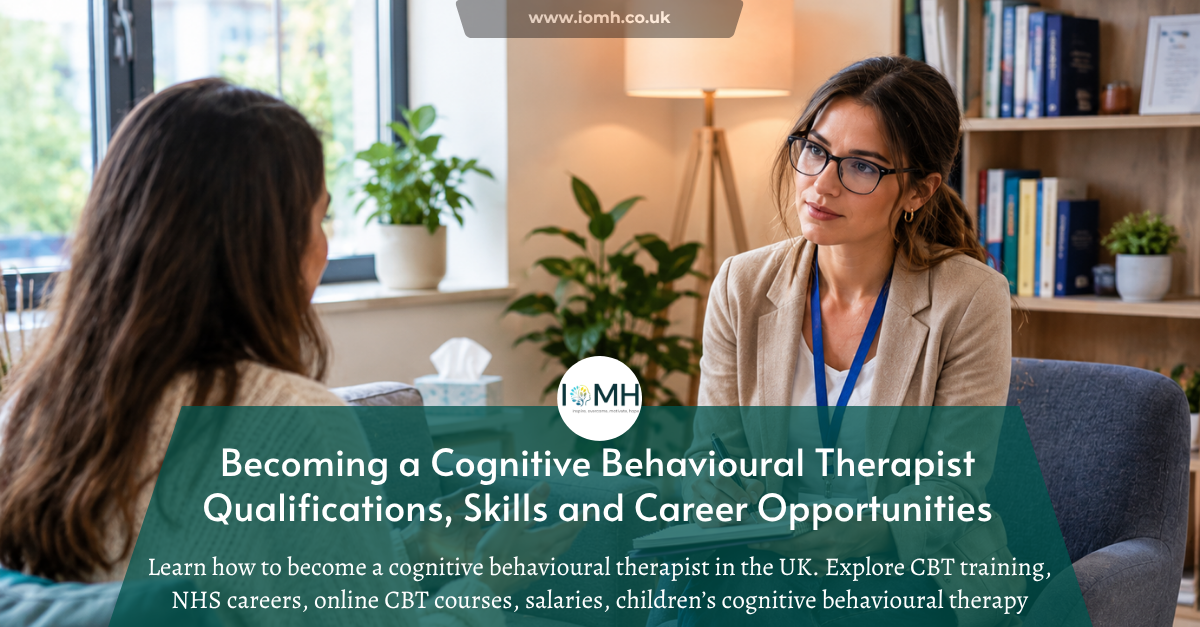
Mental health support is becoming more important across the UK. More people are now seeking professional help for anxiety, stress, depression and other emotional challenges. Because of this, the demand for trained cognitive behavioural therapists is growing quickly.
A cognitive behavioural therapy helps people understand how their thoughts, feelings and behaviours are connected. Using cognitive behavioural therapy (CBT), therapists support people in developing healthier ways of thinking and coping with everyday problems.
This career can be rewarding, flexible and full of opportunities in both the National Health Service and private healthcare sectors. In this guide, you will learn about the qualifications, training, skills and career opportunities needed to become a cognitive behavioural therapist in the UK.



What Is a Cognitive Behavioural Therapist?
A cognitive behavioural therapist is a trained mental health professional who uses cognitive behavioural therapy (CBT) to help people understand and manage emotional and psychological difficulties. They support individuals in recognising how their thoughts, feelings and behaviours are linked, and help them develop healthier and more helpful ways of thinking.
CBT is a practical and evidence-based type of talking therapy. It focuses on identifying negative thought patterns and unhelpful behaviours that can affect a person’s mental wellbeing, and then working to change them step by step.
Therapists often work with people who are experiencing a range of mental health conditions, including:
- Anxiety
- Depression
- Stress
- Panic attacks
- Obsessive Compulsive Disorder (OCD)
- Post-Traumatic Stress Disorder (PTSD)
- Phobias
- Low self-esteem
CBT is widely used across the UK because it is structured, goal-focused, and often leads to positive results in a shorter time compared to many other talking therapies.
Why Is CBT Important in the UK?
Mental health awareness has grown significantly in recent years across the UK. More people are now seeking help for emotional and psychological difficulties, and according to the National Health Service, the use of talking therapies continues to rise each year.
Cognitive behavioural therapy (CBT) is one of the most widely used treatments because it is practical, structured and evidence-based. It helps people understand their thoughts and behaviours and teaches them how to respond in healthier ways.
CBT is important because it:
- Helps people build strong coping skills
- Supports long-term mental wellbeing
- Is backed by scientific research
- Can be delivered online or face-to-face
- Works for a wide range of mental health conditions
Because CBT is effective and adaptable, demand for qualified cognitive behavioural therapists continues to grow across the UK in both NHS and private mental health services.
Why Is CBT Important in the UK?
Mental health awareness has grown a lot in the UK in recent years. More people are now seeking help for emotional and psychological difficulties. According to the National Health Service, the number of people using talking therapies has increased significantly, showing how important mental health support has become.
Cognitive behavioural therapy (CBT) is widely used because it is practical, structured, and focused on real-life change. It helps people understand how their thoughts and behaviours affect how they feel, and teaches them ways to improve their mental wellbeing.
CBT is important because it:
- Helps people build coping skills for everyday life
- Supports long-term mental wellbeing and recovery
- Is backed by strong scientific research
- Can be delivered online or face-to-face
- Works for a wide range of mental health conditions
Because CBT is effective and flexible, qualified cognitive behavioural therapists are in high demand across the UK.
What Qualifications Do You Need to Become a Cognitive Behavioural Therapist?
To become a cognitive behavioural therapist in the UK, you usually need a combination of education and practical, hands-on training. Most people do not enter this role directly from school; instead, they build experience in a related field first.
Many future CBT therapists start with a background in areas such as:
- Psychology
- Counselling
- Nursing
- Social work
- Mental health support work
- Occupational therapy
A university degree in a related subject is often useful and can help you access further training opportunities. However, a degree alone is not enough to become a qualified CBT therapist.
After gaining a relevant qualification, you will usually need to complete an accredited cognitive behavioural therapy training programme. These courses include both classroom learning and supervised clinical practice.
Some advanced CBT training programmes may also require you to already have experience working in healthcare or mental health services before you can apply.
Cognitive Behavioural Therapy Training Explained
Cognitive behavioural therapy (CBT) training teaches students how to safely and effectively support clients using CBT techniques. It combines theory, practical skills, and real-world experience so learners can become confident mental health professionals.
During CBT training, students usually learn:
- Mental health theory and how different conditions affect people
- CBT methods and practical techniques used in therapy sessions
- Communication skills for working with clients in a supportive way
- Supervised clinical practice with real or simulated cases
- Ethical and professional standards, including confidentiality and safeguarding
Many courses also include placements, where students work with real clients under supervision. This helps them gain hands-on experience before working independently.
Today, CBT training is more flexible than ever. In the UK, learners can choose from:
- Full-time classroom-based courses
- Part-time study options
- Online cognitive behavioural therapy programmes
- Evening and weekend learning schedules
Because of this flexibility, many people search for “cognitive behavioural therapy training near me” to find suitable local or accessible training options across the UK.

Cognitive Behavioural Therapy CBT Online Courses
Online learning has become very popular in recent years, and many training providers in the UK now offer cognitive behavioural therapy CBT online courses. These programmes allow students to study CBT theory and skills through digital platforms, making training more accessible than ever.
Online CBT training is especially useful for:
- Working professionals who need flexible study options
- Parents managing family responsibilities
- Career changers moving into mental health roles
- Students living far from training centres
There are many benefits to studying CBT online, including:
- Flexible study hours that fit around your schedule
- The ability to learn from home
- Lower travel and accommodation costs
- Easy access to digital learning materials and resources
However, it is important to remember that some CBT courses may still require in-person placements or supervised practice. This is because hands-on experience is essential for developing safe and effective therapy skills in real clinical settings.

Cognitive Behavioural Therapy London Training Options
London offers many training and career opportunities for people who want to become cognitive behavioural therapists. As one of the UK’s main healthcare and education centres, the city has universities, mental health clinics, and specialist training providers that deliver accredited CBT courses.
Studying CBT in London can give students access to valuable real-world experience and learning opportunities, such as:
- Clinical placements in hospitals and mental health services
- Networking with professionals in the mental health field
- Experience within the National Health Service services
- Specialist CBT workshops and training events
Because London has a large and active healthcare sector, it is also a strong place for finding future work. Many qualified cognitive behavioural therapists are able to build successful careers in the city due to the high demand for mental health support and services.
Essential Skills Every Cognitive Behavioural Therapist Needs
Becoming a successful cognitive behavioural therapist is not only about qualifications. You also need strong personal and professional skills to support clients effectively and safely.
Communication Skills
Therapists must be able to explain ideas in a clear and simple way. They also need to listen carefully so they fully understand what the client is experiencing.
Empathy
Empathy means understanding how a client feels without judging them. This helps build trust and creates a safe space for therapy.
Patience
Improving mental health takes time. A good therapist must be patient and support clients step by step throughout their progress.
Problem-Solving Skills
CBT focuses on practical solutions. Therapists help clients identify problems and find realistic ways to manage or change them.
Organisation
Therapists need to keep accurate notes, plan sessions, and manage appointments properly to ensure safe and effective care.
Professionalism
It is very important to follow ethical guidelines, respect confidentiality, and always maintain professional boundaries with clients.
Children’s Cognitive Behavioural Therapy
Children’s cognitive behavioural therapy focuses on helping children and young people understand and manage their thoughts, feelings, and behaviours in a healthy way. It is adapted from standard CBT so that it is suitable for a child’s age, understanding, and emotional needs.
CBT for children can be helpful for a range of emotional and behavioural difficulties, including:
- Anxiety
- School stress and exam pressure
- Anger and emotional outbursts
- Autism-related challenges
- Behavioural difficulties at home or school
- Low social confidence and difficulties making friends

In many cases, therapists also use simple activities, games, and real-life examples to help children understand CBT techniques more easily.
Therapists usually work closely with parents, carers, teachers, and healthcare professionals. This teamwork helps ensure the child receives consistent support in different environments, such as home and school.
CBT Children With Autism Support
Cognitive behavioural therapy (CBT) can also be helpful for children with autism when it is adapted to suit their individual needs. Every child is different, so therapists often adjust their approach to match the child’s communication style, learning needs, and comfort level.
CBT may support autistic children in several important ways, including helping them to:
- Understand and recognise emotions more clearly
- Manage feelings of anxiety in everyday situations
- Improve social confidence and interaction with others
- Develop practical coping strategies for challenges
- Reduce stress in school, home, and social environments
Therapists often use simple language, visual tools, and structured routines to make CBT easier to understand and follow. This helps children feel more comfortable and engaged during sessions.
Specialist training in CBT for children with autism is important because it helps therapists understand neurodiversity better. This ensures they can provide safe, respectful, and effective support tailored to each child’s unique needs.
Career Opportunities for Cognitive Behavioural Therapists
Qualified cognitive behavioural therapists have a wide range of career opportunities across the UK. As mental health awareness continues to grow, more services are looking for trained professionals to support people with emotional and psychological difficulties.
CBT therapists can work in many different settings, including:
- National Health Service mental health services
- Private therapy clinics
- Schools and colleges
- Charities and non-profit organisations
- Community support services
- Rehabilitation centres
- Online therapy platforms
Some therapists also choose to work independently. After gaining enough experience, they may set up their own private practice and offer one-to-one therapy sessions.
The demand for cognitive behaviour therapy jobs is increasing because more people are seeking help for conditions such as anxiety, depression, and stress. This growing need means CBT therapists are expected to remain in high demand across both public and private sectors in the UK.
Working in the NHS as a CBT Therapist
The National Health Service is one of the largest employers of cognitive behavioural therapists in the UK. Many CBT professionals choose to work in the NHS because it offers structured career pathways and the chance to support people with a wide range of mental health needs.
NHS CBT therapists may work in areas such as:
- Talking therapy services (such as Improving Access to Psychological Therapies services)
- Hospitals
- Community mental health teams
- Child and Adolescent Mental Health Services (CAMHS)
Working in the NHS can provide several important benefits, including:
- Stable and secure employment
- Clear career progression routes
- Pension benefits and job security
- Ongoing professional development and training opportunities
The NHS is also a key place where therapists gain valuable experience working with different clients and mental health conditions, helping them build strong clinical skills over time.
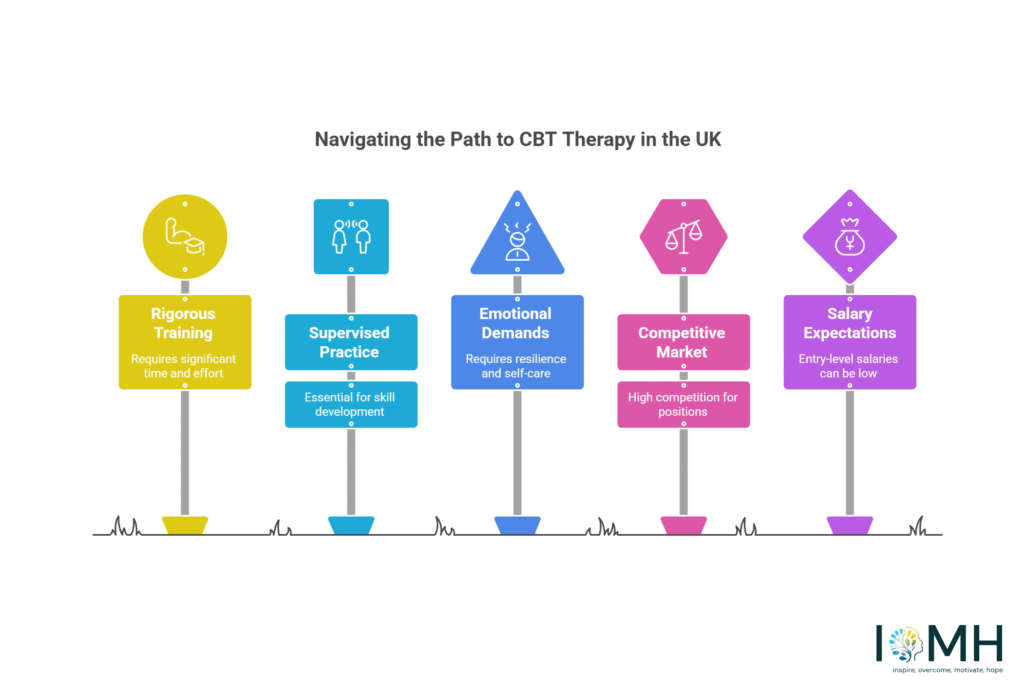
Salary Expectations for CBT Therapists in the UK
Salaries for cognitive behavioural therapists in the UK can vary depending on experience, location, qualifications, and whether they work in the public or private sector.
In general, typical salary ranges include:
- Entry-level therapists: around £30,000 per year
- Experienced therapists: £40,000 to £55,000+ per year
- Private practice therapists: earnings can be higher depending on the number of clients and session fees
Therapists working in London may sometimes earn higher salaries compared to other areas. This is often due to the higher cost of living and greater demand for mental health services in the city.
In the National Health Service, salaries are usually based on structured pay bands, which increase as therapists gain more experience and responsibilities. Private practice income, however, can vary more widely depending on reputation, location, and client demand.
How Long Does It Take to Become a Cognitive Behavioural Therapist?
The time needed to become a qualified cognitive behavioural therapist in the UK depends on your education, experience, and chosen training route.
In most cases, the full journey can take around:
- Around 3 years for a related university degree (such as psychology, nursing, or social work)
- 1 to 2 years of specialist cognitive behavioural therapy training
- Additional time for supervised clinical practice and placements
This means the overall process often takes several years, as both academic study and practical experience are important in this career.
However, some people may complete the process more quickly if they already work in healthcare or mental health services. For example, NHS staff or experienced support workers may be able to access accelerated CBT training pathways.
Overall, becoming a cognitive behavioural therapist requires commitment, but it leads to a rewarding career helping people improve their mental health and wellbeing.

Why Choose a Career in Cognitive Behavioural Therapy?
Many people choose a career as a cognitive behavioural therapist because it is both meaningful and offers strong long-term job opportunities in the UK.
Working in this field allows you to support people who are struggling with their mental health and help them make positive changes in their lives.
Some key benefits of this career include:
- Helping people improve their mental health and wellbeing
- Growing demand for CBT therapists across the UK
- Flexible working options in different settings
- Opportunities to specialise in areas such as children’s mental health or trauma
- Good long-term career prospects in both public and private sectors
This career is also rewarding on a personal level, as you can see real progress in your clients over time. Every day, cognitive behavioural therapists make a positive difference in people’s lives by helping them build confidence, resilience, and healthier thinking patterns.
Conclusion
Becoming a cognitive behavioural therapist can lead to a rewarding and meaningful career in mental health. As awareness of mental health continues to grow across the UK, the demand for skilled CBT professionals is also increasing in both public and private healthcare services.
With the right qualifications, training, and personal skills, you can build a successful career helping people improve their mental wellbeing and cope with life’s challenges. Cognitive behavioural therapy is widely used because it is practical, structured, and effective for many different conditions.
Whether you choose classroom-based learning or cognitive behavioural therapy CBT online training, there are now more flexible and accessible pathways than ever before. This makes it easier for people from different backgrounds to enter the profession and develop a career in this growing and important field.


- All Courses
 Personal Development (1283)
 Career Bundle (479)
 Management & Administration (460)
 Employability (439)
 Health & Social Care (411)
 Health and Safety (382)
 Business (320)
 Teaching & Education (268)
 IT & Software (263)
 Health and Fitness (238)
 QLS Endorsed Courses (219)
 Mental Health & Counselling (168)
 Science & Technology (153)
 Accounting & Finance (144)
 Sales & Marketing (128)
 Construction & Engineering (126)
 Art & Design (125)
 Compliance & Law (112)
 Language (86)
 Photography & Lifestyle (58)
 Animal Care (57)
 Food Safety & Hygine (53)
 Diet & Nutrition (49)
 Sports & Fitness (47)
 Makeup & Beauty (43)
 First Aid (39)
 Agriculture (2)
0 responses on "Becoming a Cognitive Behavioural Therapist: Qualifications, Skills and Career Opportunities"