




Introduction
Mental health support workers are a vital part of the healthcare system, providing essential care and assistance to individuals facing mental health challenges. Their work helps people lead more independent and fulfilling lives. To truly understand this impactful role, we first need to define what mental health support is and what a support worker does.
What is Mental Health Support?
Mental health support encompasses a wide range of services and activities designed to help individuals manage their mental health conditions, improve their well-being, and navigate daily life. It’s not just about addressing symptoms; it’s about providing holistic care that supports a person’s physical, emotional, and social needs. This can include everything from emotional support and therapy to practical assistance with daily tasks, all with the goal of promoting recovery and a better quality of life.
What is a Mental Health Support Worker?
A mental health support worker is a frontline professional who provides direct, person-centered care and assistance to individuals with mental health conditions. They are often the primary point of contact for the people they support, offering continuous encouragement and practical help. While they may work closely with doctors, nurses, and social workers, their role is distinct in its focus on day-to-day assistance, helping individuals manage their challenges and build skills to live more independently.
What is the Role of a Mental Health Worker?
The role of a mental health support worker is multifaceted and incredibly important. In the broader health and social care landscape, they act as a bridge between a person’s treatment plan and their everyday life. They ensure that care plans are followed, provide crucial emotional support, and help individuals integrate into their communities. Their ongoing presence and consistent support are often what enable a person to manage their condition, avoid crises, and achieve personal goals. They are dedicated to caring for and empowering people dealing with a variety of mental and emotional challenges, as well as related issues like substance abuse, social exclusion, and housing instability.



Key Duties of a Mental Health Support Worker
The day-to-day duties of a mental health support worker are as diverse as the people they serve. These responsibilities are a blend of practical tasks and compassionate care, tailored to the specific needs of each individual. Common duties include:
- Day-to-Day Assistance: Helping with daily tasks such as meal preparation, personal hygiene, and managing household chores.
- Emotional and Practical Support: Providing a compassionate presence and a listening ear, helping to alleviate feelings of isolation and offering guidance.
- Treatment and Medication: Assisting with the administration of medication and monitoring for any side effects, as instructed by healthcare professionals.
- Monitoring and Intervention: Carefully observing the mental health and well-being of the person they support, and intervening in crisis situations to ensure safety.
- Implementing Care Plans: Working alongside a multidisciplinary team to carry out a person's care plan, ensuring their short-term and long-term goals are met.
- Promoting Social Involvement: Encouraging and arranging activities that help the person engage with their community and develop hobbies and interests.
- Crisis Intervention: Being prepared to de-escalate stressful situations and provide calm, immediate support during a mental health crisis.
- Collaborating with Care Professionals: Communicating effectively with other members of the care team, including nurses and social workers, to ensure a coordinated approach to care.
What are the Characteristics of a Mental Health Support Worker?
The most successful mental health support workers possess a set of innate characteristics that allow them to connect with people on a deeper level. These include:
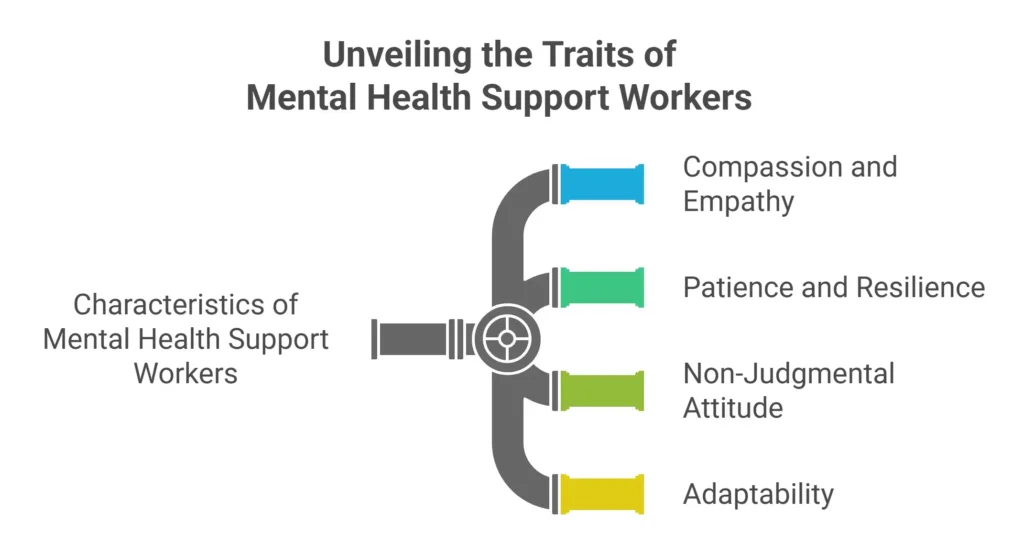
- Compassion and Empathy: The ability to understand and share the feelings of others is foundational. Empathy allows a support worker to build trust and create a safe space for open communication.
- Patience and Resilience: Progress in mental health recovery is often not linear. Support workers must be patient, allowing individuals to progress at their own pace, and resilient enough to handle emotionally demanding situations without burning out.
- Non-Judgmental Attitude: It is critical to provide an accepting environment where individuals feel free to express themselves without fear of criticism. This involves separating personal opinions from professional advice.
- Adaptability: The work environment can be fast-paced and unpredictable. Support workers must be flexible and adaptable, ready to respond to changing needs and situations.
What Skills Does a Mental Health Support Worker Require?
In addition to personal qualities, specific professional skills are a must. These are developed through training and experience and form the backbone of a support worker’s effectiveness.
- Communication and Listening Skills: Communication is arguably the most important skill. It involves not only clear verbal and written communication but also active listening. Active listening means fully concentrating on what is being said, understanding the message, and responding thoughtfully. It is crucial for building rapport and ensuring the individual feels heard and respected.
- Problem-Solving Skills: Support workers often face unique daily challenges that require creative and logical solutions. From managing unexpected changes to helping an individual navigate a difficult social situation, strong problem-solving skills are key to providing tailored and effective support.
- Crisis Intervention: While a support worker's goal is to prevent crises, they must be prepared to act quickly and calmly if one occurs. This skill involves assessing a situation, ensuring safety, de-escalating heightened emotions, and knowing when to call for additional support from a wider care team.
How a Mental Health Support Worker Supports People with Mental Health Challenges?
The application of these characteristics and skills is what truly makes a difference in a person’s life. A support worker uses their expertise to empower people by:
- Encouraging Independence: They assist with daily tasks not to do the work for someone, but to teach them skills so they can eventually do it themselves.
- Building Connections: They help individuals feel less isolated by supporting them in developing hobbies and participating in community activities.
- Promoting Empowerment: They help individuals set and achieve their own personal goals, no matter how small, which builds confidence and a sense of accomplishment.
A Step-by-Step Guide to Becoming a Mental Health Support Worker
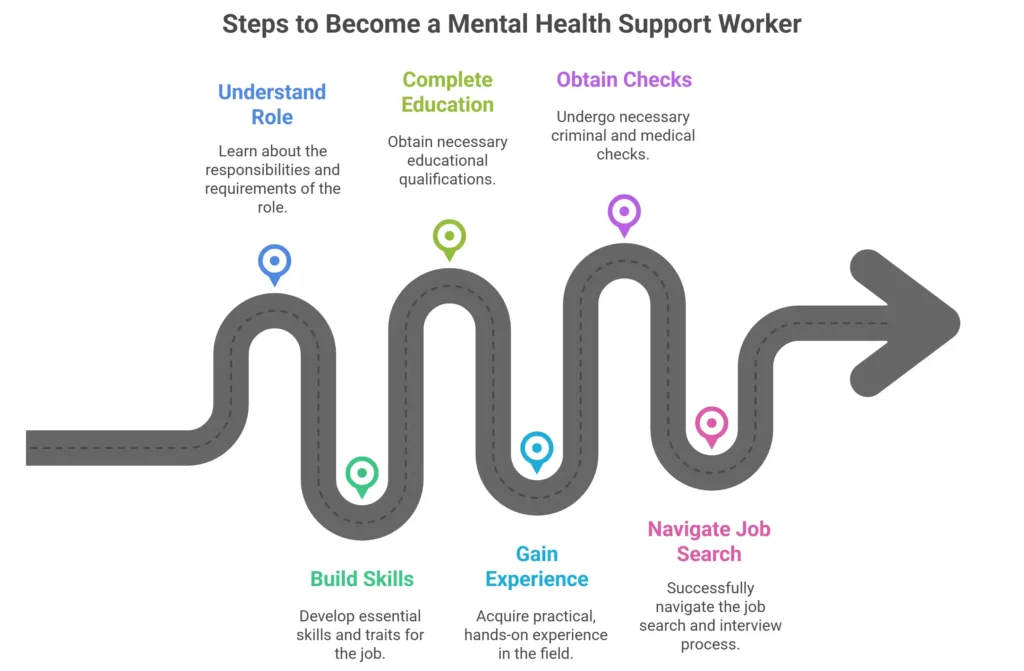
If the role of a mental health support worker sounds like the right fit for you, the next step is to understand the pathway to this rewarding career. While the specific requirements can vary by location and employer, a general path will help you prepare.
-
Step 1: Understand the Role's Responsibilities and Requirements
Before you begin, make sure you have a clear picture of what the job entails. Research job descriptions from various organisations to get a sense of the specific duties, qualifications, and expectations. This initial step helps you determine if your skills and interests align with the profession and allows you to build a targeted plan. -
Step 2: Build Foundational Skills and Traits
As discussed earlier, personal qualities are crucial. If you don't already have them, work on developing your empathy, patience, and communication skills. You can do this through volunteer work, personal development courses, or by seeking out opportunities to work with people in a care-oriented setting. Experience in a related field, even if unpaid, is highly valued by employers. -
Step 3: Complete Relevant Educational Courses and Qualifications
While a bachelor's degree in a field like psychology or social work is often a plus, it is not always a strict requirement. Many mental health support workers begin their careers with a diploma or certificate in a related area, such as mental health care, health and social care, or community services. These qualifications provide the essential theoretical knowledge and practical skills needed for the job. -
Step 4: Gain Practical, Hands-On Experience
Nothing prepares you for this role quite like real-world experience. Seek out volunteer positions or internships with mental health organisations, community centres, or residential care facilities. This hands-on experience will not only strengthen your resume but also provide invaluable insight into the daily realities of the job, from managing challenging behaviours to implementing care plans. -
Step 5: Obtain Necessary Criminal and Medical Checks
Due to the nature of the work, you will be required to undergo a clear criminal background check (such as a DBS check in the UK) and potentially a medical screening. These checks are a standard part of the hiring process and are essential for safeguarding the well-being of the individuals you will be supporting. -
Step 6: Navigate the Job Search and Interview Process
Once you have the necessary qualifications and experience, you can begin applying for positions. Tailor your resume and cover letter to highlight your relevant skills and experiences. When you get to the interview stage, be prepared to answer questions about how you would handle specific scenarios, your communication style, and your personal motivation for working in mental health support.
How Much Do Mental Health Support Workers Earn?
The average salary for a mental health support worker in the UK is approximately £23,600 per year, but this can vary significantly based on location, experience, and the specific employer (e.g., NHS, private sector, or charity). Entry-level positions typically start around £20,000 to £22,000, while experienced support workers can earn over £28,000 annually. For those working for the NHS, pay is determined by the Agenda for Change (AfC) pay scales, with support workers often starting in Band 2 or 3.

Career Advancement Opportunities
Working as a mental health support worker is an excellent entry point into the broader healthcare field. With experience and further training, you can advance into a variety of roles. Potential career paths include:
- Senior Support Workert: Taking on more responsibility and mentoring junior staff.
- Team Leader or Manager: Overseeing a team of support workers and managing caseloads.
- Case Manager or Care Coordinator: Developing and managing complex care plans for multiple individuals.
- Specialist Roles: Focusing on a specific area, such as crisis intervention or working with a particular demographic.
For those interested in higher education, the experience can also be a stepping stone toward becoming a licensed professional like a social worker, registered nurse, or occupational therapist.
Conclusion
The role of a mental health support worker is more than just a job; it is a vital calling. It requires a unique combination of compassion, resilience, and professional skills to make a tangible difference in the lives of vulnerable individuals. By providing day-to-day support, building trusting relationships, and empowering people to take control of their lives, support workers play an indispensable role in promoting recovery and well-being. If you are looking for a career that is challenging, consistently in demand, and deeply rewarding, a future in mental health support work may be the perfect fit for you.

- All Courses
 Personal Development (1283)
 Career Bundle (479)
 Management & Administration (460)
 Employability (439)
 Health & Social Care (411)
 Health and Safety (382)
 Business (320)
 Teaching & Education (268)
 IT & Software (263)
 Health and Fitness (238)
 QLS Endorsed Courses (219)
 Mental Health & Counselling (168)
 Science & Technology (153)
 Accounting & Finance (144)
 Sales & Marketing (128)
 Construction & Engineering (126)
 Art & Design (125)
 Compliance & Law (112)
 Language (86)
 Photography & Lifestyle (58)
 Animal Care (57)
 Food Safety & Hygine (53)
 Diet & Nutrition (49)
 Sports & Fitness (47)
 Makeup & Beauty (43)
 First Aid (39)
 Agriculture (2)
0 responses on "An Introduction to Mental Health Support Worker: The Complete Guide"