



If you work in healthcare, social care, education or childcare, you may have been asked to complete Level 2 safeguarding training. But how do you know whether it’s the right training for your role?
Level 2 safeguarding training is commonly relevant to healthcare professionals and other staff responsible for recognising, responding to and reporting safeguarding concerns. This may include healthcare assistants, care workers, support staff and people working with children or adults at risk.
The appropriate training depends on your job responsibilities, employer expectations and professional guidance. Understanding these requirements can help you choose a suitable course and develop practical safeguarding skills for your workplace.
It also helps to understand what Level 2 safeguarding training actually covers before deciding whether it matches your responsibilities.
Who Typically Needs Level 2 Safeguarding Training?
Level 2 safeguarding training builds on basic safeguarding awareness. It helps professionals develop the knowledge needed to recognise concerns, respond appropriately and follow workplace safeguarding procedures.
You may benefit from Level 2 training if your responsibilities include:
- Working regularly with children, patients or adults who may be at risk.
- Recognising signs of abuse, neglect or exploitation.
- Recording and reporting safeguarding concerns.
- Following safeguarding policies and referral procedures.
- Communicating concerns to safeguarding leads or relevant professionals.
- Supporting individuals who may need additional protection.
The Royal College of Nursing’s adult safeguarding competency framework identifies Level 2 competencies for healthcare staff who regularly encounter patients, families, carers or members of the public.
Different sectors use safeguarding training frameworks in different ways. Understanding how the different safeguarding training levels work can make it easier to identify the knowledge and competencies expected in your role. Therefore, the most useful starting point is to understand what your role involves and which safeguarding competencies your employer expects.



Which UK Jobs May Need Level 2 Safeguarding Training?
Several UK occupations involve safeguarding responsibilities. The table below highlights common roles where Level 2 training may be relevant.
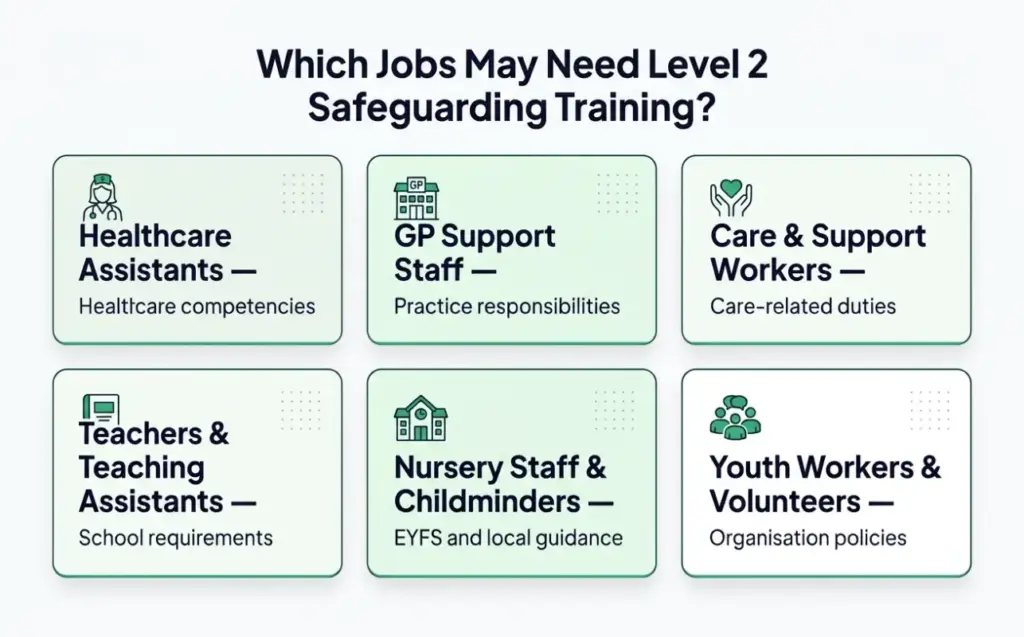
| Job or Sector | Level 2 Training Relevance | Main Consideration |
|---|---|---|
| Healthcare assistants | Commonly applicable | Healthcare safeguarding competencies |
| GP reception and support staff | Included in relevant professional standards | Patient contact and safeguarding responsibilities |
| Care assistants and support workers | Often suitable | Care duties and employer requirements |
| Teachers and teaching assistants | Role-dependent | School safeguarding arrangements |
| Nursery practitioners and childminders | Role-dependent | EYFS and local training requirements |
| Youth workers and volunteers | May be appropriate | Duties and organisational safeguarding policies |
Healthcare Workers and NHS Support Staff
Healthcare workers regularly interact with patients and families who may need safeguarding support.
The Royal College of General Practitioners’ Level 2 safeguarding standards identify several relevant roles, including:
- Healthcare assistants and pharmacy technicians.
- Care navigators and reception managers.
- Safeguarding administrators.
- Practice managers and administrative team leaders.
These employees may need to recognise signs of abuse, respond appropriately to disclosures and report concerns through established procedures.
For example, a GP receptionist might notice that a patient appears uncomfortable speaking in front of another person. Safeguarding knowledge helps the receptionist recognise the concern and follow the practice’s reporting procedures.
Requirements also vary between adult and children’s healthcare.
The 2025 intercollegiate children’s safeguarding framework identifies Level 2 competencies for healthcare staff who encounter children but do not provide clinical care to them. Professionals delivering clinical services directly to children generally require Level 3 competencies.
Healthcare employees should therefore confirm the level appropriate to their clinical setting and responsibilities.
Care Assistants, Support Workers and Social Care Staff
Care assistants and support workers regularly provide personal care, practical assistance and emotional support.
Understanding the standards that guide everyday care work also helps staff recognise their responsibilities for protecting people’s safety, dignity and wellbeing.

These responsibilities can involve recognising changes in behaviour, unexplained injuries, neglect or possible financial exploitation.
In England, the Care Quality Commission’s Regulation 13 guidance requires regulated care providers to ensure staff receive safeguarding training appropriate to their roles during induction, with suitable updates.
Level 2 training may help care staff strengthen their understanding of recognising concerns, maintaining accurate records and following reporting procedures.
Employers determine suitable training arrangements by considering workplace responsibilities and applicable professional guidance.
For managers and training coordinators, planning safeguarding training for employees involves matching learning outcomes to different roles and responsibilities.
For care workers planning their professional development, building safeguarding knowledge can also support greater confidence when handling sensitive situations.
Teachers and Teaching Assistants
Teachers, teaching assistants and learning support staff have important responsibilities in protecting children and supporting their wellbeing.
They may be among the first to notice changes in behaviour, attendance or communication that require attention.
In England, Keeping Children Safe in Education 2026 establishes statutory safeguarding guidance for schools and colleges.
Schools must provide appropriate safeguarding training and updates. Although a particular Level 2 certificate is not universally specified, relevant training can help staff understand how to recognise concerns, record information and communicate with the designated safeguarding lead.
Teachers and support staff should confirm which training their school expects for their position.
Nursery Practitioners and Childminders
Safeguarding knowledge is particularly important in early years settings, where staff support young children throughout their daily activities.
Nursery practitioners, early years assistants and childminders need to understand how to recognise potential harm, communicate concerns and follow safeguarding procedures.
England’s Early Years Foundation Stage statutory framework establishes safeguarding requirements for registered early years providers.
Some local authorities also provide Level 2 safeguarding training arrangements for early years practitioners.
For nursery staff, safeguarding training can strengthen practical knowledge of child protection, reporting responsibilities and professional conduct.
Volunteers, Youth Workers and Community Staff
Safeguarding responsibilities also apply to many voluntary and community roles.
Youth workers, charity volunteers, sports activity staff and community support workers may regularly interact with children or adults who need additional support.
For example, a youth club volunteer might receive information suggesting that a young person is experiencing difficulties at home. Appropriate safeguarding knowledge helps the volunteer respond sensitively and report the concern through the correct channels.
Situations like this demonstrate why safeguarding matters in everyday work, particularly when supporting people who may need additional protection.
Level 2 training may be beneficial where responsibilities extend beyond introductory awareness. The organisation’s safeguarding policy should guide the training decision.
Is Level 2 Safeguarding Training Mandatory in the UK?
Safeguarding training requirements vary across UK sectors. There is no single UK-wide legal requirement for everyone in a particular occupation to hold the same named Level 2 certificate.
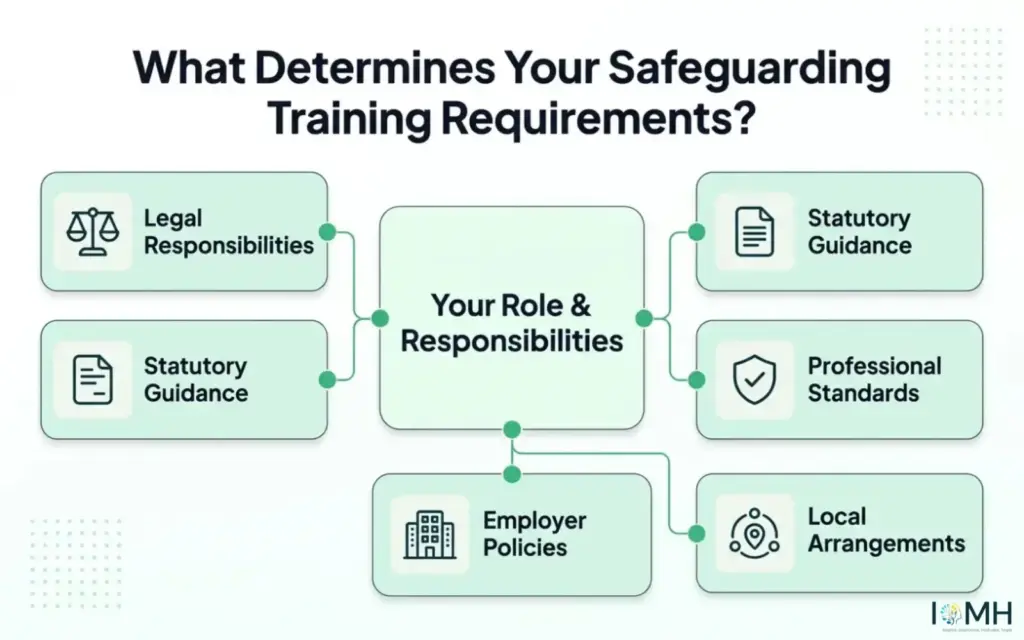
Instead, training expectations are shaped by several factors:
- Legal responsibilities: Certain organisations must meet safeguarding duties under applicable legislation.
- Statutory guidance: Schools, colleges and early years providers must follow relevant safeguarding requirements.
- Professional standards: Healthcare organisations use competency frameworks to determine appropriate training.
- Employer policies: Organisations establish training expectations according to employees' responsibilities.
- Local arrangements: Local safeguarding partnerships and authorities may provide additional guidance.
Understanding how legislation shapes health and social care responsibilities can help workers see how safeguarding duties fit into wider workplace requirements.
England, Wales, Scotland and Northern Ireland also have different safeguarding arrangements.
For healthcare staff, Level 2 may be identified through professional competency standards. In schools and childcare settings, training expectations may be defined through statutory guidance and employer procedures.
Some specialist positions, including designated safeguarding leads and professionals handling complex safeguarding matters, require additional training or competencies.
If you’re unsure which course is appropriate, comparing the differences between Level 1 and Level 2 safeguarding can help you understand which training better reflects your responsibilities.
The best approach is to confirm which safeguarding standards apply to your position before selecting a course.
How to Check Whether You Need Level 2 Safeguarding Training
Choosing suitable safeguarding training becomes easier when you know what to look for.
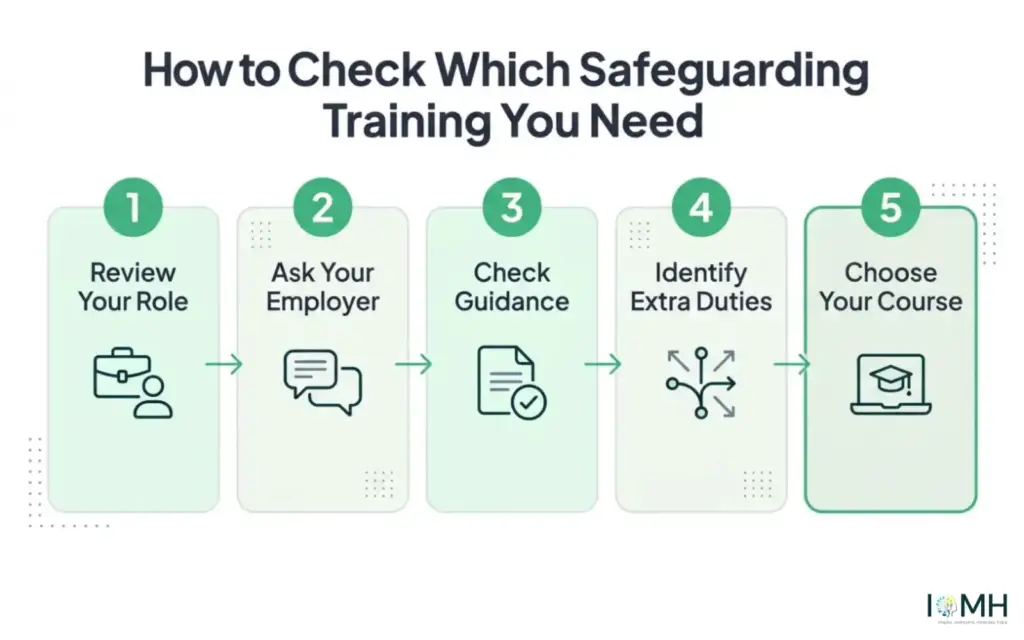
1. Review Your Job Responsibilitie
Consider how frequently you work with children, patients or adults at risk. Think about whether you may need to recognise, document or report safeguarding concerns.
2. Check Your Employer's Requirements
Consider how frequently you work with children, patients or adults at risk. Think about whether you may need to recognise, document or report safeguarding concerns.
3. Review Professional Guidance
Check the safeguarding competency framework relevant to your occupation.
Healthcare employees, for example, may need to meet different competencies depending on whether they work with adults, children or both.
4. Identify Any Additional Responsibilities
If your position involves managing safeguarding referrals, supervising colleagues or leading safeguarding arrangements, you may need specialist training.
5. Choose Training That Matches Your Needs
Compare the course syllabus, assessment methods, delivery format and certificate options with your workplace requirements.
For example, a new healthcare assistant may need safeguarding training during induction, while an experienced care worker may be looking to refresh knowledge or develop additional skills.
Once you’ve confirmed the right level, understanding what safeguarding training typically costs in the UK can help you compare courses and plan your professional development.
Once you understand your requirements, you can make a more informed decision about suitable training.
Choosing the Right Level 2 Safeguarding Course
A suitable safeguarding course should help you develop knowledge you can apply to everyday workplace situations.
Before enrolling, consider:
- Course content: Does it cover safeguarding principles, identifying concerns, reporting procedures and relevant legislation?
- Learning format: Can you study around existing work and personal commitments?
- Assessment: How will your understanding be evaluated?
- Certification: What certificate options are available after successful completion?
- Employer acceptance: Does the training meet your organisation's expected learning outcomes?
Before enrolling, it’s worth knowing what to look for in an online safeguarding certificate, particularly if your employer has specific training or assessment requirements.
For learners looking for flexible professional development, IOMH’s Online Safeguarding Course – Level 2 offers structured online learning covering safeguarding principles, relevant UK legislation, recognising abuse, documentation and responding to concerns.
The course is designed for learners across health and social care, education, childcare and community services.
What Does IOMH's Online Safeguarding Course Offer?
The course includes:
- Flexible online study with 12 months' access.
- Learning materials covering adult and child safeguarding.
- Guidance on recognising abuse, neglect and exploitation.
- Training in safeguarding procedures, documentation and responding to concerns.
- Assessment-based completion.
- Optional certificates following successful assessment.
The course is endorsed by the Quality Licence Scheme (QLS) as a non-regulated training programme and does not lead to an Ofqual-regulated qualification. Optional CPD and QLS certificate products are available for additional fees.
For someone seeking to strengthen existing safeguarding knowledge or prepare for workplace learning requirements, it offers a flexible way to study relevant principles and procedures.
Explore IOMH’s Online Safeguarding Course – Level 2 and review the curriculum, assessment and certificate options to see whether it suits your training needs.
Conclusion: Find Safeguarding Training That Fits Your Role
Level 2 safeguarding training is relevant to many UK professionals, particularly those working in healthcare, social care, education and community services.
The right training depends on your responsibilities, professional standards and employer expectations.
By understanding these requirements and choosing appropriate learning, you can develop practical safeguarding knowledge and greater confidence in recognising and responding to concerns.
If Level 2 training matches your needs, explore IOMH’s online safeguarding course to find out what you can learn and how the course fits your professional development goals.
FAQs
Healthcare assistants working in general practice are included in the RCGP’s Level 2 safeguarding standards. Requirements in other healthcare settings depend on professional competencies, workplace responsibilities and employer policies.
Teaching assistants need appropriate safeguarding training under their school’s arrangements. Level 2 courses may provide relevant knowledge, although statutory guidance in England does not universally require a particular Level 2 certificate.
Care workers need safeguarding training suited to their responsibilities. Employers should identify the appropriate level based on the care setting, duties and applicable requirements. Level 2 learning may be suitable for many care roles.
Volunteers may need Level 2 training where their responsibilities involve regular contact with vulnerable groups or additional safeguarding duties. Their organisation can confirm the appropriate training requirements.
Safeguarding leads often need specialist knowledge and additional training related to their leadership responsibilities. The appropriate competencies depend on the sector, workplace and professional guidance.

- All Courses
 Personal Development (1283)
 Career Bundle (479)
 Management & Administration (460)
 Employability (439)
 Health & Social Care (416)
 Health and Safety (383)
 Business (320)
 Teaching & Education (268)
 IT & Software (263)
 Health and Fitness (238)
 QLS Endorsed Courses (219)
 Mental Health & Counselling (169)
 Science & Technology (153)
 Accounting & Finance (144)
 Sales & Marketing (128)
 Construction & Engineering (126)
 Art & Design (125)
 Compliance & Law (112)
 Language (86)
 Photography & Lifestyle (58)
 Animal Care (57)
 Food Safety & Hygine (53)
 Diet & Nutrition (49)
 Sports & Fitness (47)
 Makeup & Beauty (43)
 First Aid (39)
 Agriculture (2)
0 responses on "Who Needs Level 2 Safeguarding Training? UK Jobs and Requirements"