




Starting a career in elderly care or stepping into your first nursing assistant role can feel overwhelming. You might wonder exactly what your day-to-day responsibilities will be, what skills are essential, and where your role fits within the wider health and social care system in the UK.
This guide simplifies everything for you , from the core duties of nursing assistive personnel to the tasks you should avoid, the skills to develop, and the training and qualifications that will help you succeed.
By reading this blog, you’ll gain a clear understanding of:
Moreover, this course is designed to guide learners step by step. In addition, the lessons are organised in a logical flow, ensuring that each concept builds smoothly on the previous one. Consequently, learners gain confidence as they progress. Furthermore, the content connects theory with practical examples, making the learning experience more engaging. Similarly, complex topics are simplified so that beginners can understand them easily. As a result, learners can apply the knowledge in real situations. On the other hand, those with prior experience can refine their existing skills. Therefore, the course supports continuous improvement for all learners. Ultimately, it provides a structured pathway that helps students achieve their learning goals effectively.online communication skills
- The duties and responsibilities of a nursing assistant
- Receive care in a safe and secure environment
- Key training and qualifications, including Level 3 Diploma in Nursing Assistant
- How nursing assistants contribute to quality Adult Care
- The boundaries of the role
- Potential career paths and progression
Let’s explore the world of nursing assistants and discover how you can make a real difference in elderly care.



What is a Nursing Assistant?
A nursing assistant is a vital healthcare professional who supports patients with their everyday needs, ensuring they stay safe, comfortable, and cared for. In elderly care, nursing assistants provide hands-on assistance to older adults who may have reduced independence due to age, illness, injury, or chronic conditions.
Depending on the country or workplace, nursing assistants may be known by different titles, including:
- Certified Nursing Assistant (CNA)
- Assistant (CNA)
- Healthcare Assistant (HCA)
- Nursing Assistive Personnel
- Nursing Assistant Nurse
In the UK, many hospitals, NHS trusts, and care homes commonly use the term Healthcare Assistant (HCA). Despite the different titles, the core responsibilities — helping with personal care, supporting mobility, monitoring health, and assisting the wider healthcare team — remain largely the same.
In essence, nursing assistants are the hands-on caregivers who make daily life easier and safer for patients, particularly in Adult Care and elderly care settings.
Core Roles and Responsibilities of a Nursing Assistant
A nursing assistant plays a vital role in elderly care and Adult Care, focusing primarily on patient care. Whether you are working in a care home, an NHS hospital, or a private healthcare setting, your responsibilities centre around helping older adults live safely, comfortably, and with dignity.
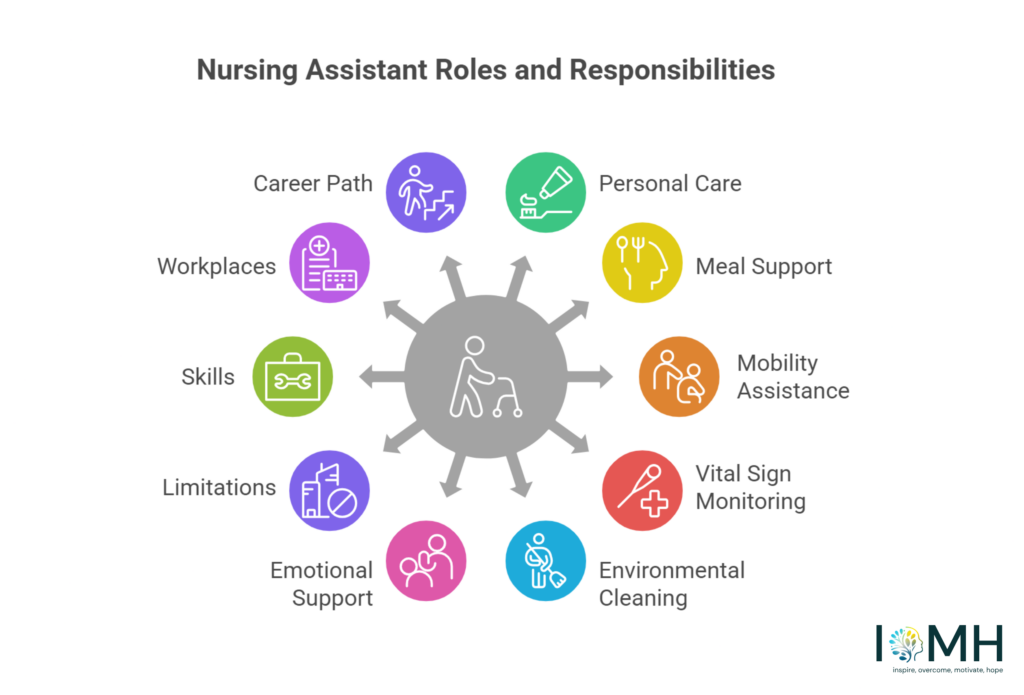
1. Helping with Activities of Daily Living (ADLs)
One of the most important aspects of being a nursing assistant is supporting older people with Activities of Daily Living (ADLs). As people age, simple tasks like dressing, bathing, eating, and using the toilet can become challenging. Nursing assistants provide hands-on help with these tasks, including:
- Assisting with dressing and grooming, such as combing hair or shaving
- Supporting personal hygiene, including bathing and washing
- Helping patients eat and drink safely
- Assisting with toileting and continence care
- Helping patients move in and out of beds or chairs
These tasks are essential for maintaining dignity, independence, and overall health. Even small acts, such as offering a patient support to sit comfortably, can greatly improve their quality of life.
2. Maintaining a Clean and Safe Environment
Older adults are more susceptible to infections and accidents, so maintaining a hygienic and safe environment is critical. Nursing assistants help by:
- Keeping rooms and common areas clean and organised
- Changing bed linens and keeping equipment hygienic
- Following strict infection control procedures to prevent the spread of germs
- Encourage people to report concerns without fear of judgement
- Build trust in health & social care services by demonstrating care and accountability
In the UK, the CQC – Care Quality Commission requires care providers to maintain high standards of safety and cleanliness, and nursing assistants are key to meeting these expectations.
3. Taking and Recording Vital Signs
Monitoring vital signs is an essential part of nursing assistant jobs. You may regularly check:
- Blood pressure
- Pulse rate
- Temperature
- Respiratory rate
Recording these measurements accurately helps nurses and doctors identify early signs of health problems, such as dehydration, infection, or heart issues, allowing timely interventions.
4. Supporting Mobility and Safe Movement
Many older adults need assistance to move safely. Nursing assistants help patients stand, walk, or transfer between beds, chairs, or wheelchairs. Correctly using mobility aids and providing physical support reduces the risk of falls and promotes independence.
5. Assisting with Medical Equipment
In some settings, nursing assistants support the use of medical equipment, including blood pressure monitors, oxygen tanks, feeding aids, catheter bags, and mobility devices. Certified nursing assistants (CNA) receive guidance from nurses to use equipment safely, ensuring effective patient care.
6. Observing and Reporting Health Changes
While not responsible for diagnosing conditions, nursing assistants often notice early signs of health changes. This may include bruising, skin discolouration, sudden confusion, or changes in appetite or mobility. Reporting these observations promptly ensures patients receive appropriate care.

7. Communicating with Families and Healthcare Professionals
Nursing assistants act as a bridge between patients, families, and the wider healthcare team. They update families sensitively, explain simple care routines, and collaborate with Adult Nurses, physiotherapists, and dietitians to ensure coordinated care.
8. Providing Emotional Support and Responding to Calls
Older adults may feel anxious, lonely, or in pain. Quick, compassionate responses, whether answering call bells, offering reassurance, or simply providing company, make a significant difference in their emotional wellbeing.
9. Supporting During Medical Appointments
Nursing assistants may also accompany patients to GP visits, hospital appointments, or therapy sessions, offering reassurance, supporting mobility, and ensuring comfort.
By fulfilling these responsibilities, nursing assistants are essential in delivering safe, compassionate, and high-quality elderly care, supporting both patients and the wider healthcare team.
Differences Between Nursing Assistant and Other Healthcare Roles
In the UK, you may hear different job titles that sound similar. Here is how they compare:
| Role | Focus |
|---|---|
| Nursing Assistant / CNA | Daily care and support, basic clinical tasks, comfort and observation |
| Healthcare Assistant (HCA) | Similar to nursing assistant, often in NHS hospital or community settings |
| Registered Nurse (Adult Nursing / Nurses) | Clinical assessment, treatment decisions, medicines, care planning |
| Care Worker / Support Worker | Personal care in non-clinical settings (care homes, home care) |
What Nursing Assistant Tasks You Cannot Do
While nursing assistants play a crucial role in healthcare, there are important boundaries to their responsibilities. These limits ensure the safety of patients and protect you as a professional. Understanding what is not allowed is just as important as knowing what you can do.
As a nursing assistant, you cannot:
- Administer medications independently : you may remind or assist patients under supervision, but giving medicines on your own is not permitted.
- Diagnose illnesses or make treatment decisions : clinical assessments and care plans are the responsibility of registered nurses or doctors.
- Perform complex clinical procedures, such as injections or invasive treatments, which require special training and licences.
- Provide medical treatments that are restricted to licensed healthcare professionals.
- Drive patients to appointments unless you have proper authorisation and insurance.
- Manage someone’s finances or legal documents, as this could risk legal and ethical issues.
These restrictions are essential for safe practice. They make sure that regulated professionals, such as Adult Nurses, retain responsibility for critical medical decisions while nursing assistants focus on patient care, support, and comfort.

Skills You Need to Succeed as a Nursing Assistant
Being an effective nursing assistant is about more than completing daily tasks — it’s a mix of practical skills, personal qualities, and professional knowledge. Here are the key skills that will help you excel in elderly care and Adult Care settings:
Empathy and Respect
For example, a healthcare assistant might explain different treatment options to a patient and allow them to decide which one they prefer. By feeling empowered, individuals are more likely to feel respected, confident, and in control of their own lives.
Good Communication
As a nursing assistant, you will interact with patients, their families, nurses, and other healthcare professionals. Clear, polite, and professional communication ensures that everyone involved in a patient’s care is informed and coordinated. Good communication not only improves patient outcomes but also strengthens teamwork within healthcare settings.
Observation and Attention to Detail
Even small changes in a patient’s appearance, mood, or behaviour can indicate important health issues. Nursing assistants must be observant, noting and reporting these changes accurately. This attention to detail helps registered nurses and medical staff provide timely interventions.
Time Management
You may care for several patients simultaneously. Organising your day effectively ensures that essential tasks — such as bathing, assisting with meals, monitoring vital signs, and supporting mobility — are completed safely and on time. Efficient time management is critical in maintaining quality patient care.
Basic Medical Knowledge
Having a good understanding of basic medical terms, procedures, and equipment is important for working safely alongside Adult Nurses and other healthcare staff. This knowledge helps you understand patient needs, follow care plans accurately, and assist effectively during treatments and assessments.

How to Become a Nursing Assistant in the UK
If you are interested in nursing assistant positions, there are clear steps you can follow to start your career in elderly care. With the right training, experience, and certification, you can confidently step into your role and make a real difference for patients.
Complete a Nursing Assistant Course
Formal training is an important first step. Employers in the UK generally look for candidates who have completed a recognised nursing assistant course or diploma. The most common options include:
- Level 3 Diploma in Nursing Assistant
- Nursing Assistant Diploma or Healthcare Support Certificate
These courses provide essential skills, such as personal care, basic clinical tasks, communication, health and safety, infection control, and safeguarding. Completing a recognised programme ensures you are prepared to deliver safe and effective care.
Gain Practical Experience
Hands-on experience is just as important as classroom learning. Many students gain valuable skills through:
- Work placements in hospitals, care homes, or community care settings
- Volunteering in elderly care environments
Practical experience allows you to apply your learning, develop confidence, and understand the day-to-day realities of patient care. It also makes you more attractive to potential employers when applying for nursing assistant jobs.
Certification and Registration
While the UK does not require a mandatory national registration for all nursing assistants, having recognised certifications significantly improves your employability. Common certifications include:
- Level 3 Diploma in Nursing Assistant
- Adult Care qualifications
- Care Certificate, which is often mandatory for many care home roles
These certifications show employers that you are trained, competent, and committed to providing high-quality care. They are also essential if you want to work as a certified nursing assistant (CNA) in more specialised roles.
Where Nursing Assistant Jobs Are Available
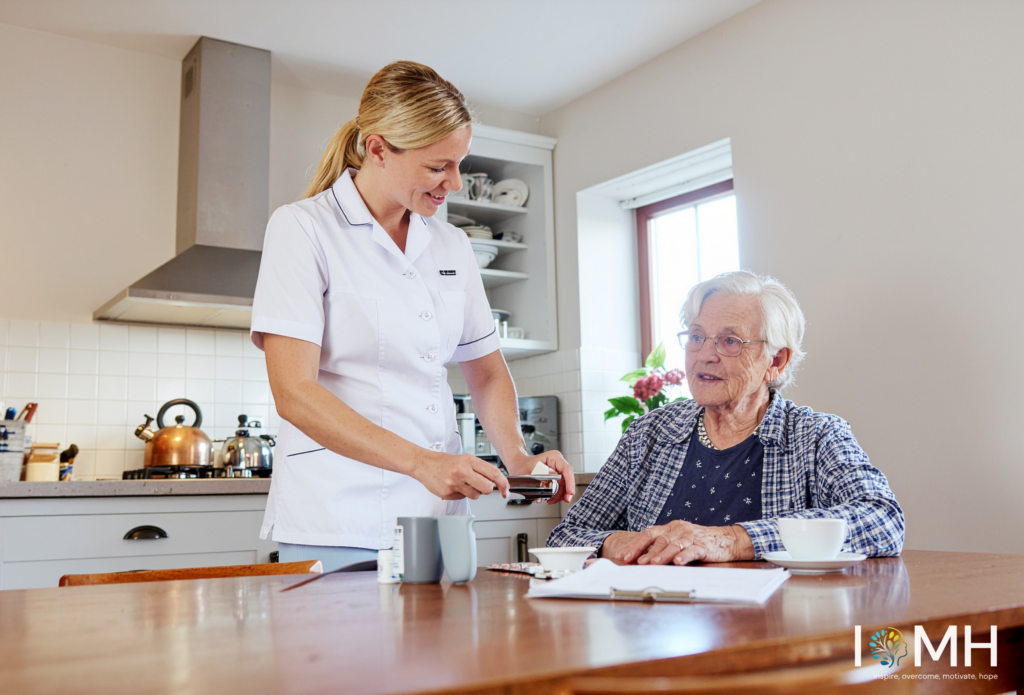
Nursing assistant jobs are widely available across the UK, in a variety of healthcare and social care settings. Some common workplaces include:
NHS Hospitals and Community Services
Many nursing assistants work in NHS hospitals, supporting patients in wards, emergency departments, outpatient units, and community health teams. You may assist patients with daily care, monitor vital signs, and provide essential support to the nursing team.
Care Homes
In care homes, nursing assistants support elderly residents with personal care, meals, mobility, and overall well-being. These roles are often central to creating a safe, comfortable, and compassionate environment for residents.
Home Care (Adult Care at Home)
Some nursing assistants work in patients’ own homes, helping older adults maintain independence while managing everyday tasks. This role requires flexibility and the ability to work independently while providing high-quality patient care.
Private Healthcare and Rehabilitation Centres
Private hospitals, rehabilitation centres, and long-term care facilities also employ nursing assistants. Here, you may assist patients recovering from injury, surgery, or chronic conditions, providing both practical support and emotional reassurance.
Working in Elderly Care — What to Expect Day-to-Day
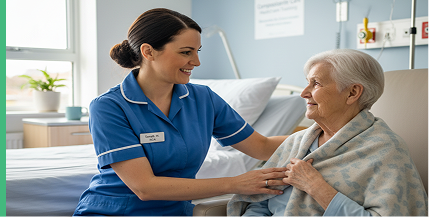
A day as a nursing assistant can be varied, busy, and extremely rewarding. Typical daily tasks may include:
- Assisting with morning routines, washing, dressing, and breakfast
- Taking and recording vital signs such as blood pressure, pulse, temperature, and respiratory rate
- Supporting mobility, exercise, and safe transfers
- Maintaining a clean, organised, and safe environment for patients
- Communicating patient needs and updates with Adult Nurses and family members
- Helping with meals and hydration
- Providing companionship, emotional support, and reassurance
- Recording accurate care notes and reporting changes in health or behaviour
No two days are the same, and patience, flexibility, and empathy are essential qualities for success.
Career Growth and Progression
Starting your career as a nursing assistant provides a solid foundation for a wide range of opportunities in healthcare. With practical experience, continued learning, and recognised qualifications, you can progress in many directions.
Some common pathways for career growth include:
- Training to become a Registered Nurse (Adult Nursing): Many nursing assistants use their hands-on experience as a stepping stone to pursue nursing degrees, moving into roles with increased responsibility and clinical decision-making.
- Specialising in a specific area of care: With additional training, you could focus on fields such as dementia care, palliative care, or learning disability support, becoming a key expert in your chosen area.
- Advancing to senior clinical roles: Experienced nursing assistants can progress to positions like Senior Healthcare Assistant, Ward Support Worker, or Clinical Support Worker, taking on leadership and mentoring responsibilities.
- Exploring management, training, or education roles: Over time, you may move into supervisory, managerial, or training roles, helping to guide new nursing assistive personnel or manage care teams.
Completing recognised programmes, such as the Level 3 Diploma in Nursing Assistant or other Nursing Assistant Diploma courses, can open doors to higher responsibilities, specialised clinical roles, and more competitive positions. These qualifications demonstrate your commitment and enhance your career prospects across the NHS, care homes, and private healthcare settings.
How the Nursing Assistant Role Connects with the NHS and CQC
In the UK, the work of a nursing assistant is closely connected to the NHS and the CQC – Care Quality Commission, forming an essential part of the healthcare and adult social care system.
The NHS employs nursing assistants across hospitals, clinics, and community services, where they provide hands-on support to patients, assist Adult Nurses, and help ensure that care is delivered safely and effectively. Nursing assistants are often the frontline staff who help patients with everyday activities, monitor vital signs, and report important health changes to registered nurses.
The CQC plays a key regulatory role by inspecting and monitoring health and social care providers. Its goal is to ensure high standards of safety, quality, and dignity are maintained for all patients. Nursing assistants contribute directly to meeting these standards through their daily work.
The CQC expects care providers to:
- Keep accurate and complete patient records
- Deliver safe and effective care at all times
- Ensure staff, including nursing assistants, receive proper training and supervision
- Treat all patients with respect, compassion, and dignity
By adhering to these requirements, nursing assistants help maintain the quality and safety of Adult Care services throughout the UK. Their role is vital in supporting both patients and the wider healthcare team, ensuring that care environments meet legal and professional standards while providing compassionate support for older adults.
Final Thoughts — Why the Nursing Assistant Role Matters
Being a nursing assistant is more than a job; it is a chance to make a real difference in the lives of older adults. In elderly care and Adult Care settings, nursing assistants support patients with daily needs, helping them maintain independence, dignity, and comfort. Working as a Healthcare Assistant, certified nursing assistant (CNA), or completing a Level 3 Diploma in Nursing Assistant allows you to develop important skills in communication, observation, basic clinical care, and recording vital signs. Your care, compassion, and professionalism directly impact patients, families, and the wider NHS team, making this role both essential and rewarding. Every task, from personal care to emotional support, truly matters.

- All Courses
 Personal Development (1283)
 Career Bundle (479)
 Management & Administration (460)
 Employability (439)
 Health & Social Care (411)
 Health and Safety (382)
 Business (320)
 Teaching & Education (268)
 IT & Software (263)
 Health and Fitness (238)
 QLS Endorsed Courses (219)
 Mental Health & Counselling (168)
 Science & Technology (153)
 Accounting & Finance (144)
 Sales & Marketing (128)
 Construction & Engineering (126)
 Art & Design (125)
 Compliance & Law (112)
 Language (86)
 Photography & Lifestyle (58)
 Animal Care (57)
 Food Safety & Hygine (53)
 Diet & Nutrition (49)
 Sports & Fitness (47)
 Makeup & Beauty (43)
 First Aid (39)
 Agriculture (2)
0 responses on "The Essential Role of a Nursing Assistant in Elderly Care"