



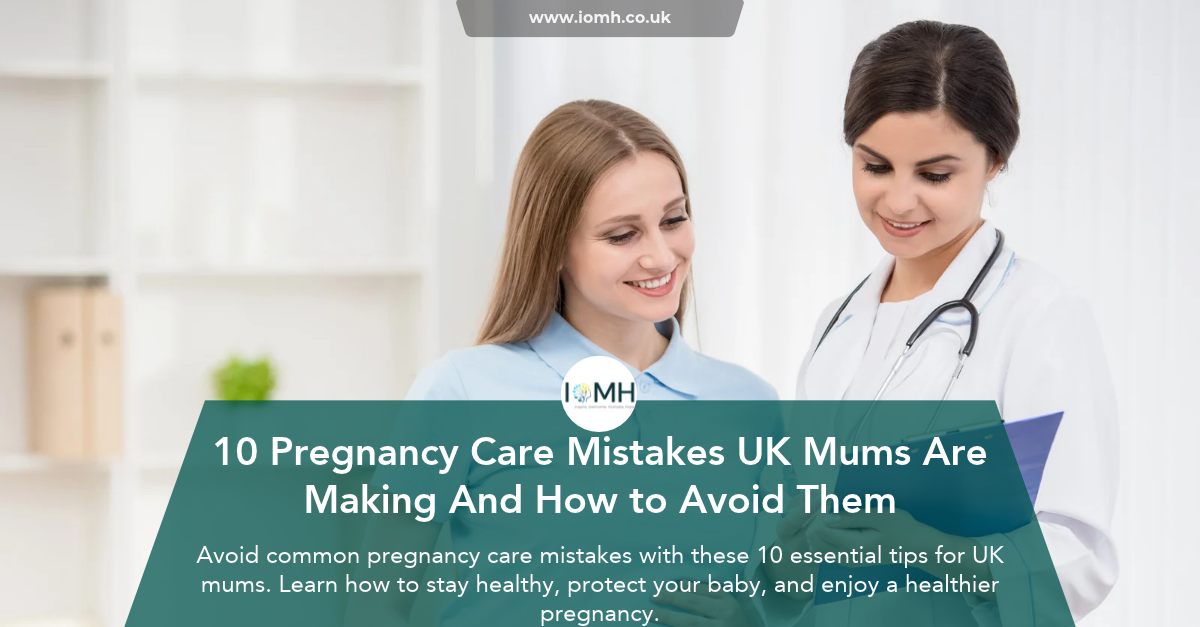
Pregnancy is one of the most important stages in a woman’s life, yet many expectant mothers in the UK still underestimate how crucial pregnancy care really is from the very beginning. While the NHS provides a strong foundation of antenatal support, gaps in understanding, mixed online advice, and lifestyle habits often lead to avoidable mistakes in caring for pregnancy.
Across the UK, many mums-to-be assume that routine check-ups alone are enough. In reality, effective pregnancy care goes far beyond appointments. It includes daily nutrition, safe skincare choices, emotional wellbeing, supplement use, and understanding what is actually safe at each stage of pregnancy. When these areas are ignored, even unintentionally, it can affect both maternal health and baby development.
Another growing issue is how easily misinformation spreads online. From unverified “quick fix” pregnancy care kits to conflicting advice about supplements and skincare, it can become overwhelming to know what truly supports a healthy pregnancy. This is why taking a more informed and structured approach to care about pregnancy is essential rather than relying on guesswork or trends.
In this article, we’ll break down the 10 most common pregnancy care mistakes UK mums are making—and more importantly, how to avoid them. Whether you’re newly pregnant or already well into your journey, understanding these pitfalls can help you make safer, more confident decisions throughout your pregnancy care journey.
Start A Rewarding Career As A Nursing Assistant?
The 10 most common pregnancy care mistakes
- Mistake 1: Ignoring Early Pregnancy Care Conception Advice
- Mistake 2: Relying on Unverified Pregnancy Care Information Online
- Mistake 3: Using Unsafe Pregnancy Skin Care Products
- Mistake 4: Ignoring Pregnancy Face Care Changes
- Mistake 5: Misusing Pregnancy Care Tablets and Supplements
- Mistake 6: Not Using a Structured Pregnancy Care Package
- Mistake 7: Skipping Regular Checkups and Antenatal Appointments
- Mistake 8: Poor Nutrition and Hydration During Pregnancy Care
- Mistake 9: Overlooking Post Pregnancy Care Planning
- Mistake 10: Not Seeking Private Pregnancy Care When Needed
Mistake 1: Ignoring Early Pregnancy Care Conception Advice
One of the most common and overlooked issues in pregnancy care is not seeking support early enough—especially during the pregnancy care conception stage. Many UK mums only begin focusing on their health once pregnancy is confirmed, but the reality is that the earliest weeks are some of the most important for both maternal wellbeing and fetal development.
During the conception and early pregnancy phase, critical changes are already happening in the body. This is when key foundations such as neural tube development begin, making early nutrition, folic acid intake, and lifestyle adjustments essential. Delaying proper caring for pregnancy advice at this stage can mean missing out on important preventative steps that support healthy development.
In the UK, registering with a GP or midwife as soon as pregnancy is suspected is strongly recommended, yet many women delay this due to uncertainty or lack of awareness. Early antenatal booking not only ensures access to essential screenings but also helps identify any risk factors that may require closer monitoring.
Another mistake is relying solely on informal advice from friends or online forums instead of professional guidance. While support networks are valuable, they should never replace medically approved pregnancy care plans provided by NHS professionals or qualified private pregnancy care providers.
The key takeaway is simple: the earlier you take action, the better your outcomes are likely to be. Prioritising early pregnancy care conception support sets the foundation for a healthier pregnancy journey and helps you avoid preventable complications later on.

Mistake 2: Relying on Unverified Pregnancy Care Information Online
In today’s digital world, one of the biggest challenges in pregnancy care is separating reliable medical advice from misleading online information. Many expectant mothers in the UK turn to social media, blogs, or forums for quick answers about caring for pregnancy, but not all sources are trustworthy or evidence-based.
A common issue is the popularity of trending advice around pregnancy care kits and “natural hacks” that claim to simplify pregnancy health. While some products may be helpful, many are not regulated or approved by healthcare professionals. Relying on these without checking NHS guidelines or consulting a midwife can lead to poor decision-making or even potential health risks.
Another concern is conflicting advice about diet, supplements, and lifestyle choices. One source may recommend a certain practice, while another completely discourages it, leaving mums confused about what is actually safe. This confusion often leads to anxiety, inconsistent routines, and gaps in proper care about pregnancy.
In the UK, the NHS provides clear, research-backed guidance on pregnancy care, yet it is often overlooked in favour of faster, more accessible online content. This is where problems begin—because not all popular advice aligns with medical standards.
To avoid this mistake, always verify information with trusted sources such as NHS.uk, your midwife, or registered healthcare professionals. If you are considering products like pregnancy care kits or supplements, ensure they are approved for use during pregnancy and backed by clinical guidance.
Ultimately, good pregnancy care is not about following every trend—it’s about choosing safe, reliable information that genuinely supports your health and your baby’s development.

Mistake 3: Using Unsafe Pregnancy Skin Care Products
Another often overlooked area of pregnancy care is skincare. Many women continue using their pre-pregnancy beauty routines without realising that certain ingredients can be unsuitable during pregnancy. Hormonal changes can also make skin more sensitive, which means products that were once harmless may now cause irritation or potential risks.
A key concern is the use of products containing ingredients such as retinoids, high-dose salicylic acid, and certain essential oils. These are commonly found in anti-ageing or acne treatments and are not generally recommended during pregnancy. Overlooking this can compromise safe caring for pregnancy, especially during early development stages.
This is where the concept of pregnancy safe skin care becomes essential. Choosing gentle, dermatologically tested products helps protect both mother and baby. Many UK mums are now switching to fragrance-free cleansers, mineral-based sunscreens, and hydrating formulas designed specifically for sensitive or hormonal skin.
Another mistake is assuming that “natural” automatically means safe. While natural products are often preferred, not all plant-based ingredients are suitable during pregnancy. This is why it’s important to check labels carefully and seek professional advice when uncertain.
Developing a mindful approach to pregnancy skin care and pregnancy face care can also improve comfort and confidence during pregnancy. Simple routines focused on hydration, barrier protection, and mild ingredients are often the safest and most effective options.
In short, pregnancy is not the time to experiment with harsh or unfamiliar skincare treatments. Prioritising safe, evidence-based choices ensures better skin health and supports overall care about pregnancy throughout this important stage.

Mistake 4: Ignoring Pregnancy Face Care Changes
Pregnancy brings a wide range of hormonal changes, and one of the most visible effects often appears on the face. Despite this, many women overlook proper pregnancy face care, assuming that skin issues like breakouts, dryness, or pigmentation will simply “settle on their own.” While some changes are temporary, ignoring them completely can lead to unnecessary discomfort and long-term skin sensitivity.
During pregnancy, increased hormone levels can trigger acne flare-ups, melasma (dark patches), and heightened skin sensitivity. This is why adapting your pregnancy skin care routine—especially for the face—is an important part of overall pregnancy care. Using harsh exfoliants, strong acids, or aggressive treatments in an attempt to “fix” these changes can actually worsen irritation.
A common mistake is continuing with pre-pregnancy skincare routines that include active ingredients not suitable for expectant mothers. Instead, the focus should shift towards gentle cleansing, hydration, and barrier protection. Simple routines using mild, fragrance-free products are often far more effective for maintaining healthy skin during this time.
It’s also important to remember that not all changes need to be treated aggressively. For example, pregnancy-related glow or mild pigmentation can often improve naturally after birth. Understanding this helps reduce stress and supports better emotional wellbeing, which is a key part of caring for pregnancy.
In the UK, many dermatologists recommend keeping best skin care during pregnancy routines simple and avoiding unnecessary treatments unless medically advised. This helps ensure both safety and consistency while reducing the risk of adverse reactions.
Ultimately, adjusting your approach to facial care during pregnancy isn’t about achieving perfect skin—it’s about maintaining balance, comfort, and safety throughout your pregnancy journey.

Mistake 5: Misusing Pregnancy Care Tablets and Supplements
Supplements can play an important role in pregnancy care, but one of the most common mistakes UK mums make is assuming that more tablets automatically mean better health. In reality, incorrect or excessive use of pregnancy care tablets can do more harm than good.
During pregnancy, certain nutrients like folic acid, vitamin D, and iron are essential. However, these should ideally be taken in the correct dosage as recommended by a GP or midwife. Self-prescribing multiple supplements without professional guidance can lead to imbalances, overdosing, or unnecessary strain on the body—all of which can interfere with safe caring for pregnancy.
Another issue is relying on unregulated or imported prenatal supplements that are not approved under UK medical standards. While they may be marketed as “complete pregnancy care solutions,” they are not always tailored to NHS guidelines or individual health needs.
It’s also common for mums to continue taking general multivitamins without checking whether they are suitable for pregnancy. Some ingredients, such as high levels of vitamin A, are not recommended and should be avoided unless specifically prescribed.
The safest approach to care about pregnancy nutrition is to stick to NHS-approved supplements and have regular check-ins with healthcare professionals. This ensures that your supplement routine supports both maternal health and baby development without unnecessary risks.
In short, supplements should enhance your pregnancy care—not complicate it. When used correctly and under guidance, they can be a valuable part of a healthy pregnancy journey.

Mistake 6: Not Using a Structured Pregnancy Care Package
Many UK mums start their pregnancy journey without a clear plan, relying instead on scattered advice, occasional appointments, and ad-hoc decisions. One of the most effective ways to improve pregnancy care is by having a structured routine or pregnancy care package, yet this is often overlooked.
A care package for pregnancy isn’t necessarily a physical box of products—it’s a planned approach to health, wellbeing, and medical support. It typically includes antenatal appointments, nutrition planning, safe pregnancy skin care, appropriate supplements, and emotional wellbeing support. Without this structure, it’s easy to miss important aspects of caring for pregnancy.
In the UK, NHS care provides a solid foundation, but it is often quite general. Some women therefore choose private pregnancy care to access more personalised monitoring, additional scans, or tailored health advice. However, whether NHS or private, the key issue is consistency—having a clear plan rather than reacting to issues as they arise.
Another common mistake is relying on incomplete or “all-in-one” pregnancy care kits without understanding what they include. While these kits can be helpful for convenience, they should not replace professional guidance or a personalised care routine.
A structured approach to care about pregnancy also helps reduce stress and confusion. Knowing what to expect each trimester, which tests are coming up, and how to adjust your lifestyle makes the entire pregnancy journey more manageable and reassuring.
Ultimately, a well-planned pregnancy care structure ensures that nothing important is missed and that both mother and baby receive consistent, informed support throughout every stage of pregnancy.

Mistake 7: Skipping Regular Checkups and Antenatal Appointments
One of the most avoidable yet common errors in pregnancy care is missing or delaying antenatal appointments. In the UK, the NHS provides a clear schedule of checkups designed to monitor both maternal and baby health throughout pregnancy, but many women underestimate how important consistency is in caring for pregnancy.
Each antenatal visit is not just a routine formality—it is an opportunity to detect potential issues early, such as gestational diabetes, high blood pressure, or growth concerns. Skipping appointments can mean missing early warning signs that are far easier to manage when caught in time.
A frequent mistake is assuming that if you feel “fine,” there is no need to attend every checkup. However, many pregnancy-related conditions develop silently without obvious symptoms. This is why regular monitoring is a key part of responsible care about pregnancy, even when everything seems to be progressing normally.
Another issue is delayed booking with midwives or late registration for antenatal care, which can compress important screenings into a shorter timeframe. Early and consistent engagement with healthcare providers ensures that all necessary tests and scans are completed on schedule.
For those considering private pregnancy care, the same principle applies—additional scans or consultations are only beneficial if attended regularly and used as part of a structured care plan, not as occasional reassurance.
Ultimately, antenatal appointments are one of the most reliable safeguards in pregnancy care. Staying consistent with them helps ensure early detection, better outcomes, and greater peace of mind throughout the entire pregnancy journey.
A care package for pregnancy isn’t necessarily a physical box of products—it’s a planned approach to health, wellbeing, and medical support. It typically includes antenatal appointments, nutrition planning, safe pregnancy skin care, appropriate supplements, and emotional wellbeing support. Without this structure, it’s easy to miss important aspects of caring for pregnancy.
In the UK, NHS care provides a solid foundation, but it is often quite general. Some women therefore choose private pregnancy care to access more personalised monitoring, additional scans, or tailored health advice. However, whether NHS or private, the key issue is consistency—having a clear plan rather than reacting to issues as they arise.
Another common mistake is relying on incomplete or “all-in-one” pregnancy care kits without understanding what they include. While these kits can be helpful for convenience, they should not replace professional guidance or a personalised care routine.
A structured approach to care about pregnancy also helps reduce stress and confusion. Knowing what to expect each trimester, which tests are coming up, and how to adjust your lifestyle makes the entire pregnancy journey more manageable and reassuring.
Ultimately, a well-planned pregnancy care structure ensures that nothing important is missed and that both mother and baby receive consistent, informed support throughout every stage of pregnancy.

Mistake 8: Poor Nutrition and Hydration During Pregnancy Care
Nutrition is one of the most fundamental pillars of pregnancy care, yet it’s also one of the most commonly neglected areas among expectant mothers in the UK. Many women continue pre-pregnancy eating habits without fully adjusting their diet to support the increased nutritional demands of pregnancy.
During pregnancy, the body requires higher levels of key nutrients such as iron, calcium, protein, folic acid, and omega-3 fatty acids. Failing to meet these needs can affect energy levels, baby development, and overall wellbeing. Proper caring for pregnancy includes making intentional food choices rather than relying on convenience or restrictive diets.
Another frequent mistake is underestimating the importance of hydration. Dehydration can contribute to fatigue, headaches, and complications such as urinary tract infections. Drinking enough water daily is a simple but essential part of effective care about pregnancy that is often overlooked.
Some UK mums also fall into the trap of “eating for two,” which is a misconception. Pregnancy does not require double portions, but rather balanced, nutrient-dense meals that support both mother and baby without excessive weight gain.
Additionally, skipping meals or relying heavily on processed foods can lead to blood sugar fluctuations and nutritional gaps. A better approach is to focus on whole foods such as fruits, vegetables, lean proteins, whole grains, and healthy fats as part of a consistent pregnancy care routine.
Ultimately, good nutrition and hydration form the foundation of a healthy pregnancy. When managed correctly, they significantly improve energy, support fetal development, and reduce the risk of complications throughout the pregnancy journey.

Mistake 9: Overlooking Post Pregnancy Care Planning
A common gap in overall pregnancy care is focusing entirely on the nine months of pregnancy while completely overlooking what happens after birth. In reality, effective caring for pregnancy should naturally extend into planning for recovery, adjustment, and support in the postnatal period.
Many UK mums are so focused on antenatal appointments, birth plans, and baby preparation that they give little thought to their own physical and emotional recovery. However, post-birth changes can be significant—ranging from hormonal shifts and fatigue to healing after delivery and adjusting to new routines. Ignoring this stage can make recovery more difficult than necessary.
A key part of responsible care about pregnancy is understanding that postpartum health is not optional or secondary. Planning ahead for rest, nutrition, mental health support, and practical help at home can make a major difference in recovery outcomes.
Another mistake is assuming that post pregnancy care only involves physical healing. In reality, emotional wellbeing is equally important. Conditions such as postpartum depression or anxiety can affect many new mothers, and early awareness is essential for timely support and intervention.
In the UK, NHS services do provide postnatal checkups and community midwife support, but having a personal plan—whether through family support or private pregnancy care options—can help bridge gaps in care and reduce stress during the early weeks after birth.
Ultimately, thinking ahead to post pregnancy care ensures a smoother transition into motherhood. It helps mothers feel more prepared, more supported, and better equipped to recover both physically and emotionally after childbirth.
A care package for pregnancy isn’t necessarily a physical box of products—it’s a planned approach to health, wellbeing, and medical support. It typically includes antenatal appointments, nutrition planning, safe pregnancy skin care, appropriate supplements, and emotional wellbeing support. Without this structure, it’s easy to miss important aspects of caring for pregnancy.
In the UK, NHS care provides a solid foundation, but it is often quite general. Some women therefore choose private pregnancy care to access more personalised monitoring, additional scans, or tailored health advice. However, whether NHS or private, the key issue is consistency—having a clear plan rather than reacting to issues as they arise.
Another common mistake is relying on incomplete or “all-in-one” pregnancy care kits without understanding what they include. While these kits can be helpful for convenience, they should not replace professional guidance or a personalised care routine.
A structured approach to care about pregnancy also helps reduce stress and confusion. Knowing what to expect each trimester, which tests are coming up, and how to adjust your lifestyle makes the entire pregnancy journey more manageable and reassuring.
Ultimately, a well-planned pregnancy care structure ensures that nothing important is missed and that both mother and baby receive consistent, informed support throughout every stage of pregnancy.

Mistake 10: Not Seeking Private Pregnancy Care When Needed
While the NHS provides a strong foundation for pregnancy care in the UK, one common mistake some expectant mothers make is not seeking additional support when they actually need it. Depending solely on standard services without considering personal circumstances can sometimes lead to gaps in reassurance, monitoring, or timely access to specialists.
For some women, private pregnancy care offers more flexibility, shorter waiting times, and additional reassurance through extra scans or more frequent consultations. This can be particularly helpful for those with previous pregnancy complications, higher-risk pregnancies, or simply a need for more personalised attention during their caring for pregnancy journey.
However, the mistake is not necessarily avoiding private care—it’s ignoring the option altogether when it could meaningfully improve comfort and confidence. Many mums assume private care is only for emergencies or luxury, when in fact it can complement NHS services in a balanced and practical way.
Another issue is not discussing concerns early enough with healthcare providers. Whether using NHS or private services, delaying conversations about symptoms, anxiety, or unusual changes can prevent early intervention. Good care about pregnancy always involves proactive communication, not waiting for problems to escalate.
It’s also important to choose private care wisely. Not all services are equal, and expecting mothers should ensure providers are properly regulated and aligned with UK medical standards before committing to any additional packages or pregnancy care kits offered alongside consultations.
Ultimately, the goal is not to replace NHS support but to enhance your pregnancy care experience where needed. Making informed decisions about when extra support is beneficial ensures a safer, more comfortable, and more personalised pregnancy journey.

Conclusion: Building a Safer Pregnancy Care Routine
Navigating pregnancy care in the UK can feel overwhelming, especially with so much advice available from different sources. However, as we’ve explored throughout this article, many of the most common mistakes are avoidable once you understand what truly matters in caring for pregnancy.
From ignoring early pregnancy care conception advice to relying on unverified information, unsafe skincare choices, and inconsistent antenatal attendance, these small missteps can have a big impact when left unaddressed. The good news is that with awareness and the right guidance, each of these issues can be corrected early.
A safe and effective approach to care about pregnancy is not about perfection—it’s about consistency. Regular checkups, balanced nutrition, safe pregnancy skin care, appropriate use of supplements, and emotional wellbeing all work together to support a healthier pregnancy journey.
It’s also important to remember that every pregnancy is different. What works for one person may not work for another, which is why personalised advice from NHS professionals or trusted private pregnancy care providers is so valuable.
Ultimately, building a strong pregnancy care routine means making informed choices, staying proactive, and focusing on both physical and emotional health. By avoiding these common mistakes, UK mums can feel more confident, supported, and prepared throughout every stage of pregnancy.


- All Courses
 Personal Development (1283)
 Career Bundle (479)
 Management & Administration (460)
 Employability (439)
 Health & Social Care (411)
 Health and Safety (382)
 Business (320)
 Teaching & Education (268)
 IT & Software (263)
 Health and Fitness (238)
 QLS Endorsed Courses (219)
 Mental Health & Counselling (168)
 Science & Technology (153)
 Accounting & Finance (144)
 Sales & Marketing (128)
 Construction & Engineering (126)
 Art & Design (125)
 Compliance & Law (112)
 Language (86)
 Photography & Lifestyle (58)
 Animal Care (57)
 Food Safety & Hygine (53)
 Diet & Nutrition (49)
 Sports & Fitness (47)
 Makeup & Beauty (43)
 First Aid (39)
 Agriculture (2)
0 responses on "10 Pregnancy Care Mistakes UK Mums Are Making And How to Avoid Them"