



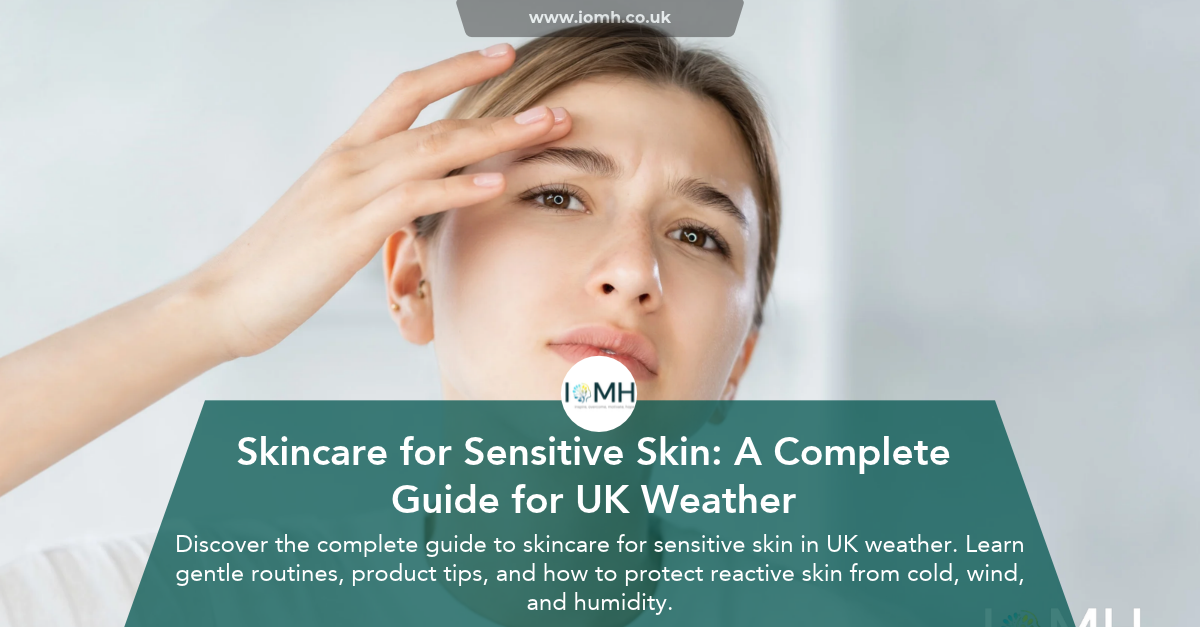
If you regularly experience unexpected facial redness, tight patches, or sudden stinging after applying your favorite creams, you are far from alone. Navigating skincare for sensitive skin has become one of the most prominent beauty challenges across the British Isles. The explanation doesn’t lie solely in genetics; it is deeply intertwined with the unique, highly erratic environmental conditions of the United Kingdom.
The UK climate poses a constant challenge to our skin barrier health. In a single week, your face might contend with biting North Sea winds, damp rain, sudden spikes in humidity, and the dry, parched air of indoor central heating. These rapid, dramatic shifts strip away essential lipids from the stratum corneum—the skin’s outermost defensive shield. When this barrier is compromised, microscopic cracks develop, allowing environmental pollution, urban soot, and hard tap water minerals to penetrate deep into the skin, triggering chronic low-level inflammation.
Because of this constant environmental onslaught, thousands of people across the UK are completely rethinking their approach to beauty. The era of the aggressive, ten-step synthetic regime is quickly fading. Instead, individuals are stripping back their daily rituals to a minimalist skincare routine that prioritises soothing, barrier-repairing formulations over harsh, trendy peeling agents.
This comprehensive guide will cut through the beauty industry marketing to provide a clear, science-backed roadmap. You will learn how to identify your personal triggers, select the genuinely best skincare products for a reactive face, adapt your habits to the changing British seasons, and construct a streamlined daily routine that restores long-term calm, comfort, and resilience to your skin.
What Is Sensitive Skin? Understanding the Signs and Triggers
To successfully manage skincare for sensitive skin, it is vital to understand exactly what is happening beneath the surface. True sensitive skin is not a standalone clinical diagnosis or a fixed skin type; rather, it is a condition characterized by a hyper-reactive, easily compromised skin barrier. When healthy, your skin barrier acts as a waterproof shield, locking in moisture and blocking out external irritants. When it is weakened, your nerve endings are left exposed and vulnerable.
Common Signs of a Compromised Barrier
A reactive complexion will typically let you know it is unhappy through several distinct physiological symptoms:
- Visible Redness and Flushing: Caused by dilated blood vessels rushing to the surface to fight off perceived irritants.
- Persistent Dryness and Flakiness: A direct result of Transepidermal Water Loss (TEWL), where moisture continuously evaporates through a damaged lipid barrier.
- Prickling, Burning, or Itching: Occurs immediately or shortly after applying conventional cosmetics, indicating that ingredients are penetrating too deeply and irritating exposed nerve endings.
- Sudden Breakouts or Micro-Bumps: Often mistaken for standard acne, these small, red bumps are frequently a sign of inflammatory contact dermatitis or a barrier overwhelmed by harsh products.

Safe Retinol Alternatives and Gentle Actives
You do not need to abandon your anti-ageing goals just because your skin is reactive. Modern green biotechnology offers exceptional, non-irritating alternatives:
Sensitive Skin vs. Allergic Reactions
It is crucial to distinguish between general skin sensitivity and a true allergic reaction. Sensitivity is cumulative; it happens when your barrier is gradually worn down by environmental factors or a harsh skincare routine, causing a localized, stinging burn.
An allergic reaction (contact dermatitis) involves your immune system. It is usually triggered by a specific culprit—such as a specific synthetic fragrance or preservative—and manifests as an intense, intensely itchy rash, swelling, or hives that can spread beyond where the product was originally applied.
Environmental Triggers in the UK Climate
The British environment is uniquely challenging for reactive faces. In winter, the combination of freezing outdoor air and dry, moisture-sapping indoor central heating creates a “thermal shock” that rapidly depletes the skin’s natural ceramides.
Additionally, if you live in a major UK city like London, Birmingham, or Manchester, airborne microscopic pollution particles (such as particulate matter PM2.5) settle onto your face daily. These particles generate free radicals that break down structural proteins, driving sensitivity even higher.
When you introduce poorly formulated, aggressive skincare products packed with stripping alcohols or synthetic fragrances into this equation, you strip away the skin’s remaining natural defenses, locking it into a chronic cycle of irritation.
Start A Rewarding Career As A Nursing Assistant?
The Best Skincare Routine for Sensitive Skin
When your skin barrier is hyper-reactive, the golden rule is beautifully simple: less is always more. Flooding your face with a multi-step regime packed with conflicting active ingredients is the fastest way to trigger a flare-up. To calm a delicate complexion, you need a streamlined, predictable skincare routine that focuses entirely on non-stripping cleansing, deep hydration, and robust barrier protection.
By keeping your skincare minimal, you drastically reduce the number of chemical ingredients interacting with your face, making it much easier to identify and isolate potential triggers.
Step-by-Step Daily Skincare Routine
Morning Routine: Protect and Hydrate
Your morning focus should be on defending your skin from pollution, hard water, and UV rays without overloading it before you step outside.
- Cleanse (Optional): If your skin feels very dry or tight in the morning, skip the cleanser entirely. Instead, simply rinse your face with lukewarm water to remove any overnight oil. If you prefer a wash, use an ultra-gentle, non-foaming lotion cleanser.
- Hydrate: While your skin is still slightly damp, pat on a soothing, alcohol-free toner or serum containing water-binding humectants.
- Protect: Apply a generous layer of a gentle moisturiser, followed by a mineral-based sunscreen. Daily UV protection is vital, as sun damage silently degrades the proteins that keep your skin barrier intact.
Evening Routine: Cleanse and Repair
Your evening focus shifts toward gently lifting away the day’s grime and providing your skin with the structural building blocks it needs to repair itself overnight.
- Double Cleanse (If wearing makeup/SPF): Start with a fragrance-free natural oil or balm cleanser to gently dissolve stubborn sunscreen and makeup without scrubbing. Follow up with your gentle cream or gel cleanser to wash away any remaining impurities.
- Treat/Soothe: Apply a targeted, barrier-supporting serum that focuses on calming redness and reducing inflammation.
- Moisturise: Seal everything in with a thicker, lipid-rich barrier cream. Nighttime is when transepidermal water loss spikes, so a nourishing emollient layer is crucial to prevent waking up with tight, flaky skin.
Choosing the Best Skincare Products for Sensitive Skin
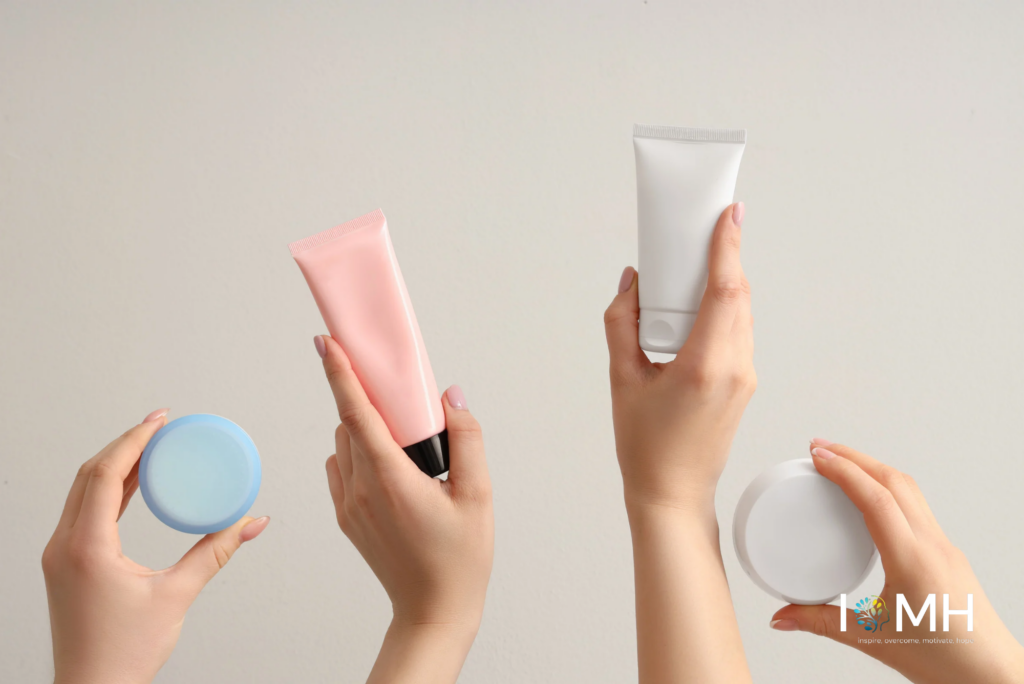
Shopping for a delicate complexion requires shifting your focus from front-label marketing to the ingredient list on the back of the bottle. The best skincare products for reactive skin don’t rely on flashy trends; they use clean, biochemically smart formulas designed to respect and rebuild the skin’s natural barrier.
To shop safely, look for short, transparent ingredient lists that prioritize biological compatibility over complex chemical cocktails.
Powerhouse Ingredients to Look For
When selecting your skincare products, check the formulation for these highly effective, skin-identical, and deeply soothing compounds:
- Ceramides: These are the essential lipids (oils) that make up over 50% of your natural skin barrier. Applying topical ceramides works like mortar between bricks, filling in the microscopic gaps in a damaged stratum corneum to lock in moisture and lock out irritants.
- Glycerin: A classic, highly biocompatible humectant. It draws water deep into the epidermal layers from the surrounding air, plumbing up dehydrated cells without causing any risk of irritation.
- Oat Extract (Colloidal Oatmeal): Celebrated for centuries for its unique anti-inflammatory compounds called avenanthramides. It instantly calms redness, eases burning sensations, and leaves a breathable, protective film over irritated skin.
- Niacinamide (Vitamin B3): A brilliant multi-tasker that, at gentle percentages (around 2% to 5%), stimulates the skin's natural production of ceramides, helping the skin fortify itself over time.
Volatile Ingredients to Avoid
Sensitive skin thrives on predictability. Steer clear of formulas that contain these high-risk triggers:
- Synthetic Fragrances and Essential Oils: Fragrance is the number-one cause of cosmetic allergic contact dermatitis. Even "natural" essential oils like lavender, peppermint, and citrus extracts contain volatile compounds that can cause chemical stress on a vulnerable face.
- Drying Alcohols: Look out for Alcohol Denat, Isopropyl Alcohol, or Ethanol near the top of the ingredient list. These strip away your protective oils instantly, leading to rapid evaporation of moisture. (Note: Fatty alcohols like Cetyl or Cetearyl alcohol are completely safe and acts as skin-softening emollients).
- Harsh Sulfates (SLS / SLES): Commonly found in foaming face washes, these aggressive surfactants lower the surface tension of water too much, degrading the skin's protein structure and leaving it feeling squeaky-clean but fundamentally damaged.
How to Correctly Patch Test
Never apply a newly purchased product directly to your face. To properly patch test, apply a small, coin-sized amount of the product to a clean patch of skin on your inner forearm or just under your jawline. Leave it on for 24 to 48 hours. If you notice any redness, itching, swelling, or burning, it is a clear sign that the formula isn’t compatible with your skin barrier and should be kept away from your face.
Skincare for Dry Sensitive Skin: Restoring the Skin Barrier
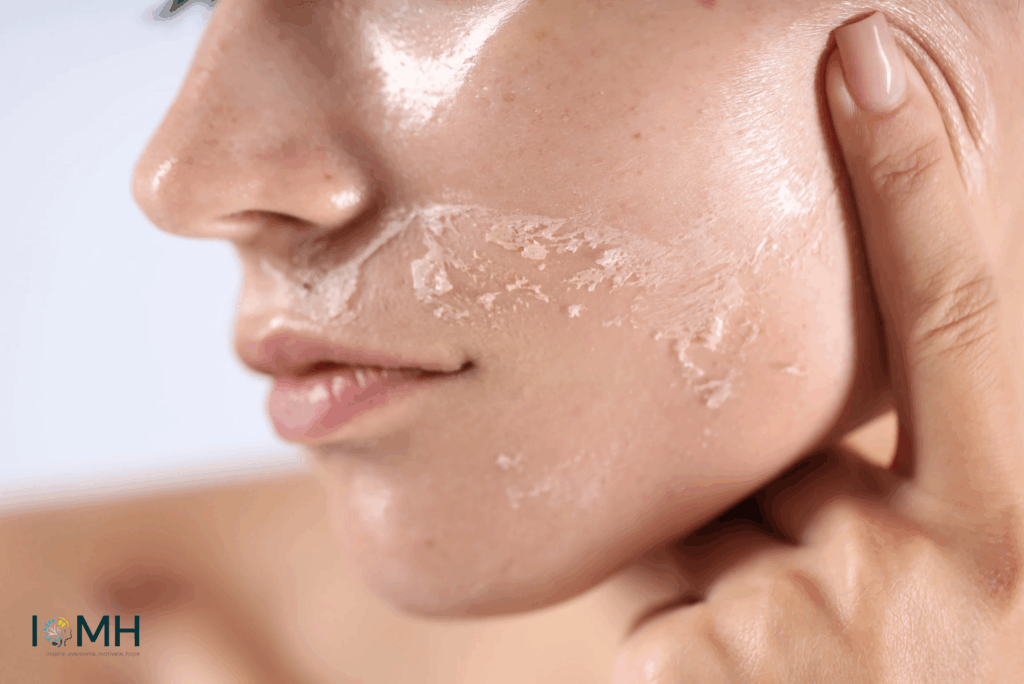
During a typical British winter, the atmospheric humidity plummets, while indoor central heating hums constantly. This environment is highly challenging for anyone managing skincare for dry skin that is simultaneously hyper-reactive. Dry sensitive skin suffers from a structural shortage of lipids (oils), leaving microscopic cracks in the skin surface. When moisture escapes unchecked through these gaps, it triggers a state of constant, itchy irritation.
The goal for dry, reactive skin is simple: deeply rehydrate the dehydrated epidermal cells and seal the surface with rich, biocompatible plant emollients so that moisture cannot evaporate.
Strategic Moisture Barrier Repair
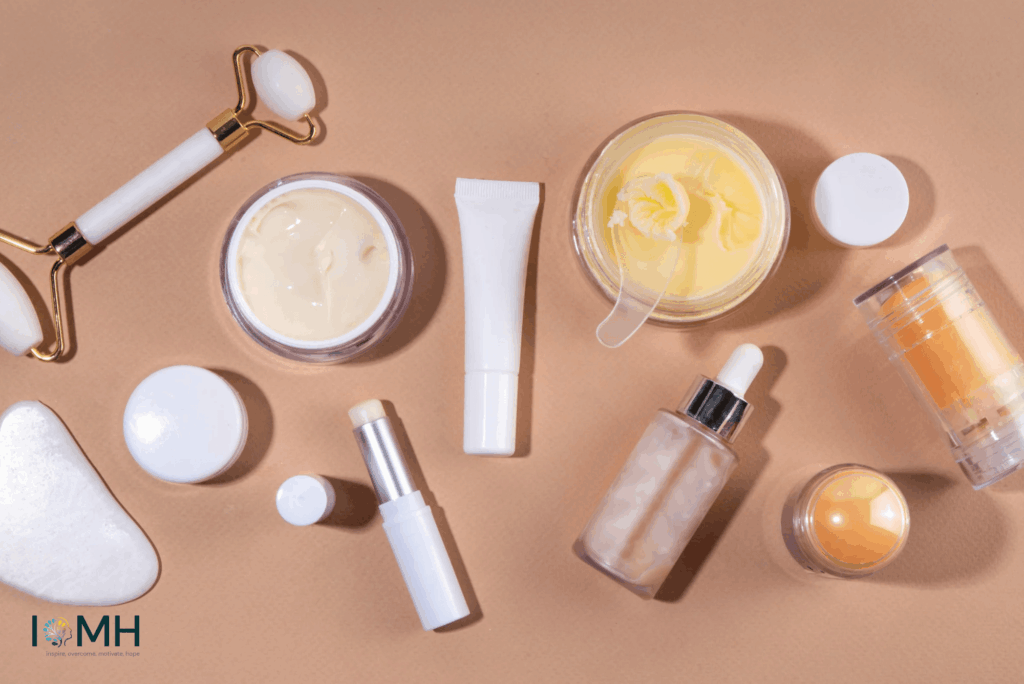
To repair a dry, flaky skin barrier safely, you must move away from thin, water-based gels and introduce comforting creams that wrap the skin in protective lipids.
- Always Apply on Damp Skin: Never apply your hydration to a bone-dry face. After rinsing with lukewarm water, leave your skin slightly damp before pressing in your hydrating layers. This traps the immediate surface moisture directly into the cells.
- The Power of Squalane and Shea Butter: Look for lipid-dense creams featuring pure squalane—a saturated, highly stable oil that perfectly mimics your skin's natural sebum—or organic shea butter. These ingredients soften rough flakes and create a breathable, artificial shield over compromised skin without clogging pores.
- Skip the Aggressive Physical Cleansing: When your face is flaking, it is incredibly tempting to reach for a gritty facial scrub or a rough flannel to buff the dead skin away. For sensitive skin, this is highly damaging; it tears the fresh epidermal cells beneath, making the dryness significantly worse. Let your nourishing cream soften the flakes naturally.
Skincare for Oily Sensitive Skin: Balancing Without Irritation
Managing an overactive T-zone that simultaneously blushes, stings, and reacts to the slightest change in weather is a frustrating balancing act. Many people managing skincare for oily skin assume that grease equals resilience, leading them to use aggressive, oil-stripping clays and alcohol-heavy toners. This approach is highly counterproductive.
When you strip oily sensitive skin, you compromise its delicate moisture barrier. The skin responds to this sudden dehydration by going into survival mode, triggering a rebound effect where it pumps out even more sebum to replace what was lost. The objective must shift from harsh oil eradication to gentle, lightweight balance.
Lightweight Hydration and Gentle Cleansing
The golden rule for oily, reactive skin is to supply it with abundant water (hydration) while keeping heavy, pore-clogging oils (emollients) to a minimum.
- The Soap-Free Gel Cleanser: Swap out harsh foaming face washes for a gentle, non-stripping gel cleanser that utilizes lipid-respecting, coconut-derived surfactants (like coco-glucoside). It should leave your skin feeling clean and refreshed, never tight or squeaky.
- Oil-Free Humectant Serums: Flood your skin with weightless, water-binding layers. Pure hyaluronic acid or aloe vera base liquids sink in instantly, satisfying the skin's moisture needs without leaving a greasy residue or trapping heat.
- Fluid Gel-Moisturisers: Never skip your moisturiser step. If you deprive oily skin of topical moisture, it will manufacture its own. Choose ultra-lightweight, oil-free gel lotions that absorb cleanly, providing a breathable barrier that keeps your complexion calm and matte throughout the day.
By switching to non-stripping, water-focused hydration, you send a signal to your sebaceous glands that the skin barrier is perfectly safe and hydrated, naturally slowing down excess oil production over time.

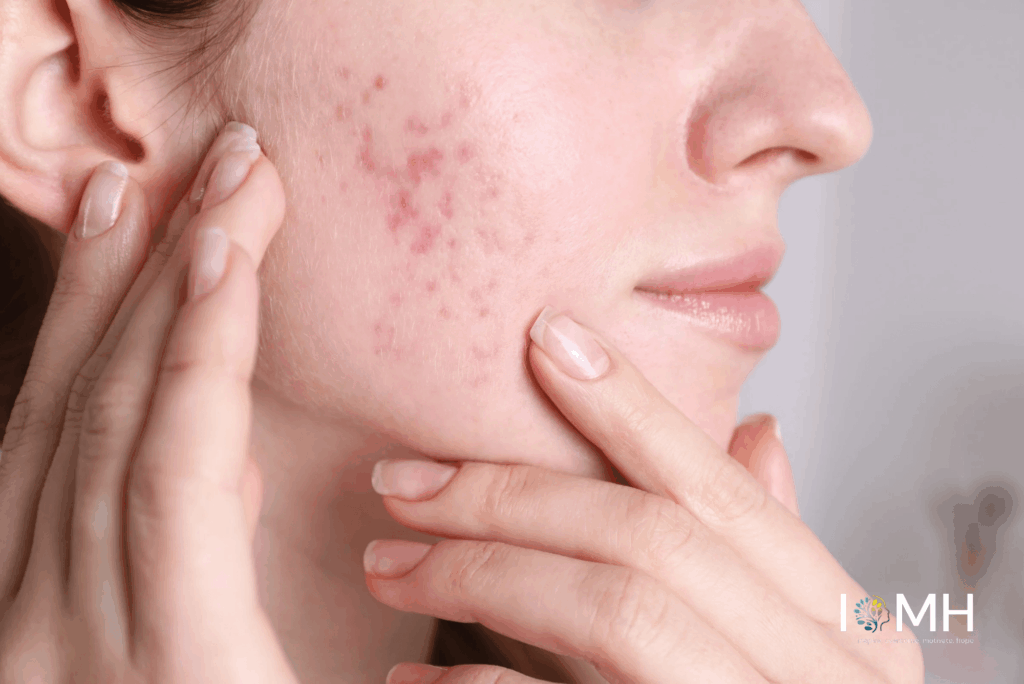
Acne Skincare for Sensitive Skin: Treating Breakouts Gently
Dealing with breakouts on a highly reactive face is one of the toughest challenges in dermatological care. Acne is triggered when excess sebum mixes with dead skin cells to trap bacteria inside your pores. However, conventional acne skincare lines are often formulated with highly aggressive drying agents, like benzoyl peroxide or high-percentage salicylic acid, which can easily strip a delicate skin barrier.
When you apply these intense treatments to sensitive skin, you risk causing chemical burns, raw peeling, and deep inflammation. This creates a vicious cycle: a damaged barrier allows acne-causing bacteria to spread even faster, while the surrounding skin becomes too red and painful to treat.
A Gentle Approach to Skincare for Acne-Prone Skin
To clear breakouts without causing irritation, you need a smart, anti-inflammatory approach that supports your skin barrier while keeping pores clear:
- Willow Bark Extract: This is a fantastic natural alternative for skincare for acne prone skin. As a natural source of salicylic acid (BHA), it is oil-soluble and flows gently into the pores to break up blockages, but it possesses natural soothing properties that make it much gentler than pure synthetic acids.
- Low-Percentage Zinc: Look for targeted treatments utilizing zinc PCA. Zinc is highly effective at reducing surface shine and calming active, angry red blemishes without drying out the surrounding healthy skin.
- Spot Treating vs. All-Over Application: If you are using a slightly stronger active ingredient, never slather it across your entire face. Apply it strictly to the active blemish itself. Leave the rest of your face to heal under a simple, soothing moisturizer.
Mistakes That Trigger Flare-Ups
The single biggest mistake is picking or scrubbing at blemishes. Using gritty facial scrubs or electronic cleansing brushes on an active breakout tears the delicate skin envelope, pushes bacteria deeper into the dermis, and guarantees long-lasting red or dark marks (post-inflammatory hyperpigmentation) that can take months to fade. Keep your touch light, keep your routine simple, and let your barrier heal.
Anti-Ageing Skincare for Sensitive Skin
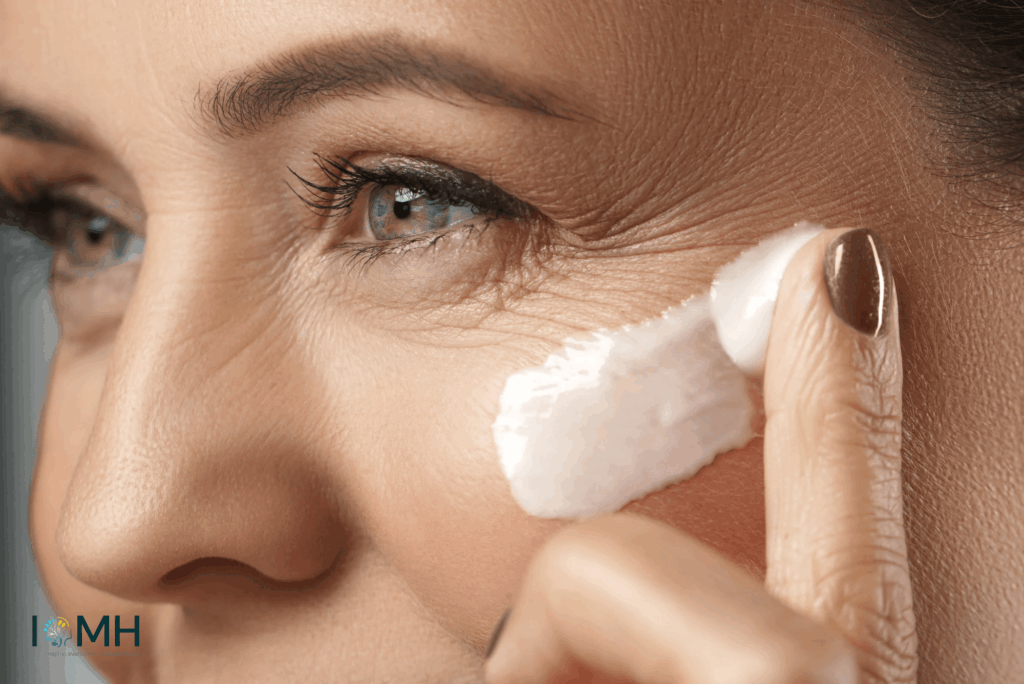
When it comes to anti-aging skincare, the beauty industry heavily prioritizes aggressive, fast-acting cell-turnover molecules like high-percentage synthetic retinol, glycolic acid, and intensive chemical peels. For a sensitive skin barrier, these ingredients can act like sandpaper. Introducing highly active, stripping chemicals onto an already reactive face is a guaranteed recipe for red, peeling, and deeply inflamed skin that actually looks older due to dehydration and chronic irritation.
Graceful aging for a delicate complexion requires a fundamentally different philosophy: a hydration-first approach that focuses on reducing cellular inflammation and reinforcing the skin’s structural support without triggering a defensive flare-up.
Safe Retinol Alternatives and Gentle Actives
You do not need to abandon your anti-ageing goals just because your skin is reactive. Modern green biotechnology offers exceptional, non-irritating alternatives:
- Bakuchiol: Extracted from the seeds of the babchi plant, bakuchiol is the ultimate sensitive-skin alternative to retinol. Clinical studies show it targets the exact same genetic pathways as traditional Vitamin A to boost collagen production and smooth fine lines, but without the peeling, redness, or burning associated with synthetic retinoids.
- Peptides: These are short chains of amino acids that act as gentle cellular messengers. When applied topically, they signal your skin to produce fresh collagen and elastin, strengthening a thinning skin barrier from the inside out without causing a hint of irritation.
- Hyaluronic Acid & CoQ10: Hyaluronic acid plumps up fine dehydration lines instantly by drawing moisture into the skin's surface, while Coenzyme Q10 provides gentle antioxidant protection to shield collagen from environmental breakdown.
The Power of Everyday Sun Protection
No advanced anti-ageing serum can compensate for a lack of daily sun protection. Up to 80% of visible skin ageing is caused by everyday UV exposure—even during overcast, rainy British afternoons. For sensitive skin, choosing the right sunscreen is vital.
Always opt for a broad-spectrum mineral SPF that utilizes Zinc Oxide or Titanium Dioxide. Unlike synthetic chemical sunscreens (which absorb UV rays and convert them into heat that can sting and flush a delicate face), mineral filters sit gently on top of the skin barrier like a mirror, bouncing UV rays away cleanly and safely without irritating exposed nerve endings.
Conclusion
Successfully managing a delicate complexion while navigating the erratic UK climate does not require a shelf full of premium cosmetics, aggressive chemical peeling agents, or complicated multi-step regimes. In the world of reactive skin, your greatest strengths are simplicity, patience, and ingredient awareness.
The most effective strategy to defeat unexpected redness, flaking, and discomfort is to honor your skin’s natural biology. By choosing a streamlined skincare routine built entirely around non-stripping cleansing, barrier-identical lipids like ceramides, and daily broad-spectrum mineral protection, you provide your skin with the peaceful environment it needs to repair itself from the inside out.
Trade short-term viral trends and aggressive active ingredients for steady, nurturing care. Armed with a firm understanding of your personal environmental triggers and a commitment to daily consistency, you can confidently transition away from chronic inflammation—unlocking a balanced, comfortable, and naturally radiant complexion that is beautifully prepared to handle whatever the British weather brings.


- All Courses
 Personal Development (1283)
 Career Bundle (479)
 Management & Administration (460)
 Employability (439)
 Health & Social Care (416)
 Health and Safety (383)
 Business (320)
 Teaching & Education (268)
 IT & Software (263)
 Health and Fitness (238)
 QLS Endorsed Courses (219)
 Mental Health & Counselling (169)
 Science & Technology (153)
 Accounting & Finance (144)
 Sales & Marketing (128)
 Construction & Engineering (126)
 Art & Design (125)
 Compliance & Law (112)
 Language (86)
 Photography & Lifestyle (58)
 Animal Care (57)
 Food Safety & Hygine (53)
 Diet & Nutrition (49)
 Sports & Fitness (47)
 Makeup & Beauty (43)
 First Aid (39)
 Agriculture (2)
0 responses on "Skincare for Sensitive Skin: A Complete Guide for UK Weather"