



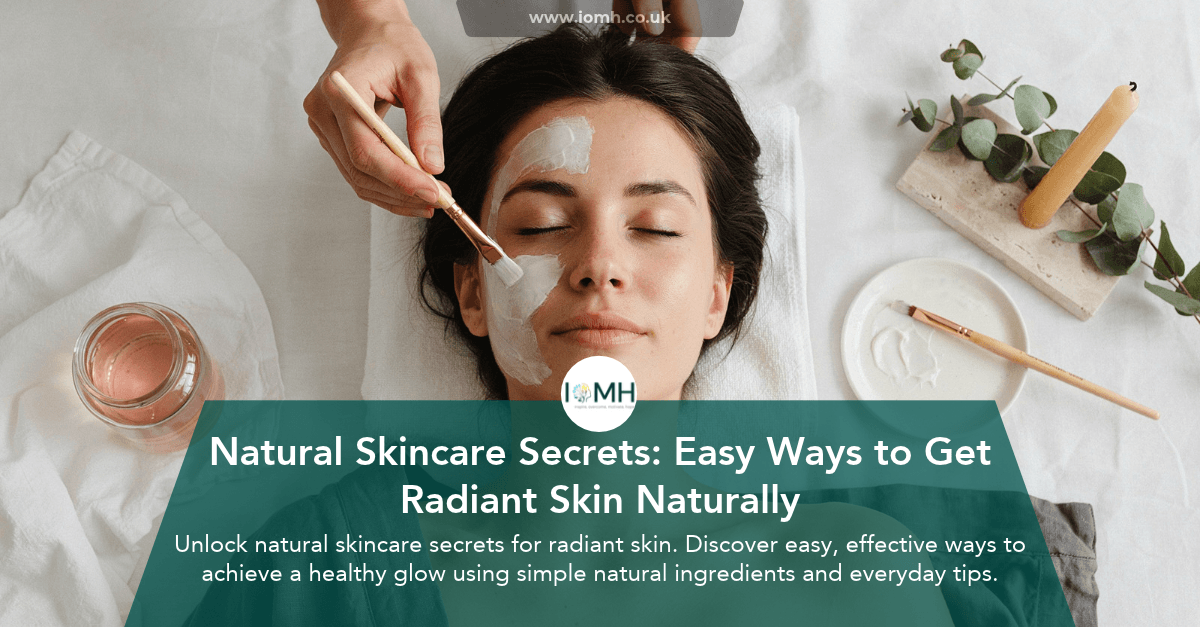
Over the past few years, a massive shift has occurred within the British beauty and wellness landscape. UK consumers are increasingly moving away from synthetic, multi-step chemical regimes and are instead embracing the power of natural skincare. Today, achieving a radiant complexion is no longer about using aggressive peeling acids or complex synthetics; it is about working in harmony with your skin’s natural biology.
This growing preference stems from a collective desire to avoid harsh chemical-based skincare products that frequently strip the skin barrier, leaving it vulnerable to the unpredictable British weather. From the freezing, damp winter winds to the dry heat of indoor central heating, our complexions face constant environmental stress. Heavy synthetic formulas often mask these issues temporarily, whereas a mindful, botanical approach focuses on long-term skin health, resilience, and vitality.
True radiance doesn’t require a complicated or expensive 10-step routine. By streamlining your daily habits and focusing on clean, plant-powered ingredients, you can achieve a healthy, luminous glow that lasts. This comprehensive guide will cut through the marketing noise to deliver practical, step-by-step natural methods, tailored skincare routine structures, and expert advice specifically designed for UK skin.
What Is Natural Skincare?
As the clean beauty movement sweeps across the UK, the phrase natural skincare has become a massive buzzword. However, to find the best skincare products for your complexion, it is vital to understand what this term actually means—and what it doesn’t.
Defining True Natural Skincare
In its truest sense, natural skincare refers to formulations that primarily utilise ingredients derived from nature. This includes plant-based botanicals (like seed oils, herbal extracts, and floral waters), marine ingredients (such as seaweed and algae), and earth-derived minerals. These ingredients are chosen because they are rich in vitamins, essential fatty acids, and protective antioxidants that mimic the skin’s natural lipid structure.
Natural vs. Organic vs. Synthetic
- Natural: Formulated with ingredients sourced from nature. However, because the term is not strictly regulated in the UK cosmetic industry, a product can claim to be "natural" even if it contains only a tiny percentage of plant extracts alongside synthetic fillers.
- Organic: A much stricter standard. Organic skincare requires ingredients to be grown without synthetic pesticides, artificial fertilisers, or genetically modified organisms (GMOs). Genuinely organic products in the UK carry independent certifications, such as the Soil Association seal.
- Synthetic: Created entirely in a laboratory. While some synthetics are highly effective, many conventional products rely heavily on petrochemicals, silicones, and artificial dyes that simply sit on top of the skin rather than nourishing it from within.

The Myth of “Chemical-Free” Skincare
One of the biggest misconceptions spread by clean beauty marketing is that products can be entirely “chemical-free.” This is scientifically impossible. Water is a chemical compound; oxygen is a chemical; a pure, organic rosehip oil is made up of complex natural chemical structures.
Furthermore, just because an ingredient is natural does not automatically mean it is safe for everyone. Poison ivy is natural, but you wouldn’t put it on your face! Conversely, safe synthetic ingredients are often used to create excellent skincare for sensitive skin because they are highly stable and predictable.
When searching for authentic skincare, do not just trust the pretty green leaves on the packaging. Instead, look past the front label, read the ingredient list (the INCI list), and look for transparent brands that prioritize ethically sourced, bio-available botanical ingredients without unnecessary synthetic fillers.
Start A Rewarding Career As A Nursing Assistant?
Building a Natural Skincare Routine That Actually Works
A common misconception about plant-based skincare is that it requires blending elaborate DIY recipes in your kitchen every morning. In reality, a successful, modern skincare routine relies on the exact same core principles as clinical dermatology: cleansing, hydrating, and protecting.
By utilizing well-formulated, plant-powered ingredients, you can build a highly effective routine that balances your complexion without relying on harsh synthetics.
Morning vs. Evening: Tailoring to the UK Climate
Your skin’s biological needs shift depending on the time of day, and your routine should adapt to these natural rhythms while shielding you from the damp, changeable British weather:
- The Morning Routine (Shield & Refresh): Your daytime focus is defense against urban pollution and shifting humidity. Start with a light, refreshing cleanse using a gentle water-based gel or a sweep of natural micellar water. Next, apply an antioxidant-rich botanical serum to brighten the skin, and finish with a natural, zinc-based sun protection cream.
- The Evening Routine (Purify & Repair): At night, your skin switches into recovery mode to repair daily environmental damage. Your evening routine must focus on deep purification. Use a nourishing plant-oil or balm cleanser to dissolve makeup, pollution, and excess sebum. Follow up with a targeted botanical oil or rich cream to seal in deep hydration while you sleep.
Consistency Over Complexity
When switching to natural skincare products, it is incredibly common to want to try everything at once. However, introducing five new botanical oils and three different herbal masks simultaneously can overwhelm your skin barrier, leading to breakouts or irritation.
True skin health comes from daily consistency, not a complicated routine. Finding three or four plant-based products that match your specific skin type and using them faithfully morning and night will deliver far better results than a sporadic, maximalist approach.
Best Natural Skincare Products for Healthy Skin
Navigating the beauty aisles to find the best skincare products can feel overwhelming, especially with the rise of “clean beauty.” Many commercial options boast beautiful botanical imagery on the box, only for a quick scan of the ingredient list to reveal a formula packed with synthetic silicones and artificial fillers.
To choose truly effective skincare products, you need to ignore the front-label marketing and look closely at the active botanical ingredients.
Powerhouse Botanical Ingredients
When browsing natural ranges, look for bio-available ingredients that have a proven, structural benefit for the skin barrier:
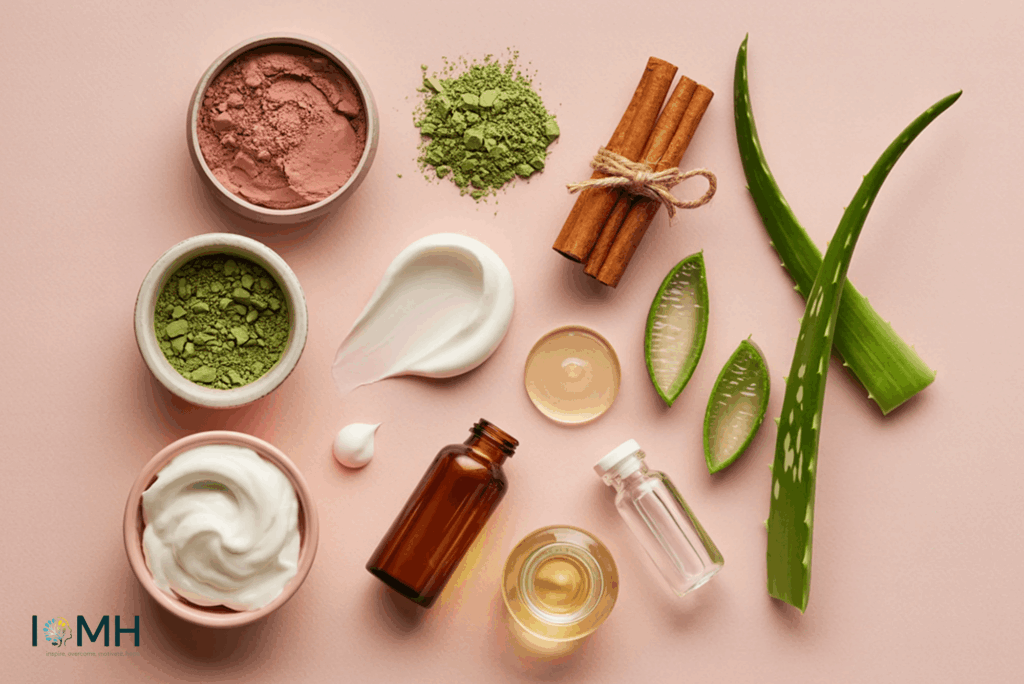
- Aloe Vera: Far more than just a sun burn remedy. Pure aloe vera acts as a stellar natural humectant, delivering lightweight hydration directly to the epidermal layers while instantly cooling inflammation.
- Chamomile: Rich in bisabolol, chamomile is a deeply soothing botanical that acts as a natural anti-inflammatory, making it excellent for calming down flushed skin or seasonal irritation.
- Rosehip Oil: Often called a natural retinol alternative. Pure, cold-pressed rosehip seed oil is packed with essential fatty acids (Omega 3, 6, and 9) and trans-retinoic acid (a natural form of Vitamin A). It actively speeds up cell turnover, brightens dullness, and repairs uneven skin texture.
Natural Skincare for Dry Skin: Deep Hydration Secrets
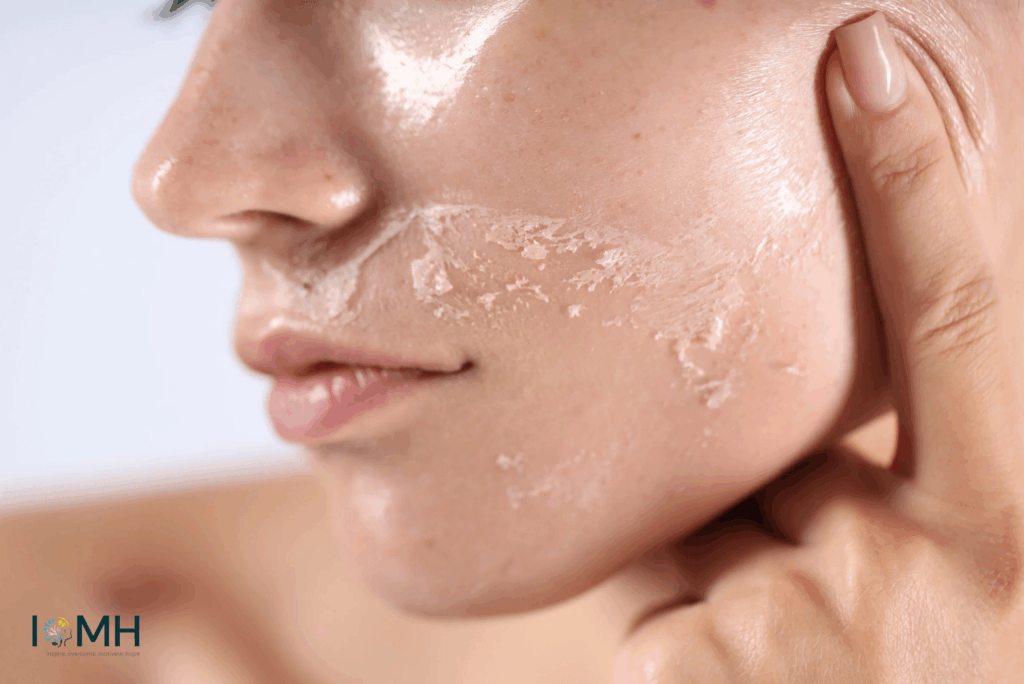
Living in the UK means your skin is frequently subjected to central heating, biting winter winds, and sudden drops in humidity. This constant environmental shifting strips natural moisture right out of the epidermis. When managing skincare for dry skin, the primary objective is simple: deeply hydrate the skin cells and repair the compromised lipid barrier using rich, emollient plant botanicals so that moisture can’t escape.
Dry skin lacks lipids (oils), which leaves it feeling tight, flaky, rough, and prone to premature fine lines. To fix this naturally, your routine needs to transition away from lightweight gels and focus heavily on nutrient-dense plant oils and butters.
Natural Oils and Butters That Restore Moisture
- Shea Butter: Extracted from the nuts of the shea tree, this rich emollient is packed with fatty acids and vitamins that coat the skin, creating a breathable protective shield that seals in moisture.
- Jojoba Oil: Structurally, jojoba oil closely mimics human sebum. This allows it to absorb effortlessly into the skin to trick it into feeling perfectly conditioned, softening flaky patches without clogging pores.
- Argan Oil: Brimming with Vitamin E and essential fatty acids, argan oil actively works to rebuild the compromised skin barrier and restore natural elasticity.
A Gentle, Nourishing Routine
- Cleanse: Swap out foaming face washes for a nourishing, non-stripping cream or oil-based cleanser. This cleans away impurities without removing your skin's remaining natural oils.
- Hydrate: While your face is still slightly damp from rinsing, apply a humectant layer—like pure aloe vera juice or a glycerin-based botanical mist—to pull water deep into the skin layers.
- Moisturise: Layer on a thick, comforting moisturiser packed with plant butters, or press a few drops of pure jojoba or argan oil directly into your skin to seal that hydration into place.
Hydration Habits Beyond Products
The single biggest mistake people make when managing dry skin is over-exfoliating. When you see flaky patches, it is tempting to scrub them away with harsh physical face scrubs or strong acids. However, this actually tears the delicate skin barrier further, leading to increased dryness, raw patches, and inflammation. Focus on natural hydration first, use a humidifier if your indoor heating is drying out the air, and let your skin heal naturally.
Natural Skincare for Oily Skin: Balance Without Stripping
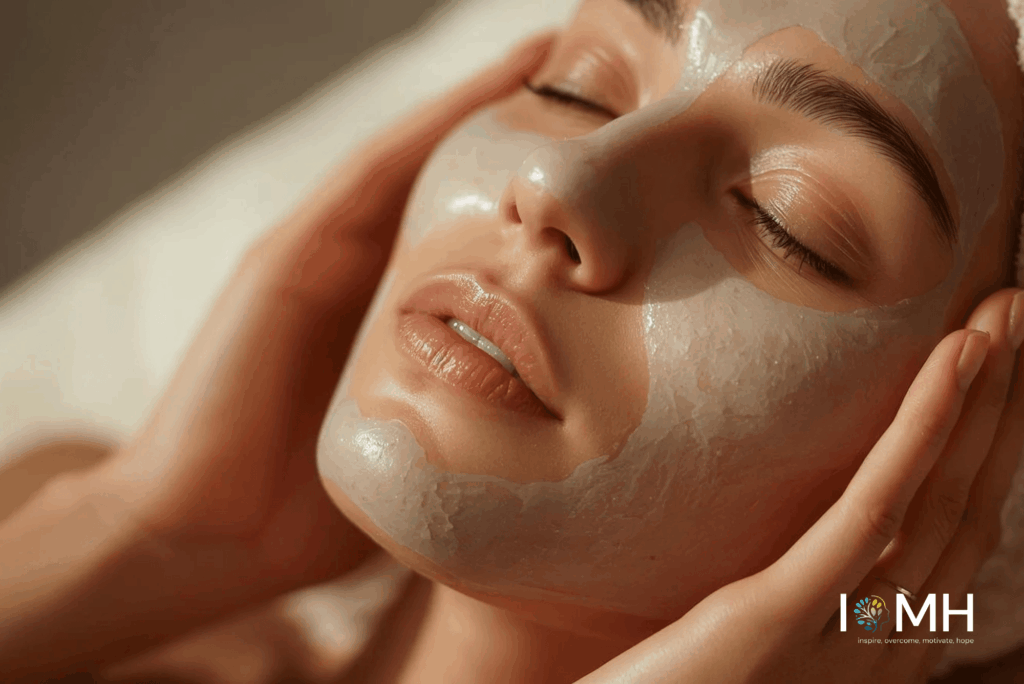
Managing oily skin in the UK can be an incredibly frustrating balancing act. Many people assume that an oily T-zone or overall shiny complexion means they need to strip away every trace of moisture. However, taking a harsh approach to skincare for oily skin is completely counterproductive.
When you use aggressive, alcohol-heavy toners or stripping foaming cleansers, you compromise your skin barrier and dehydrate the surface. Your skin senses this extreme dryness and panics, working overtime to produce even more sebum to protect itself. The secret to managing oily skin isn’t eradication—it is gentle, plant-based balance.
Lightweight Natural Ingredients for Balance
To achieve a matte, clear complexion without causing irritation, look for skincare products that feature these smart, oil-regulating botanical ingredients:
- Jojoba Oil: It might sound counterintuitive to put oil on oily skin, but liquid jojoba wax is biochemically similar to human sebum. Applying it tricks your skin into thinking it has produced enough oil, which naturally down-regulates excess sebum production.
- Tea Tree Water / Witch Hazel: Distilled witch hazel (without drying alcohol) acts as a natural astringent that tightens the appearance of enlarged pores, while tea tree offers natural antibacterial protection to keep oily skin clear.
- Grapeseed Oil: An incredibly lightweight, high-linoleic oil that sinks in instantly without a greasy residue, helping to balance skin that feels heavy or congested.
A Simple, Balanced Routine Structure
- Cleanse: Use a gentle, water-soluble natural gel cleanser morning and night. Look for sulfate-free options utilizing coconut-derived cleansers (like coco-glucoside) that clean deeply without leaving your skin feeling tight or squeaky.
- Treat: Apply a targeted, water-based botanical toner or lightweight willow bark extract serum (a natural source of oil-clearing salicylic acid) to trouble areas to regulate daily shine
- Moisturise: Never skip this step! Oily skin still needs hydration (water), even if it has plenty of oil. Opt for oil-free, lightweight natural gel-creams or fluid lotions utilizing aloe vera and hyaluronic acid that sink in instantly without clogging pores.
Mistakes That Worsen Oil Production
The single biggest mistake is over-washing. Washing your face three or four times a day or using harsh physical facial scrubs destroys your natural acid mantle. Keep your routine focused on twice-a-day cleansing, support it with lightweight hydration, and let nature balance your skin’s oil production naturally.
Natural Skincare for Sensitive Skin: Gentle Healing Approach
Having sensitive skin in the UK often feels like a constant game of trial and error. The combination of hard water in major cities like London, sudden seasonal temperature changes, and urban pollution can easily cause flare-ups, redness, and uncomfortable burning sensations.
When establishing skincare for sensitive skin, the golden rule is radical simplification. Your primary goal is to soothe inflammation and protect a naturally fragile skin barrier by avoiding complex, volatile formulations.
Soothing Botanical Ingredients
To keep your complexion calm, it is important to choose ingredients with proven anti-inflammatory and restorative properties:
- Oat Extract (Colloidal Oatmeal): A true champion for reactive skin. Oats contain unique compounds called avenanthramides, which act as a deeply soothing natural anti-irritant, instantly calming redness and relieving dry, itchy sensations.
- Aloe Vera: Pure, organic aloe vera juice delivers weightless, cooling hydration directly to the epidermal layers while rapidly turning down the heat on flushed skin.
- Calendula (Marigold): Celebrated for its gentle healing properties, calendula extract helps accelerate skin tissue repair and fortifies a weakened skin barrier against external irritants.
A Safe, Soothing Routine
- Cleanse: Stick to an ultra-gentle, non-foaming cream cleanser or a simple, unfragranced micellar water. These gently lift away daily grime without disrupting the skin's delicate pH balance or stripping essential lipids.
- Soothe: Pat a lightweight, alcohol-free oat or chamomile hydrosol onto the skin to cool down any immediate irritation.
- Moisturise: Apply a simple, bland moisturiser with minimal ingredients—ideally one packed with pure squalane or shea butter—to seal the skin barrier safely.
The Critical Importance of Patch Testing
Never introduce a new botanical product to your entire face all at once. Raw plant extracts can contain complex, natural compounds that your skin might not agree with. Always perform a patch test by applying a small coin-sized amount of the product to a discreet area, like your inner wrist or behind your ear, for 24 to 48 hours. If no redness, itching, or swelling occurs, you can safely integrate it into your wider skincare routine.
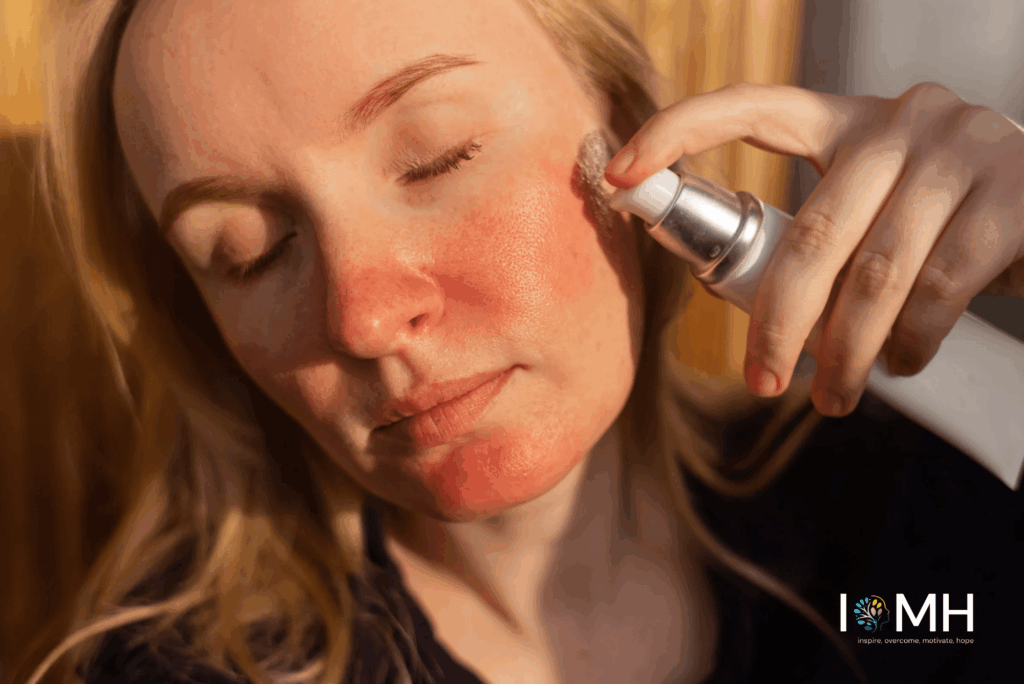
Natural Acne Skincare: Clear Skin Without Harsh Chemicals
Acne is a complex, often distressing skin condition that affects millions of adults and teenagers across the UK. It is primarily triggered by a combination of overactive sebum glands, a buildup of dead skin cells that clog pores, and the proliferation of acne-causing bacteria.
When dealing with breakouts, many people mistakenly treat their skin aggressively, using harsh scrubs or stripping alcohol toners. However, creating a successful acne skincare routine requires a strategic, dual-action approach: actively targeting breakouts while carefully keeping the surrounding skin barrier calm and hydrated.
Plant-Powered Acne Alternatives
You do not need to rely on harsh synthetic chemicals to clear your skin. Nature provides incredibly potent, clinically backed alternatives for your skincare for acne prone skin routine:
- Willow Bark Extract: The natural precursor to salicylic acid. Willow bark contains salicin, a gentle beta-hydroxy acid (BHA) that is oil-soluble. It flows directly into your pores to dissolve the sticky mix of dead skin cells and excess oil, preventing blackheads and blemishes from forming.
- Tea Tree Oil: A legendary natural antibacterial and anti-inflammatory agent. Studies show that a 5% dilution of pure tea tree oil can be just as effective at reducing acne lesions as conventional benzoyl peroxide treatments, but with significantly fewer side effects like peeling, burning, or redness.
- Tamanu Oil: Known for its remarkable skin-regenerating and antibacterial properties, tamanu oil is excellent for post-breakout care. It speeds up the healing process and helps fade the dark red or brown marks (hyperpigmentation) left behind by old spots.

Anti-Ageing Skincare Naturally: Simple Prevention Tips
When it comes to anti-aging skincare, the UK market is saturated with high-tech, synthetic molecules that promise to reverse the clock. However, a natural approach to graceful ageing isn’t about trying to erase wrinkles after they appear; it is about providing your skin with the structural support, deep hydration, and environmental protection it needs to stay resilient, firm, and radiant naturally.
Skin ageing is driven by two main factors: internal genetics and external environmental stress (like pollution and UV damage). A smart botanical routine focuses heavily on prevention and cellular protection.
The Natural Protective Toolkit
To maintain a youthful, bouncy complexion without relying on harsh synthetic additives, look for skincare products rich in these plant-powered defenders:
- Antioxidant-Rich Botanicals (Green Tea & Vitamin C): Free radicals from urban pollution and daily sunlight act like tiny scissors, breaking down your skin's structural collagen and elastin fibers. Natural antioxidants—found abundantly in green tea extract, kakadu plum (Vitamin C), and Vitamin E—neutralise these free radicals before they can cause cellular damage.
- Bakuchiol (The Retinol Alternative): Extracted from the seeds of the babchi plant, bakuchiol is a true natural superstar. Clinical studies show that it triggers the exact same genetic pathways as synthetic retinol to boost collagen production and smooth out fine lines, but without causing the peeling, dryness, or irritation often associated with Vitamin A.
- Rosehip Seed Oil: Packed with natural trans-retinoic acid and essential fatty acids, rosehip oil delivers a gentle, deep dose of cellular renewal, fading age spots and evening out overall skin texture while you sleep.
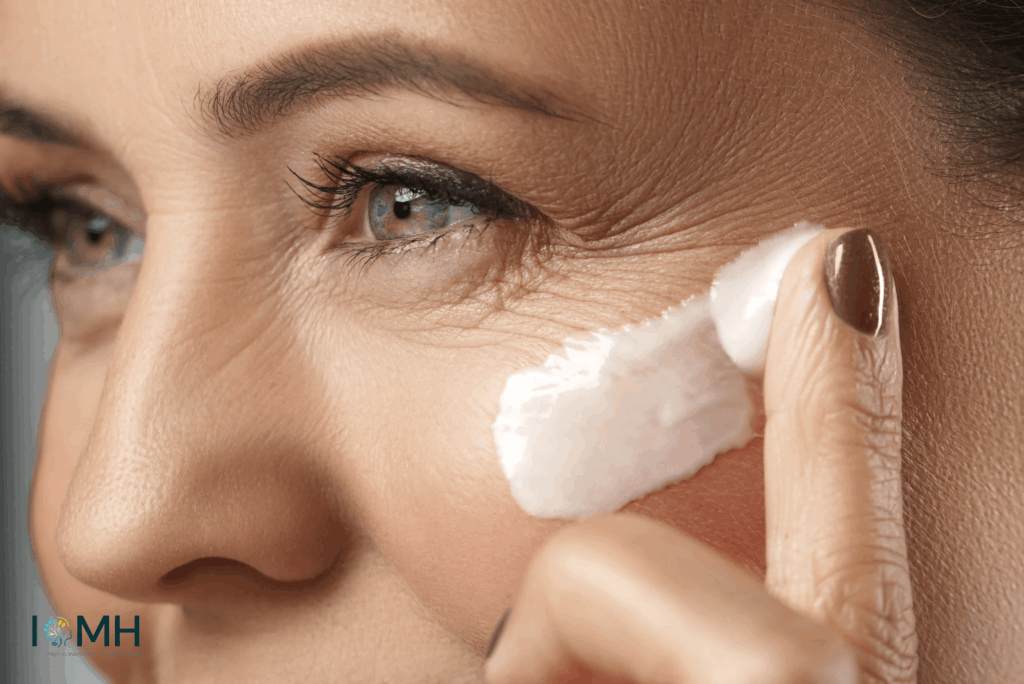
Natural Skincare Tips for Everyday Healthy Skin
While your choice of topical plant oils and botanical creams plays a major role in your complexion, the overall health of your skin is deeply tied to your daily lifestyle choices. You can use the most premium certified organic oils in the world, but if your body is stressed, dehydrated, and run down, your skin will inevitably reflect it.
Implementing a few foundational lifestyle habits will dramatically enhance the efficacy of your daily skincare routine.
Essential Daily Habits for Glowing Skin
- Hydration from Within: The notoriously unpredictable British weather can quickly dry out the surface of your skin. Drinking plenty of water throughout the day helps maintain cell turgor and ensures your body can efficiently deliver nutrients to the epidermal layers.
- Prioritise Quality Sleep: Your skin does its heavy lifting while you rest. During deep sleep, your body undergoes cellular repair, fights off free radical damage from the day, and produces fresh collagen. Aim for 7 to 9 hours of undisturbed sleep to prevent a dull, tired-looking complexion.
- Manage Your Diet and Stress: High-sugar foods and refined carbohydrates can trigger inflammatory pathways that worsen conditions like acne and eczema. Similarly, chronic stress releases cortisol, a hormone that spikes oil production and breaks down structural collagen.
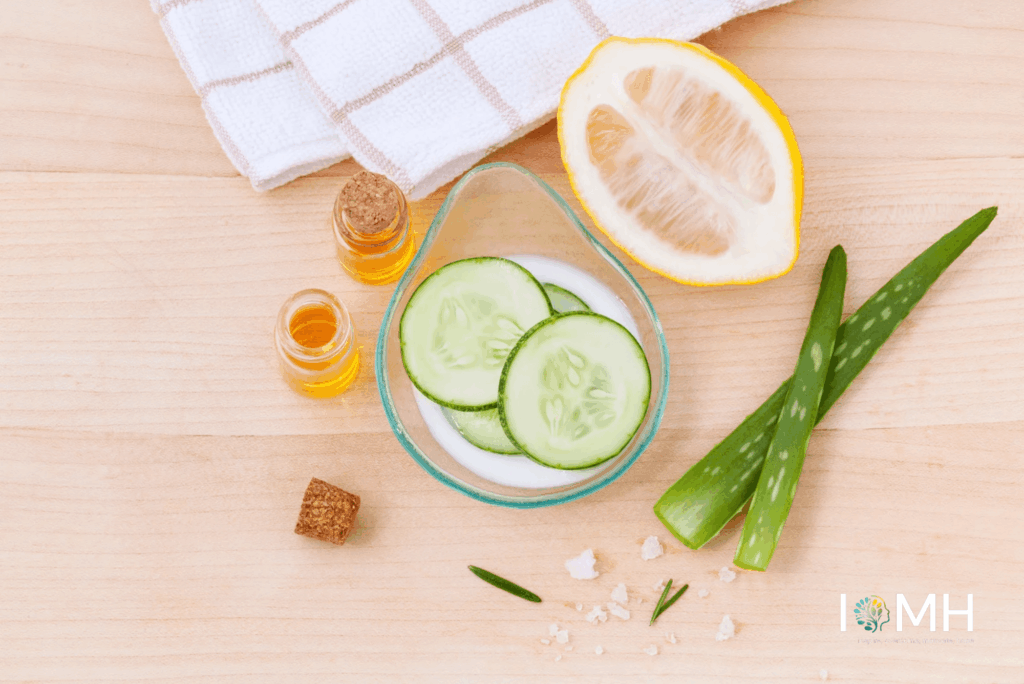
Conclusion: Achieving Radiant Skin the Natural Way
Transitioning to a natural skincare routine is an empowering commitment to the long-term health, resilience, and vitality of your skin. As we have explored throughout this guide, achieving a truly radiant, healthy complexion while navigating the unpredictable UK climate doesn’t require complex, twenty-step product regimes or harsh synthetic chemicals that strip your skin’s natural defenses.
The true secret to a glowing complexion lies in mindful simplicity, high-quality botanical ingredients, and daily consistency. By choosing transparent, well-formulated skincare products that match your unique skin type—and supporting them with healthy lifestyle choices like deep hydration, balanced nutrition, and quality sleep—you work with your skin’s natural biology rather than against it.
Streamline your daily ritual down to the vital pillars: cleanse gently, hydrate deeply, and protect faithfully with a mineral SPF every single morning. By trading fast-acting chemical trends for patient, plant-powered nourishment, you will unlock a naturally clear, balanced, and vibrant complexion that beautifully stands the test of time.


- All Courses
 Personal Development (1283)
 Career Bundle (479)
 Management & Administration (460)
 Employability (439)
 Health & Social Care (411)
 Health and Safety (382)
 Business (320)
 Teaching & Education (268)
 IT & Software (263)
 Health and Fitness (238)
 QLS Endorsed Courses (219)
 Mental Health & Counselling (168)
 Science & Technology (153)
 Accounting & Finance (144)
 Sales & Marketing (128)
 Construction & Engineering (126)
 Art & Design (125)
 Compliance & Law (112)
 Language (86)
 Photography & Lifestyle (58)
 Animal Care (57)
 Food Safety & Hygine (53)
 Diet & Nutrition (49)
 Sports & Fitness (47)
 Makeup & Beauty (43)
 First Aid (39)
 Agriculture (2)
0 responses on "Natural Skincare Secrets: Easy Ways to Get Radiant Skin Naturally"