



Finding out you are expecting is one of the most exciting moments in life, but it also marks the beginning of an overwhelming flood of decisions. Today, there is a rapidly growing demand across the UK for structured, high-quality pregnancy care solutions. Modern expectant mothers are no longer just relying on whatever happens to be on the local pharmacy shelf; they are actively seeking out organised, streamlined systems to help them manage their changing bodies.
This shift is largely driven by information overload. A quick scroll through social media or an internet search reveals thousands of conflicting opinions on how you should be caring for pregnancy. One blog might tell you a certain product is a miracle cure, while another warns you away from it entirely. This digital noise leaves many newly pregnant women feeling anxious and confused about what is genuinely safe.
In this comprehensive guide, we will break down the exact products and routines recommended by UK professionals. From trimester-specific kits and essential prenatal tablets to pregnancy-safe skincare and postpartum preparation, here is your definitive, expert-guided roadmap to a healthy pregnancy.
Understanding Pregnancy Care in the UK: What Experts Actually Recommend
When it comes to establishing a healthy routine, the foundation of exceptional pregnancy care in the UK relies heavily on the NHS framework. The British healthcare system is designed to provide structured, evidence-based support from the moment you conceive until well after your baby is born. While social media trends come and go, medical professionals emphasize sticking to clinically proven guidelines rather than viral wellness hacks.
To truly take care about pregnancy, experts break down maternal wellness into four essential pillars:
- Targeted Nutrition and Supplements: Fuelling your body with the exact micronutrients required to support fetal development.
- Safe Skincare Adjustments: Swapping out aggressive cosmetic ingredients for gentle, non-systemic alternatives.
- Consistent Monitoring: Attending all scheduled midwife appointments and ultrasound scans to track your baby's growth and your blood pressure.
- Emotional Wellbeing: Recognizing that mental health is just as critical as physical health during this major life transition.

While the NHS provides a gold-standard pathway for everyone, some families choose to supplement this journey with private pregnancy care. Opting for private services doesn’t mean bypassing the NHS; rather, it allows parents to access additional reassurance, such as early viability scans or continuous one-on-one midwifery support, to tailor the experience to their personal peace of mind.
Start A Rewarding Career As A Nursing Assistant?
Pregnancy Care Conception Essentials
The absolute best time to start thinking about your maternal health is actually before that second line even appears on a pregnancy test. Laying down a strong clinical foundation during the pregnancy care conception phase ensures your body is primed to support a rapidly dividing cluster of cells from the very first week of development.
Early-Stage Support and NHS Guidelines
In the earliest weeks of pregnancy, your baby’s neural tube—which eventually forms the brain and spinal cord—is already developing. To protect this vital growth, the NHS advises all women trying to conceive to immediately implement two daily lifestyle habits:

- Folic Acid: Take a daily supplement of $400\,\mu\text{g}$ (micrograms). Taking this during conception and through the first 12 weeks reduces the risk of neural tube defects like spina bifida by up to 70%.
- Vitamin D: Take $10\,\mu\text{g}$ daily to regulate calcium and phosphate levels, which are critical for building your baby's future bones, teeth, and muscles.
Alongside these daily tablets, cutting out alcohol completely, stopping smoking, and limiting your daily caffeine intake to under 200mg are the primary lifestyle changes backed by UK maternal experts.
When to Introduce Kits and Antenatal Care
Many expectant mums wonder when they should actually purchase their first pregnancy care kits. Experts suggest investing in a first-trimester kit as soon as you get your positive test. Early-stage kits are specifically geared toward survival and tracking—usually packed with anti-nausea ginger remedies, high-quality prenatal supplements, a durable water bottle to stay hydrated, and a journal to track symptoms.
However, no supplement or kit can replace professional medical care. The most critical step you can take for your early-stage health is booking your antenatal appointment. Skip the GP wait times and self-refer directly to your local NHS trust’s midwifery team online as soon as you know you are pregnant, ensuring your booking appointment is locked in between weeks 8 and 10.
Best Pregnancy Care Kits in the UK
As structured wellness routines grow in popularity, pregnancy care kits have become a favorite choice for UK mums looking to simplify their daily routines. Instead of spending hours researching and buying individual products, a well-curated kit bundles everything you need into a convenient, stage-specific package.
What an Expert-Approved Kit Includes
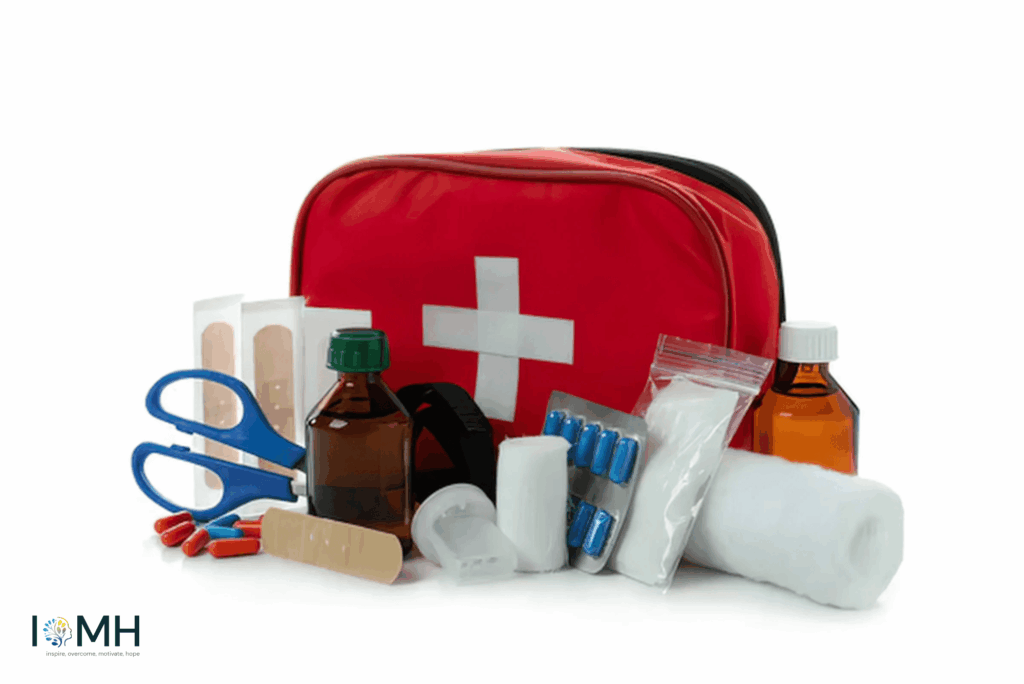
A high-quality, professional-grade kit shouldn’t just contain luxury pampering items; it needs to serve a practical purpose for your physical health. When shopping for a kit or dropping hints for a care package for pregnancy, look for bundles that include:
- The Nutritional Basics: Trusted prenatal supplements or a dedicated space to organise your daily tablets.
- Hydration Tools: A large, BPA-free tracker water bottle to help you hit the expert-recommended 2 litres of water a day.
- Clinical Skincare: Gentle, unscented body oils or balms formulated to soothe stretching skin and ease pregnancy-induced itching.
- Symptom & Milestone Trackers: A straightforward logbook or journal to note down fetal movements, blood pressure readings, and questions for your midwife.
Choosing Between Pharmacy, Subscription, and NHS Options
Not all kits are created equal, and your choice will depend on your budget and personal goals.
- High-Street Pharmacy Kits: Readily available at retailers like Boots or Superdrug, these kits focus heavily on the clinical essentials—usually bundling major supplement brands with stretch mark creams and breast pads.
- Trimester-Specific Subscription Boxes: Premium UK brands offer boxes tailored exactly to your week of pregnancy. A first-trimester box focuses on morning sickness bands and gentle face washes, while a third-trimester box transitions into labor prep items like perineal massage oils and hospital bag packing lists.
- NHS Information Packs: While the NHS doesn’t provide commercial product kits, your midwife will hand over an invaluable digital or physical information kit at your booking appointment. This includes your maternity notes, safe sleep guides, and leaflets on how to claim free dental care and prescriptions via your Maternity Exemption Certificate.
Expert-Recommended Pregnancy Care Tablets & Supplements
When you are pregnant, your body works at double speed to build a completely new vascular system, a placenta, and a tiny human being. Because of this monumental workload, relying entirely on food to meet your nutritional quotas can leave you depleted. This is where targeted pregnancy care tablets play a vital, clinically proven role.
The Non-Negotiable Essentials
UK health experts, including the Royal College of Obstetricians and Gynaecologists (RCOG), maintain a very clear, strict stance on supplementation. There are two ingredients that every single pregnant woman in the UK should take daily:
- Folic Acid ($400\,\mu\text{g}$): As established, this must be taken daily throughout the first trimester. It protects the developing neural tube from malformations.
- Vitamin D ($10\,\mu\text{g}$): This is recommended for the entire duration of your pregnancy and throughout breastfeeding. Because the UK gets limited sunshine for much of the year, a Vitamin D supplement is essential to ensure your body absorbs enough calcium to build healthy baby bones while protecting your own skeletal strength.

What to Avoid: The Golden Rule of Prenatal Vitamins
The biggest mistake you can make when selecting pregnancy care tablets is grabbing a standard, generic multivitamin off the shelf. Standard multivitamins frequently contain high doses of Vitamin A (Retinol). While Vitamin A is a fantastic nutrient for general health, high therapeutic doses during pregnancy are teratogenic, meaning they can cause congenital disabilities. Always ensure any supplement you buy is explicitly stamped as “Pregnancy Safe” or “Prenatal.”
How Midwives Personalise Your Supplement Advice
During your routine NHS booking appointment and subsequent blood checks, your midwife will review your personal health markers to see if you need higher doses. For example, if your initial blood test reveals a low iron count (gestational anaemia), your midwife will prescribe a safe, high-dose therapeutic iron tablet alongside advice on how to take it (such as pairing it with a glass of orange juice, as Vitamin C significantly boosts iron absorption). Never alter your dosage or add high-dose single supplements without consulting your maternity team first.
Pregnancy Safe Skin Care: What UK Experts Say You Should Use & Avoid
The hormonal shifts that accompany pregnancy can completely change your skin type overnight. Suddenly, your go-to products might cause unexpected irritation, or you might find yourself dealing with dry patches and stretch marks. Because your skin is your body’s largest organ, adapting your daily routine with pregnancy safe skin care is essential for protecting both yourself and your baby.
Key Skincare Ingredients to Stop Using Immediately
UK dermatologists and medical experts advise taking a close look at the ingredient labels on the back of your bottles. During pregnancy, you should completely pause the use of:
- Retinoids and Retinol: These Vitamin A derivatives are highly effective for anti-ageing and acne treatment, but high systemic absorption poses a risk to fetal development.
- High-Dose Salicylic Acid (BHAs): While a gentle, rinse-off daily face wash containing under 2% salicylic acid is generally considered low-risk, leave-on serums, spot treatments, and chemical peels with high concentrations should be avoided.
- Hydroquinone: Frequently used to treat dark spots and hyperpigmentation, this chemical has an exceptionally high absorption rate into the bloodstream, making it unsafe for pregnancy.
Expert-Approved Alternatives for Pregnancy Skin Care
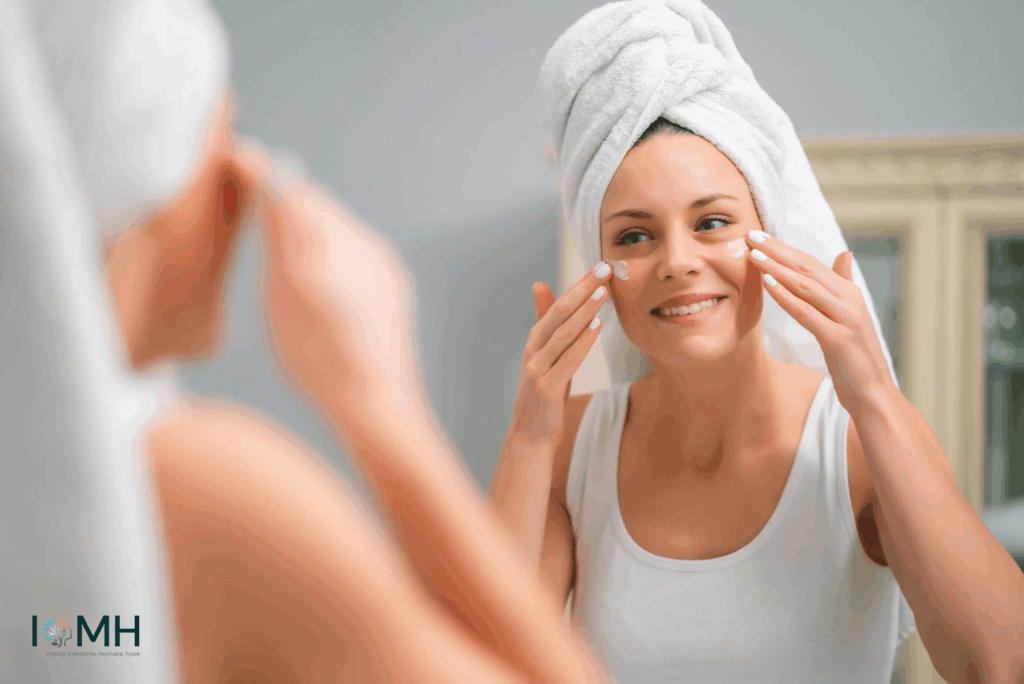
You don’t have to abandon your skincare goals just because you are expecting. There are brilliant, highly effective, and entirely safe alternatives that experts recommend to keep your skin healthy:
- For Hydration: Reach for Hyaluronic Acid. It holds up to 1,000 times its weight in water, safely plumping dry skin without absorbing harmful chemicals into your system.
- For Brightening and Acne Control: Swap out your retinoids for Glycolic Acid or Azelaic Acid. These gentle alpha-hydroxy acids (AHAs) clear away dead skin cells and keep breakouts at bay safely.
- For Protection: The best skin care during pregnancy always includes a daily broad-spectrum mineral sunscreen (SPF 30 or higher). Look for formulas using Zinc Oxide or Titanium Dioxide, which sit harmlessly on top of the skin to block UV rays rather than penetrating the bloodstream.
Post Pregnancy Care: Why Planning Doesn’t End After Birth
It is incredibly easy to treat your due date as the ultimate finish line, focusing all your energy, shopping, and mental preparation on the labor ward. However, maternal health experts emphasize that true post pregnancy care—often called the “fourth trimester”—is just as critical as the care you receive while pregnant. Your body needs time, rest, and deliberate support to heal from birth and adjust to a massive drop in hormones.
Managing Physical Recovery and Emotional Wellbeing
During the first few weeks postpartum, your body undergoes a monumental shift. Whether you had a vaginal delivery or a C-section, prioritizing your physical recovery is vital. In the UK, your community midwifery team will visit you at home during the first few days to monitor your healing, check your blood pressure, and offer essential support with infant feeding.
Equally important is your mental health. The “baby blues” affect up to 80% of new mums in the first week due to sudden hormonal plunges, but if feelings of anxiety, exhaustion, or low mood persist beyond two weeks, it’s crucial to speak openly with your health visitor or GP. The UK healthcare network is highly trained to provide compassionate, judgment-free support for postnatal depression.
The Non-Negotiable Essentials
UK health experts, including the Royal College of Obstetricians and Gynaecologists (RCOG), maintain a very clear, strict stance on supplementation. There are two ingredients that every single pregnant woman in the UK should take daily:
- Supplements: The NHS recommends continuing your daily $10\,\mu\text{g}$ Vitamin D supplement throughout your entire breastfeeding journey to pass those vital nutrients to your baby.
- Skincare: If you plan to reintroduce pre-pregnancy favorites like retinol or high-strength acne treatments, check with your midwife first. While topical absorption is low, some ingredients should still be avoided or used with caution if they could come into direct contact with a nursing baby's skin.
By linking your prenatal planning with a dedicated postnatal recovery strategy, you protect your long-term health and set yourself up for a much smoother transition into motherhood.

Expert Tips for Safer Caring for Pregnancy
When it comes to caring for pregnancy, the gold standard rule from UK midwives and obstetricians is simple: keep it safe, keep it consistent, and cut out the noise. Navigating your nine-month journey shouldn’t feel like a high-stress administrative job.
1. Strip Back and Simplify Your Routines
Whether it’s your morning skincare or your daily nutrition, less is almost always more. You do not need a 10-step beauty routine or a shelf full of exotic superfoods to grow a healthy baby. Focus on a few high-quality, expert-approved basics—like a reliable mineral sunscreen, a balanced whole-food diet, and your essential prenatal vitamins.
2. Learn to Read Labels Like a Pro
To truly take care about pregnancy, make a habit of flipping packaging over to read the ingredient lists. Look past the clever marketing buzzwords on the front of the bottle (like “clean,” “pure,” or “natural”) and check the back for clinically verified, pregnancy-safe components. If you are ever unsure about a specific chemical, preservative, or supplement dose, snap a quick photo and show it to your midwife at your next check-up
3. Prioritise NHS-Approved Guidance Over Social Media
If a wellness trend or pregnancy hack goes viral online, treat it with a healthy dose of skepticism. The algorithms on social media are designed to capture your attention, not protect your health. For every medical decision—from vaccination schedules to dietary choices—always cross-reference your choices with official NHS choices or the Royal College of Obstetricians and Gynaecologists (RCOG) guidelines.
Conclusion: Building a Safe, Expert-Guided Pregnancy Care Routine
Navigating your nine-month journey should be a time of joy and anticipation, not a period dominated by stress and conflicting online advice. When you filter out transient wellness trends and anchor your routine in the recommendations of UK medical experts, taking pregnancy care into your own hands becomes incredibly straightforward.
Building the ultimate routine doesn’t require overcomplicating your life or spending a fortune on luxury products. By securing your baseline NHS appointments, taking your essential daily pregnancy care tablets, and paring back your skincare to a few trusted, non-systemic ingredients, you create a beautifully protective bubble for both yourself and your developing baby.
As you move through each trimester and eventually transition into post pregnancy care, remember that consistency and simplicity are your best allies. Trust your body, lean on the brilliant UK midwifery network around you, and enjoy the incredible process of bringing your little one into the world.


- All Courses
 Personal Development (1283)
 Career Bundle (479)
 Management & Administration (460)
 Employability (439)
 Health & Social Care (411)
 Health and Safety (382)
 Business (320)
 Teaching & Education (268)
 IT & Software (263)
 Health and Fitness (238)
 QLS Endorsed Courses (219)
 Mental Health & Counselling (168)
 Science & Technology (153)
 Accounting & Finance (144)
 Sales & Marketing (128)
 Construction & Engineering (126)
 Art & Design (125)
 Compliance & Law (112)
 Language (86)
 Photography & Lifestyle (58)
 Animal Care (57)
 Food Safety & Hygine (53)
 Diet & Nutrition (49)
 Sports & Fitness (47)
 Makeup & Beauty (43)
 First Aid (39)
 Agriculture (2)
0 responses on "The Best Pregnancy Care Kits, Tablets & Skin Products Recommended by UK Experts"