




The role of a Care Coordinator in Health and Social Care is essential for ensuring that patients receive the right care at the right time. Acting as the central link between patients, families, healthcare professionals, and social services, care coordinators organise treatments, monitor patient progress, and ensure healthcare services are delivered efficiently, effectively, and with empathy.
In this comprehensive guide, we will explore everything you need to know about the care coordinator role in healthcare, including responsibilities, the vital skills required for care coordinators, salary expectations, career opportunities, and tips for aspiring professionals. Whether you are considering a career in health and social care, planning to apply for an NHS care coordinator job, or exploring roles in care homes or coordinated care networks, this blog provides practical insights to help you succeed in this rewarding profession.
Moreover, this course is designed to guide learners step by step. In addition, the lessons are organised in a logical flow, ensuring that each concept builds smoothly on the previous one. Consequently, learners gain confidence as they progress. Furthermore, the content connects theory with practical examples, making the learning experience more engaging. Similarly, complex topics are simplified so that beginners can understand them easily. As a result, learners can apply the knowledge in real situations. On the other hand, those with prior experience can refine their existing skills. Therefore, the course supports continuous improvement for all learners. Ultimately, it provides a structured pathway that helps students achieve their learning goals effectively.online communication skills



What is a Care Coordinator?
A care coordinator is a professional responsible for organising and managing patient care. They ensure that patients receive coordinated support from different healthcare providers. The main aim is coordinated care that meets the unique needs of each patient.
Care coordinators work in hospitals, care homes, community health centres, and sometimes in private healthcare. Their job involves working with nurses, doctors, social workers, and other healthcare professionals to provide coordination of patient care.
In simple terms, if a patient has multiple health needs or conditions, the care coordinator role ensures that every aspect of their care is planned, monitored, and delivered properly. This helps prevent gaps in care, duplication of services, and unnecessary stress for patients and their families. For further details, visit the link below:
What Is a Care Coordinator? Roles, Responsibilities, Skills, and Career Path Explained
Care Coordinator Role in Healthcare
The care coordinator role in healthcare is essential for ensuring patients receive organised, efficient, and personalised care. Care coordinators act as a central point of support, linking patients, families, and healthcare teams. Their key responsibilities include:

Research methodologies in health and social care:
- Developing Individual Care Plans: Assess patients’ needs and create detailed care plans that guide treatments, therapies, and support services.
- Monitoring Patient Progress: Track health outcomes, observe changes, and adjust care plans to ensure the best results.
- Collaborating with Multidisciplinary Teams: Work closely with doctors, nurses, therapists, and social workers to provide seamless care.
- Supporting Patients and Families: Explain treatment options, follow-ups, and care processes in clear, simple terms.
- Facilitating Communication: Act as the main contact between healthcare providers and patients, ensuring concerns are addressed promptly.
- Managing Transitions of Care: Help patients move safely between settings, such as hospital to home or care home, while maintaining continuity of care.
- Specialised Coordination: Some coordinators focus on mental health, intensive care, or elderly and community care, ensuring tailored support for specific patient groups.
By handling these responsibilities, care coordinators improve patient experiences, reduce stress for families, and contribute to high-quality, coordinated care.
Care Coordinator Responsibilities
The responsibilities of a care coordinator can vary depending on the workplace, but their main goal is to ensure that patients receive high-quality, personalised care. Key duties include:
- Patient Assessment: Evaluate a patient’s physical, emotional, and social needs to create a clear picture of their care requirements.
- Care Planning: Develop personalised care plans that take into account medical conditions, lifestyle, and personal preferences to guide treatment and support.
- Coordinating Services: Arrange and align appointments, treatments, therapies, and social services so patients receive seamless and timely care.
- Documentation: Maintain accurate and up-to-date patient records, noting any changes in health status or care needs.
- Communication: Serve as the main point of contact for patients, families, and healthcare teams, ensuring clear and consistent communication.
- Advocacy: Represent patients’ interests, making sure their choices and preferences are respected throughout their care journey.
In care homes, additional responsibilities may include organising activities to promote well-being. Care home activities coordinators plan recreational and therapeutic sessions to keep residents active and engaged. Examples of care home activity coordinator ideas include:
- Art and craft sessions
- Exercise and fitness classes
- Social events and group activities
- Memory and cognitive games
By performing these duties, care coordinators ensure coordinated care, improve patient experiences, and enhance the overall quality of health and social care services.

Skills Required for Care Coordinators
To thrive as a care coordinator, a mix of personal, professional, and technical skills is essential. These skills ensure that patient care is organised, efficient, and compassionate. Key skills include:
- Communication Skills: The ability to explain medical information clearly and listen actively to patients, families, and healthcare teams is crucial for effective patient care coordination.
- Organisational Skills: Coordinators often manage multiple patients, appointments, and care plans at once. Strong organisational skills help keep everything on track and ensure seamless care.
- Problem-Solving Skills: Challenges can arise daily, from scheduling conflicts to unexpected changes in a patient’s health. Being able to think quickly and find practical solutions is vital.
- Empathy: Understanding the emotional and physical needs of patients allows coordinators to provide compassionate care and support throughout the treatment process.
- Attention to Detail: Accurate documentation and careful monitoring of care plans help prevent errors and ensure all aspects of care are delivered properly.
- Technical Skills: Familiarity with electronic health records, patient management software, and working effectively within care coordination teams is highly valued, especially in modern healthcare settings.
By combining these skills, a care coordinator can ensure that patients receive high-quality, well-organised, and personalised care, while also maintaining smooth communication between all parties involved.
How to Become a Care Coordinator
If you are considering a career as a care coordinator in health and social care, there is a clear path that combines education, hands-on experience, and practical skills. Becoming a care coordinator allows you to make a meaningful difference in patients’ lives while enjoying a stable and rewarding career. Here’s a detailed guide on how to get there:
- Education: Most care coordinator roles require a background in Health and Social Care. For entry-level positions, a Health and Social Care Level 3 qualification is often sufficient. For advanced roles, degrees in healthcare, nursing, or social work can give you a competitive edge.
- Training: Gaining hands-on experience through internships, placements, or volunteering is essential. This allows you to develop practical skills, understand patient needs, and learn how care coordination teams operate.
- Experience: Working in related roles such as a healthcare assistant, social worker, or patient care coordinator provides a strong foundation. It helps you understand the daily responsibilities of a care coordinator and build confidence in managing patients’ care.
- Certifications: While optional, certifications in care management, coordinated care organisation practices, or specialised areas like mental health or elderly care can improve employability and open up more opportunities.
- Applying for Jobs: Look for roles such as care coordinator jobs near me, care coordinator NHS jobs, or positions in private healthcare and community services. Tailor your CV to highlight relevant skills, qualifications, and experience.
- Continuous Professional Development: Once in the role, ongoing learning is vital. Many care coordinators advance to senior positions, team leader roles, or specialise in areas like care coordination in mental health, intensive care, or elderly care.
By following these steps, you can build a fulfilling career as a care coordinator in health and social care, playing a key role in improving patient experiences, ensuring coordinated care, and supporting families through the healthcare system.
Skills Required for Care Coordinators
To excel as a care coordinator in health and social care, a combination of personal, professional, and technical skills is essential. These skills ensure that patient care is well-organised, efficient, and compassionate. Key skills include:

- Communication Skills: A care coordinator must clearly explain medical information to patients and families, answer questions, and actively listen. Strong communication ensures everyone understands treatment plans, appointments, and care options, supporting smooth patient care coordination.
- Organisational Skills: Coordinators manage multiple patients, treatments, and care plans at once. Excellent organisational skills keep tasks on track, prevent missed appointments, and ensure coordinated care across multidisciplinary teams.
- Problem-Solving Skills: Healthcare is unpredictable. Changes in patient conditions or scheduling conflicts require quick thinking and adaptable solutions to maintain seamless care.
- Empathy: Understanding patients’ emotional and physical needs allows coordinators to provide compassionate care. Empathy builds trust with patients and families, enhancing the overall healthcare experience.
- Attention to Detail: Accurate documentation and monitoring subtle changes in patients’ conditions are crucial. Attention to detail prevents errors and ensures all aspects of care are delivered correctly.
- Technical Skills: Familiarity with electronic health records (EHR), patient management software, and effective collaboration within care coordination teams is highly valued. Technology skills help streamline tasks, maintain accurate records, and improve efficiency.
By combining these skills, a care coordinator can deliver high-quality, personalised care, maintain clear communication between patients and healthcare teams, and ensure smooth coordination of services.
Care Coordinator Salary in the UK
A common question for aspiring care coordinators is: “How much can I earn?” Salaries vary depending on experience, location, and employer type, such as the NHS, private care homes, or coordinated care networks.
- Entry-Level Roles: Salaries for new graduates or those with Health and Social Care Level 3 qualifications typically range from £22,000 to £28,000 per year. Entry-level positions provide valuable experience while building essential skills in coordinated care.
- Experienced Care Coordinators: With a few years of experience, salaries usually increase to £28,000–£35,000 per year. Experienced coordinators often manage larger caseloads and more complex responsibilities, collaborating closely with multidisciplinary teams.
- Senior Roles: Senior or specialised roles, such as intensive care coordination or leadership within care coordination teams, can earn £35,000–£45,000+ per year. These positions may involve supervising staff, strategic planning, and coordinating care across multiple services.
- NHS Benefits: Working in an NHS care coordinator job often includes pension schemes, generous annual leave, and professional development opportunities, alongside structured career progression.
- Private Sector and Care Homes: Private healthcare providers and care homes may offer higher base salaries but different benefits. Care home activities coordinator positions, for example, can include additional training and incentives.
Understanding salary ranges helps aspiring care coordinators make informed choices about career paths, locations, and potential specialisations.
Career Path and Opportunities for Care Coordinators
A career as a care coordinator in health and social care offers diverse opportunities for growth and specialisation. With experience, training, and additional qualifications, coordinators can move into higher-level positions or focus on specific areas of care.
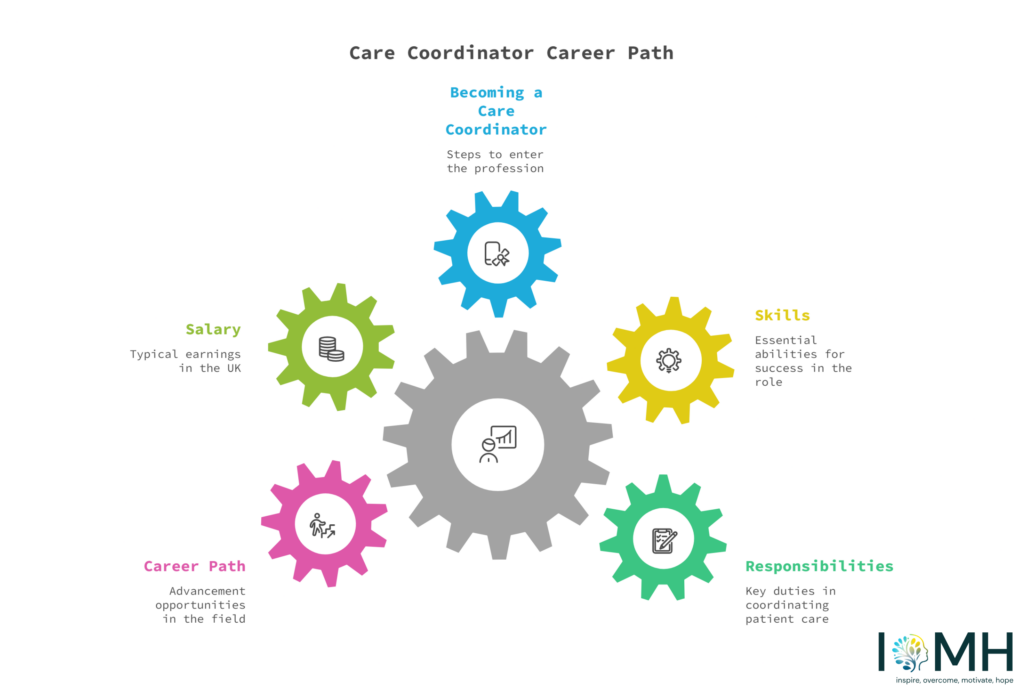
- Senior Care Coordinator: Supervising junior coordinators and managing larger patient caseloads. Senior coordinators also mentor staff and maintain high standards across teams.
- Team Leader or Manager: Leading a department or unit in a hospital, clinic, or care home. Responsibilities include overseeing staff, budgets, and multiple care coordination teams to deliver high-quality patient care.
- Specialisation: Coordinators can specialise in mental health care coordination, palliative care, paediatrics, intensive care coordination, or chronic disease management. Specialisation allows coordinators to develop expert knowledge and work with patients with specific needs.
- Health and Social Care Trainer or Consultant: Experienced coordinators may provide guidance, training, and consultancy to new coordinators or healthcare organisations, helping improve coordinated care networks and shaping best practices.
A career in care coordination offers financial stability, job security, and personal satisfaction, making it an attractive choice for those passionate about supporting patients and improving healthcare services.
Challenges of Being a Care Coordinator
While being a care coordinator in health and social care is rewarding, the role comes with its own challenges. Understanding these helps aspiring coordinators prepare for the realities of the job:
- High Workload: Coordinators often manage multiple patients, each with complex needs. Balancing appointments, care plans, and follow-ups requires excellent organisational skills.
- Emotional Strain: Supporting patients and families through difficult situations can be emotionally demanding. Resilience and empathy are crucial to handle stress while providing compassionate care.
- Administrative Burden: Accurate record-keeping is essential. Coordinators must maintain detailed patient records, ensure compliance with healthcare regulations, and handle paperwork alongside clinical responsibilities.
- Balancing Multiple Roles: Coordinators must simultaneously coordinate care, communicate with multidisciplinary teams, and advocate for patients’ needs. Maintaining this balance can be challenging but is critical for seamless patient care.
Despite these challenges, most care coordinators find the role deeply fulfilling. The ability to make a real difference in patients’ lives and support families throughout their healthcare journey makes the profession both meaningful and rewarding.
Rewards of the Role
The role of a care coordinator is not only challenging but also highly rewarding. Key benefits include:
- Making a Real Difference in Patients’ Lives: Coordinators ensure patients receive coordinated care, helping them recover, manage chronic conditions, or navigate complex healthcare systems. This creates a profound sense of purpose.
- Job Stability in a Growing Field: Healthcare continues to expand, increasing the demand for skilled coordinators. This provides long-term job security and a stable career path.
- Opportunities for Continuous Learning: The role offers ongoing professional development. Coordinators gain experience in leadership, specialisations such as mental health care coordination, and intensive care coordination.
- Collaborative and Patient-Focused Environment: Working closely with doctors, nurses, therapists, and social workers allows coordinators to be a vital link in the healthcare team, contributing to improved patient outcomes.
- Impact in Care Homes: For those in activity coordinator care home roles, seeing residents engage in activities adds extra satisfaction. Care home activities coordinator ideas—including music therapy, group exercises, arts and crafts, or memory games—enhance residents’ well-being and quality of life.
The combination of personal fulfillment, professional growth, and tangible impact makes this a highly satisfying career in health and social care.
Common Misconceptions About Care Coordinators
There are several myths about the care coordinator role in healthcare. Understanding the reality helps aspiring coordinators see the opportunities and requirements clearly:
- “It’s Just Paperwork”: While documentation is important, the role is much more than administrative tasks. Coordinators actively interact with patients, families, and multidisciplinary teams, ensuring coordinated care and improving patient experiences.
- “You Need a Medical Degree”: Many people assume only doctors or nurses can become care coordinators. In reality, many coordinator care roles are open to individuals with Health and Social Care Level 3 qualifications or equivalent experience in healthcare settings.
- “A Clinical Background Is Always Required”: Hands-on clinical experience is not always necessary. Understanding healthcare systems, patient needs, and care pathways is essential, but strong communication, organisational, and problem-solving skills are often more important than a medical degree.
By clearing these misconceptions, more people can appreciate the value of a care coordinator and the range of skills, responsibilities, and opportunities the role provides.
Tips for Aspiring Care Coordinators
Starting a career as a care coordinator in health and social care requires preparation, dedication, and the right mindset. Here are practical tips to help you succeed:
- Gain Practical Experience: Volunteer, take internships, or work in hospitals, clinics, or care homes. Hands-on experience provides insight into patient care processes and the daily responsibilities of a care coordinator role in healthcare.
- Develop Strong Communication and Organisational Skills: Effective communication with patients, families, and healthcare teams is essential. Organisational skills help manage multiple care plans, appointments, and tasks efficiently, ensuring smooth care coordination.
- Familiarise Yourself with Care Coordination Systems: Learn how coordinated care organisation networks, electronic health records, and patient management software operate. Being confident with these systems will make you more effective in the role.
- Network with Professionals in Health and Social Care: Connect with care coordinators, social workers, nurses, and other healthcare professionals. Networking provides mentorship, job leads, and insights into best practices.
- Stay Updated on Healthcare Policies and Regulations: Knowledge of healthcare laws, patient rights, and care standards ensures safe, compliant, and high-quality care. Continuous learning also enhances your chances of career progression.
Following these tips equips aspiring care coordinators with the skills, experience, and confidence needed to excel in this rewarding profession.
Care Coordinator Jobs Near Me
There are many opportunities for care coordinator jobs in the UK, across hospitals, care homes, clinics, and community health services. To find the right role, try searching for:
- Care coordinator jobs near me: Local opportunities in hospitals, clinics, care homes, or community health services.
- NHS care coordinator jobs: Positions within the NHS, often offering structured training, career development, and benefits.
- Patient care coordinator positions: Roles focused on managing individual patient care plans and ensuring seamless patient care coordination.
- Private healthcare and care home opportunities: Positions in private hospitals, clinics, care homes, and coordinated care networks.
These roles can be in a variety of settings, giving you the flexibility to choose the environment that best matches your skills, interests, and career goals.
Conclusion
A Care Coordinator in Health and Social Care plays a crucial role in ensuring that patients receive timely, coordinated, and compassionate care. By managing care plans, liaising with multidisciplinary healthcare teams, and supporting families, care coordinators make a real and lasting difference in patients’ lives.
The profession offers a wide range of opportunities, from NHS care coordinator jobs to private sector positions, as well as specialised areas such as mental health care coordination, intensive care, or care home activity coordination. With the right combination of skills required for care coordinators, practical experience, and ongoing professional development, you can enjoy a fulfilling, stable, and rewarding career in health and social care, helping patients lead healthier, happier, and more supported lives.

- All Courses
 Personal Development (1283)
 Career Bundle (479)
 Management & Administration (460)
 Employability (439)
 Health & Social Care (411)
 Health and Safety (382)
 Business (320)
 Teaching & Education (268)
 IT & Software (263)
 Health and Fitness (238)
 QLS Endorsed Courses (219)
 Mental Health & Counselling (168)
 Science & Technology (153)
 Accounting & Finance (144)
 Sales & Marketing (128)
 Construction & Engineering (126)
 Art & Design (125)
 Compliance & Law (112)
 Language (86)
 Photography & Lifestyle (58)
 Animal Care (57)
 Food Safety & Hygine (53)
 Diet & Nutrition (49)
 Sports & Fitness (47)
 Makeup & Beauty (43)
 First Aid (39)
 Agriculture (2)
0 responses on "Care Coordinator in Health and Social Care: Everything You Need to Know"