



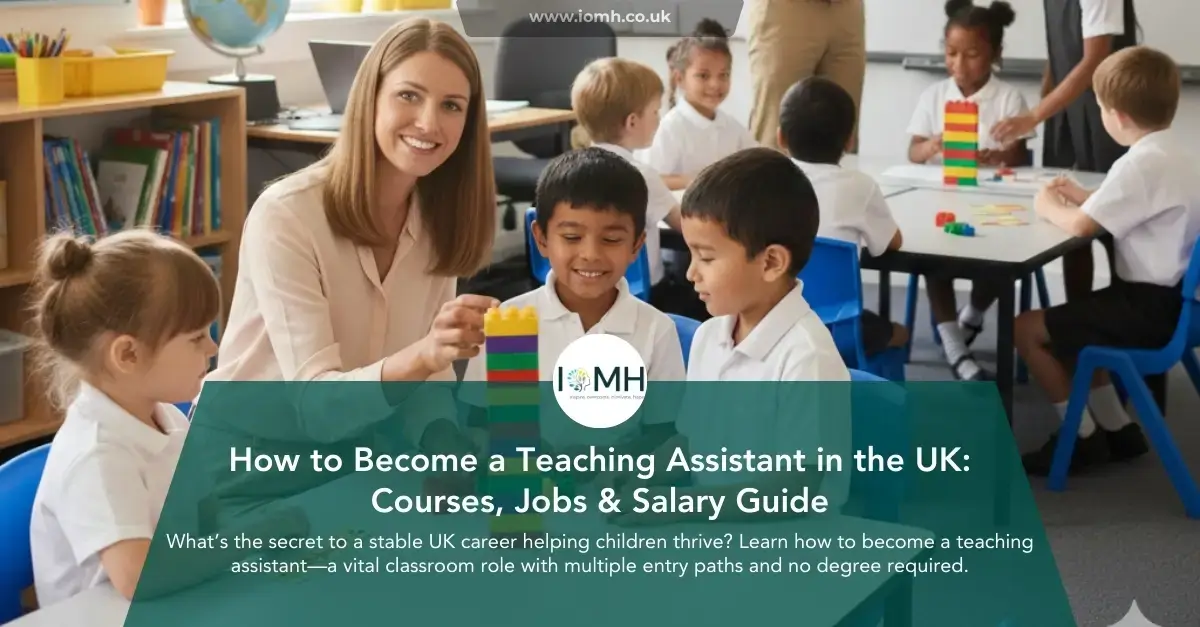
Introduction to the Role of a Teaching Assistant
A teaching assistant (often called a TA) plays a vital role in supporting both teachers and pupils within UK classrooms. While teachers lead lessons, teaching assistants provide the extra support that ensures every child can participate, learn, and thrive. From helping with classroom organisation to offering one-on-one support for pupils who need additional guidance, the role is at the heart of building positive and inclusive learning environments.
In recent years, the demand for teaching assistant jobs has steadily increased across the UK. Schools are placing greater emphasis on personalised learning, early intervention, and classroom support for children with Special Educational Needs (SEN). This has made the teaching assistant profession one of the most rewarding and stable career choices in the education sector.
Another reason many people are drawn to this role is its flexibility. Unlike some education careers, becoming a teaching assistant doesn’t always require a degree. With the right training — such as a Level 2 Teaching Assistant Course or a Level 3 Teaching Assistant Course — you can build the skills and knowledge needed to step confidently into the classroom. For those with busy lives or existing commitments, there are also teaching assistant courses online, which provide the flexibility to learn at your own pace while preparing for employment opportunities.
Teaching Assistant Job Description: What Does the Role Involve?
When exploring teaching assistant jobs, it’s important to understand exactly what the role entails. A teaching assistant works closely with teachers to ensure lessons run smoothly and pupils receive the attention they need. Although the responsibilities can vary depending on the school and the age group, there are some common tasks that most TAs will encounter.
Typical duties in a teaching assistant job description include:
- Preparing classroom resources and materials.
- Supporting pupils with their learning during lessons.
- Working with small groups or individual children who may need extra help.
- Assisting with classroom management and behaviour support.
- Helping pupils with special educational needs (SEN).
- Supervising activities such as group work, reading time, or play sessions.
- Carrying out administrative tasks like record-keeping and photocopying.
The role is diverse and hands-on, meaning no two days are the same. Teaching assistants are also often a key point of contact for children, providing encouragement, reassurance, and support beyond academic learning. This makes the job not only vital to the smooth running of a school but also deeply rewarding on a personal level.



Teaching Assistant Salary and Working Hours
One of the most common questions for anyone considering this career is, “What is the average teaching assistant salary in the UK?” While salaries vary depending on experience, location, and the type of school, the role is generally paid on a scale set by local authorities.
On average, a teaching assistant salary ranges from £19,000 to £26,000 per year for full-time positions. Higher Level Teaching Assistants (HLTAs) or those with specialist skills, such as supporting children with special educational needs (SEN), may earn more. Salaries also differ across regions, with London and larger cities often offering higher pay.
Working hours for teaching assistants are usually aligned with school terms, making this role particularly attractive to those who value work-life balance. A standard full-time TA works around 32–37 hours per week during term time, with holidays following the school calendar. For those seeking flexibility, there are many part-time teaching assistant job opportunities, which are ideal for parents, carers, or individuals balancing work with study.
This combination of stable income, regular hours, and generous holidays makes the role a practical choice for people seeking meaningful work in education while maintaining personal commitments.
Qualifications to Become a Teaching Assistant
One of the advantages of pursuing a career as a teaching assistant is that there are multiple routes into the role. Unlike teaching positions, which require a degree and formal training, many schools in the UK welcome applicants with the right skills, attitude, and commitment to supporting children’s learning. That said, gaining qualifications can significantly improve your chances of securing a role and advancing your career.
Entry-Level Routes
For those just starting out, a Level 2 Teaching Assistant Course provides a solid foundation. This qualification equips you with the basics of classroom support, child development, and safeguarding. It’s widely recognised by schools and is often the first step for individuals looking to enter the profession.
Advanced Qualifications
If you’re aiming to take on more responsibility or progress to roles such as Higher Level Teaching Assistant (HLTA), a Level 3 Teaching Assistant Course is a natural next step. This advanced qualification covers in-depth strategies for supporting pupils, working independently with groups, and managing specific learning needs.
Flexible Learning Options
With growing demand for flexibility, many providers now offer teaching assistant courses online. These online teaching assistant courses allow you to balance study with work or family commitments, making it easier to retrain or upskill without attending in-person classes.
Whether you choose a traditional classroom-based course or study online, gaining a recognised qualification demonstrates your commitment and prepares you with the skills schools value most.

Skills Required for a Teaching Assistant
While qualifications can help you secure a role, it’s the right combination of personal skills that makes a teaching assistant truly effective. A TA is often the bridge between pupils and teachers, so the role demands both empathy and practicality.
Core Skills Every Teaching Assistant Needs
- Communication skills: Clear communication with pupils, teachers, and parents is essential. Whether explaining tasks to children or relaying progress updates to staff, TAs need to express themselves effectively.
- Patience and empathy: Every child learns differently, and some may require additional time or support. Patience and a compassionate approach are key to helping pupils feel understood and valued.
- Adaptability: A typical school day is unpredictable. Teaching assistants must adapt quickly to changing classroom dynamics, pupil needs, or lesson plans.
- Teamwork: TAs work closely with teachers and other school staff. Being able to collaborate, take direction, and contribute ideas ensures a supportive learning environment.
- Behaviour Management – Assisting with discipline and maintaining order in the classroom requires firmness balanced with fairness.
- Digital literacy: As classrooms increasingly use technology, confidence with computers, interactive whiteboards, and online learning tools is a valuable asset.
Additional Attributes
Beyond these core skills, qualities like creativity, organisational ability, and an understanding of safeguarding practices make a candidate stand out. Many schools also look for TAs who can provide targeted support in areas such as literacy, numeracy, or special educational needs.
Gaining Work Experience as a Teaching Assistant
For many aspiring teaching assistants, practical experience is just as important as completing a teaching assistant course. Schools value hands-on experience because it demonstrates your ability to work with children, manage classroom dynamics, and support learning in real settings.
Why Work Experience Matters
Work experience allows you to:
- Build confidence in supporting children of different ages and abilities.
- Understand classroom routines and teacher expectations.
- Develop essential skills like behaviour management and one-to-one pupil support.
- Showcase your enthusiasm and reliability to potential employers.
How to Gain Classroom Experience
- Volunteering: Many schools welcome volunteers, especially those considering a career in education. This is often the first step into securing a paid role.
- Placements during courses: If you’re enrolled in a Level 2 Teaching Assistant Course or Level 3 Teaching Assistant Course, you may be required to complete a placement as part of your training.
- Work experience through agencies: Some recruitment agencies provide opportunities to shadow or support in schools, giving you exposure while you build your CV.
Connecting Experience to Employment
Even a short-term placement or voluntary role can significantly boost your chances of finding paid teaching assistant jobs. Employers see this as proof that you understand the realities of the classroom and are committed to supporting children’s education.
Teaching Assistant Employment Opportunities in the UK
With the growing demand for classroom support across the country, there are plenty of teaching assistant employment opportunities in the UK. Schools increasingly rely on TAs to help deliver personalised learning, assist pupils with special educational needs (SEN), and create positive learning environments.
Where to Find Teaching Assistant Jobs
- Local authority schools: Most primary and secondary schools employ teaching assistants directly.
- Academies and free schools: These often advertise roles independently on their websites.
- Nurseries and early years settings: Teaching assistants can also work with younger children, supporting early development.
- Special schools: Opportunities are available for TAs trained or interested in SEN support.
Job Search Tips
- Job boards: Popular platforms such as Indeed, Reed, and TES regularly post teaching assistant jobs leads across the UK.
- Local councils: Many schools post vacancies on council websites.
- Agencies: Education recruitment agencies can connect you with temporary and permanent TA positions.
- Networking: Volunteering or placements often lead to paid roles within the same school.
Flexibility of Roles
There is a wide range of positions available, from full-time contracts to part-time teaching assistant jobs. This flexibility makes the profession accessible to parents, students, or anyone balancing other commitments.
Career Development and Professional Growth
Becoming a teaching assistant is often the first step in a longer and rewarding career within education. Once in the role, there are multiple pathways to progress and specialise, depending on your ambitions.
Advancing Within the Role
Many teaching assistants choose to upskill by completing further qualifications. For example, moving from a Level 2 Teaching Assistant Course to a Level 3 Teaching Assistant Course not only builds confidence but can also increase responsibility in the classroom. With the right experience and training, you could progress to a Higher Level Teaching Assistant (HLTA) role, which allows you to plan lessons, deliver learning activities independently, and even cover classes.
Specialisation Options
- Special Educational Needs (SEN): Providing targeted support for children with learning differences.
- Early Years Education: Working with nursery and reception-age pupils.
- Behavioural Support: Helping children develop positive classroom behaviours.
Continuous Learning
Ongoing training is highly valued in the education sector. Many providers offer teaching assistant courses online, which makes it easier for working TAs to continue professional development without disrupting their schedules. Schools often encourage staff to attend workshops on safeguarding, literacy support, or mental health awareness.
Stepping Into Teaching
For those who see the TA role as a stepping stone, it can lead to teacher training routes such as a PGCE or Qualified Teacher Status (QTS). Many teachers start their careers as teaching assistants to gain hands-on classroom experience before progressing.
Career Prospects: Where Can Being a Teaching Assistant Lead?
Choosing to become a teaching assistant isn’t just about securing a job — it’s about opening the door to a wide range of career possibilities in education. The role is highly flexible, allowing individuals to remain in supportive classroom positions or progress into more advanced roles.
Long-Term Career as a TA
Some people find their passion in remaining as a teaching assistant long-term. This allows them to focus on pupil support, relationship-building, and day-to-day involvement in school life without the added pressures of teaching. With experience and additional training, you can move into roles like Senior TA or Higher Level Teaching Assistant (HLTA).
Pathways Into Teaching
For others, working as a TA is the first step toward becoming a qualified teacher. Many UK teacher training providers view teaching assistant experience as a strong foundation for PGCE or School Direct routes. The hands-on experience gained as a TA offers a unique advantage when moving into teaching roles.
Transferable Skills
Not all teaching assistants remain in schools forever. The skills gained — communication, organisation, safeguarding awareness, and adaptability — are highly transferable. They can open doors to careers in youth work, childcare, training, or other education-related sectors.
Building Through Courses
Further qualifications, such as a Level 3 Teaching Assistant Course or online teaching assistant courses, can enhance career prospects by providing specialisation and formal recognition of skills.
Conclusion: Is a Career as a Teaching Assistant Right for You?
Working as a teaching assistant is more than just a job; it’s a chance to make a real difference in children’s lives every single day. From supporting teachers in the classroom to giving pupils the one-on-one attention they need, TAs are an essential part of the UK education system.
The role offers flexibility, stability, and purpose. Whether you’re looking for a part-time teaching assistant job to fit around family life, or aiming for a long-term career that could lead into teaching, the opportunities are vast. With clear pathways through teaching assistant courses — including Level 2 and Level 3 Teaching Assistant Courses — as well as the option to study through online teaching assistant courses, anyone with dedication and the right skills can step into this profession.
If you’re motivated by the idea of helping children succeed, enjoy working in a team, and want a role that offers both personal fulfilment and professional growth, then becoming a teaching assistant could be the perfect career choice for you.
Resources:
IOMH – Institute of Mental Health offers a range of online courses designed to support your journey to becoming a successful teaching assistant.
- Professional Teaching Assistant
- Level 3 Teaching Assistant
- Teaching Assistant Complete Course
- Teaching Assistant & Communication Skills Training
- Lesson Planning for Teaching
- Key Stage 1 and 2 Teaching Assistant
- Special Educational Needs Teaching Assistant Diploma
- Teaching Assistant with Autism Essential
- Teaching Phonics
- Classroom Teaching Assistant
- Child Development and Care
- Safeguarding and Child Protection
- Mental Health Awareness Diploma
Frequently Asked Questions
You don’t always need formal qualifications to start, but completing a recognised Level 2 Teaching Assistant Course or Level 3 Teaching Assistant Course can greatly improve your chances of securing a role. Many schools also value voluntary classroom experience.
The average teaching assistant salary ranges between £14,000 and £21,000 per year for full-time roles, depending on location, experience, and responsibilities. Higher Level Teaching Assistants (HLTAs) may earn more.
Yes, but having experience — even through volunteering — makes you more employable. Many training courses also include a placement, which helps you gain practical classroom skills.
Yes, many schools offer part-time teaching assistant jobs. These are popular with parents, students, or anyone seeking flexible working hours.
Absolutely. There are a range of teaching assistant courses online, allowing you to study at your own pace and balance training with other commitments.
- A Level 2 Teaching Assistant Course is ideal for beginners and focuses on the basics of classroom support.
- A Level 3 Teaching Assistant Course is more advanced, preparing you for greater responsibilities and potential progression into roles like Higher Level Teaching Assistant (HLTA).
Yes, many people use TA roles as a stepping stone into teaching. The experience gained in the classroom provides a strong foundation for teacher training programmes like a PGCE or QTS.
You can find teaching assistant employment opportunities on job boards such as Indeed, Reed, and TES, or through local council websites and education recruitment agencies.

- All Courses
 Personal Development (1283)
 Career Bundle (479)
 Management & Administration (460)
 Employability (439)
 Health & Social Care (411)
 Health and Safety (382)
 Business (320)
 Teaching & Education (268)
 IT & Software (263)
 Health and Fitness (238)
 QLS Endorsed Courses (219)
 Mental Health & Counselling (168)
 Science & Technology (153)
 Accounting & Finance (144)
 Sales & Marketing (128)
 Construction & Engineering (126)
 Art & Design (125)
 Compliance & Law (112)
 Language (86)
 Photography & Lifestyle (58)
 Animal Care (57)
 Food Safety & Hygine (53)
 Diet & Nutrition (49)
 Sports & Fitness (47)
 Makeup & Beauty (43)
 First Aid (39)
 Agriculture (2)
0 responses on "How to Become a Teaching Assistant in the UK: Courses, Jobs & Salary Guide"